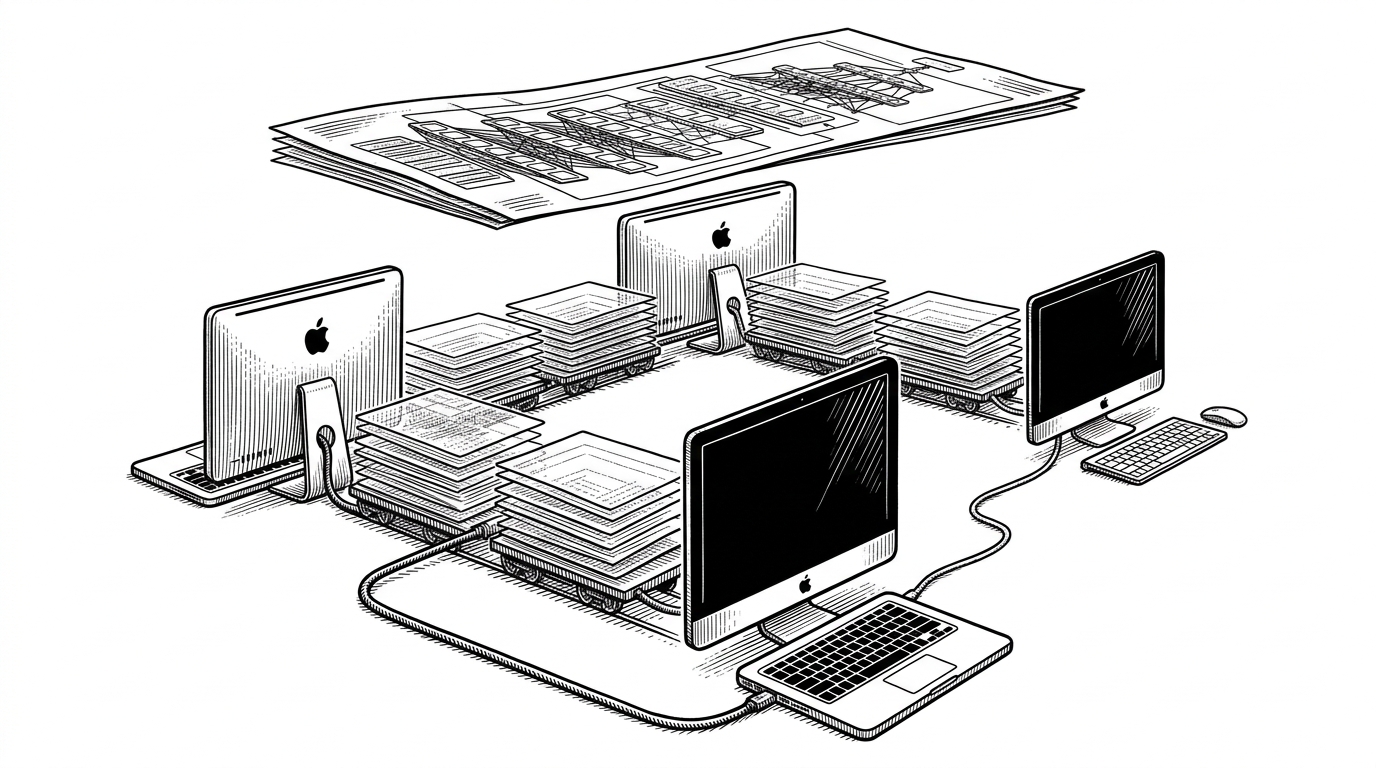
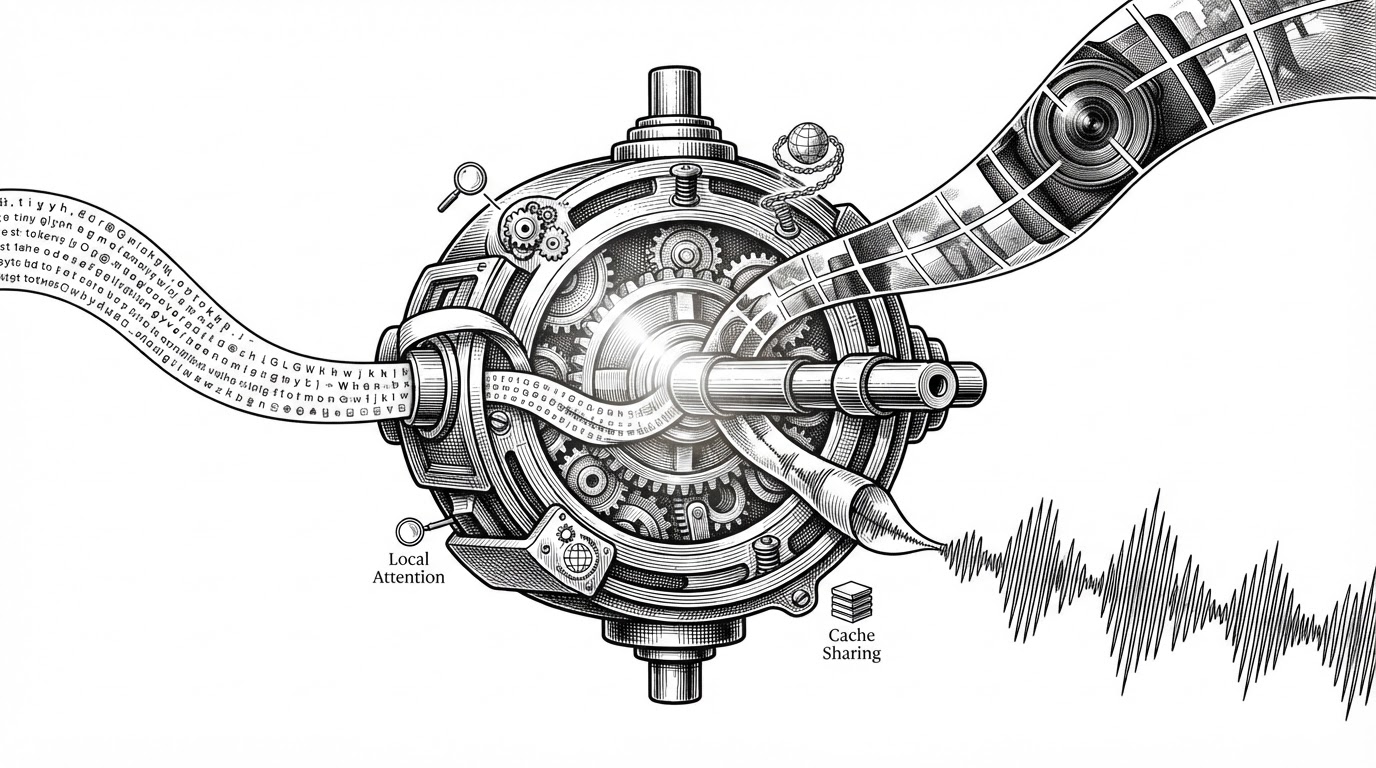
gemma-tuner-multimodal: The MacBook Fine-Tuner That Refuses to Train Blind
A guided Apple Silicon stack for multimodal Gemma tuning, with hardware preflight checks, runtime model patches, and cloud-streamed data pipelines that keep local training honest.
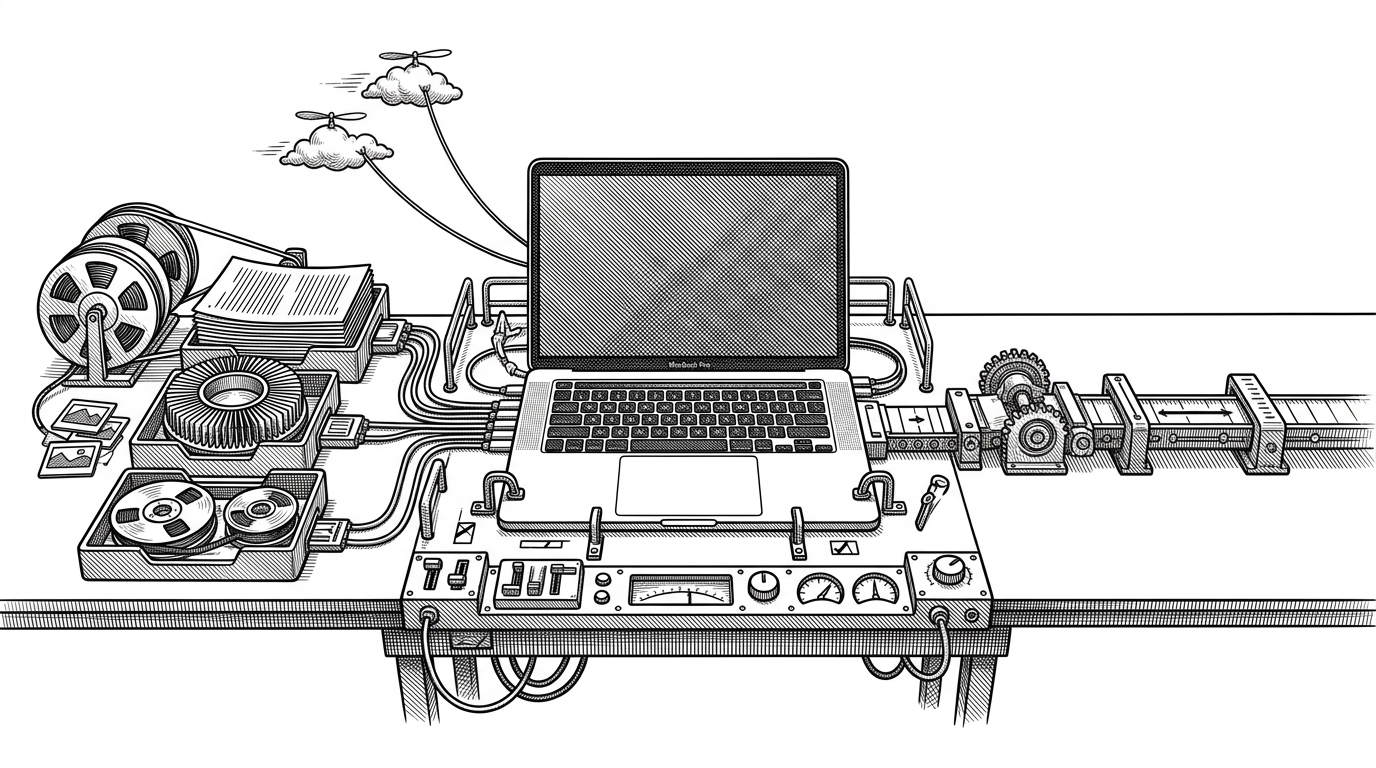

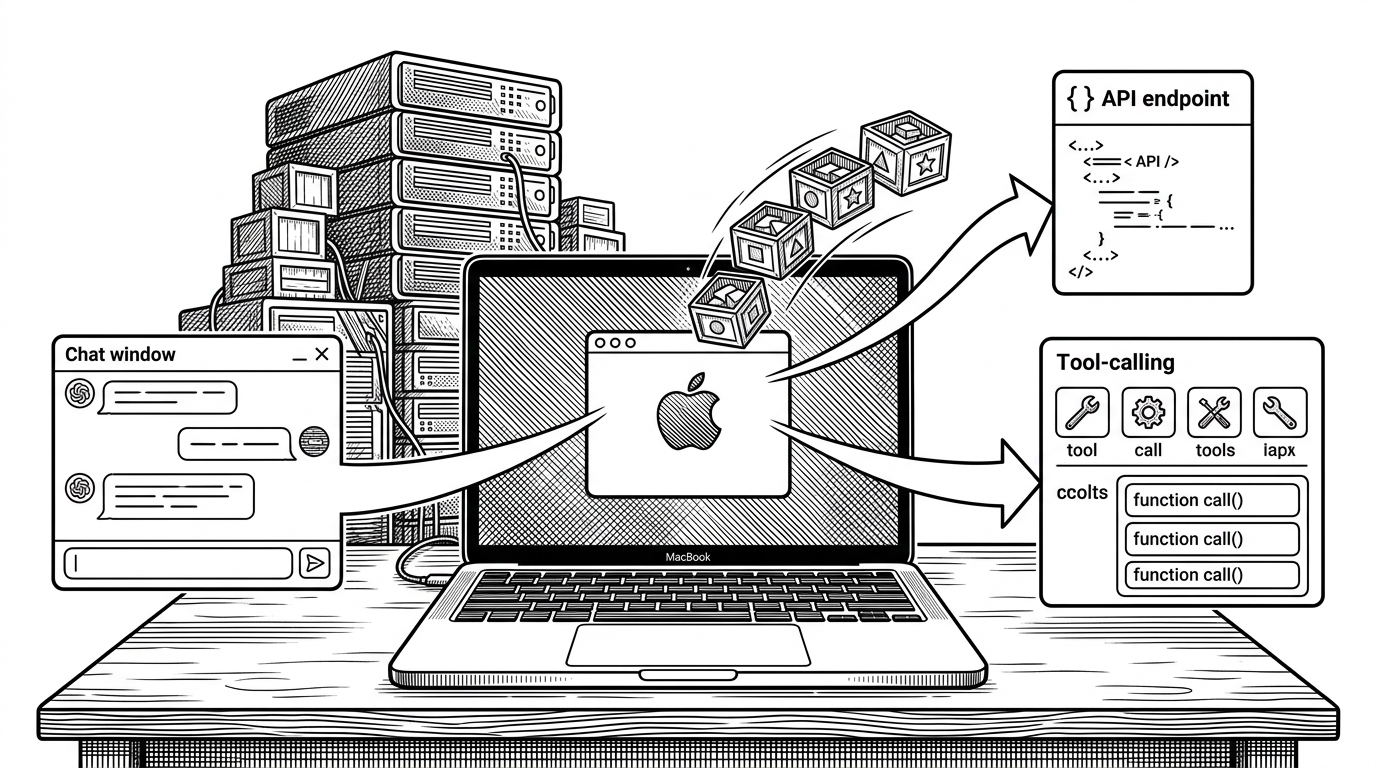
Introducing... Gemma 4 Multimodal Fine-Tuner for Apple Silicon - LoRA fine-tunning toolkit for Gemma LLM - runs locally on macOS via PyTorch and Metal - streams data from Google Cloud to your machine - fine-tune on audio, image and text - easy-to-use CLI wizard If you want ht
- This repo is really about preventing expensive mistakes in multimodal fine-tuning, not just making Apple Silicon look capable.
- Its strongest feature is a chain of explicit checks that blocks silent fallback, bad precision assumptions, and model-library mismatches before training wastes time.
- The wizard, visualizer, and cloud-streamed data path turn a local Mac into a controlled training bench, not an isolated toy setup.
- Its trade-off is narrowness: it solves one hard workflow with unusual care, but it does not try to be a universal training stack.
Why this repo matters
Most local training repos optimize for convenience and hope the user notices when something is off. gemma-tuner-multimodal takes the opposite stance. It treats multimodal fine-tuning as a system that can fail quietly, then builds checks around the failure points before a long run ever starts.
That is why this project feels more like a reliability layer than a hardware demo. Apple Silicon is the surface story. The deeper story is that the repo makes a consumer Mac behave like a trustworthy lab bench for models that can see, hear, and text their way through training.
The hidden problem: multimodal models fail quietly
| Failure mode | Generic script | This repo |
|---|---|---|
| Wrong model class | May silently load a text-only path and drop multimodal towers | Inspects the architecture and refuses to pretend the fallback is fine |
| Precision support | Assumes the backend will handle bfloat16 | Runs an MPS preflight that tests forward and backward behavior |
| Library mismatch | Leaves PEFT or transformer incompatibilities to the user | Applies runtime compatibility patches for Gemma 4 internals |
| Data scale | Often expects local files and manual shuffling | Streams cloud data into local compute on demand |
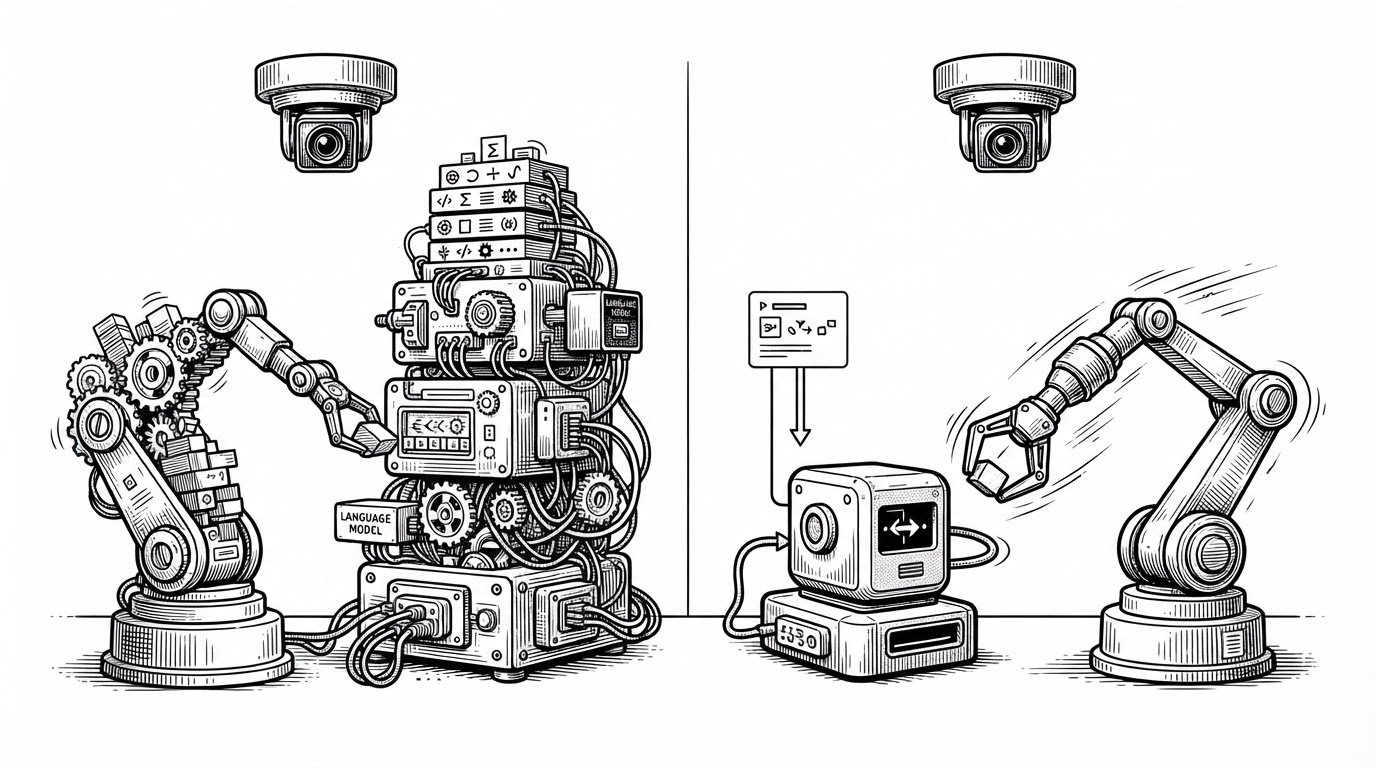
The two big traps are easy to miss. First, a multimodal checkpoint can be loaded through the wrong class and quietly lose its non-text towers. Second, Apple’s MPS backend can look compatible at first and still fail during backward passes, which means the first sign of trouble arrives after time and compute are already spent.
What the stack is actually doing
The codebase is built around a typed configuration object, ProfileConfig, which acts like a strict control surface instead of a loose pile of environment variables. That matters because this kind of workflow has too many optional branches to trust ad hoc config files. The repo uses a custom sentinel to distinguish “unset” from “explicitly set to none,” which keeps defaults from masking user intent.
# Conceptual shape of the config pattern
config = ProfileConfig(
    model="gemma-4",
    modality="multimodal",
    backend="mps",
)

if config["model"] is _UNSET:
    raise ValueError("Model must be selected before training")

# Attribute and dict-style access both work
print(config.model)
print(config["backend"])
From there, base_model_loader.py acts as the gatekeeper. It inspects the model architecture and decides whether the loader should treat the checkpoint as conditional generation, not just generic causal language modeling. That distinction is the difference between a correct multimodal setup and a long, misleading training run.
The patch layer is just as important. Gemma 4 introduced model internals that did not line up cleanly with PEFT’s expectations, so the repo patches compatibility at runtime rather than asking users to reverse-engineer the mismatch themselves. The trainer then adds MPS-aware checks, including a mini simulation that verifies bfloat16 is usable in practice, not just present in a capability flag.
The wizard is the product
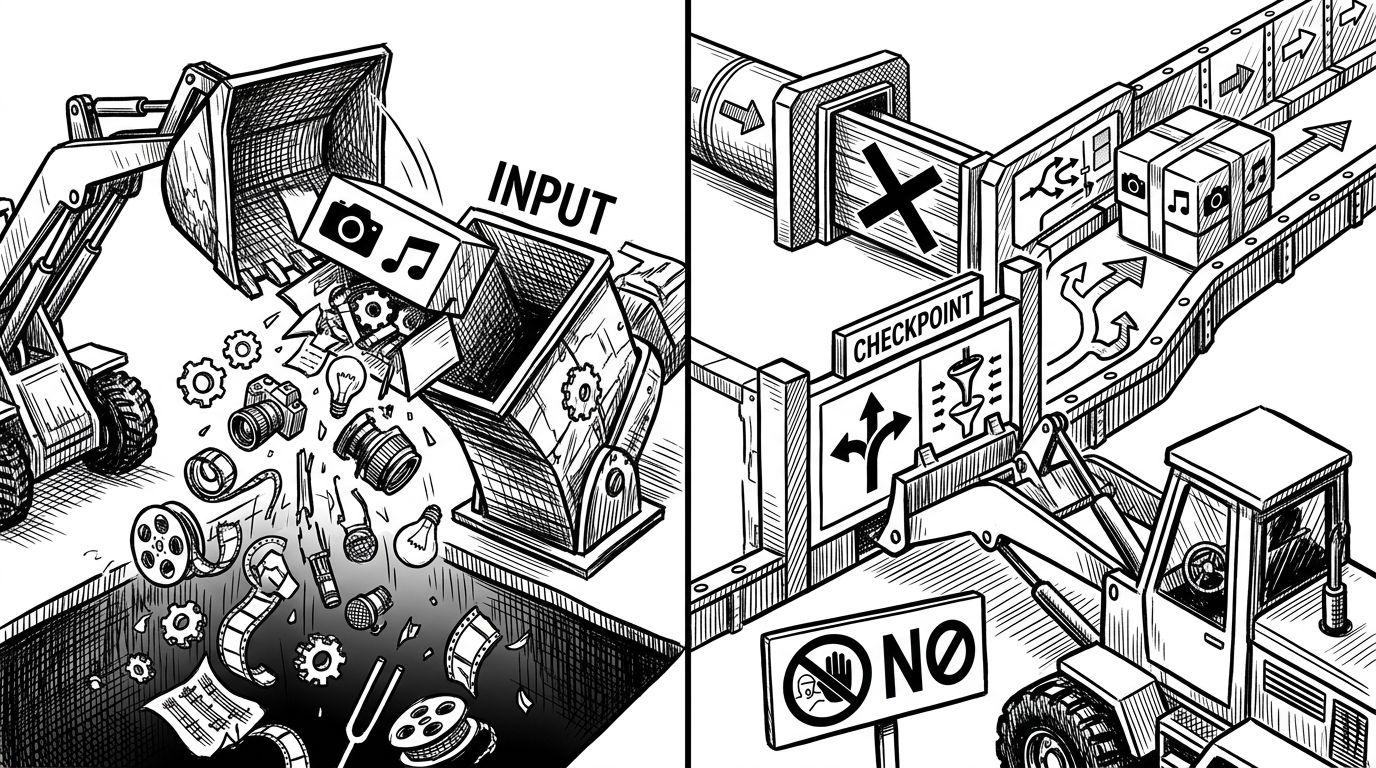
The CLI wizard is not decoration. It is the front door for the repo’s main idea: check the machine, check the model, check the data path, then train. That sequence lowers the cost of trying something ambitious on Apple Silicon because it removes a lot of the hidden failure states that usually push users back to notebook snippets and guesswork.
This is where the developer experience becomes part of the technical thesis. If the workflow is opaque, users stop trusting the results. If the workflow is explicit, they can tell which part failed, which part was patched, and which part is actually safe to repeat.
Cloud data, local compute
| Dimension | Local-only training | Cloud-streamed local training |
|---|---|---|
| Storage | Needs the full dataset on the machine | Pulls shards when needed |
| Privacy | Can be self-contained | Can still keep raw data off the laptop |
| Scale | Bounded by SSD capacity | Bounded more by compute than storage |
| Workflow | Manual dataset handling | Training and data movement stay coordinated |
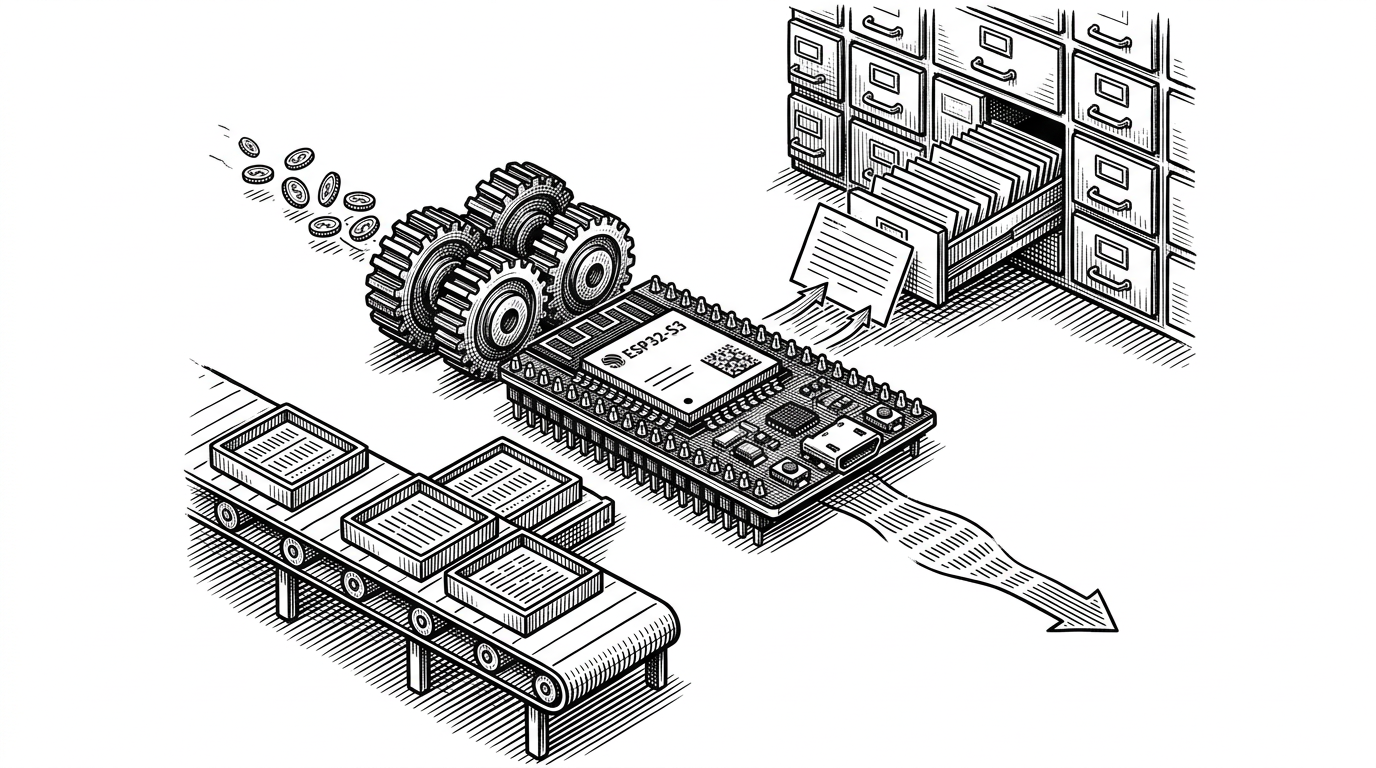
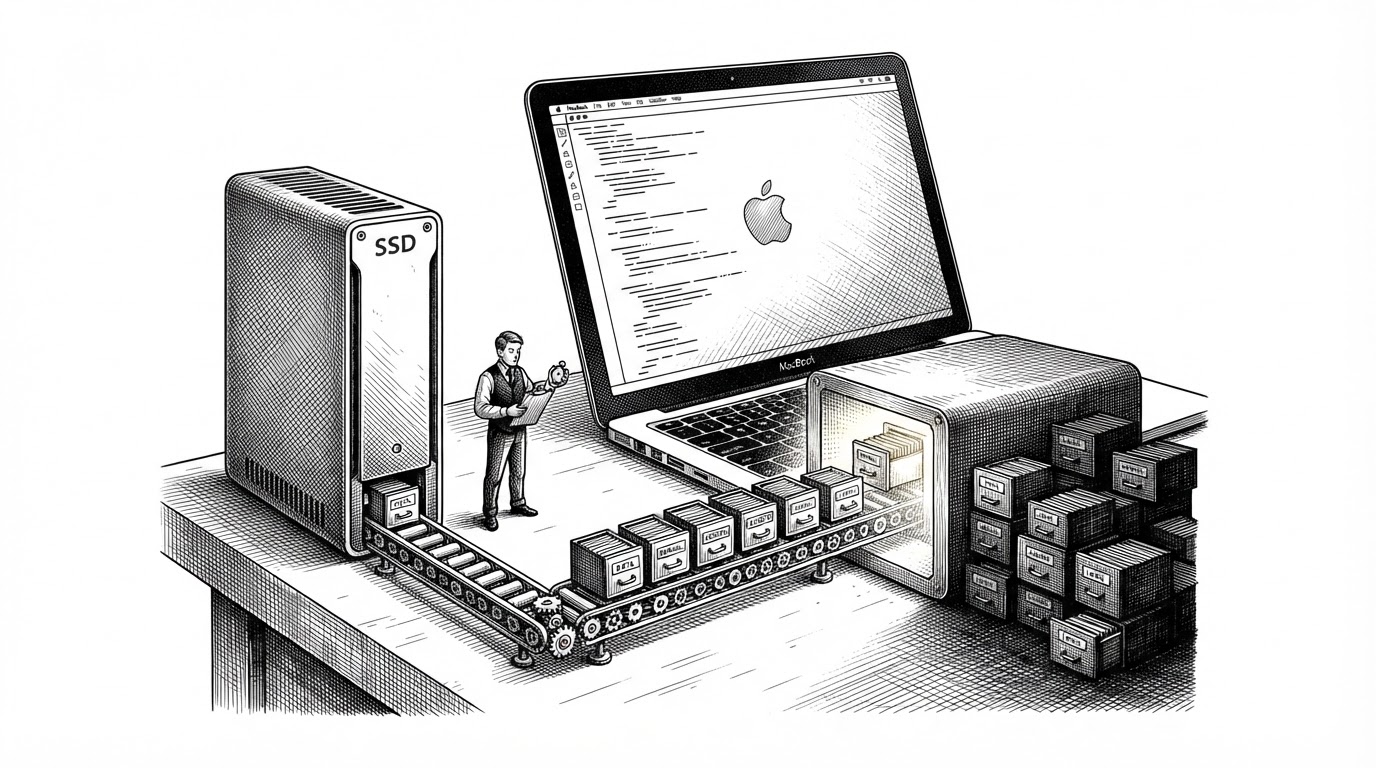
That cloud layer is a quiet power move. It means the Mac is not asked to be a warehouse, only a reliable executor. For teams working with private or domain-specific datasets, that changes the shape of the workflow more than a raw benchmark number ever could.
How it compares to the usual way
| Approach | What it optimizes | Where it struggles | Best fit |
|---|---|---|---|
| Generic Hugging Face script | Breadth and quick experimentation | Can be brittle around multimodal loaders and hardware quirks | Researchers who already know the stack |
| CUDA-first multimodal stack | Throughput and ecosystem maturity | Requires NVIDIA hardware and a different operational model | Teams with dedicated GPU infrastructure |
| gemma-tuner-multimodal | Correctness on Apple Silicon, safer multimodal setup, cloud-fed data | Narrower scope and a younger ecosystem | People who want local iteration on a Mac without silent failures |
This repo is not trying to beat CUDA on its own terms. It is trying to make one constrained path dependable. That is a better ambition than universal compatibility, and in practice it is often the more useful one.
Who built this, and who it is for
The maintainer is Matt Mireles, with Jason Titus listed as a contributor in the repository. The project is still in an early, fast-moving stage, which fits the code shape: strong opinions, specific guardrails, and a willingness to patch around real model-library friction instead of pretending the friction is theoretical.
The people who benefit most are the ones who want local iteration without giving up multimodal work: solo builders, researchers, and teams that care about privacy or constrained hardware. It is especially appealing if you already live in the Apple ecosystem and want the machine you own to do real training work instead of just remote orchestration.
The trade-off
The cost of this approach is obvious. It depends on a specialized machine, a moving model ecosystem, and a lot of practical maintenance around compatibility. But that is also why the project matters. It makes a difficult path feel deliberate, checked, and survivable, which is exactly what most multimodal training stacks fail to do.