google-ultra: The Trial Economy: Why a Google One Free-Trial Tool Went Viral and What Platforms Do About It
Hidden offers, eligibility checks, and the retroactive detection stack that makes subscription fraud a cleanup problem, not a gatekeeping one.
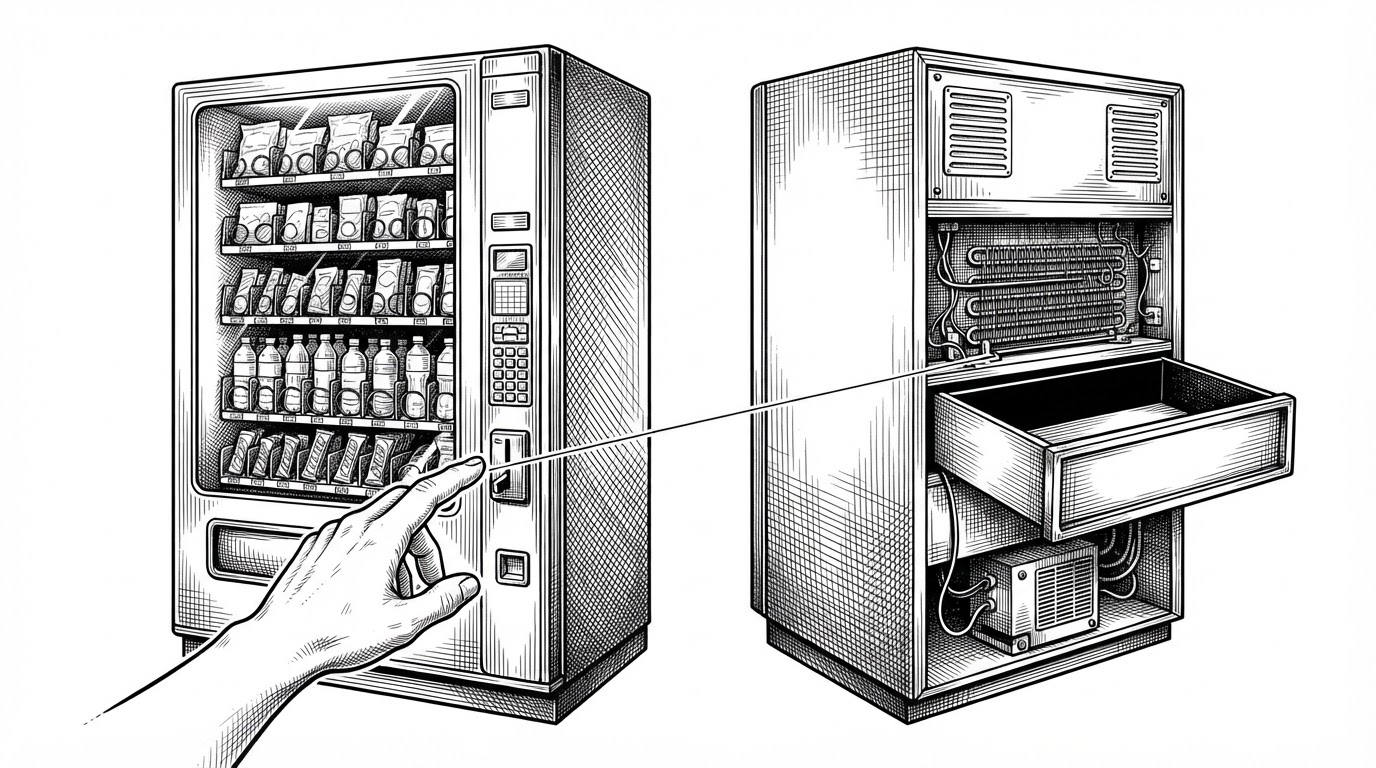
- Free trials are a pricing instrument aimed at specific segments, so an offer that never appears in the UI can still be deliberate.
- A one-time eligibility is a scarce, spendable, resellable asset, which is why gray markets form around billing-layer gaps rather than interface bugs.
- Most trial abuse is caught after checkout by pattern and reputation scoring, because blocking at the door is more expensive and more brittle than reconciling later.
- Every mitigation raises the cost of the next attempt, so the arms race is a tax both platforms and abusers keep paying.
One product, two prices
Ask the Google One app what a subscription costs and you get one answer. Ask the billing layer underneath it and you can get another. The plans page shows the price you are meant to see. The Play Billing response can carry offers the page never mentions.
gylive/google-ultra is the project that made that gap famous. Its README states the claim directly: a 12-month trial for AI Ultra that never appears in any UI, only inside the offers returned by Play Billing.
Whether that specific offer is still live matters less than it seems. Issue reports suggest it stopped working for many users within days. What outlived the tool is the question it exposed: how much of a product's pricing lives below the surface, and why does the interface show only part of it?
Trials are a pricing instrument
Free trials are not gifts. They are a pricing instrument, and instruments get pointed at targets.
Companies run offers they never advertise because advertising them changes behavior. A retention offer shown to everyone becomes the price everyone expects. A regional or partner offer shown at the wrong moment eats full-price sales. The offer stays in the billing layer, where it can be matched to an audience, and out of the interface, where it becomes a public commitment.
So hidden does not mean unintended. It means not for you, yet. The offer is real, priced, and deliberate. It is just addressed to a segment the front page never names.
Google One ships a 12-month free trial for AI Ultra. It never shows up in any UI — not on the plans page, not in the app. It only exists inside the offers returned by Play Billing.
The gray market that forms around a gap
A one-time eligibility is a strange kind of asset. It cannot be copied, but it can be spent, and once spent it is gone. Anything scarce, spendable, and easy to hand to someone else attracts a market.
That is what forms around a billing-layer gap. Not a bug being exploited, but a scarce entitlement being resold. The economics are simple: the platform prices the trial at zero for a reason, and a reseller prices it at whatever the market will bear.
| Legitimate trial user | Gray-market reseller | |
|---|---|---|
| Optimizing for | Access to the product | Resale value of one-time eligibility |
| What they cost the platform | Acquisition cost, expected to convert | Fraud loss, support load, attestation pressure |
| What the platform does | Retention offer, upsell | Retroactive clawback, reputation penalty |
These tools tend to spread through specific language communities first, because trust travels along existing networks. The Linux.do thread that linked google-ultra is the pattern: a repo appears, a forum picks it up, and usage reports mix with error reports within hours.
Defense is retroactive, not preventive
Here is the part most people get wrong. Platforms usually do not stop trial abuse at checkout. They let it through and clean it up afterward.
Blocking at the door is expensive and brittle. Every false positive turns away a paying customer, and eligibility is hard to judge in the moment. So the cheap move is to complete the transaction, collect signals, and reconcile later.
The signals accumulate over hours to days: server-side receipt validation, Play Integrity attestation, device age, account history, payment method reputation. None of these is a gate on its own. Together they are a score.
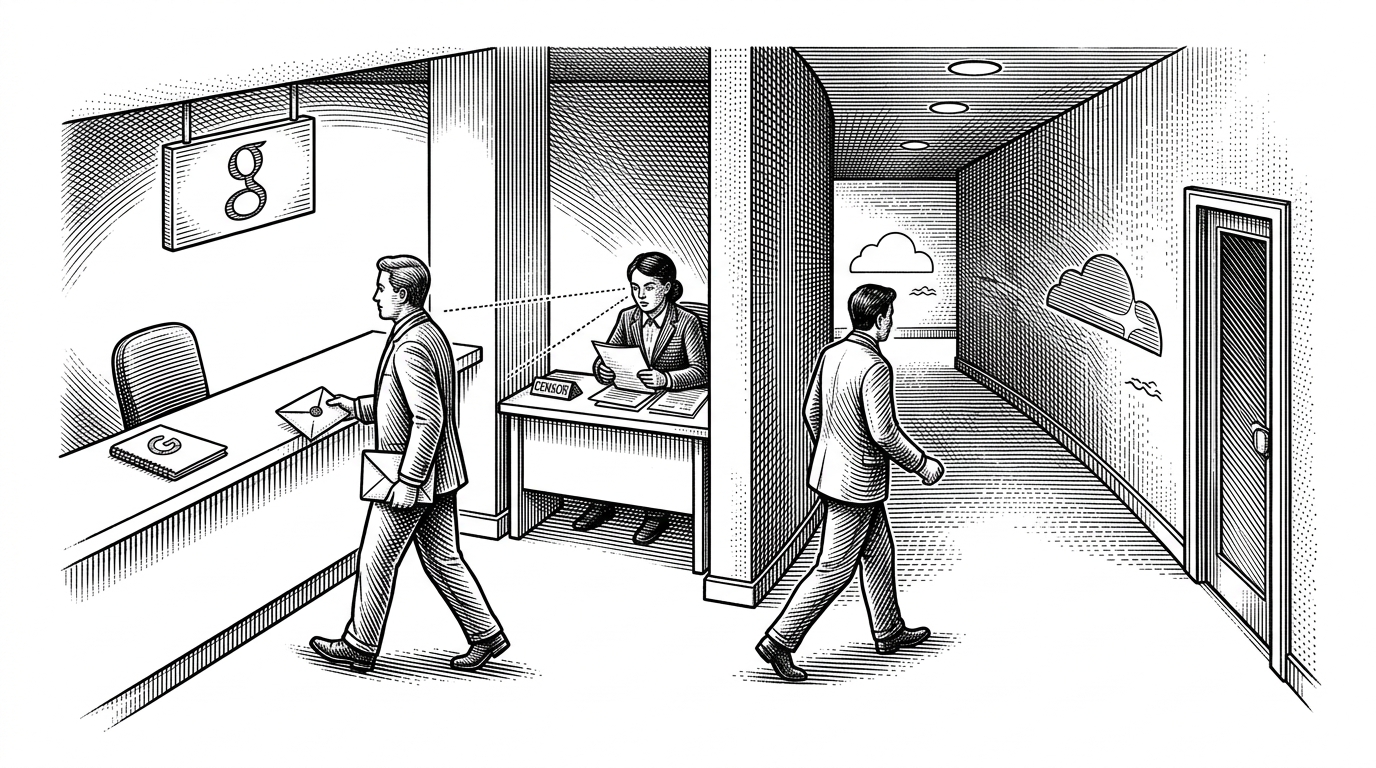
When the score crosses a threshold, the platform acts retroactively. The charge is reversed, the account is flagged, and the eligibility is burned. The user who thought they got in finds out days later that they did not.
The arms race is structural
Each mitigation raises the cost of the next attempt. Attestation makes rooted devices harder. Reputation scoring makes fresh accounts less valuable. Receipt validation makes client-side tricks less useful.
But cost is not prevention. It is a tax. The abuser pays more per attempt, the platform pays more to run the checks, and the gap that started it all stays open because the offer is still real.

What the repo actually shows
Strip away the hype and google-ultra is small. A repository snapshot reports 5 stars and 5 forks, MIT licensed, with a browser tool and a Python script. It is a proof of concept, not an operation.
It is also, by its own issue tracker, mostly dead. Reports of 403s, unavailable items, login detection, and checkout errors pile up. The 12-month offer reportedly stopped working for many users while a shorter one lingered.
This repo gets that offer, opens the Play checkout with it, and stops at $0.
The honest reading is that the repo did not create the gap. It demonstrated that the gap existed and that a checkout could walk into it. The obvious path got closed, and the underlying structure, offers that live in billing but not in the UI, is unchanged.