CloudSpace: The Architecture of the Elegant Pointer
How a minimalist Flutter implementation solved the 'Heavy Blob' problem using Firebase as a reactive metadata index.
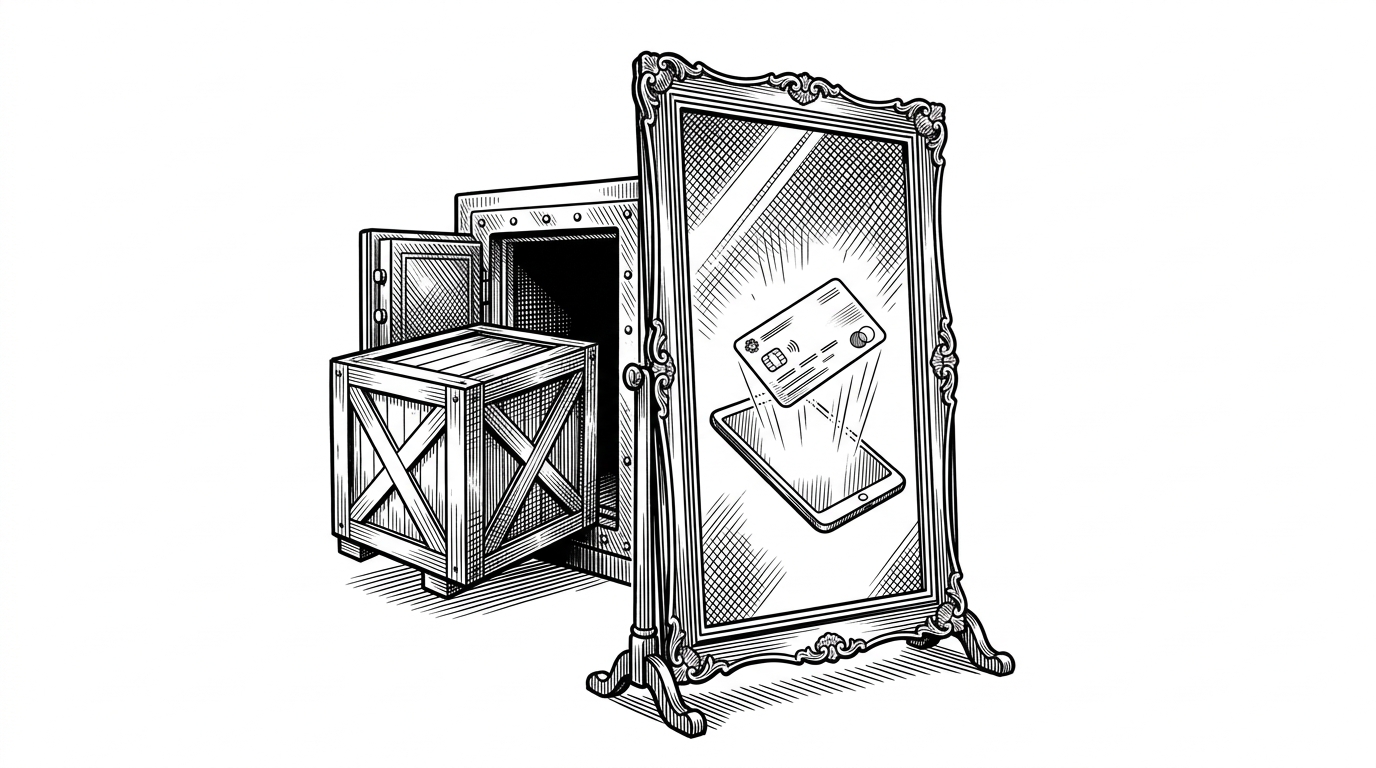
- CloudSpace treats the database as a reactive metadata index to avoid the high latency of querying object storage directly.
- The architecture utilizes a two-phase commit that separates binary file uploads from the registration of structural identity.
- The implementation favors Backend-as-a-Service minimalism by embedding cloud logic directly into Flutter widgets to eliminate boilerplate.
The Metadata Mirror
Modern cloud storage applications often fall into a predictable trap. They ask the storage bucket for a list of files, wait for the network, parse the heavy response, and then render the UI. CloudSpace flips this mental model entirely. It never browses the storage bucket. Instead, it listens to a database.
Built in 2019, the repository serves as a pristine time capsule of Backend-as-a-Service (BaaS) minimalism. The core logic lives in myUploadsPage.dart, where a single StreamBuilder connects directly to the Firebase Realtime Database. The UI does not need a refresh button. It treats the database as the absolute single source of truth.
The Heavy Blob Handoff
The architecture truly shines in how it handles data ingestion. In uploadPage.dart, the application orchestrates a two-phase commit that separates the physical file from its structural identity.
First, the binary data (the image) is pushed to Firebase Storage. This is the 'heavy blob'. Storage buckets are designed for massive capacity, not rapid querying. Once the upload finishes, Firebase returns a secure download URL. In the second phase, CloudSpace immediately writes this URL to the Realtime Database under an 'images' node. The NoSQL database acts as a lightning-fast index for the slow, unstructured object store.
Architecture Without the Overhead
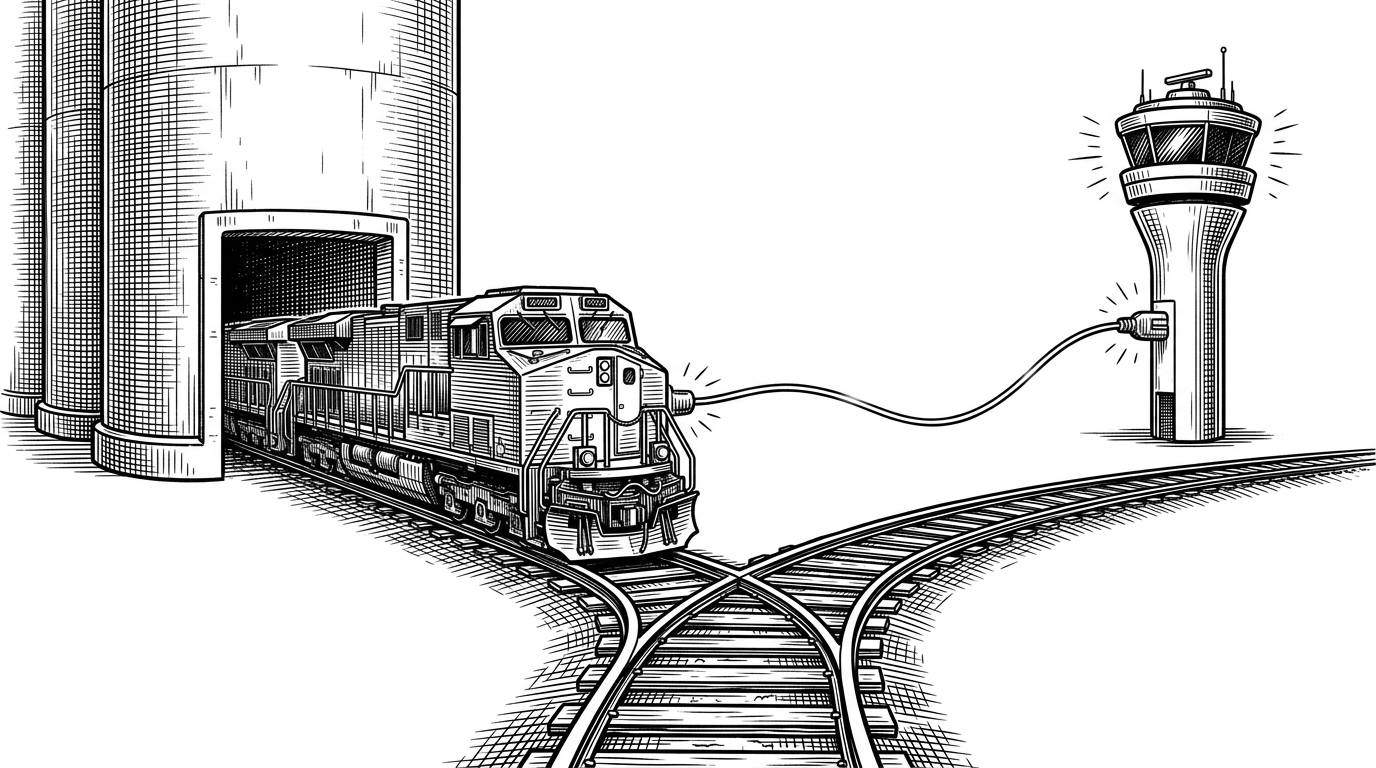
Looking at CloudSpace through the lens of modern enterprise Flutter development reveals a stark contrast. Today, developers rely on complex state management libraries like Riverpod or Bloc to decouple the UI from business logic. CloudSpace ignores this entirely. It employs a 'Massive View Controller' pattern, embedding Firebase API calls directly inside widget build methods.
For a production application at scale, this tightly coupled logic becomes a testing nightmare. However, for a proof-of-concept or a personal utility, this direct View-to-Service pattern is a feature rather than a bug. It eliminates boilerplate, making the relationship between the user action and the cloud response immediately legible.
| Parameter | BaaS Minimalism (CloudSpace) | Modern Enterprise Flutter |
|---|---|---|
| State Management | SetState & StreamBuilder | Riverpod / Bloc |
| Data Fetching | Direct Firebase Stream | Abstracted Repository Pattern |
| Dependency Injection | None (Global Instances) | GetIt / Injectable |
| Setup Time | Minutes | Hours |
The Local Bridge
The final piece of the architecture brings the cloud back to the physical device. The detailPage.dart file handles the transition from viewing a remote asset to owning it locally. It utilizes the Dio networking package alongside path_provider to fetch the binary data using the indexed URL and write it directly to the device's sandbox.
This local bridge completes the cycle. The application acts as a two-way valve, pushing local heavy assets into the cloud index and pulling them back down on demand. By stripping away abstractions, CloudSpace reveals the raw mechanical truth of how mobile applications talk to the cloud.