mise-en-place: Engineering the Frictionless Household
How a "Household-first" architecture and a sophisticated ingestion engine turn the messy web into a structured culinary command center.
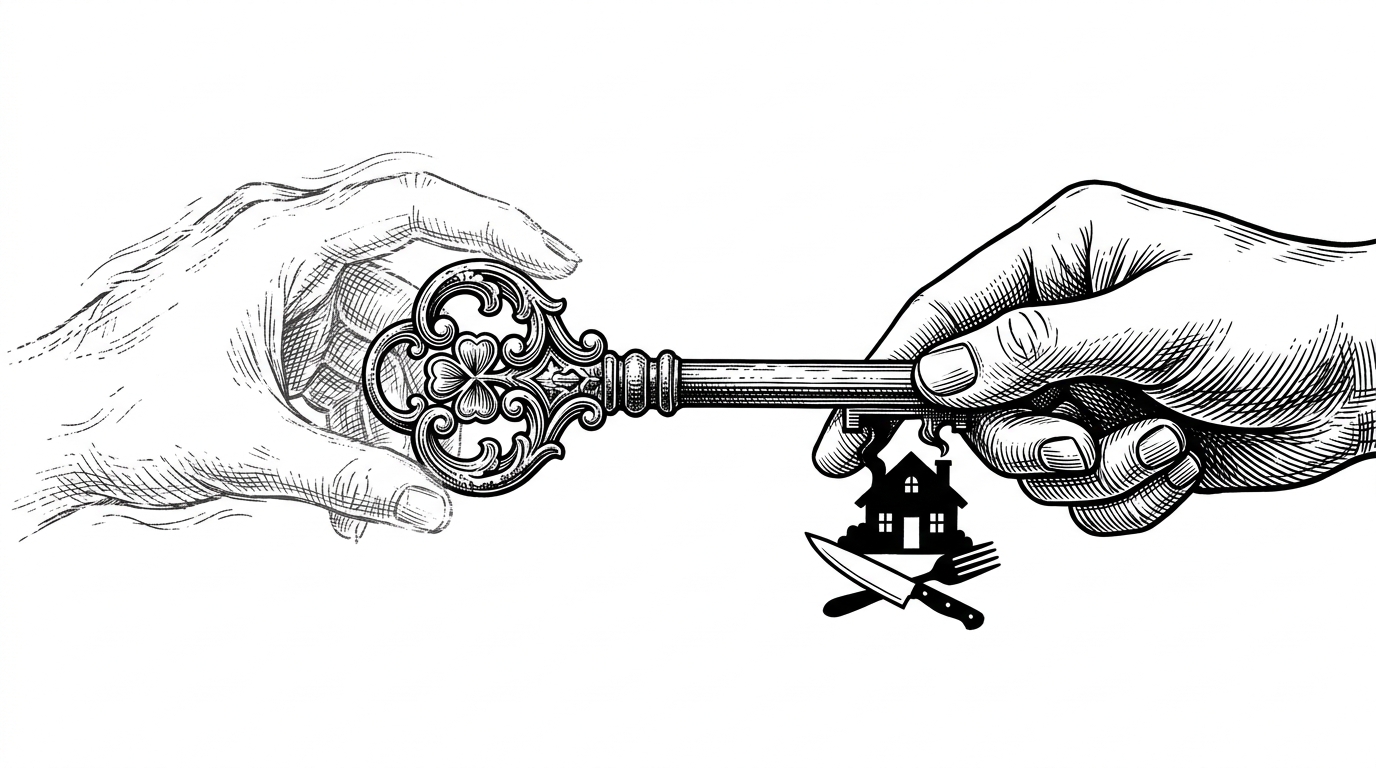
- The application architecture prioritizes the household as the primary database entity instead of the individual user.
- A lazy onboarding flow allows anonymous guests to build complete digital kitchens before committing to a permanent account.
- A multi-stage ingestion engine uses heuristic scoring to select the highest quality data from messy web sources.
- The project leverages Cloudflare D1 and Next.js 15 to deliver low-latency performance for stateful household management tasks.
Most consumer applications treat the user as the center of the universe. Sharing is usually a bolted-on afterthought. This creates a friction-heavy onboarding process where you must create an account, verify an email, and build a profile before you ever see the core product value.
The open-source project mise-en-place flips this script entirely. It treats the "Household" as the primary entity. Users are simply actors who move in and out of it.
This architectural choice allows for a powerful "lazy onboarding" flow. A user can build a full digital kitchen with recipes, shopping lists, and a wine cellar entirely as an anonymous guest. They can then claim that exact state into a permanent account later. It is a masterclass in using Cloudflare's Edge to build a high-stakes local-first CRUD app.
The Household as the Root
The technical backbone of this approach lives in the Prisma schema. Almost every entity in the database belongs to a HouseholdID rather than a UserID. This relational structure inherently supports multi-tenancy at the family level.
To manage who can do what, the application abstracts authorization into a clean AccessContext object. This context determines if the current requester is a logged-in owner, a registered member, or a guest using a signed session cookie.
The "Claim Household" logic is a sophisticated UX pattern. It relies on a shareTokenHash and cookie-based guest sessions. This allows users to start organizing their culinary life immediately. When they are ready to commit, the system elevates their temporary data to a permanent account seamlessly.
Cleaning the Kitchen: The Ingestion Engine
Recipe applications live or die by the ease of adding content. The web is messy, filled with inconsistent HTML formatting, SEO fluff, and varying measurement units. Instead of a binary pass/fail scraper, mise-en-place employs a multi-stage ingestion engine.
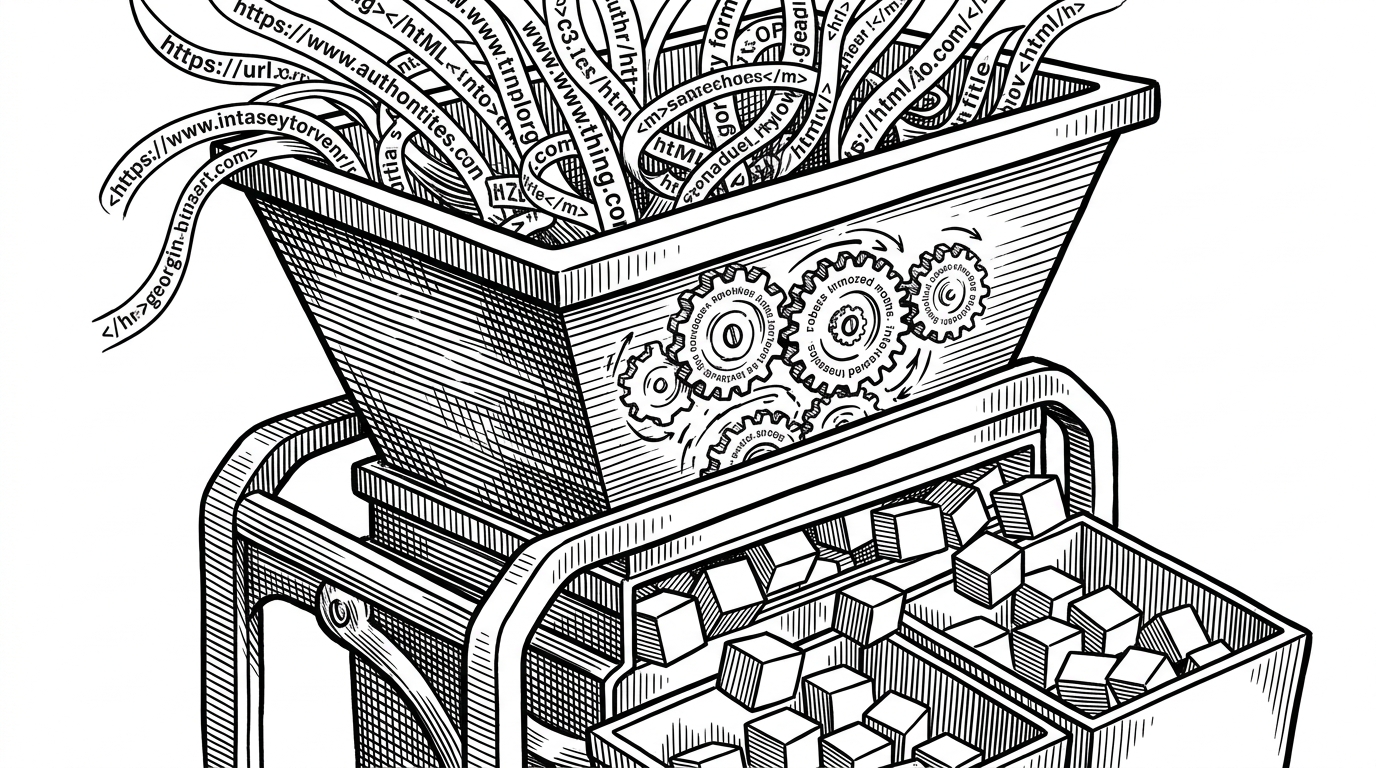
The pipeline attempts to extract structured data using a Markdown-first approach before falling back to HTML adapters. It specifically targets common recipe plugins to deduplicate content. Crucially, it scores the quality of the import using a heuristic algorithm.
The system rewards the presence of clear titles and penalizes lopsided data (like having ingredients but missing instructions). This allows the application to pick the best candidate when multiple scrapers return data.
Living on the Edge
The application runs on a bleeding-edge stack consisting of Next.js 15, Tailwind v4, and Cloudflare D1. Using Prisma ORM with Cloudflare D1 is a non-trivial setup that requires specific adapters and OpenNext configurations.
This edge-native deployment ensures incredibly low latency. The database sits close to the user, making heavy, stateful interactions like drag-and-drop meal planning feel instantaneous.

Orchestration vs. Organization
When comparing mise-en-place to traditional digital recipe boxes, the distinction lies in its ambition. It is not just a place to store links. It is an orchestration engine for the household.
| Feature | Traditional Recipe Apps | mise-en-place |
|---|---|---|
| Primary Entity | The Individual User | The Household |
| Onboarding | Rigid account creation required | Anonymous-first guest sessions |
| Data Ingestion | Binary link scraping (pass/fail) | Heuristic scoring pipeline |
| Categorization | Manual tagging | Automated ingredient taxonomy |
By combining edge-computing performance with a rigorous approach to data sanitization, the project elevates household management to a first-class engineering problem.