workflow-wire-tap: Inspecting the Infinite Loop: Inside Workflow Wire Tap
How a "sidecar" pattern for Vercel Workflows turns the black box of durable execution into a real-time developer workbench.
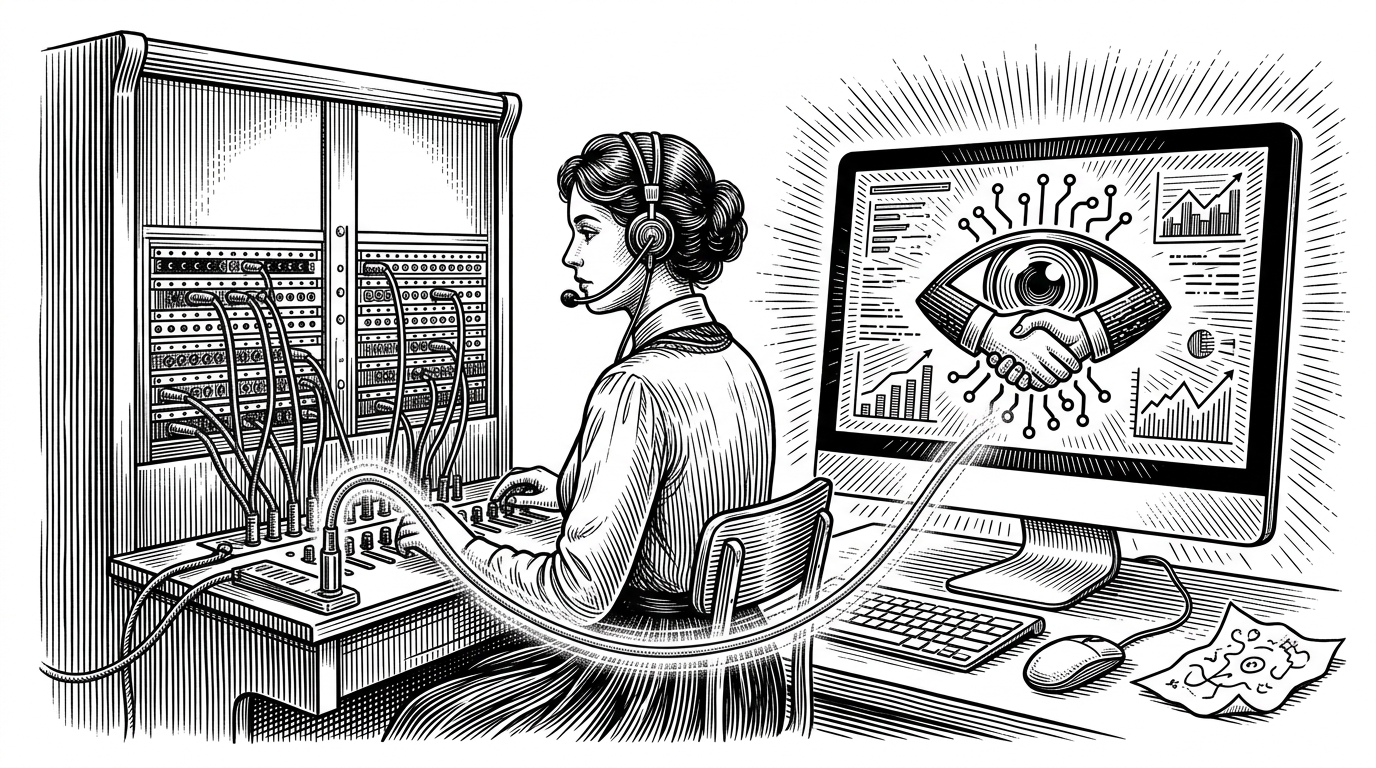

The Workflow Development Kit (WDK) is an open source TypeScript framework that makes durability a language-level concept. It runs on any framework, platform, and runtime. Functions can pause for minutes or months, survive deployments and crashes, and resume exactly where they stopped.
- The Wire Tap pattern treats background workflows as live broadcasts rather than static batch jobs.
- A dedicated API route converts internal workflow events into a real-time Server-Sent Events stream for the frontend.
- The system maps streaming JSON events to specific lines of source code to create a live-tracking IDE experience.
- This sidecar architecture provides deep visibility into durable functions without requiring complex infrastructure or databases.
The Observable Execution
Most developers think of background workflows as "set and forget." You dispatch a job to a queue, and maybe, if you're lucky, you get a webhook when it finishes. But workflow-wire-tap introduces a profound technical surprise: the run.getReadable() pattern. It treats a background process not as a batch job, but as a live broadcast.
By repurposing the classic "Wire Tap" enterprise integration pattern for the streaming era, it turns invisible backend state into a real-time, side-by-side Control Room UI. You can subscribe to a running durable function exactly like you would subscribe to a Twitch stream.
Breaking the Black Box
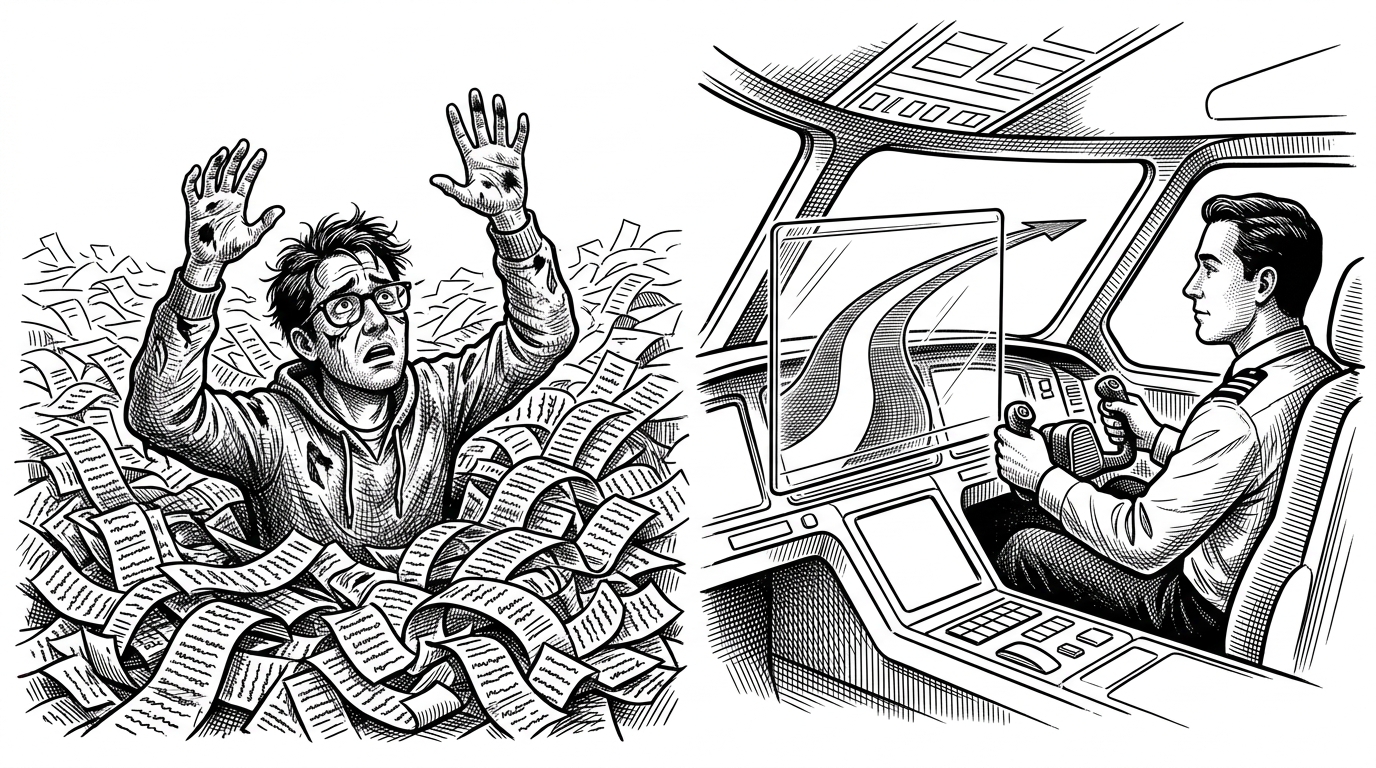
The primary tax on modern AI development is the "Black Box" problem. When a durable workflow or an autonomous agent runs for ten minutes and then fails, developers are usually left scrolling through thousands of lines of static, disconnected logs. Traditional console.log fails when a process spans multiple days or serverless invocations.
Anatomy of a Tap
The core of the repository is the app/api/readable route. It converts internal workflow events into a standards-compliant Server-Sent Events (SSE) stream for the frontend. Using the Web Streams API, it wraps raw workflow chunks into the required format without buffering.
export async function GET(req: Request, { params }: { params: { runId: string } }) {
  const run = await workflow.getRun(params.runId);
  const stream = await run.getReadable();

  const sseStream = stream.pipeThrough(
    new TransformStream({
      transform(chunk, controller) {
        controller.enqueue(`data: ${JSON.stringify(chunk)}\n\n`);
      },
    })
  );

  return new Response(sseStream, {
    headers: {
      'Content-Type': 'text/event-stream',
      'Cache-Control': 'no-cache',
      'Connection': 'keep-alive',
      'X-Accel-Buffering': 'no',
    },
  });
}
The Developer Workbench
The React UI maps incoming stream events to specific lines of source code. By maintaining a line map on the server and syncing it with the incoming SSE events via an AbortController, it creates a live-tracking IDE experience directly in the browser.
Lightweight Durability
Compared to heavyweight engines, the Vercel Labs approach operates as a lightweight sidecar. It requires zero infrastructure setup, leaning entirely on Next.js route handlers and the Vercel Workflow DevKit.
| Feature | Workflow Wire-Tap | Temporal | Inngest |
|---|---|---|---|
| Mechanism | Sidecar / Middleware Tap | Centralized Orchestrator | Event-Driven SDK |
| Setup Overhead | Zero (Next.js Route) | High (Docker/Database) | Low (Cloud/Dev Server) |
| Visibility | Real-time Streaming UI | Poll-based Web UI | Dashboard Aggregation |
This pattern is the prerequisite for true agentic workflows. When an AI agent loops autonomously, you don't just need to know if it finished; you need to watch it think.