S2Arm Puts the Emulator in the Build
Instead of interpreting a Switch game at runtime, S2Arm rewrites its ARM64 code ahead of time and runs it natively on an iPhone, iPad, or Mac. The hard translation happens once, before you press play.
- S2Arm moves the entire translation problem out of runtime and into the build, so the shippped app is native code with no CPU interpreter in the loop.
- Graphics calls from the guest NVN API are redirected to Metal on Apple silicon and Vulkan on Android, while system services come from a native host rather than the guest OS.
- The repository is governed by AGENTS.md rules written for AI coding agents, with a CLI (s2armctl) explicitly built to be driven by an assistant.
- Support is deliberately narrow (64-bit AArch64 only, no 36-bit address space), every performance figure is project-reported, and the project warns that an unaffiliated site is collecting donations under its name.
The Emulator Is the Build
A conventional Switch emulator pays for translation on every frame, forever. It fetches a guest instruction, decodes it, dispatches it, and repeats. That interpreter loop is the cost of admission, and it sits between the game and the CPU on every draw call and every physics tick for as long as the app runs.
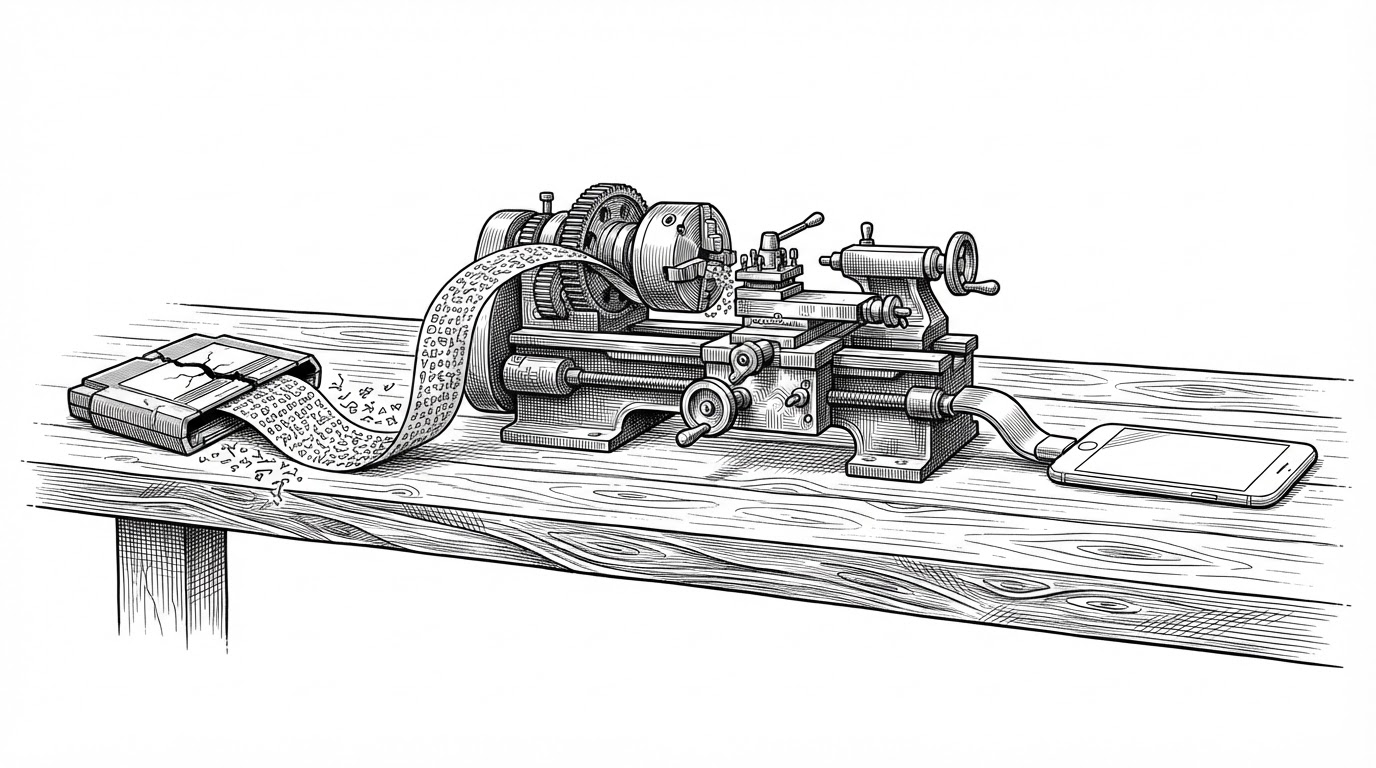
S2Arm does not emulate. It pays the translation cost once, at build time. The game's ARM64 code is rewritten ahead of time into native code that the host CPU executes directly. What ships to the device is a native app with no interpreter in the loop. The performance shape of the whole program changes when you remove that layer, because the steady-state work stops including a per-instruction tax.
The game's own ARM64 code is rewritten at build time and then runs directly on the processor in your iPhone, iPad or Mac.
That single decision is the project. Everything else in the repository, the launchers, the shared iOS library, the per-game Android APK, the automation surface, is downstream of choosing to translate at build time instead of at runtime.
Where the Work Goes
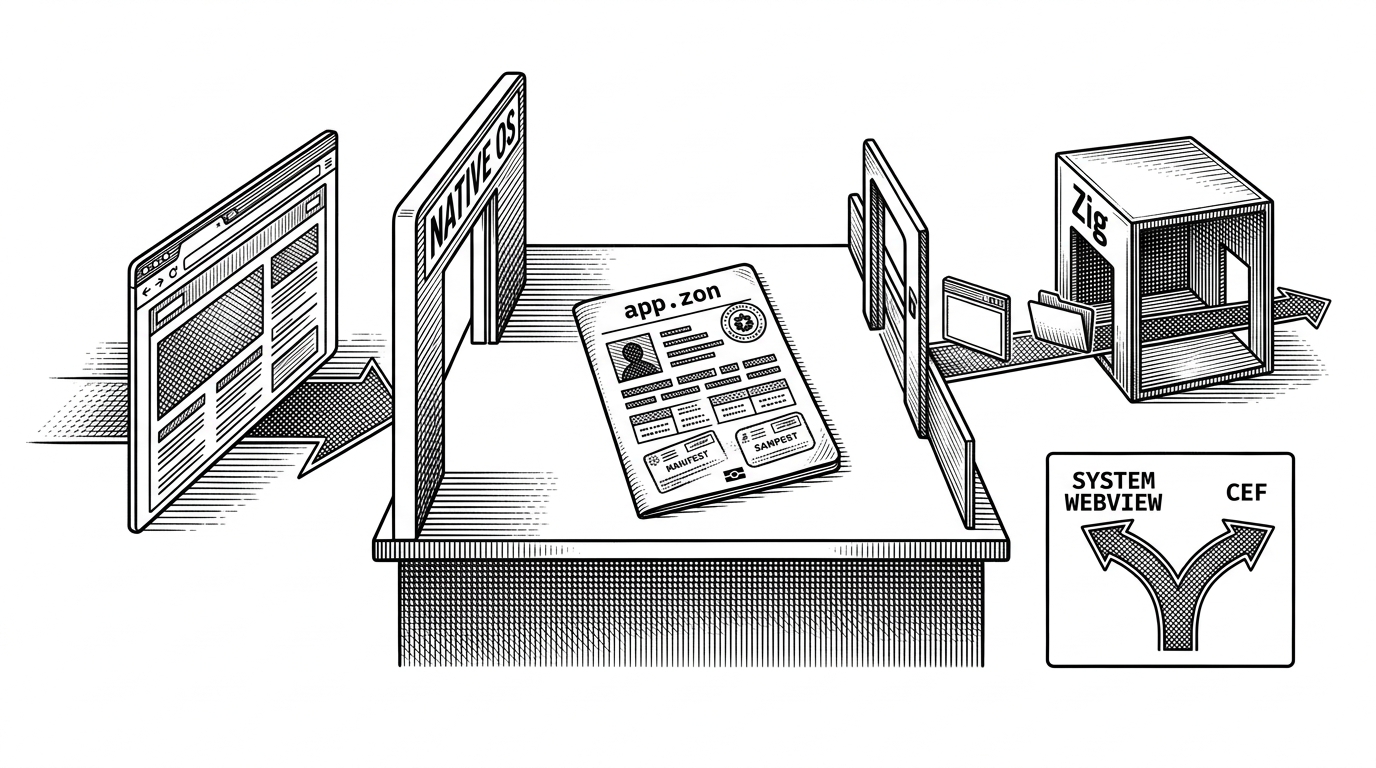
If the interpreter is gone, the translation has to live somewhere else. S2Arm splits it into three tracks. First, guest ARM64 instructions are rewritten into native code before the app is ever launched. Second, graphics calls that the game makes through NVN, Nintendo's graphics API, are translated to Metal on Apple platforms and to Vulkan on Android. Third, system services that a game would normally ask the guest operating system for are answered by a native host instead.
The repository layout mirrors this split. The shared NVN frontend lives in graphics/nvn/gfx/nvn/, with a Metal backend in nvn_mtl.m and a Ryujinx-derived Vulkan backend under graphics/vulkan/. The ARM64 rewriter sits in runtime/. C# services, built with NativeAOT, live in cs/. The Android host code is mostly C and Java under android/.
One build file makes the split concrete. android/CMakeLists.txt builds a single native library and refuses to accept an old backend value, failing the build with a message instead of silently falling back. That is the project's stated rule applied to build configuration: report red, do not fall back.
The Repo That Writes Itself
The second surprise is who the repository is written for. Two files, AGENTS.md and android/AGENTS.md, are written as instructions to AI coding agents. They read less like a style guide and more like operating law, and they encode rules that look like guardrails written after recurring failures.
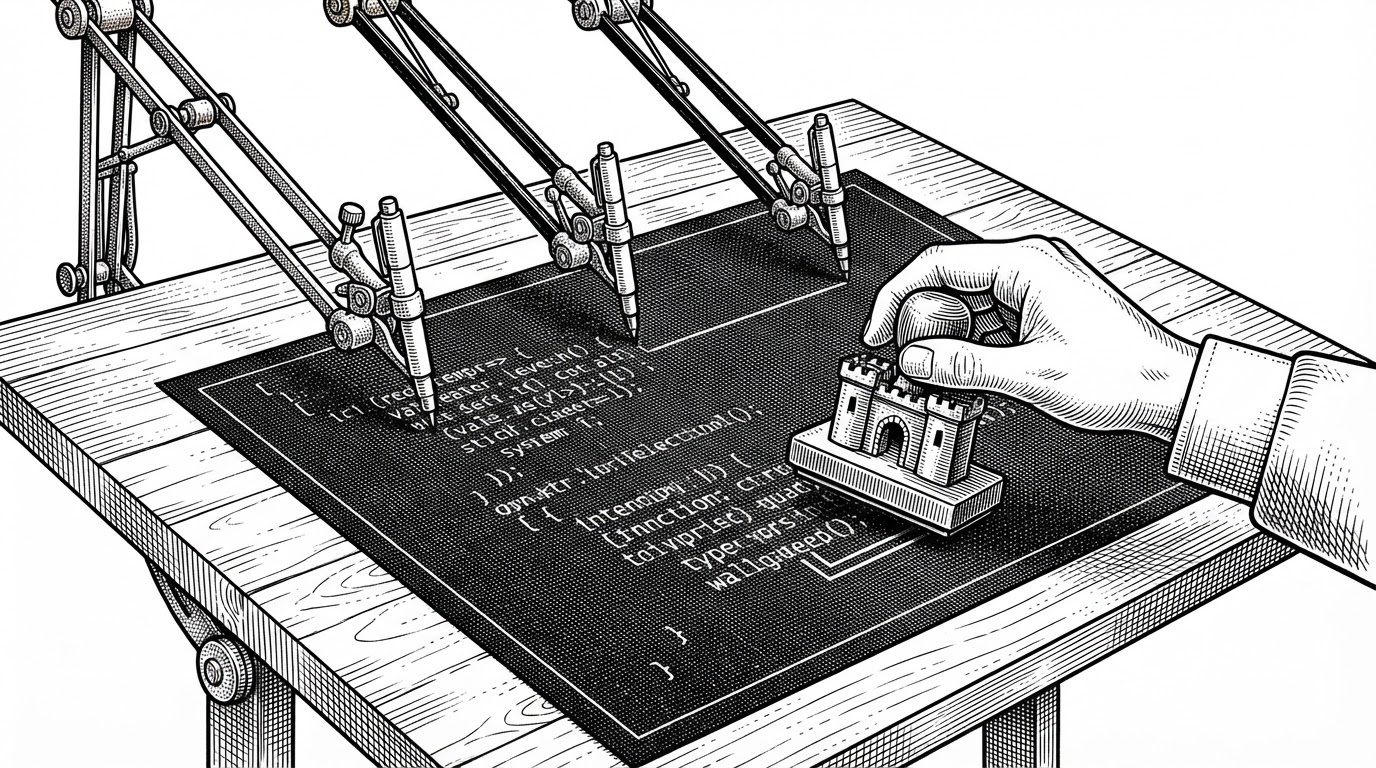
The rules are specific. Never push to main. Keep branches short, one PR equals one thing, aim to merge in hours. If main turns red, fix main first. Do not hard-code game addresses or intercept guest SDK functions by name. Unimplemented services must report red rather than return a success fallback. Performance changes must bring numbers, with power readings taken over at least three runs and the median reported, plus the thermal state and charging state recorded.
The Android file adds a layering model, sorting code into shared, should-be-shared-but-currently-duplicated, and platform-specific buckets. It then draws a hard scope line: Android only does direct paths, and the generic Ryujinx-based backend is not to be fixed for Android. That is a deliberate tradeoff, and it sits in tension with the goal of avoiding forks.
The tooling matches the governance. The s2armctl CLI is built to be driven by an AI assistant, and the README says an assistant can use it to import, build, install, track progress, and inspect errors. The people set the gates; the agents do the drafting.
A .so That Is Not a .so
One file in the Android build proves how deep the engineering runs. The capability-probe helper is a standalone executable, but it ships inside the APK under the name libs2a_capprobe.so. It is not a shared library. It is a binary wearing a disguise.
The reason is mechanical. The Android Gradle Plugin packages only CMake SHARED targets into the APK, so an executable has to be smuggled in through the jniLibs source directory to get placed under lib/<abi>/. The build keeps it uncompressed and 16 KB page-aligned, then launches it without a direct exec. Instead the native code calls posix_spawn on the system dynamic linker, linker64, and passes the in-APK path as the first argument.
The build comment records exactly why. An executable placed in the app's private files/ directory was blocked from exec once targetSdk reached 29, and a device reading showed exit:127. The workaround is documented at the level of the failing exit code, which is the kind of detail that tells you the team hit the wall and measured it rather than guessing.
Not an Emulator, Not a Port
S2Arm is not alone in this space, and it is not the same shape as the projects around it. The field splits into conventional emulators, which keep the interpreter loop, and game-specific recompilation scripts, which rewrite one title at a time. S2Arm's bet is a general, packaged build-and-install pipeline, especially for iPhone and iPad, plus an automation surface for agents.
| S2Arm | Conventional emulator (Ryujinx-style) | Game-specific recomp project | |
|---|---|---|---|
| Execution model | Build-time rewrite to native | Runtime interpretation | Per-game rewrite |
| Where translation happens | Once, at build | Every frame | Per-game build script |
| Graphics path | NVN to Metal or Vulkan | Runtime shader translation | Game-specific path |
| Target platforms | iPhone/iPad/Mac, Android arm64, Windows launcher | Desktop | Single OS |
| Scope | General supported-game workflow | Full library | One title |
| What the user supplies | Own games and keys | Own games and keys | Own games and keys |
| Distribution | Launcher + single-app library + per-game APK | Emulator binary | Script |
The lineage is worth naming because it explains the parts. S2Arm credits nxnative for the direct graphics path to Metal, Ryujinx for system services and shader translation, and d2r-mobile for pioneering the broader technical direction. The newer game-specific projects around it are mostly parallel efforts, not descendants.
What It Refuses to Promise
The honest counterweight matters as much as the pitch. Support is narrow. Only 64-bit AArch64 games are in scope. There is no 32-bit ARM support, and no support for games that need a 36-bit address space. You bring your own games and keys. The project ships neither, and it is not affiliated with or endorsed by Nintendo.
The numbers are project-reported. The README describes a survey of 211 games with a 95% first-try build success rate, plus thousands of device-test runs, but none of that is independently verified. Treat it as a claim with a source, not a benchmark.
There is also a branding problem the project flagged itself. A separate site is using the S2Arm name, and the README warns that it is unaffiliated and solicits donations.
S2Arm is free and open source. We never accept donations and have no commercial offering; anyone collecting money in the name of S2Arm has nothing to do with us.
That is the shape of the project: a real technical bet, a genuinely unusual development process, and a set of limits it states plainly rather than burying. It does not claim to be a universal Switch. It claims to move the emulator into the build, and it does.
Your own Switch games, running natively on iPhone, iPad and Mac.