cleverhack: The Repo That Writes for Machines First
A tiny metadata layer that turns a content site into an agent-friendly knowledge base, with `llms.txt` for language models and CSV for pipelines.
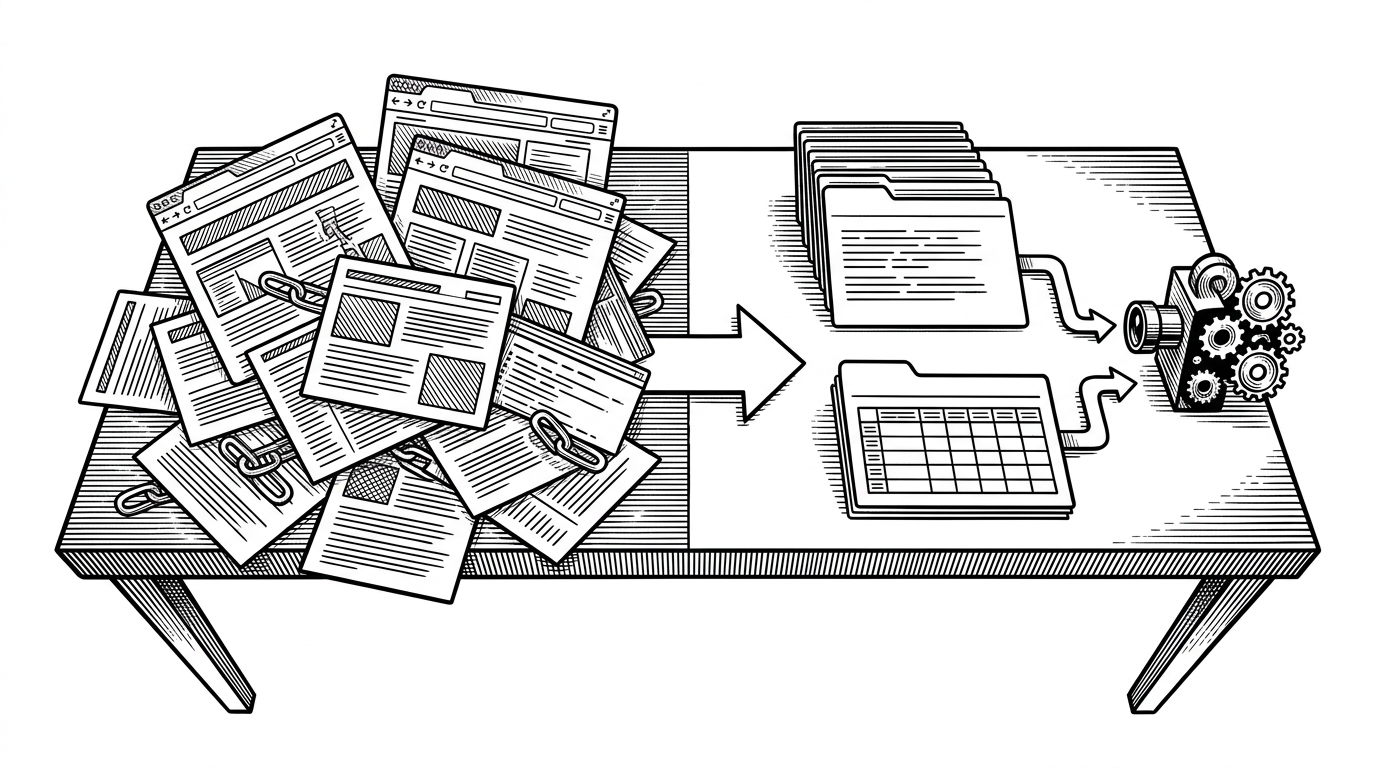
- `cleverhack` treats publishing as a machine-readable interface, not just a website, and that changes what the repository is for.
- `llms.txt` is the project’s real front door because it curates high-signal content for language models instead of asking them to scrape HTML.
- The CSV mirror is not redundant, because it gives parsers and RAG pipelines a structured version of the same knowledge layer.
- The tradeoff is operational, not conceptual: this is elegant metadata, but someone still has to keep the two tracks synchronized.
A Website With Two Audiences
Most repositories for content projects point at the code that renders the site. `joylarkin/cleverhack` points at something stranger: a machine-readable layer that helps agents understand the site before they ever touch the page chrome.
That is the core trick here. The repo is not trying to win a design award or serve as a traditional CMS. It is trying to be a clean intake valve for models, crawlers, and pipelines that care about signal density.
Includes a timeline of recent 2025 open source model releases, open source license definitions, and additional open source AI resources
Why `llms.txt` Is the Real Entry Point
The most important file in the repo is the manifest. `llms.txt` strips away web noise and presents a curated hierarchy of the site, which is exactly what a language model wants when it needs to answer quickly and accurately.
Instead of forcing an agent to infer the shape of the site from menus, footers, and linked pages, the manifest tells it where the high-value content lives. That matters because the bottleneck is no longer crawling. It is comprehension.
# llms.txt

# Site name
cleverhack

## Frequently updated AI resources
- /articles/open-source-ai
- /articles/global-ai-regulations

## Additional resources
- /about
- /archive
The Two-Track Strategy: Markdown for Models, CSV for Parsers
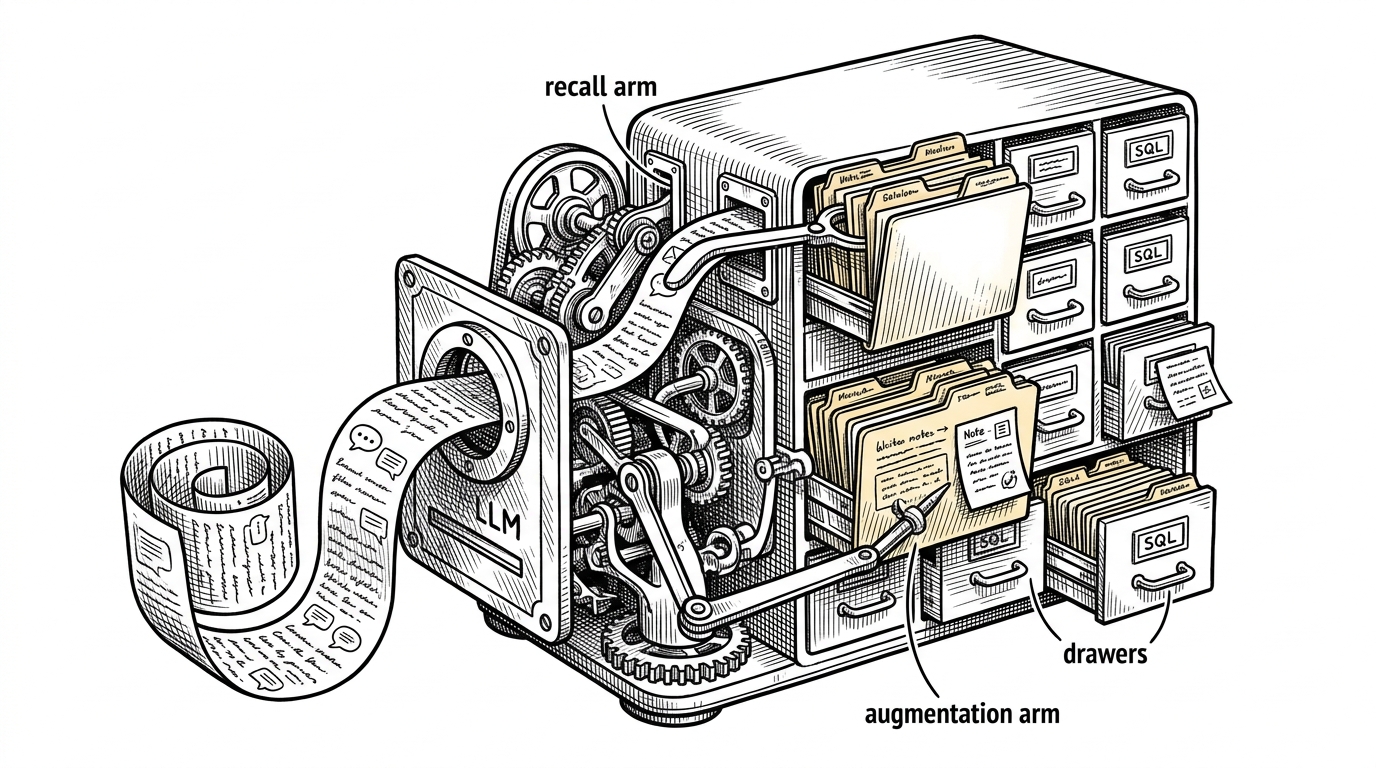
This is the clever part. The repository keeps two representations of the same knowledge layer: a semantic text manifest and a structured CSV mirror. One is optimized for reading. The other is optimized for ingestion.
| Discovery model | What it favors | What it costs |
|---|---|---|
| sitemap.xml | Coverage and crawlability | Little semantic guidance |
| Human navigation | Visual browsing | Noise, branching, and irrelevant chrome |
| Freeform HTML scraping | Breadth | Heavy parsing and brittle extraction |
| Dual-track publishing | Model reading and structured import | Extra maintenance |
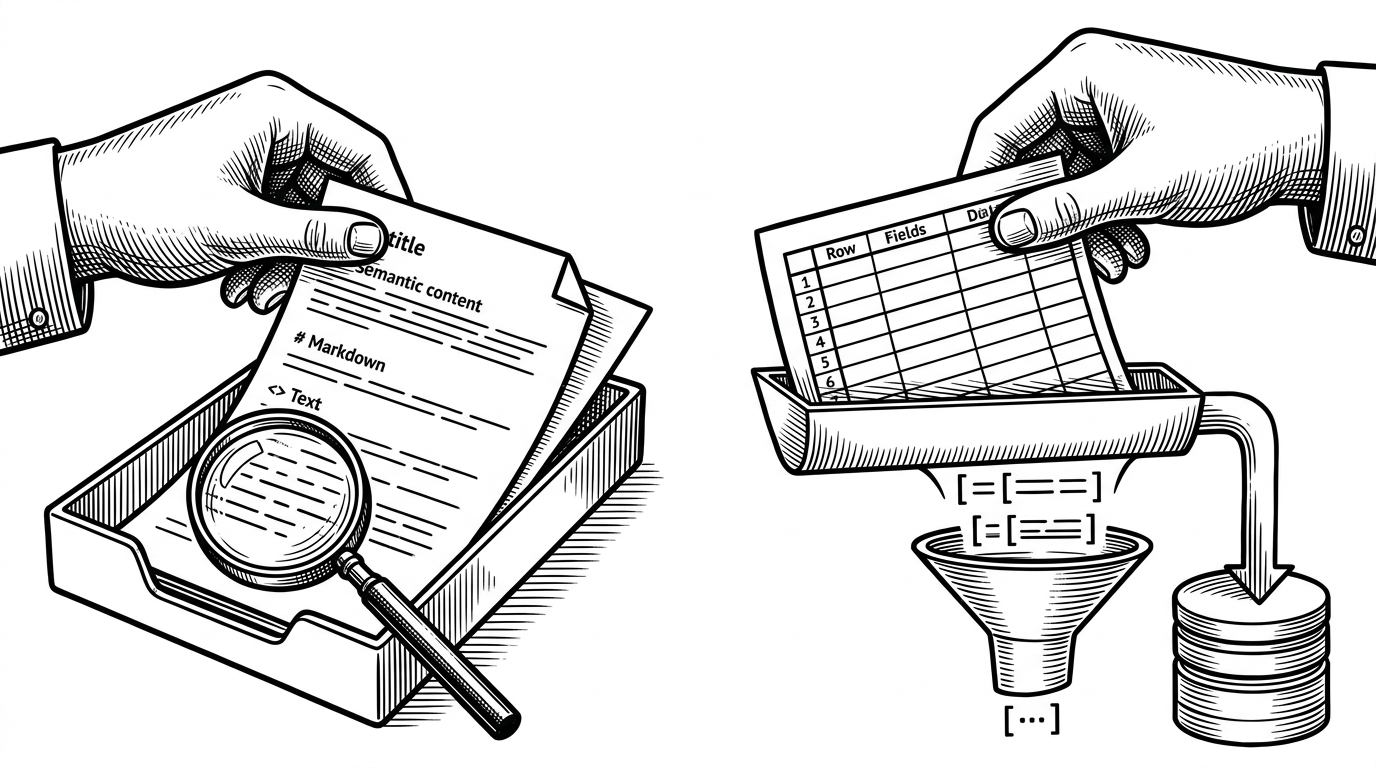
That dual-track design is the article’s technical center of gravity. It acknowledges a simple truth: machine consumers are not one thing. Some want context and hierarchy. Others want tables they can import without ceremony.
The Maintenance Tradeoff Nobody Can Ignore
The downside is equally clear. Two parallel formats mean two places to drift, and the repo does not advertise a heavy automation layer that guarantees perfect synchronization.
That is not a fatal flaw. It is the real cost of treating publishing as infrastructure. Once a site becomes an agent-facing knowledge layer, upkeep stops being cosmetic and starts being operational.
Listing 2025 global AI policies and United States state-level AI legislation
That maintenance burden is easier to justify when the site’s value lies in curated expertise. If the content is high-signal and frequently updated, the manifest becomes part of the product, not just metadata.
What This Repo Says About the Next Content Stack
`cleverhack` is a small repo, but it points at a larger shift. Search-engine optimization taught creators to think about discoverability. Answer-engine optimization pushes that idea one layer deeper, toward machine comprehension.
The likely endpoint is not the death of websites. It is the rise of websites with two surfaces: one for humans and one for agents. `cleverhack` is a compact example of that split, and it makes a strong case that metadata is becoming part of the editorial craft.
| Older stack | Agent-first stack |
|---|---|
| Sitemap for crawl discovery | Manifest for curated understanding |
| HTML as the primary interface | HTML plus machine-readable entry points |
| One publishing surface | Two consumer-specific surfaces |
| Indexing as the goal | Comprehension as the goal |