The Citizen Command Center: Unpacking rapidkl-issue-tracker
How a solo developer used Filament PHP and Livewire to build a transparent transit monitor that outpaces official infrastructure.
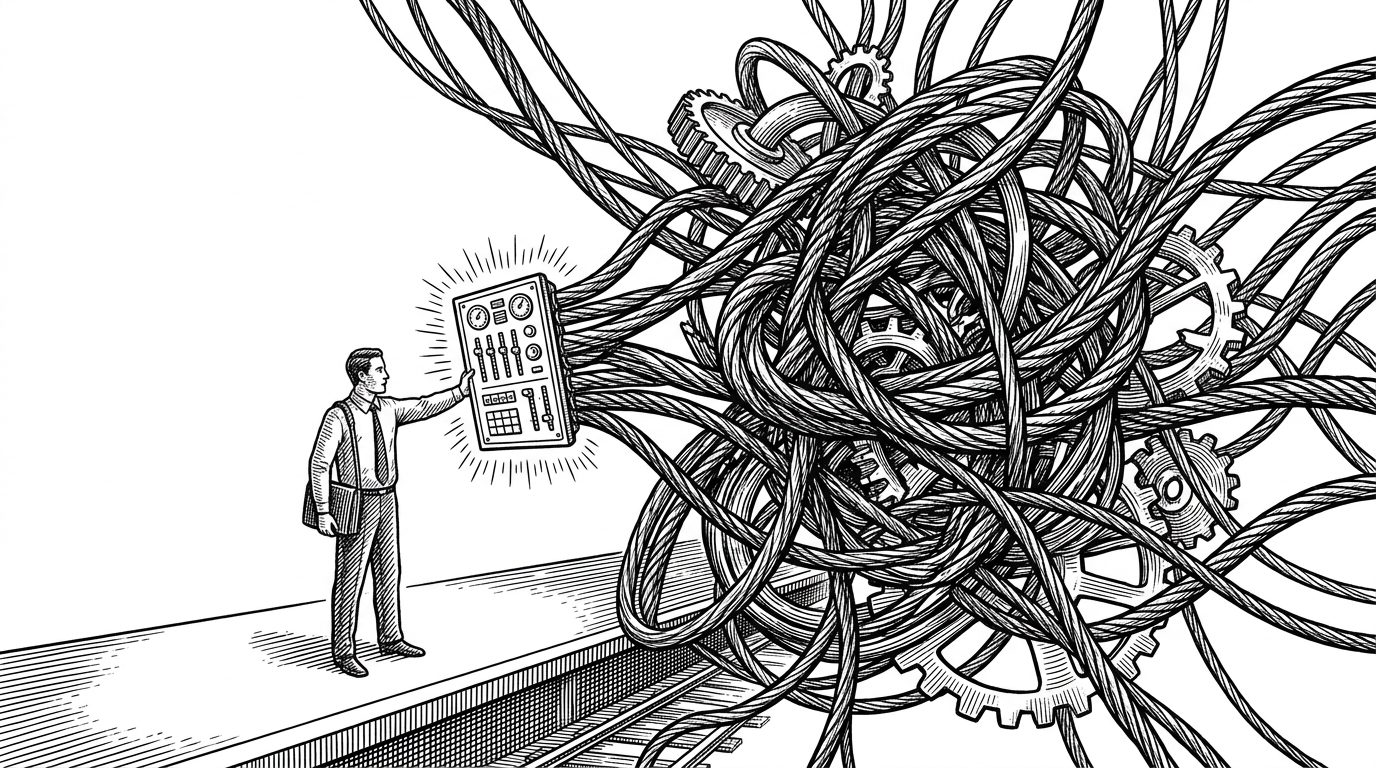
- The rapidkl-issue-tracker bypasses opaque official channels by merging real-time API data with crowdsourced commuter reports into a single unified view.
- By deeply leveraging Filament PHP, the project elegantly blurs the boundary between a public-facing consumer dashboard and a robust administrative back-office.
- Strict type safety achieved through PHP 8.2 Enums ensures data integrity across the entire lifecycle of a transit incident.
- The architecture demonstrates how the TALL stack empowers solo developers to build highly complex, state-driven applications with minimal boilerplate.
The Gap in the Grid
Official transit applications are notoriously opaque. They often hide the true status of delays and breakdowns behind clunky interfaces and sanitized public relations updates. Commuters need real-time truth, not filtered status reports. This gap between official data and lived reality is exactly what the open-source project rapidkl-issue-tracker attempts to bridge.
Built to monitor the Klang Valley public transportation system, the project is a specialized CRUD application that prioritizes transparency. It serves two distinct audiences simultaneously: commuters who need to view real-time service statuses, and moderators who manage and categorize community-reported disruptions.
The Public-Private Blur
The most elegant architectural choice in this repository is its heavy reliance on Filament PHP. Instead of maintaining separate logic for the public-facing commuter site and the private admin backend, it uses Livewire and Filament to share the identical data models and user interface paradigms.
The IssueResource.php file acts as the ultimate source of truth. It defines a sophisticated management UI with remarkably little code. The public homepage points directly to a Livewire component that reuses these Filament table and form builders. This configuration over coding approach is what makes the project structurally possible for a solo developer to maintain.
Synthesizing the Truth
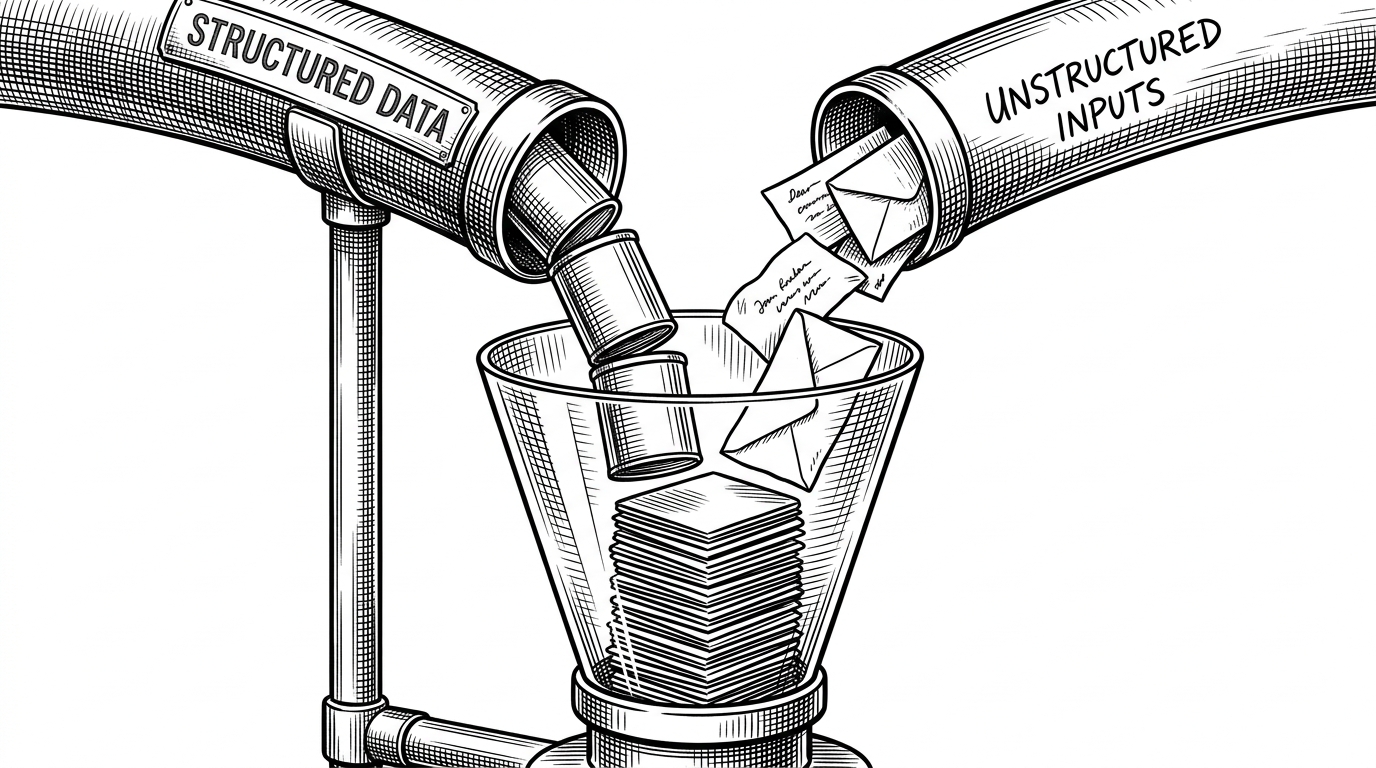
The tracker aspect of the project lives inside the ServiceStatus.php Livewire component. It performs a server-side fetch to an external MTREC API. This official data is then dynamically merged with user-submitted crowd reports.
This synthesis transforms the application from a simple static bulletin board into a dynamic monitoring tool. The blade view iterates through the combined data array to display line-specific statuses for the LRT, MRT, and Monorail, giving commuters a complete picture of the network.
The Anatomy of an Incident
Data integrity is paramount when dealing with public infrastructure reporting. Instead of relying on loose strings scattered throughout the codebase, the developer utilizes strict PHP 8.2 Enums to manage status, priority, and category logic.
namespace App\Enums;

enum StatusEnum: int
{
    case REPORTED = 1;
    case INVESTIGATING = 2;
    case RESOLVED = 3;

    public function getDescription(): string
    {
        return match ($this) {
            self::REPORTED => 'Reported',
            self::INVESTIGATING => 'Investigating',
            self::RESOLVED => 'Resolved',
        };
    }
}
The database architecture further enforces this integrity by utilizing SoftDeletes. No incident report is ever quietly erased. Combined with the jaocero/activity-timeline package, the application creates an immutable, visual history of every transit incident from the moment it is reported to its final resolution.
The TALL Stack Leverage
This project serves as a masterclass in modern PHP leverage. By utilizing Tailwind, Alpine, Laravel, and Livewire, it achieves an outsized feature set with minimal custom boilerplate.
| Component | Traditional MVC | rapidkl-issue-tracker Approach |
|---|---|---|
| Routing | Explicit web.php routes for every view | Component-based Livewire routing |
| Admin UI | Custom Blade templates and CSS | Auto-generated via Filament Resource classes |
| State Management | Complex controller logic with request validation | Type-safe Enums and Livewire state binding |
| Data History | Custom audit tables and triggers | Drop-in activity-timeline integration |