Rendering React in the Terminal: Inside sedekahje-cli
How a lightweight TUI uses Bun, React hooks, and Unicode half-blocks to bring digital philanthropy to the command line.
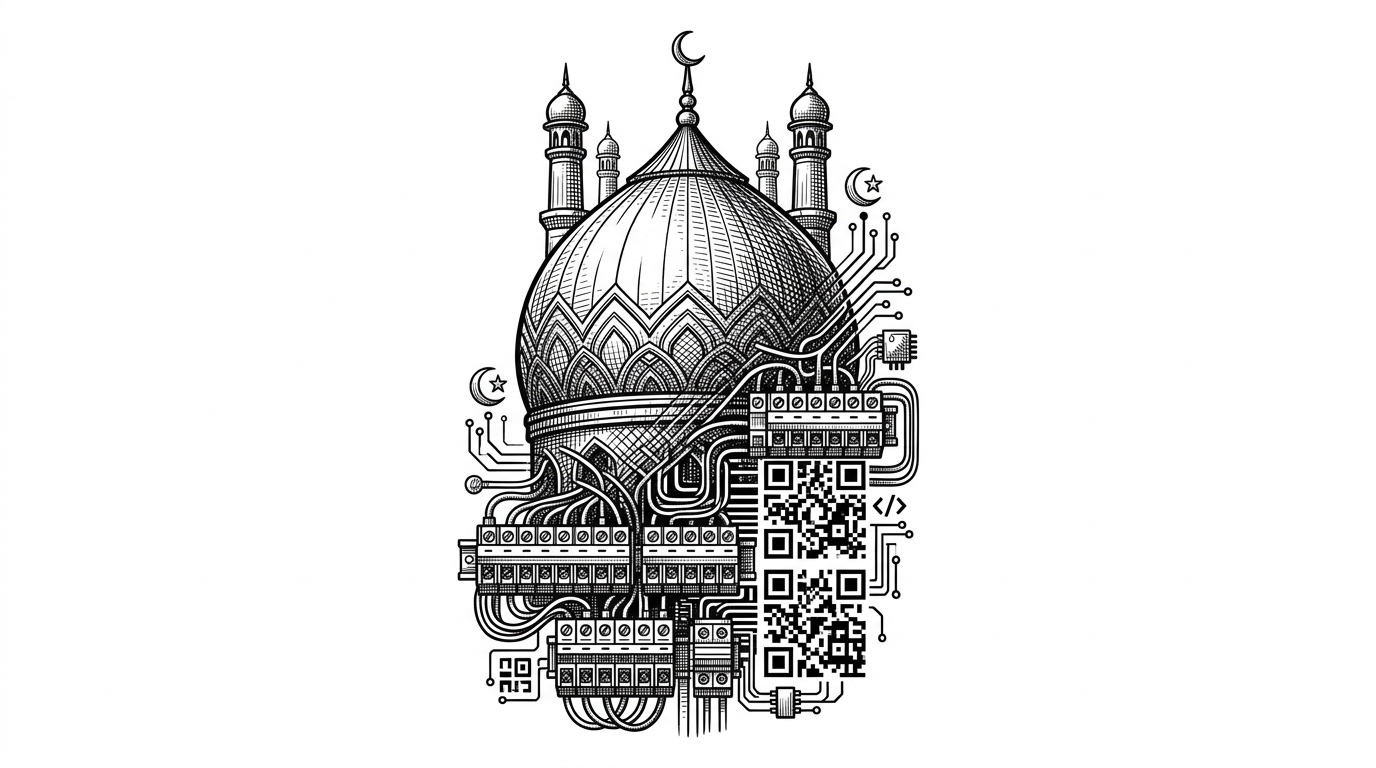
- sedekahje-cli bypasses traditional C-based terminal libraries by rendering React components directly to standard output.
- The application achieves high-resolution QR code rendering in text environments using calculated Unicode half-blocks.
- Bun compiles the entire TypeScript and React ecosystem into a single dependency-free binary for instant execution.
The Half-Block Illusion
Building rich terminal user interfaces usually requires wrestling with low-level C libraries and manual memory buffers. sedekahje-cli flips this paradigm entirely. It proves that modern web paradigms can be seamlessly compiled into a blisteringly fast standalone terminal binary.
The project's most visually striking feature is its ability to render complex DuitNow and Touch 'n Go QR codes inside a text-only environment. It achieves this using calculated Unicode half-block characters to double the vertical resolution of standard terminal cells.
Treating stdout like the DOM
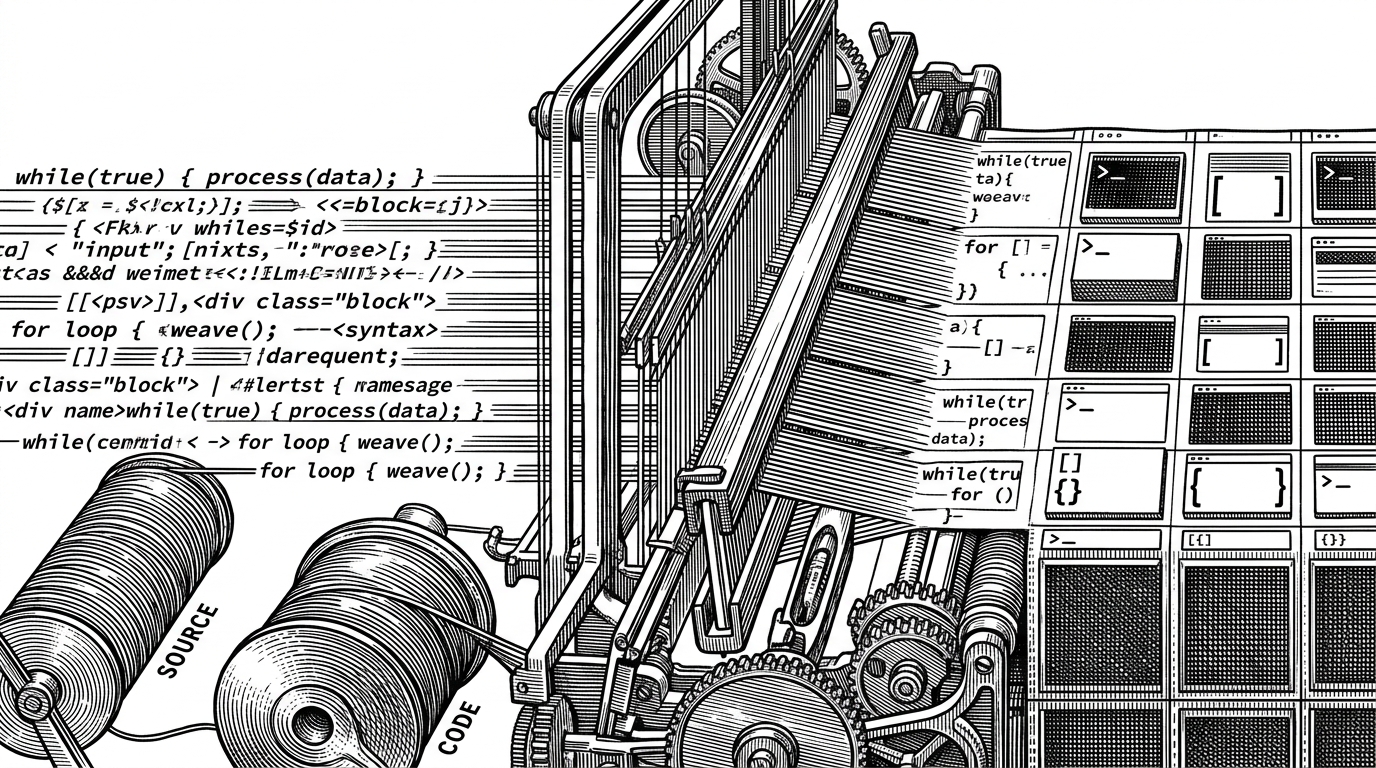
Instead of manually concatenating strings to draw the interface, the developer utilized the @opentui/react framework. This allows the terminal application to be architected exactly like a browser DOM.
The interface relies on standard React hooks. The useState hook manages keyboard navigation states while custom windowing logic keeps the terminal buffer performant by only rendering visible list items. This ensures smooth scrolling even with hundreds of database entries.
The Two-Tier Search Engine
The application employs a hybrid search strategy to eliminate latency. Broad queries are sent to the backend API via native fetch calls to retrieve the initial dataset.
Once data is loaded into the terminal window, a local implementation of Fuse.js takes over. This provides instant client-side fuzzy filtering without triggering additional network requests.
Compiled by Bun
Distributing Node-based CLI tools traditionally forces users to download massive dependency folders. sedekahje-cli solves this distribution bottleneck using Bun.
By leveraging the bun build --compile feature, the entire React ecosystem, TypeScript logic, and styling libraries are packaged into a single executable binary. Users simply run a native script to install the tool.
| Feature | Traditional Node CLI | sedekahje-cli Approach |
|---|---|---|
| Rendering Engine | String concatenation | React Components (@opentui) |
| State Management | Global variables | React Hooks |
| Distribution | NPM Install + node_modules | Standalone Bun Binary |
| Search | Server-only | Hybrid (Server + Fuse.js) |
Local Problems, Global Tools

The technical achievements of sedekahje-cli are grounded in a highly localized purpose. It serves as a terminal client for sedekah.je, a platform aggregating Malaysian donation QR codes for mosques, suraus, and welfare organizations.
It brings digital philanthropy directly into the developer workflow. By marrying cultural traditions with cutting-edge terminal architecture, the project showcases the versatility of modern JavaScript tooling.