rlms: λ-RLM: The Anti-Agent That Turns LLM Reasoning Into a Typed Program
A deep dive into recursive language models, where `SPLIT`, `MAP`, `FILTER`, and `REDUCE` replace free-form loops with inspectable control flow.

- λ-RLM argues that long-context reasoning gets better when the model is constrained by a small typed language instead of left to improvise control flow.
- Its core move is to replace wandering agent loops with inspectable combinators that make splitting, filtering, and reduction legible.
- The project’s real differentiator is not more autonomy, but stronger guarantees around termination, auditability, and cost bounds.
- The front end reinforces the thesis by presenting AI reasoning like a compiler pipeline rather than a chat interface.
Why λ-RLM Exists
Most long-context systems fail in the same boring ways: they drift, loop, forget, or bury the actual control flow inside a pile of generated code. λ-RLM starts from a harsher premise. More context does not automatically mean more control.
That is why the project feels like a reversal. It keeps the LLM for intelligence, but refuses to let it improvise the entire execution engine. In the repo’s own wording, "λ-RLM keeps the LLM for intelligence, but refuses to let it improvise the entire execution engine."
We introduce λ-RLM, a framework for long-context reasoning that replaces free-form recursive code generation with a typed functional runtime grounded in λ-calculus.
Recursion, But With Rules
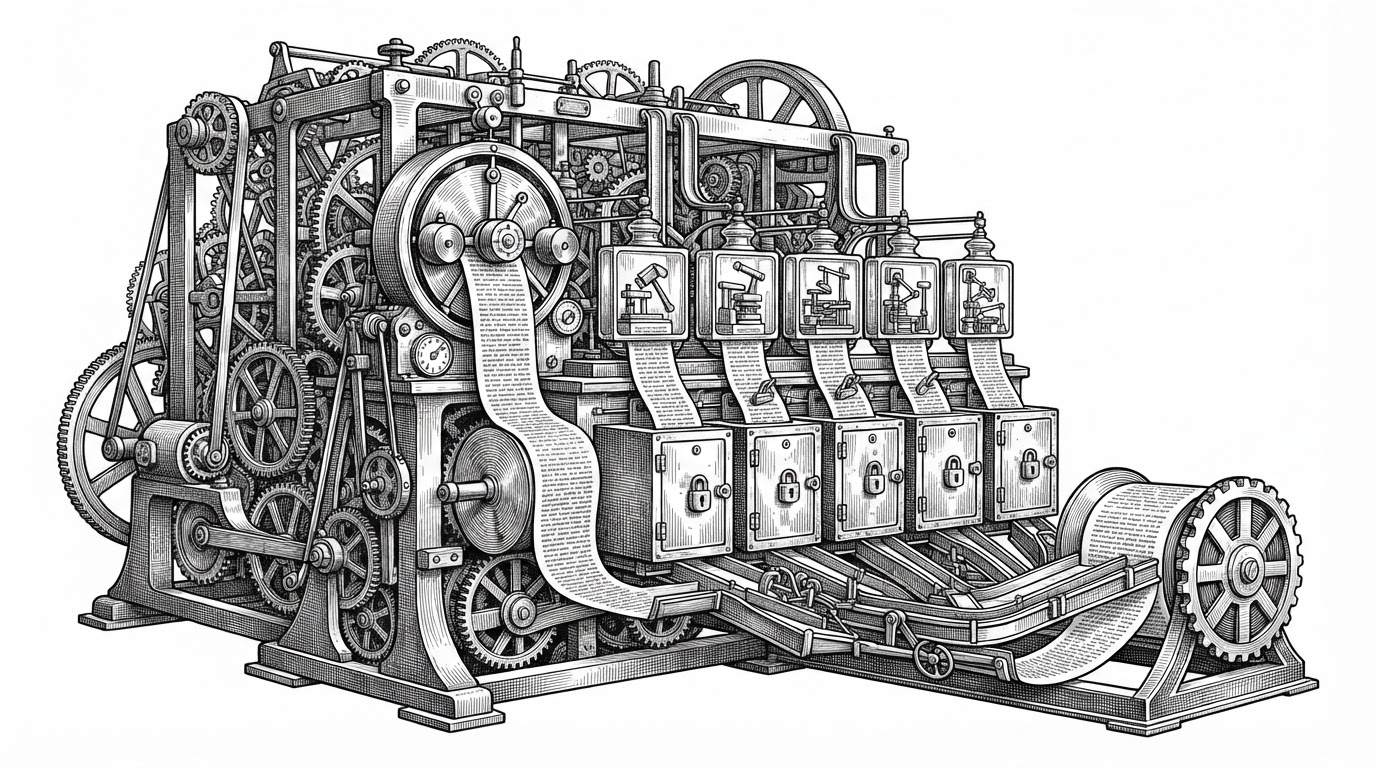
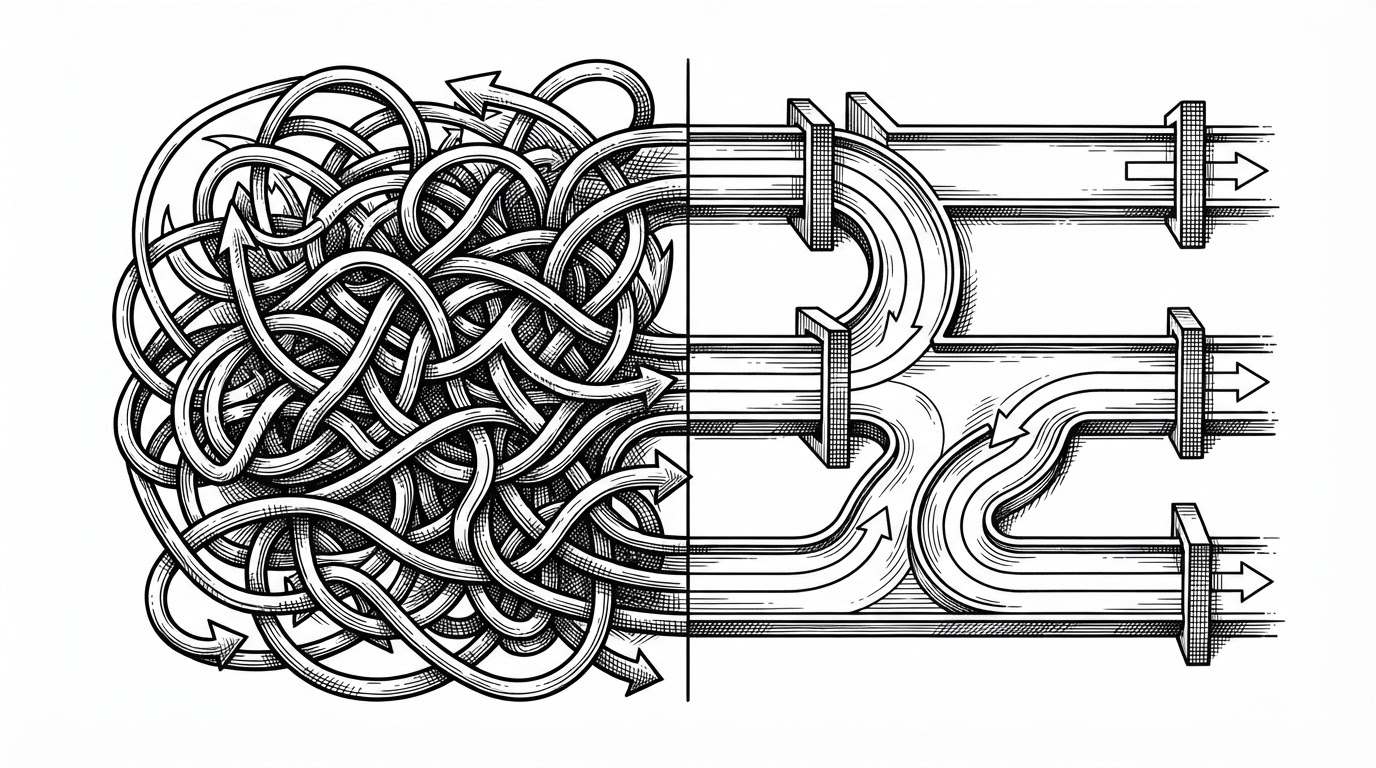
The project’s main bet is simple: recursion is useful only when you can bound it. Instead of letting the model invent arbitrary loops, λ-RLM gives it a typed action set. The important verbs are small and explicit: SPLIT, MAP, FILTER, and REDUCE.
That looks restrictive because it is restrictive. But that is the point. The system is trying to make reasoning behave more like a functional program than an agent wandering through tool calls.
What the Execution Tree Actually Does
At runtime, a large task is split into chunks. Those chunks fan out into leaf calls, each leaf handles a bounded piece of reasoning, and the surviving outputs are filtered before being reduced into a final answer. That is the whole trick, and it is a good one.
The reason this matters is not just theoretical elegance. Once the control structure is explicit, you can reason about termination, inspect intermediate states, and put a ceiling on cost. That is a very different promise from asking an agent to keep trying until it "figures it out."
Recursive Language Models (RLMs) solve the “Context Rot” problem by treating context as a programmable variable rather than internal data.
Why This Is Not Just Another Agent Scaffold
| System | Control flow | Termination guarantees | Auditability | Best fit |
|---|---|---|---|---|
| λ-RLM | Typed combinators and bounded recursion | Stronger by design | High, because every stage is named | Long-context reasoning that needs predictable execution |
| CodeAct / REPL-style RLMs | LLM-generated code and open-ended loops | Weak or implicit | Lower, because control flow is improvised | Flexible experimentation and tool-heavy tasks |
| AutoGen / LangGraph | Orchestrated agent graphs | Depends on graph design | Medium, but still orchestration-heavy | Multi-agent coordination and workflow composition |
| Native long-context models | Single forward pass over more tokens | No explicit recursive termination model | High at inference, low at the reasoning process level | Tasks that fit in context without decomposition |
The comparison is philosophical as much as technical. Free-form agent systems optimize for autonomy. λ-RLM optimizes for bounded correctness. That tradeoff will not suit every problem, but for long-context work it is brutally sensible.
The Design Choice That Changes Everything
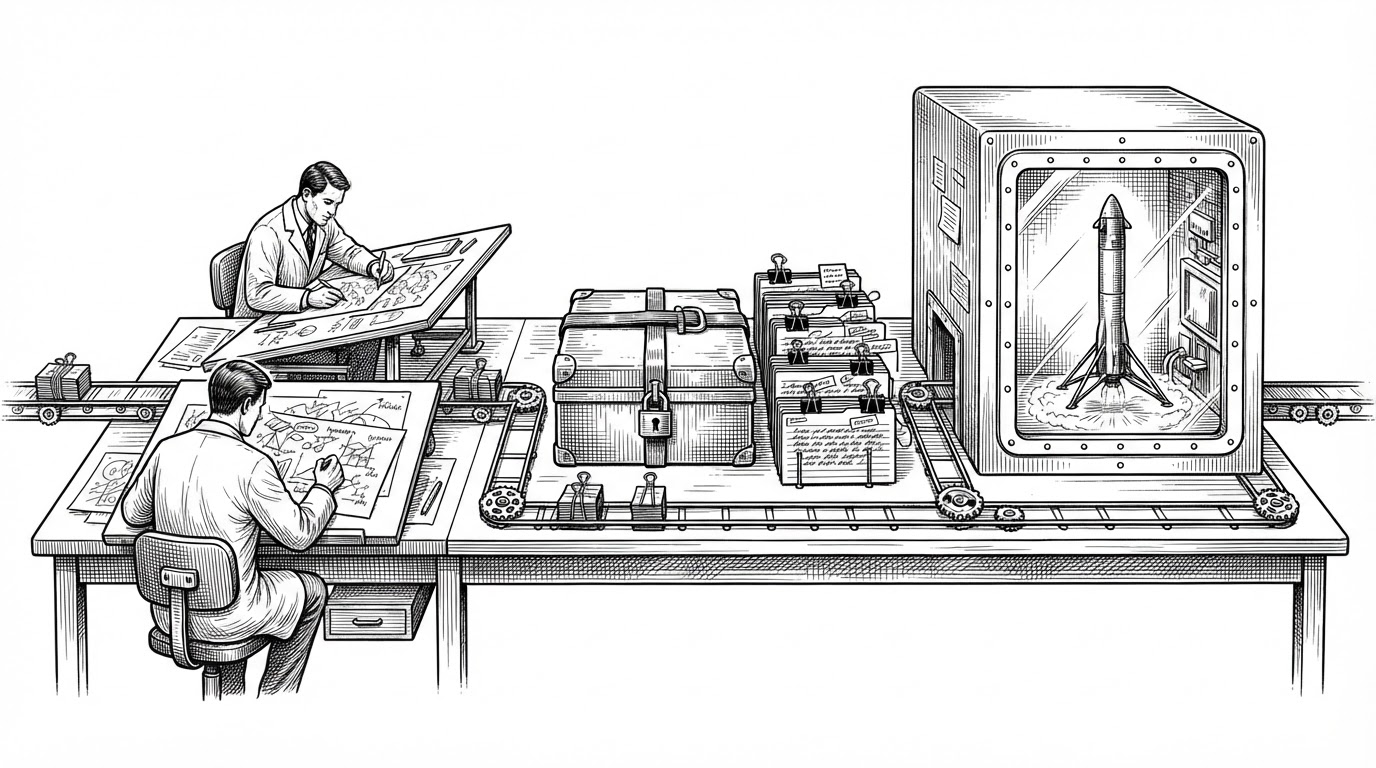
The project gives up improvisation to gain control. That means tighter termination behavior, clearer inspection, and a much better story for cost. It also means the model is no longer allowed to treat orchestration like a blank canvas.
literally have none of these people ever read a CS textbook or what? like the lambda calculus is right there??? https://t.co/Z8ZutKeUwy
What the Front End Reveals About the Thesis
The landing page sells the same idea as the runtime. The grid, the floating symbols, and the blueprint-like layout make the system feel less like a chatbot and more like a compiler front end. That visual language is doing real editorial work.
It says the project’s core unit is not the prompt, but the program. Even the aesthetic insists that reasoning should be structured, inspectable, and built from primitives rather than vibes.
Where λ-RLM Fits in the Landscape
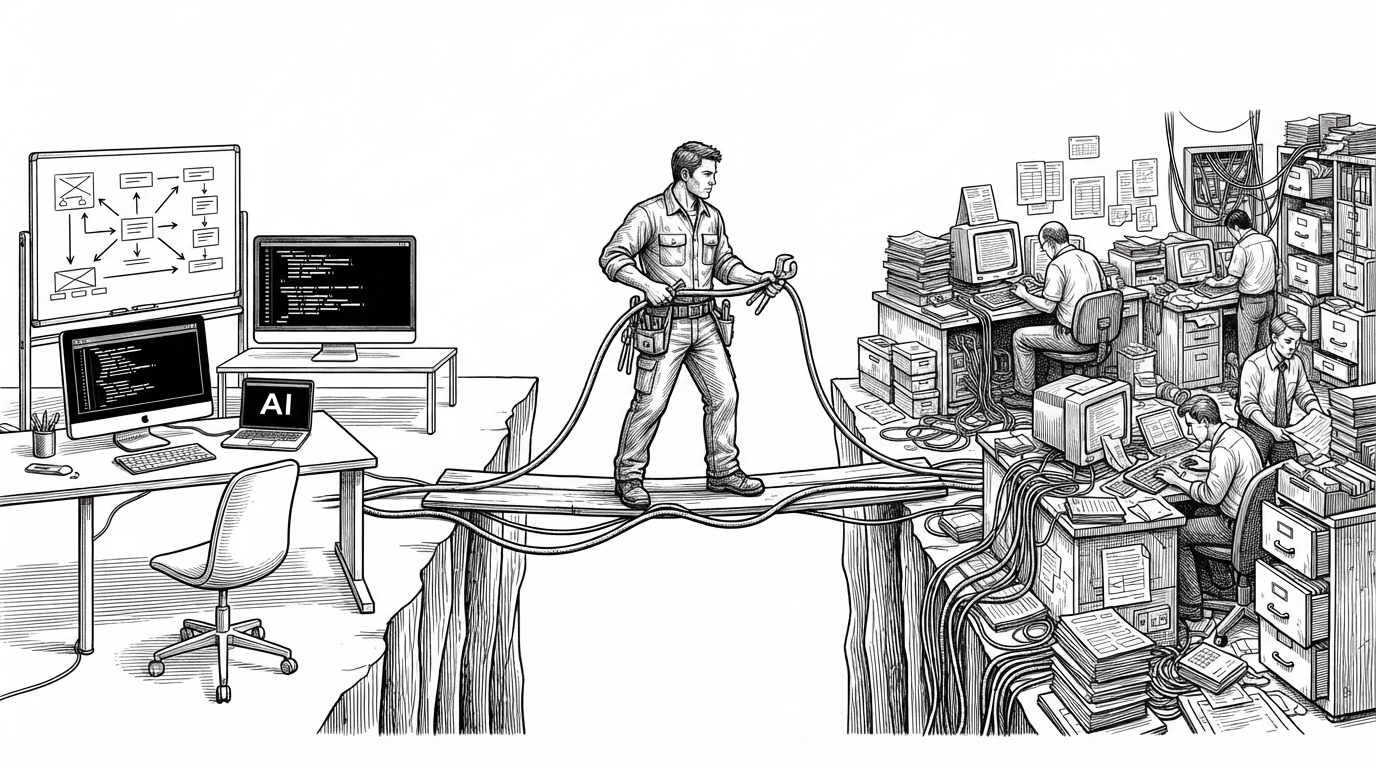
If standard recursive LLM systems are about letting the model write its own control layer, λ-RLM is the answer for people who want the opposite. It sits between formal methods and agent frameworks, borrowing the recursion of one world and the discipline of the other.
That makes it less flashy than a free-form agent demo, but more credible for tasks where failure is expensive. The value proposition is not that it does everything. It is that it makes recursive reasoning legible enough to trust.