lambda-RLM: λ-RLM: The Y-Combinator for LLMs
A typed functional runtime that replaces agentic chaos with deterministic recursion, socket-isolated inference, and mathematically chosen partitioning for long-context reasoning.
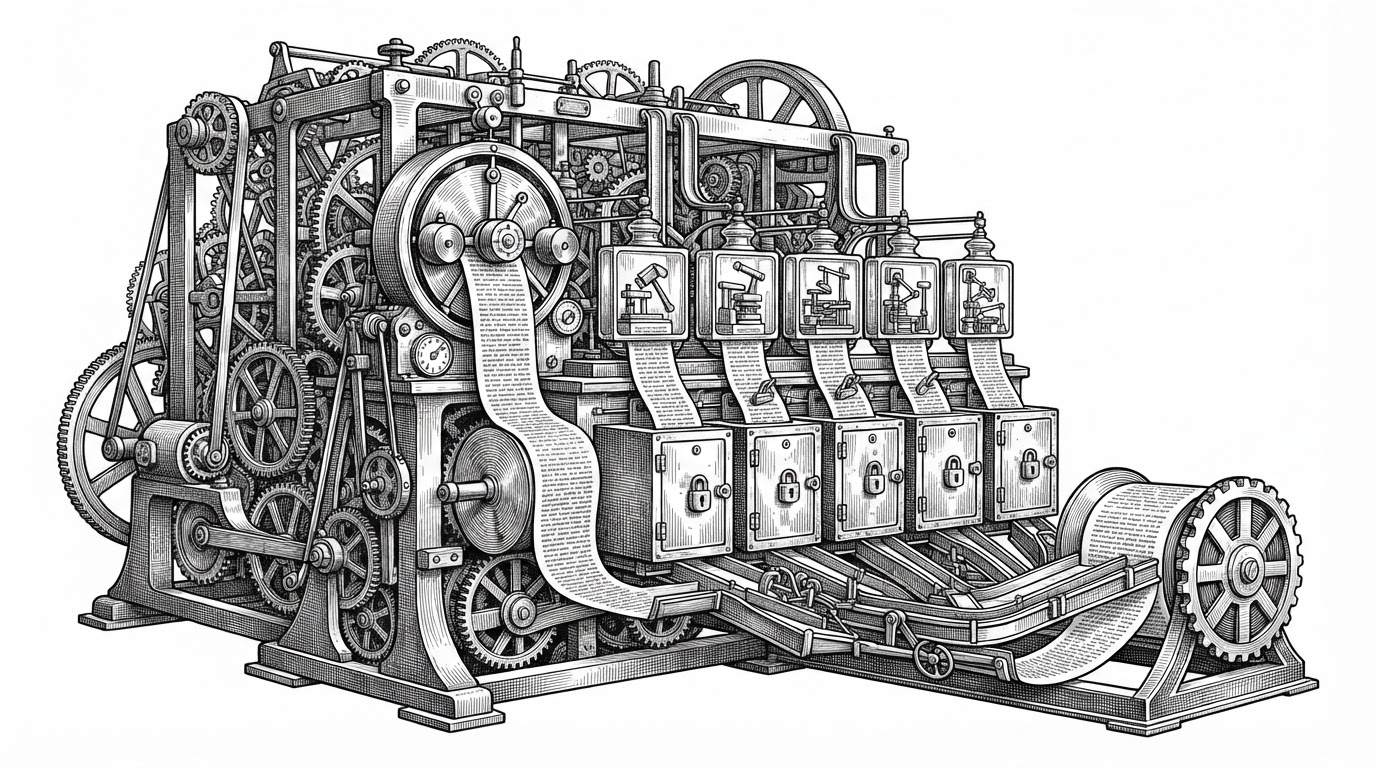
- λ-RLM moves recursion out of the model and into a typed runtime that chooses structure before reasoning begins.
- Its biggest claim is not better prompting, but better control over how long tasks are partitioned, bounded, and merged.
- The socket-isolated execution model turns LLM calls into a safer client-server problem instead of a free-form agent loop.
- Compared with standard recursive frameworks, λ-RLM is narrower, more opinionated, and easier to reason about mechanically.
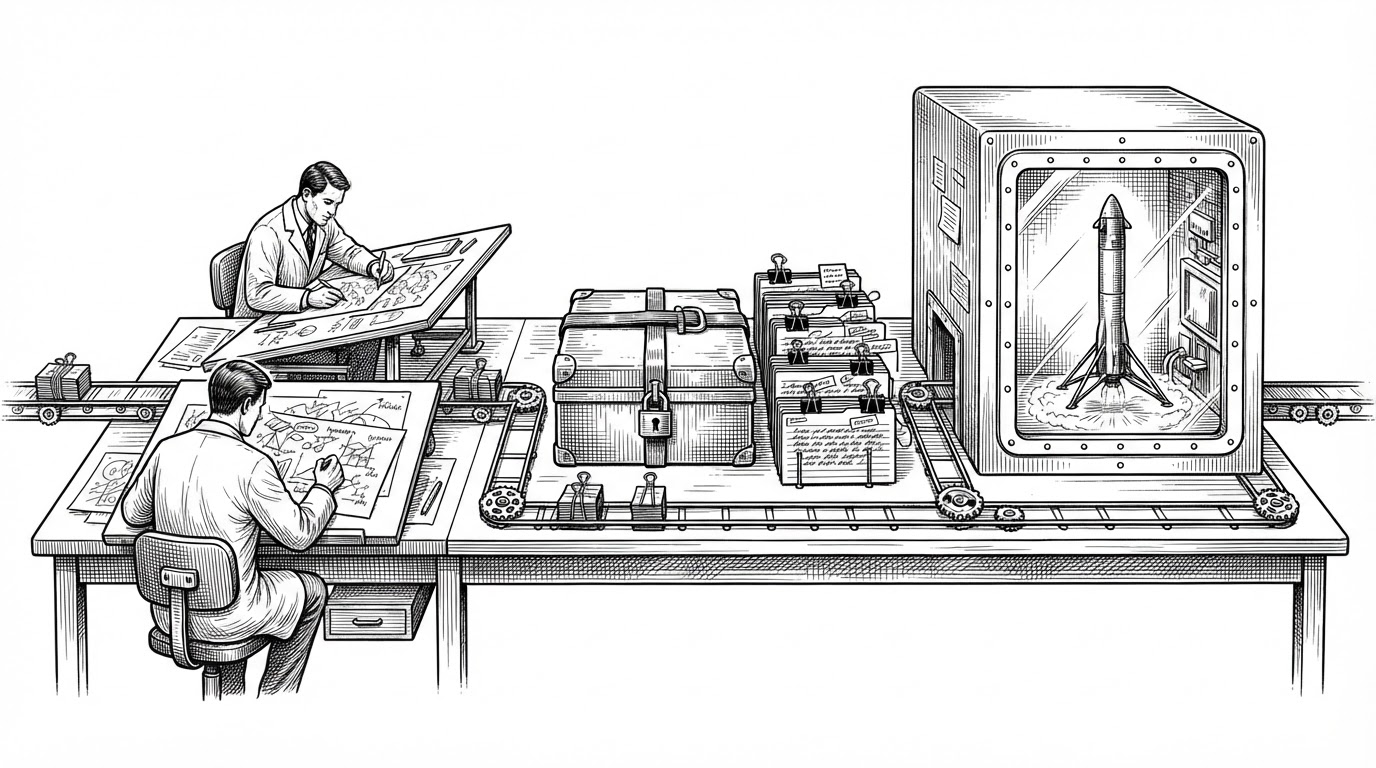
Most recursive LLM systems still ask the model to invent its own control flow. λ-RLM does the opposite. It treats long-context reasoning like a compiled program: the runtime decides the shape of recursion, the model handles bounded subproblems, and the system keeps the whole process on a short leash.
The big idea: recursion, but compiled
That is the project’s real move. The framework is not mainly a smarter prompt loop or a more elaborate agent scaffold. It is a typed functional runtime that replaces improvisation with fixed operators, so the model cannot wander off and invent a recursive strategy on the fly.
In the repository, that philosophy shows up in rlm/lambda_rlm.py. The runtime maps task types to a small set of combinators and plans the execution path in phases, rather than letting a language model decide whether to split, recurse, or merge. The result feels closer to a compiler pipeline than to chat.
Why long-context reasoning breaks
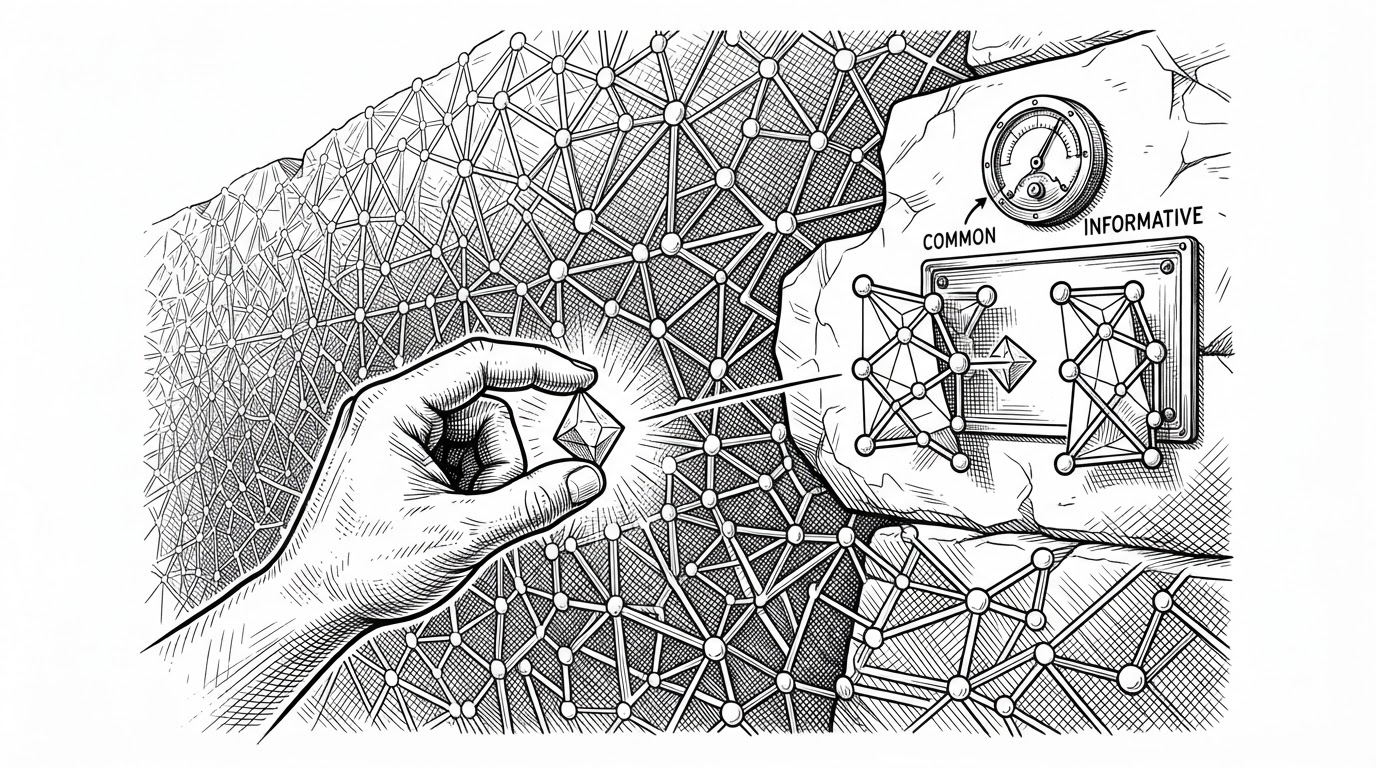
Token limits are only part of the failure mode. Once a task gets long enough, reasoning density falls, context drifts, and the model starts carrying too much irrelevant state. The real cost is not just fewer tokens. It is degraded control over what matters at each step.
Inside the λ runtime
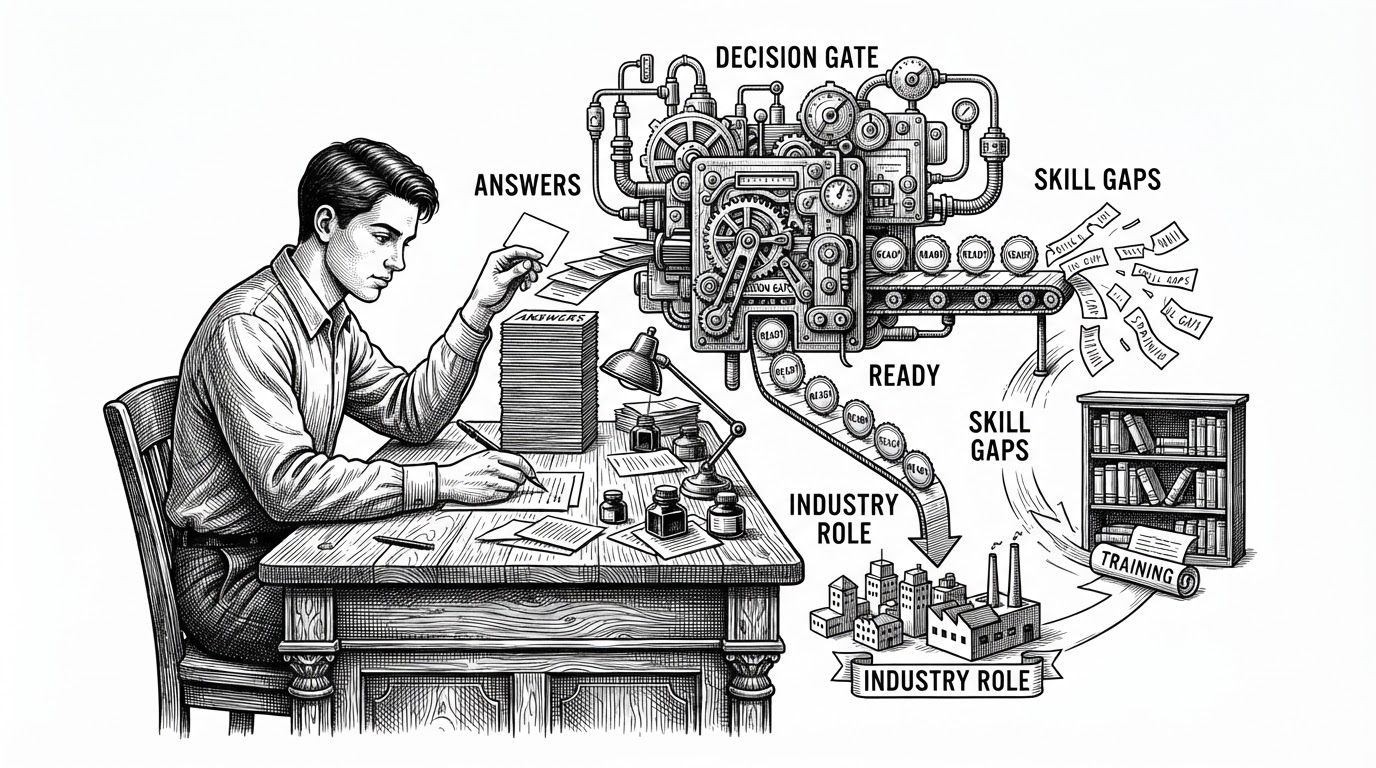
The runtime is built around a deterministic chain. Phase 2 detects the task. Phase 3 chooses a plan. Later phases execute fixed combinators such as SPLIT, MAP, and REDUCE. The point is simple: the model does not author the recursion logic. The system does.
# Conceptual sketch of the λ-RLM execution path

task_type = detect_task(task)
plan = optimal_plan(task, cost_model, depth=d, tau=tau)

shards = split(task, partition_size=plan.tau)
results = []
for shard in shards:
    leaf = bounded_inference(shard)
    results.append(map_step(leaf))

output = reduce_step(results)
return output
That matters because it changes the failure mode. Instead of allowing a recursive agent to keep going until it gets confused or loops, λ-RLM constrains the process up front. Recursion becomes a known shape, not an emergent behavior.

The real trick: optimal partitioning
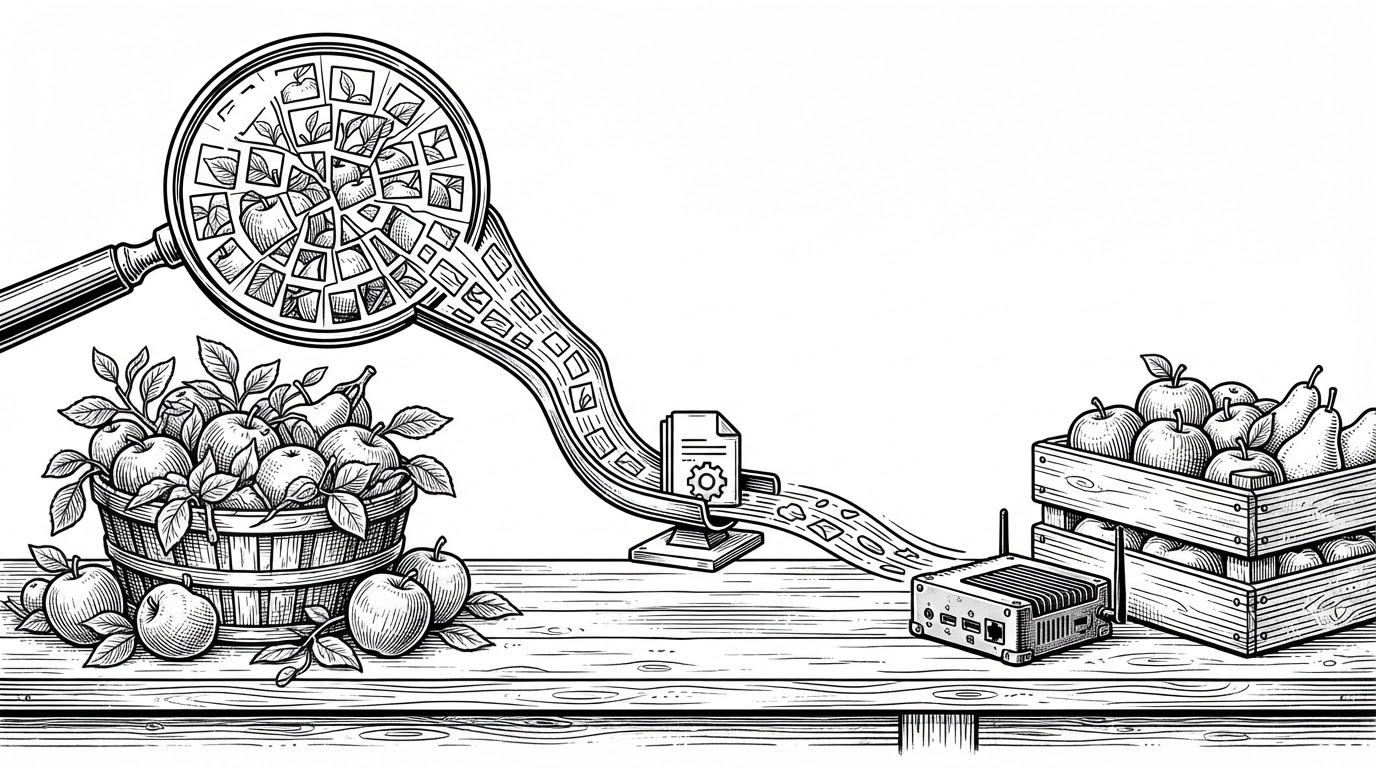
This is the project’s sharpest idea. λ-RLM does not just split a document into chunks. It uses a cost model to decide how the decomposition should look before the first inference call. That is a very different stance from the usual “chunk and hope” approach.
| System | Who controls recursion | Partitioning | Termination discipline | Primary strength |
|---|---|---|---|---|
| Standard RLM | The model | Ad hoc, often generated during execution | Implicit or weak | Flexibility |
| Tree of Thoughts | The model | Branch search over candidate thoughts | Search-limited, not formally shaped | Exploration |
| DSPy-style recursion | The program with learned prompts | Declarative, but still prompt-driven | Depends on the module design | Prompt optimization |
| RAH | The harness and tools | Tool-heavy, task-dependent | Harness-level boundaries | Engineering workflows |
| λ-RLM | The runtime | Cost-aware and fixed before reasoning | Explicit and bounded | Predictable long-context decomposition |
That makes the project feel less like a generative assistant and more like a compiler pass. The runtime is optimizing the shape of reasoning, not just the wording of prompts. For long tasks, that is a stronger wager than asking a model to be disciplined on its own.
Why the socket boundary matters
The safety story is underrated. The repository uses a socket-based RPC layer with a length-prefixed JSON protocol so that sandboxed execution can request inference without directly reaching into the host process. In plain terms, the model work stays separated from the keys, credentials, and control plane.
That choice is not glamorous, but it is consequential. It turns model access into a client-server boundary instead of a loose in-process call stack. For generated code or isolated environments, that is the difference between convenient and containable.
What λ-RLM is really replacing
The project is best understood as a critique of agentic recursion. Standard recursive systems often blur the line between thought and execution. λ-RLM narrows that space. It keeps the recursive skeleton fixed and uses the model only where bounded synthesis is actually useful.
That is why the comparison is not just technical, but philosophical. Tree of Thoughts explores branches. DSPy optimizes prompts. RAH leans into a broader harness. λ-RLM is more opinionated. It says the structure of recursion should be decided like software infrastructure, not improvised like conversation.
The people and paper behind it
The repository sits in a research lineage that connects the λ-calculus, recursive language models, and long-context evaluation. The maintainers present it as an alpha-stage framework, which fits the code’s ambition: formal enough to make strong claims, experimental enough to still be proving itself in practice.
The authorship matters less than the architectural bet. This is a project from researchers who seem to believe that the next step for LLM systems is not more autonomy, but more explicit control over how autonomy is staged.
What to watch next
The real test is whether this formalism stays useful outside controlled benchmarks. If λ-RLM holds up on messy documents, multi-step synthesis, and high-stakes workflows, it could become a template for how to build inference systems that behave more like compiled programs than improvising agents.
If it does not, the project will still have made a useful point. Long-context reasoning is not only a scaling problem. It is a control problem. λ-RLM’s answer is to solve it where software engineers are most comfortable: in the runtime, the protocol, and the boundaries around execution.