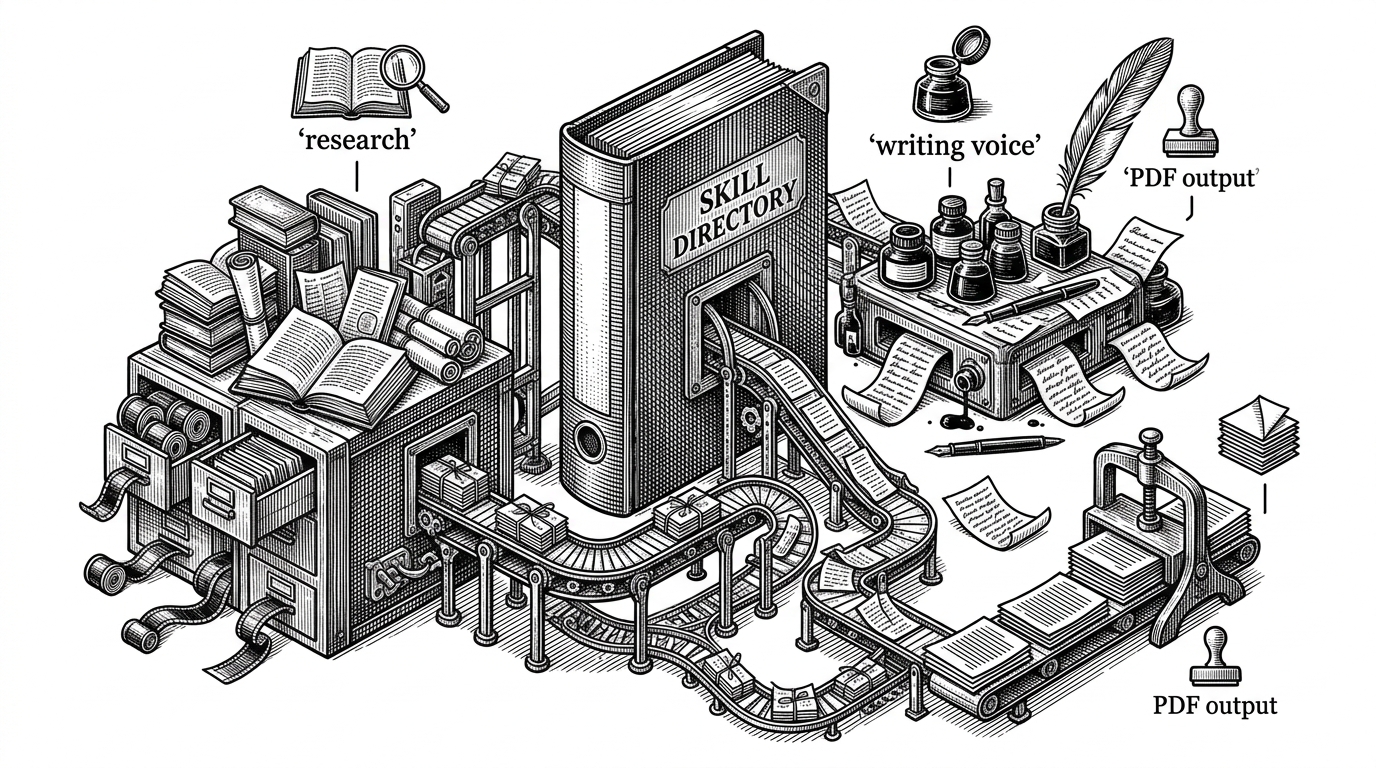
PRAXIST: The Research Loop That Turns LLMs Into Scientists
Inside the system that replaces one-shot prompting with generational experiments, frozen evaluators, and evidence that compounds across rounds.
- PRAXIST treats a research campaign, not a prompt, as the unit of work.
- Its edge is not more autonomy, but autonomy bounded by frozen evaluators and task-owned metrics.
- The system preserves validated evidence across generations instead of relying on chat history as memory.
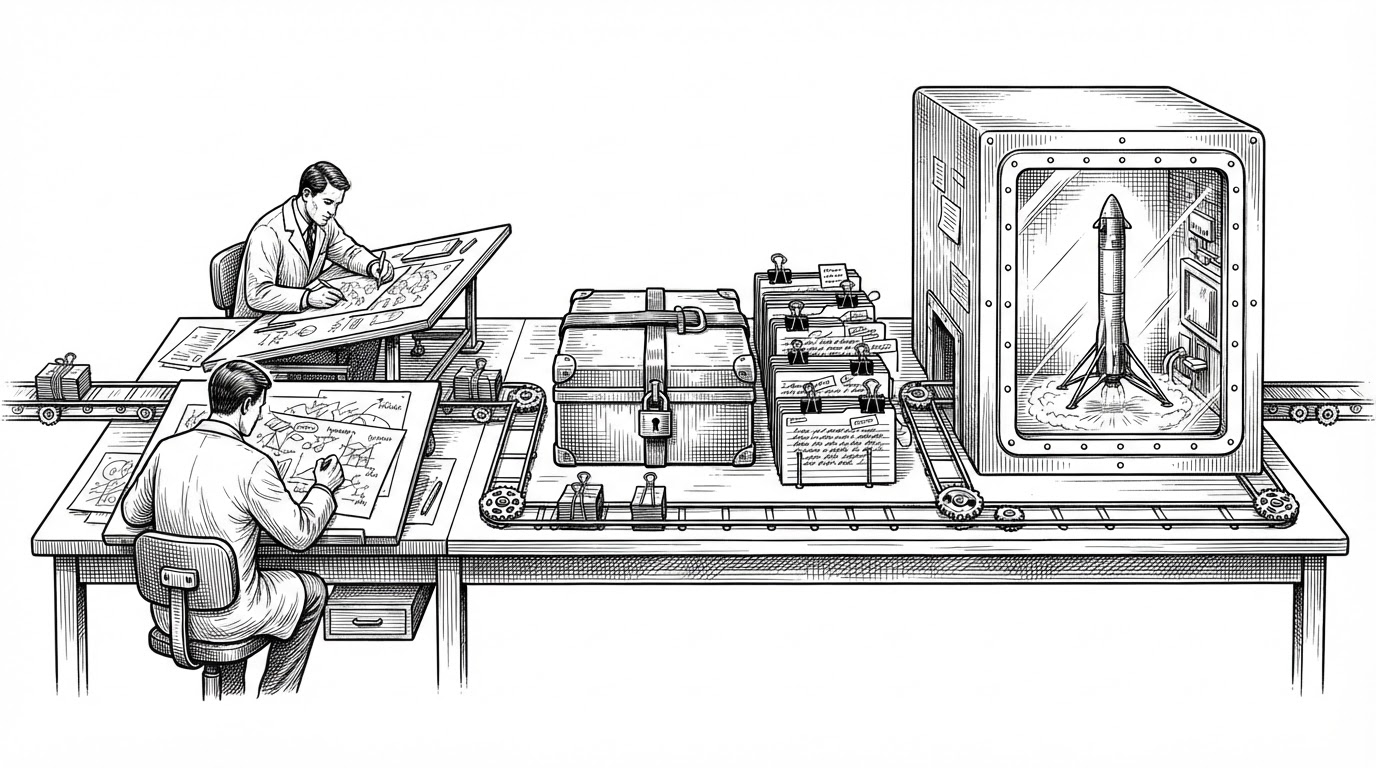
- The rocket booster harness shows how the loop is built for measurable technical problems, not generic agent demos.
The Prompt Is Not the Unit of Work
PRAXIST starts with a refusal. It does not treat a single prompt as progress, because a prompt can produce text without producing evidence. Instead, it treats a research campaign as the unit of work: parallel exploration, measured results, and inherited findings that survive the next round.
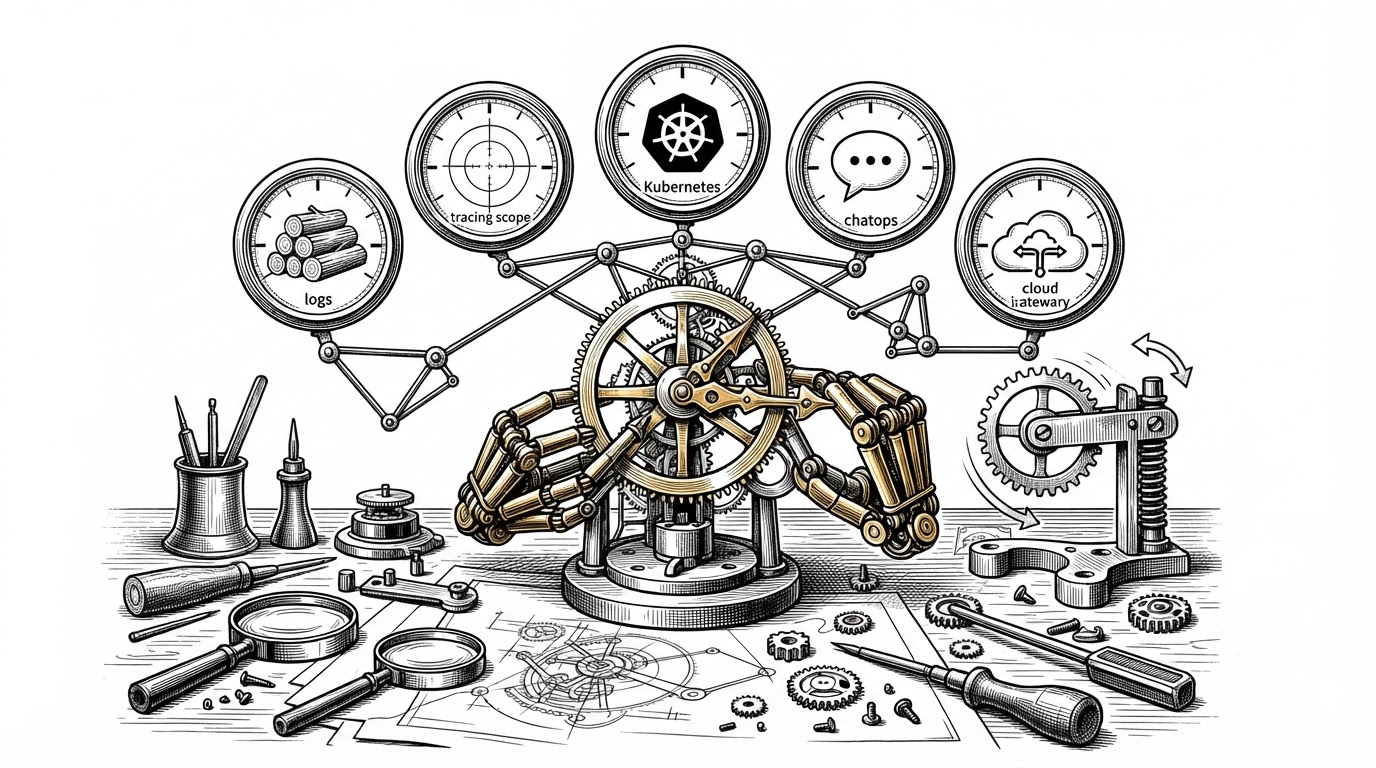
That is the real shift. The system is built to turn an LLM from a chat partner into a bounded scientist. It can search, propose, test, and narrow, but only within a task contract that defines what counts as improvement.
Praxist is an autonomous research system for measurable research problems that can be executed on a computer. It turns an already runnable project into a continuous, evidence-driven research run.
Why a Research System Needs Guardrails
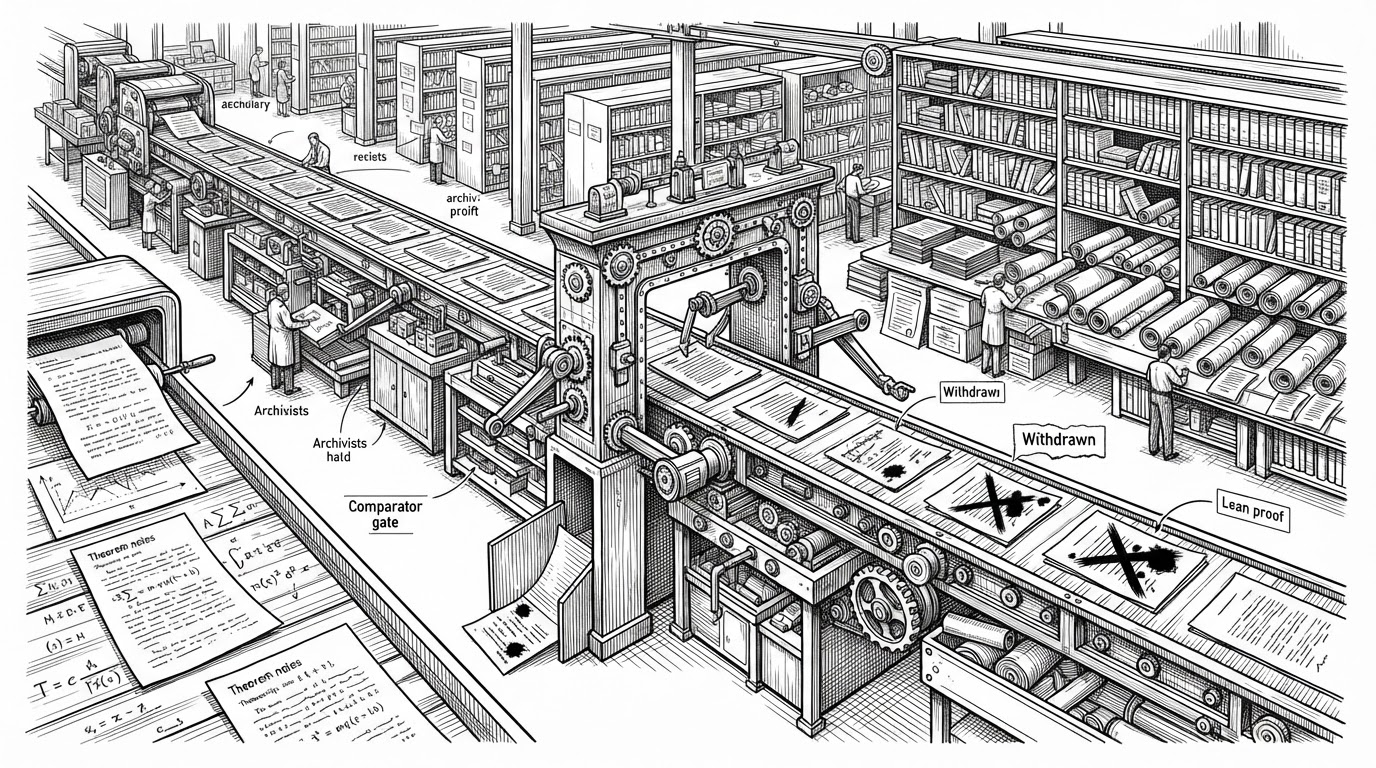
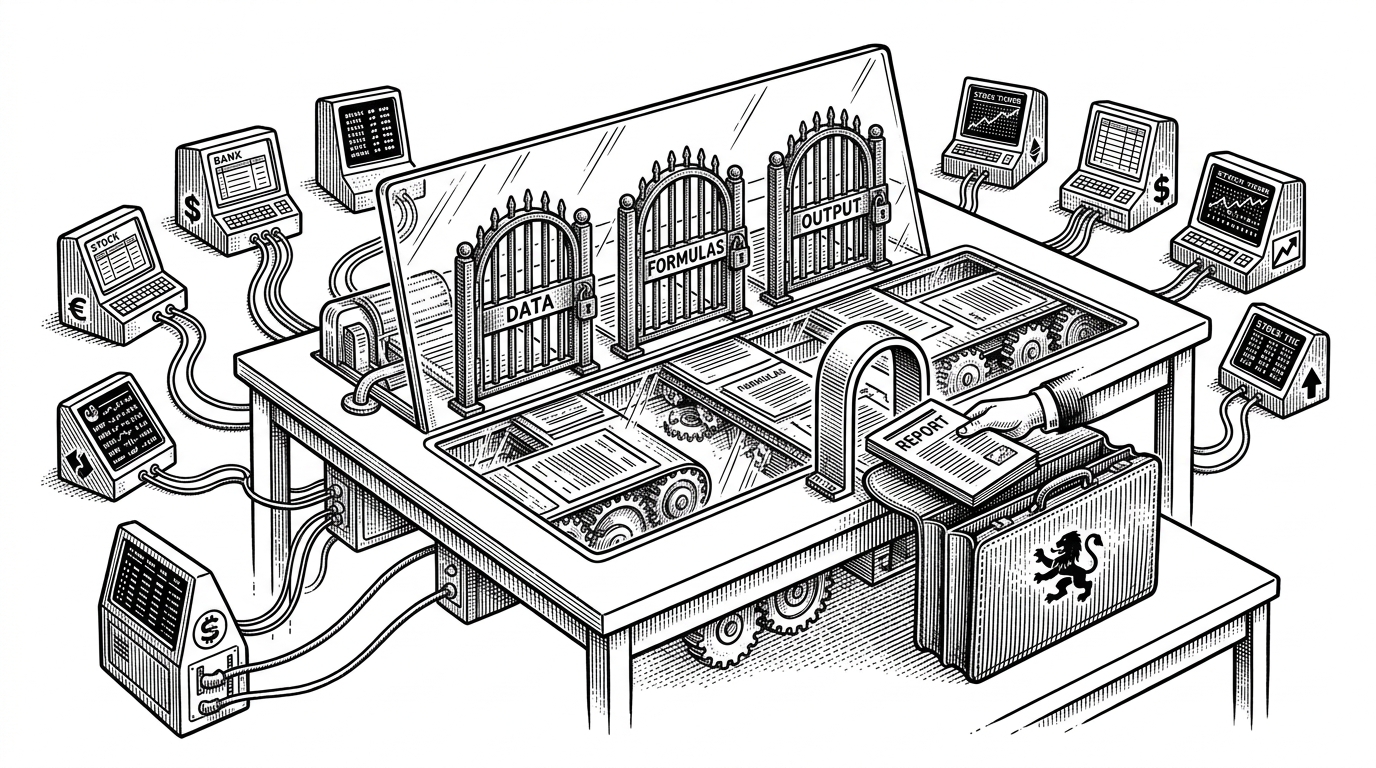
Autonomy is only useful if cheating is hard. PRAXIST makes that explicit with frozen evaluator hashes, blocked import roots, and task-owned metrics. The evaluator is not a suggestion layer. It is the boundary that decides whether a result advances.
| Dimension | Generic coding agent | PRAXIST |
|---|---|---|
| Unit of work | One task or one conversation | A full research campaign with generations |
| Memory model | Chat history and ad hoc notes | Typed evidence that is inherited |
| Evaluation | Often manual or loosely scripted | Frozen, task-owned, and hard to game |
| Risk of drift | High when the model improvises | Lower because the contract narrows the search space |
| What counts as progress | Useful output | Validated evidence that survives measurement |
| Best use case | Repo edits and implementation help | Measurable R&D on runnable systems |
The Loop: Peers, Evidence, Panel
The architecture is closer to a lab than an agent stack. Research peers explore in parallel. Evidence is typed, so findings can be separated from dead ends and open questions. A PI-style panel then reads the evidence graph, not just the conversation, and sets the next agenda.
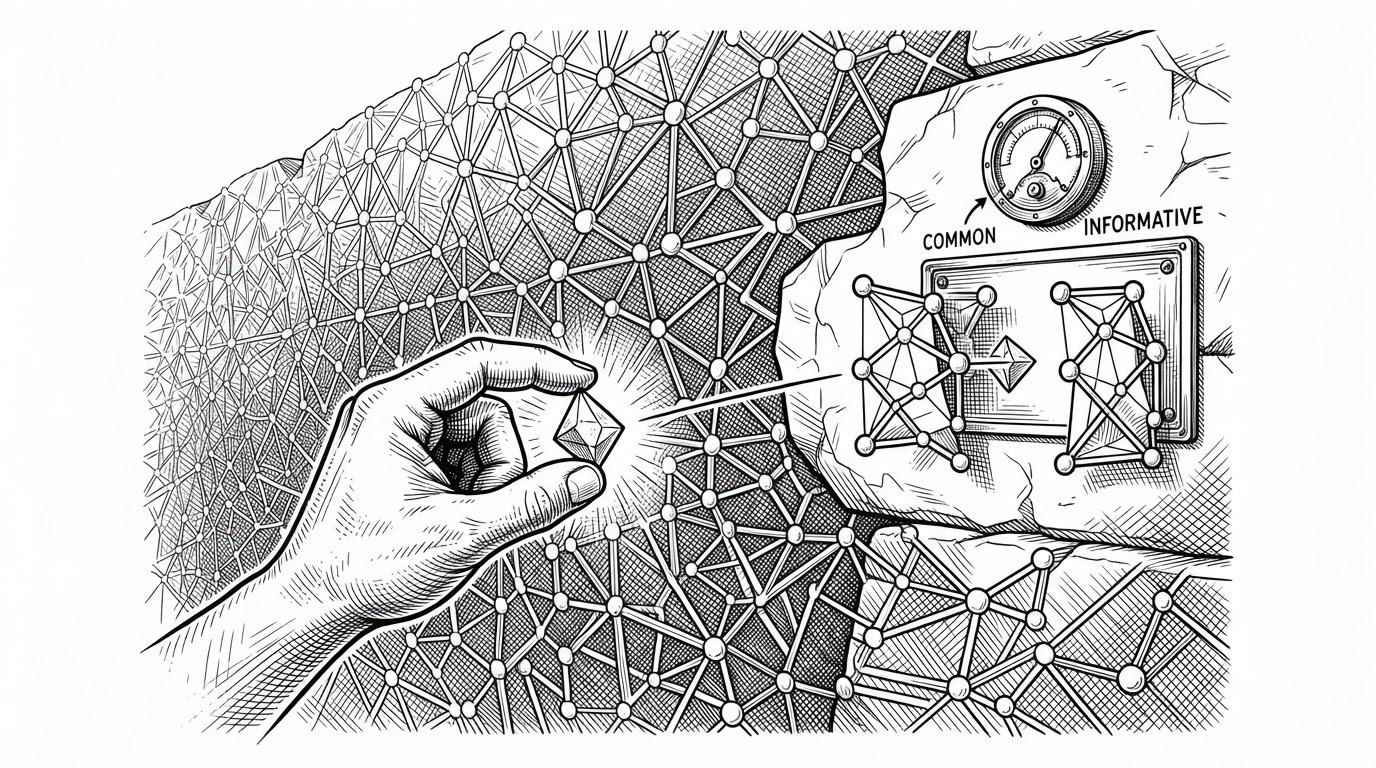
That matters because long-running research fails when memory is fuzzy. Chat logs remember what was said. PRAXIST tries to remember what was proven.
task:
  direction: improve landing recovery
  metric: landing_success_rate
  constraints:
    - no forbidden imports
    - evaluator hash must match
    - staged protocol: canary -> development -> complete
  evidence:
    validated:
      - stable controller
      - improved rollout policy
    rejected:
      - metric gaming
      - physics edits
Why the Rocket Booster Example Matters
The rocket landing harness makes the design legible. It uses JAX rollouts, source banks for difficulty tiers, and a frozen evaluator that refuses to let the agent rewrite physics to look smart. That is a serious constraint, and it is the point.
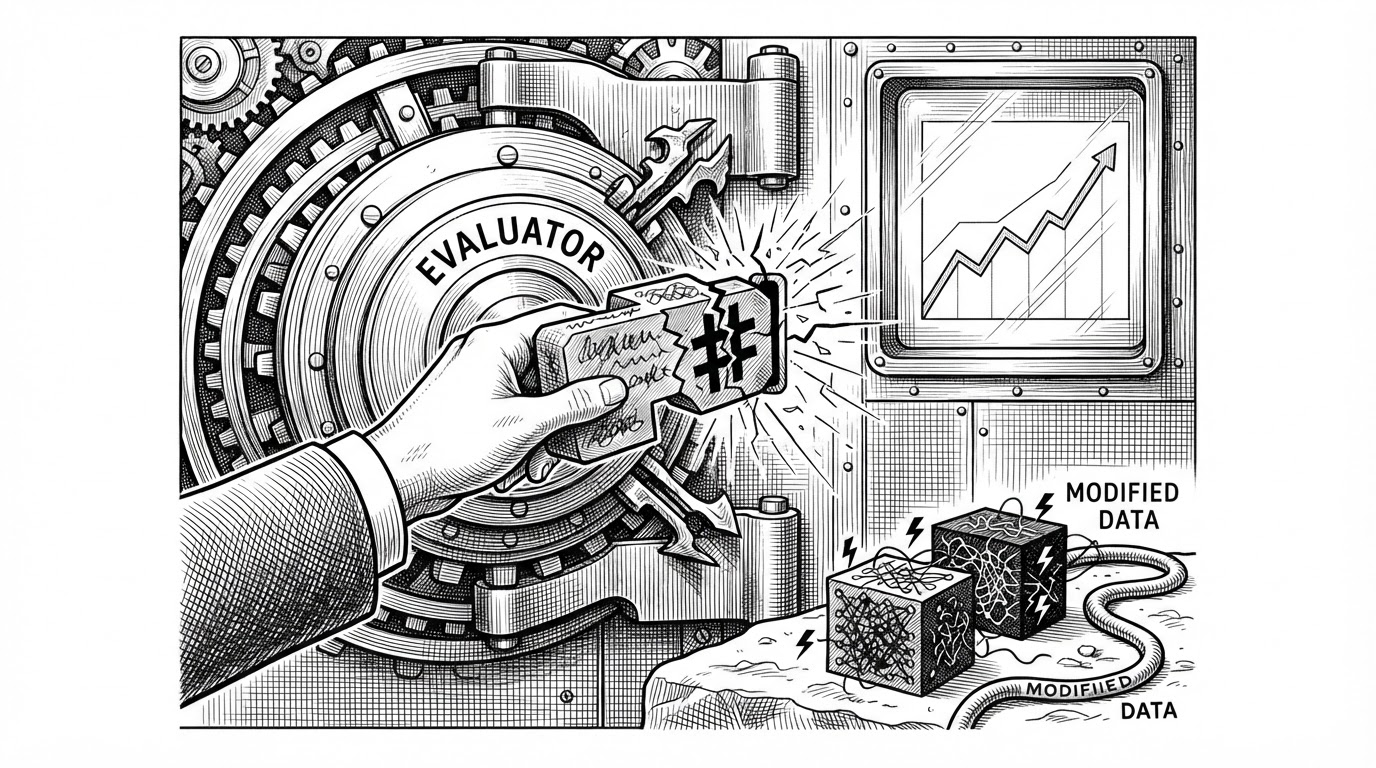
The stronger constraint is that the system forbids easy escapes. In the rocket example, neural-net shortcuts are blocked, which pushes the search toward classical control and auditable engineering. PRAXIST is not chasing the most fluent answer. It is chasing the answer that survives the instrument.
| Approach | What it optimizes | Failure mode |
|---|---|---|
| Brute-force agent | Fast synthesis | Metric gaming and shallow iteration |
| Generic AutoML | Search over parameters | Weak research lineage and little interpretability |
| PRAXIST | Evidence that survives measurement | Slower setup, but much higher trust in the result |
What PRAXIST Is Really Competing With
PRAXIST is not really competing with coding assistants on typing speed. It is competing on the ability to sustain a structured research campaign. That puts it in a different category from Claude Code, Aider, or OpenDevin, which are strong at implementation but not designed around evidence inheritance or frozen evaluation.
It also differs from black-box optimization systems. PRAXIST keeps the search process legible, keeps artifacts auditable, and keeps the evaluator outside the reach of the agent. That makes it feel less like automation and more like an operating system for controlled discovery.
| System | Strength | Limitation |
|---|---|---|
| Claude Code / Aider | Direct coding help and repo edits | Weak research lineage |
| OpenDevin | General software task execution | Not centered on measurable scientific loops |
| AutoML | Search and optimization at scale | Often opaque and domain-specific |
| PRAXIST | Generational research with evidence gates | Requires a well-defined metric and runnable task |
The Business Bet Behind the Architecture
The commercial idea is clear. If autonomy is sold as a controlled research environment instead of a boundless agent, then the product becomes easier to trust, govern, and price. That is a different category of software than a chatbot with tools.
The fair-source posture reinforces that direction. PRAXIST is trying to be open enough to study and useful enough to deploy, while still keeping the research loop disciplined. The architecture and the business model point the same way: controlled openness, not uncontrolled freedom.