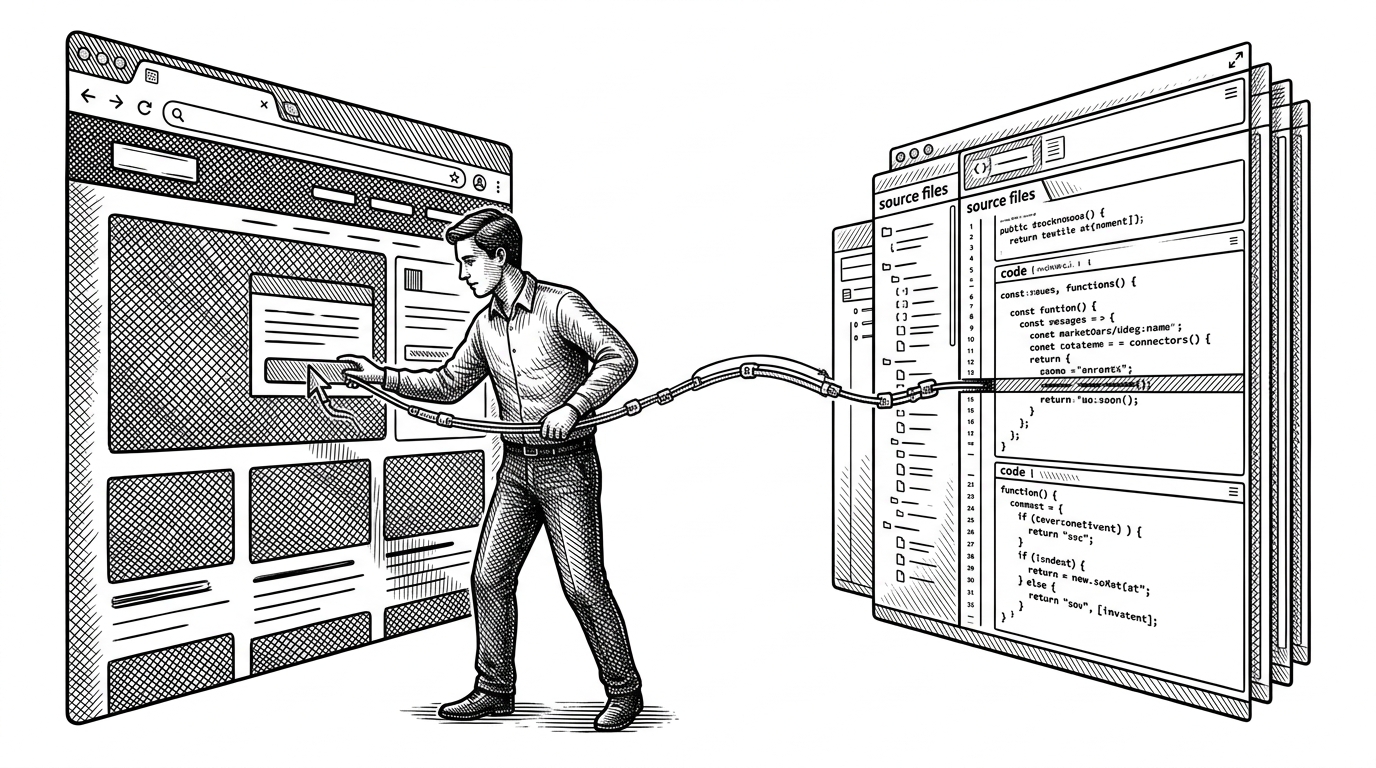
Taste-Skill: The Repo That Turns AI Frontends Into a Taste System
A deep dive into the skill files that fight AI slop with dials, bans, audits, and weirdly specific frontend rules.
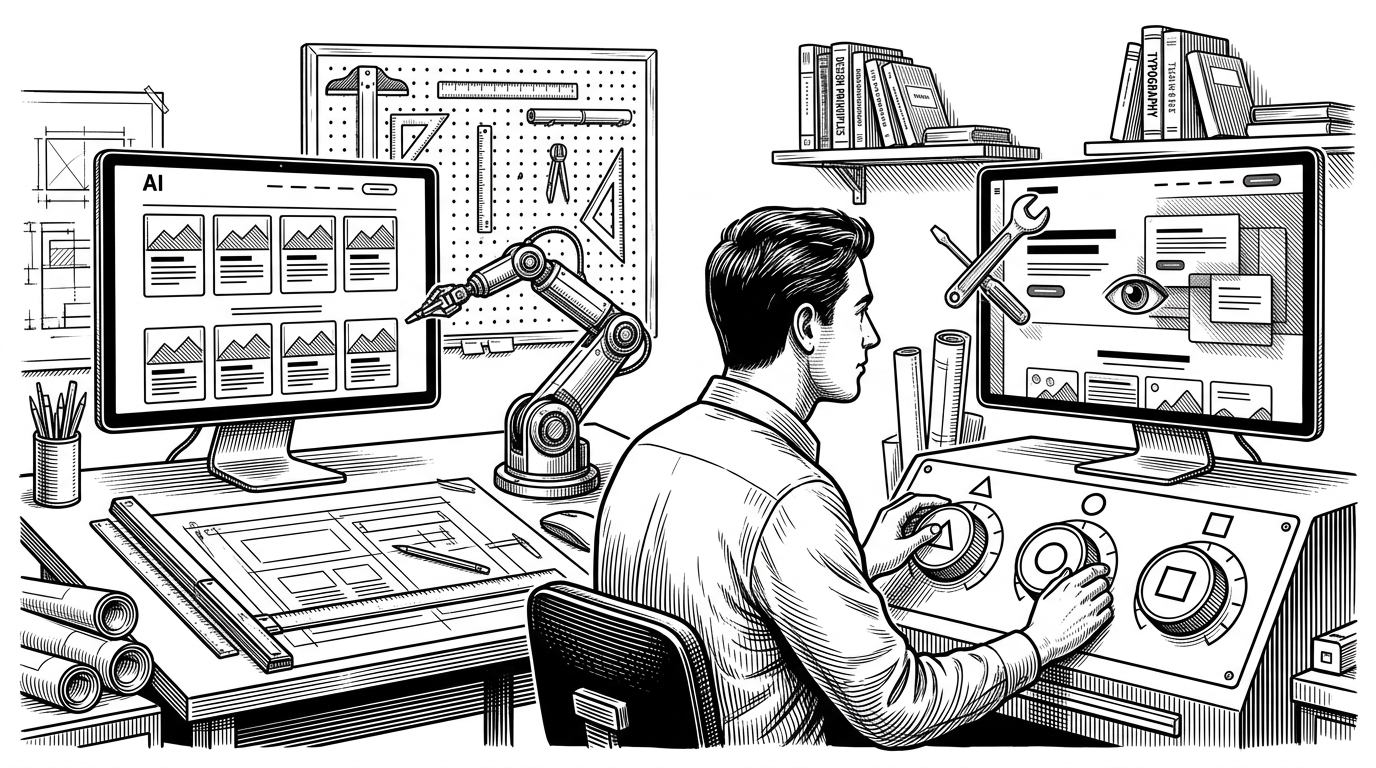
- Taste-Skill turns frontend aesthetics into a system of constraints, not a bundle of vibes.
- Its real invention is parameterization, where design variance, motion intensity, and visual density become adjustable controls.
- The anti-slop rules matter because they remove the model’s most common defaults before output even starts.
- The GPT-specific randomization trick is clever because it pushes the model out of its statistically safest layout choices without abandoning structure.
Why AI Frontends Keep Looking the Same
The problem this repo attacks is easy to recognize. Ask an LLM for a landing page and it often reaches for the same boring answers: symmetric grids, purple gradients, Inter, rounded cards, and a faint smell of template debt. Taste-Skill exists because that pattern is so persistent that it has to be treated like a system failure, not a style preference.
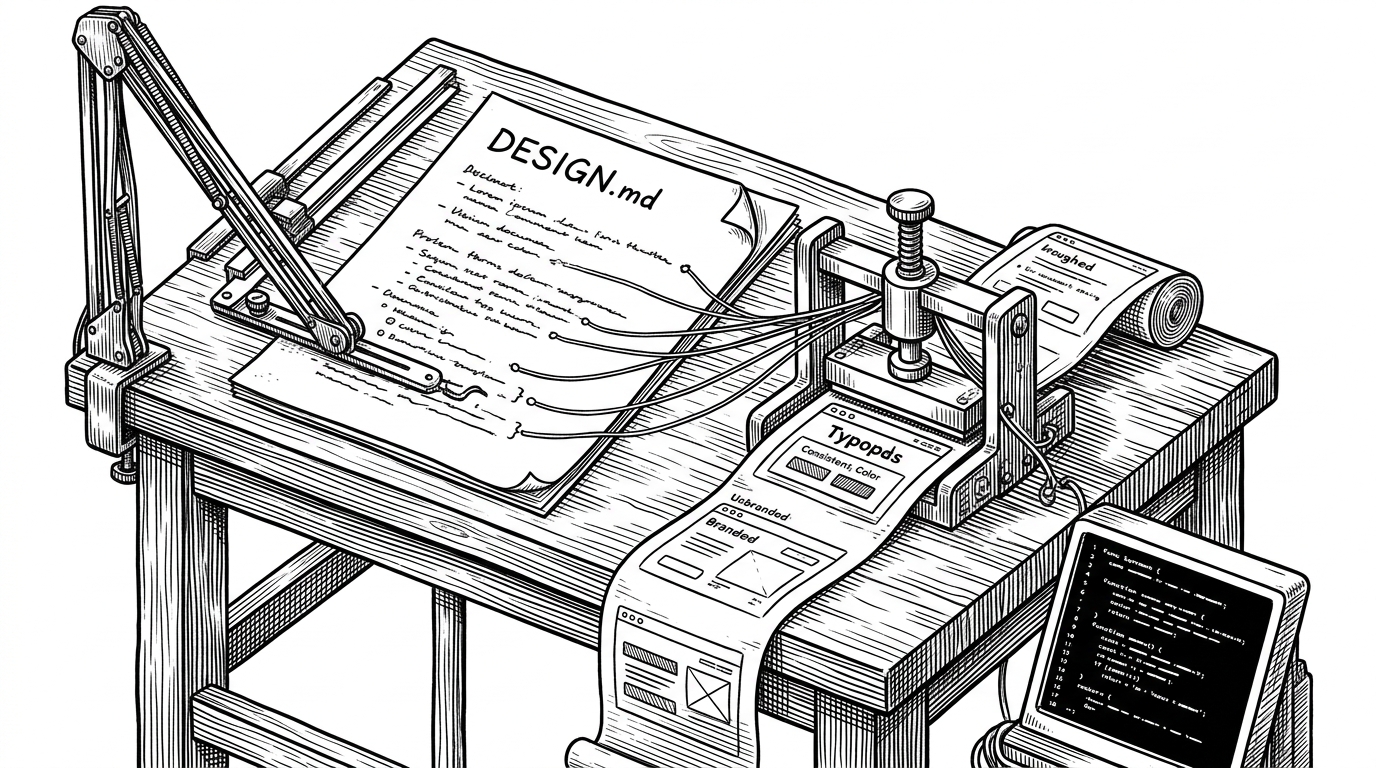
The project’s own README says it plainly: Taste-Skill is a high-agency frontend skill that gives your AI good taste and stops it from generating boring, generic slop. That framing matters. It is not trying to make the model more creative in a vague sense. It is trying to make its output less predictable and less mediocre.
Taste-Skill (High-Agency Frontend) - gives your AI good taste. stops the AI from generating boring, generic, "slop"
Taste as a Controlled System
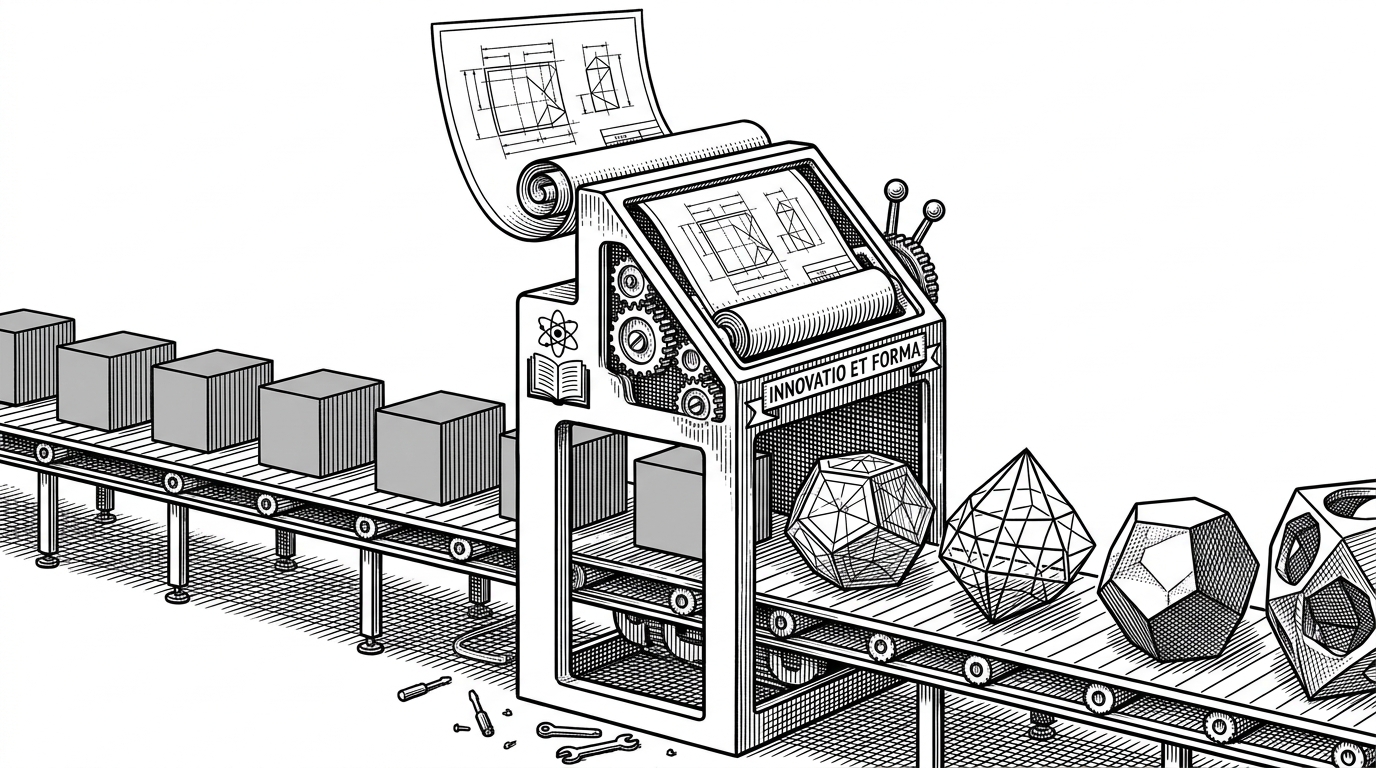
The core move is simple and surprisingly disciplined. Taste-Skill does not ask for better judgment in the abstract. It encodes three dials that shape the output space: DESIGN_VARIANCE, MOTION_INTENSITY, and VISUAL_DENSITY.
| Dial | What it controls | What it prevents |
|---|---|---|
| DESIGN_VARIANCE | How far the layout can move from safe symmetry | All-the-same SaaS pages |
| MOTION_INTENSITY | How animated and kinetic the interface can feel | Dead, static interfaces |
| VISUAL_DENSITY | How packed or airy the composition becomes | Empty pages that look unfinished |
This is the part that feels more like engineering than prompt-writing. The repo is not saying, “be tasteful.” It is saying, “stay inside these operating ranges, then optimize within them.” That is a different contract with the model.
The Anti-Slop Rules Are the Product
The ban list is where the project gets sharp. It targets the giveaways that make AI-made frontends feel interchangeable: Inter, purple-blue gradients, perfect symmetry, weak motion, placeholder truncation, and the usual half-finished code habits. The value is not the ban list by itself. The value is that the bans are treated as first-class design infrastructure.
| Default AI habit | Taste-Skill rule | Effect |
|---|---|---|
| Inter everywhere | Prefer stronger, more distinct type choices | Breaks the generic SaaS look |
| Purple gradient buttons | Ban the familiar gradient crutch | Forces a real palette decision |
| Perfectly symmetric grids | Allow asymmetry and variance | Creates more editorial layouts |
| Truncated output and TODOs | Use enforcement skills to prevent lazy completion | Increases completeness and trust |
It injects opinionated design rules directly into your AI agent's context, replacing generic patterns (3-column grids, gradient buttons, emoji headers) with premium, intentional designs.
That line is the thesis in one sentence. A lot of prompt libraries try to inspire output. Taste-Skill tries to remove the easiest bad decisions first. That is a much stronger move.
The Clever Part: Forcing Randomness Into GPT
The best mechanism in the repo is the GPT-specific variant. Instead of hoping the model wanders away from its defaults, gpt-tasteskill pushes it through a design-plan step that simulates Python-driven randomization. The point is not true randomness as a mathematical ideal. The point is to break the model’s habit of selecting the most statistically obvious layout.
<design_plan>
seed = prompt_length
layout_choice = random.choice(["split hero", "editorial stack", "side rail", "asymmetric grid"])
visual_density = clamp(density, 1, 10)
motion = clamp(motion, 1, 10)
</design_plan>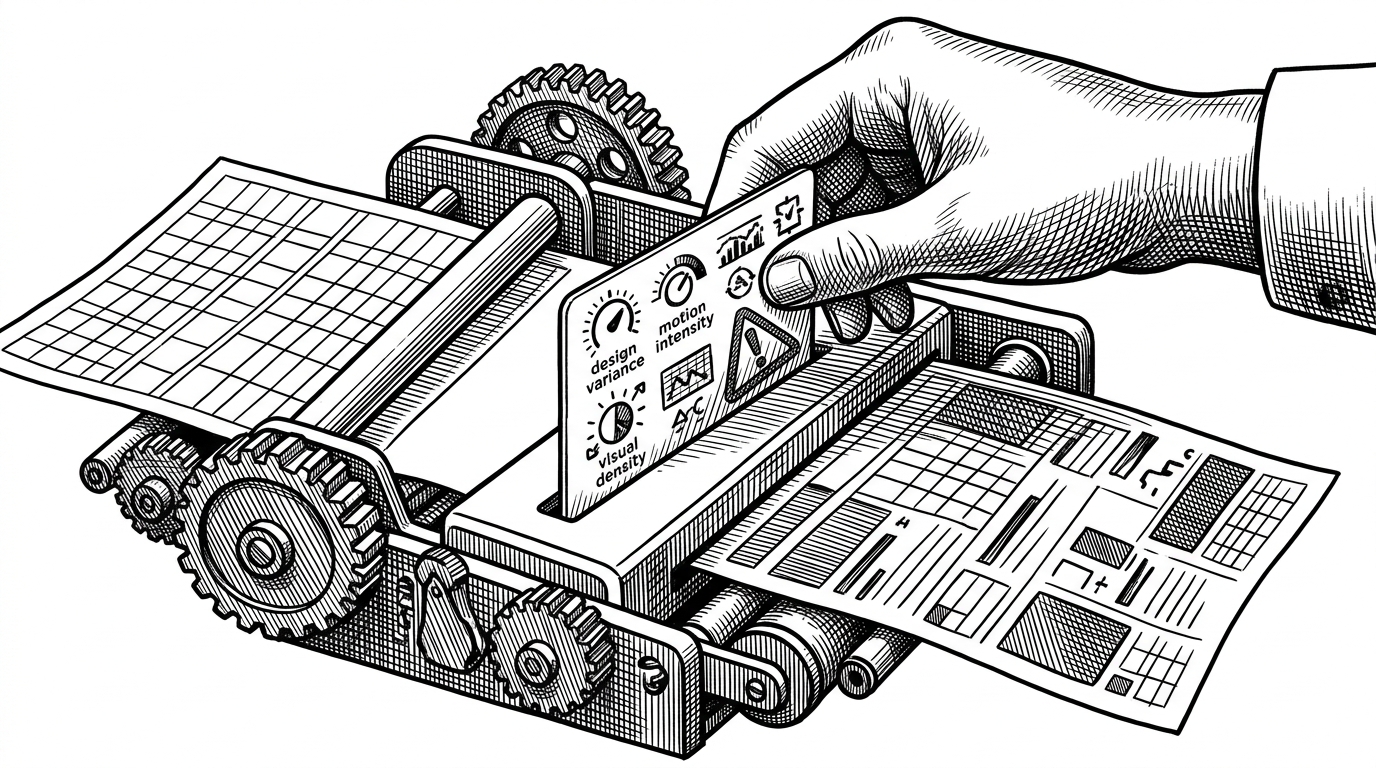
The subtle genius here is that the repo treats taste as a path-selection problem. If the model is nudged into a different branch early enough, the final interface can feel intentional without becoming rigid.
How the Skills Stack Together
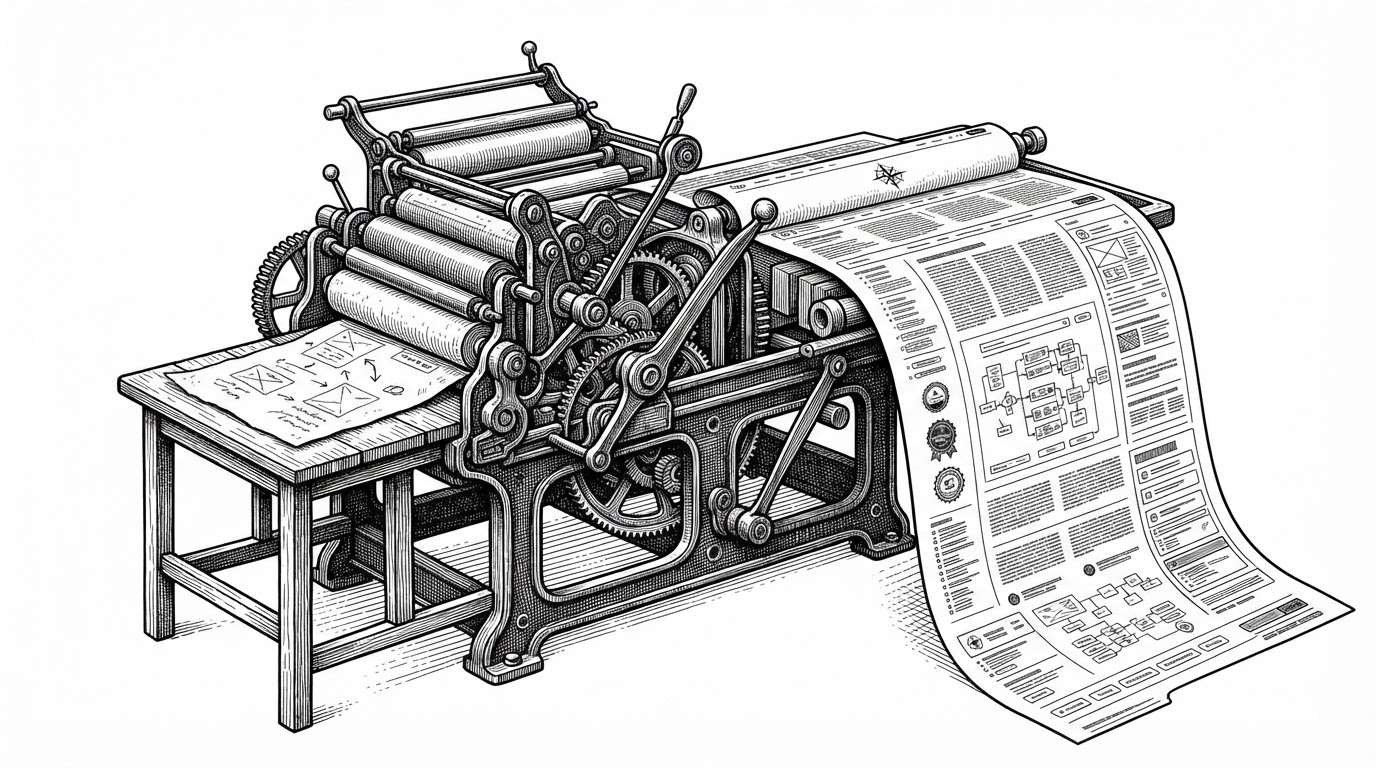
The repo reads like a quality-control pipeline. taste-skill sets the aesthetic operating range. gpt-tasteskill adds extra pressure against default layouts. output-skill makes sure the model actually finishes the work. redesign-skill audits the result and looks for the fingerprints of lazy generation.
| Skill | Job | Why it matters |
|---|---|---|
| taste-skill | Sets the baseline visual system | Creates a repeatable taste envelope |
| gpt-tasteskill | Forces layout variation in GPT models | Breaks deterministic sameness |
| output-skill | Prevents truncation and placeholders | Improves completeness |
| redesign-skill | Scans and corrects AI fingerprints | Acts like a design audit layer |
That stacking is important because it changes how you think about skill files. They are not interchangeable text blobs. They are specialized operators with different responsibilities, which is how the repo avoids becoming a one-note prompt library.
What Makes It Better Than a Cursor Rule File
A one-off rule file can be useful, but it usually behaves like a local patch. Taste-Skill is more portable and more explicit about the problem it is solving. It carries a design language, a set of bans, a parameter system, and supporting skills that enforce and audit the result.
| Dimension | Taste-Skill | Typical rule file |
|---|---|---|
| Portability | Works across agent setups that honor SKILL.md | Often tied to one editor or project |
| Parameterization | Three dials shape the output space | Usually a static instruction list |
| Enforcement | Has output and redesign layers | Depends on the model remembering the rules |
| Reuse | Built as a reusable skill system | Often written for one project only |
| Design intent | Opinionated and research-backed | Ad hoc and inconsistent |
That said, the tradeoff is real. More structure means more context, more assumptions, and less flexibility for teams that want a looser aesthetic. The repo earns that cost by making the output feel intentionally designed instead of merely generated.
The Tradeoff: More Control, More Weight
The strongest systems are rarely free. These skills consume context, prescribe certain libraries and patterns, and can reduce the range of acceptable solutions. If your goal is absolute freedom, this is not that. If your goal is reliable premium frontend output from an agent, the constraint budget is the point.
It's insanely good and suddenly codex is a better frontend agent than claude :D
That reaction captures the allure and the risk. Taste-Skill can make a model feel dramatically better on frontend tasks, but it does so by narrowing the runway. In practice, that is often the right trade.