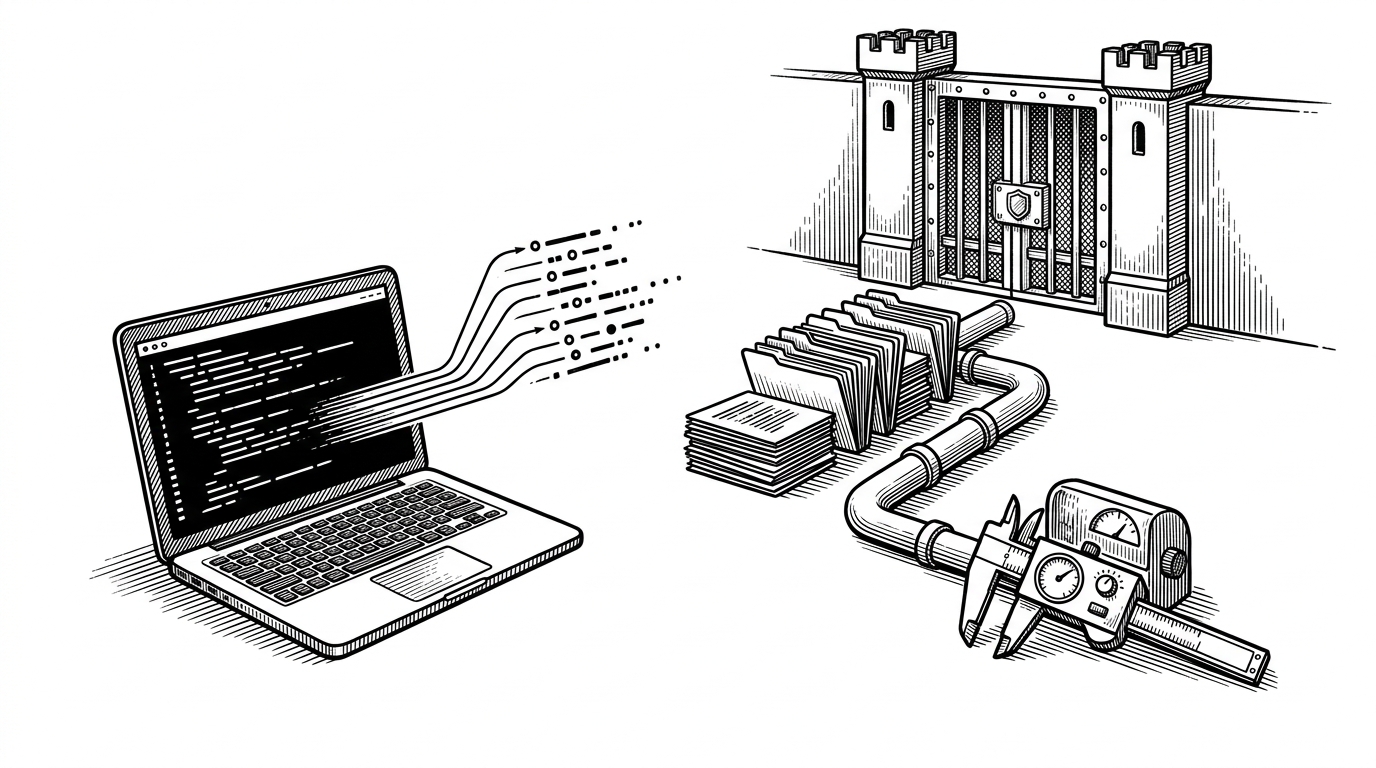
Nightstream: The Post-Quantum zkVM Built Like a Proof, Not a Guess
A lattice-based folding machine in Lean and Rust that turns recursive proving, memory consistency, and future-proof security into one research prototype.
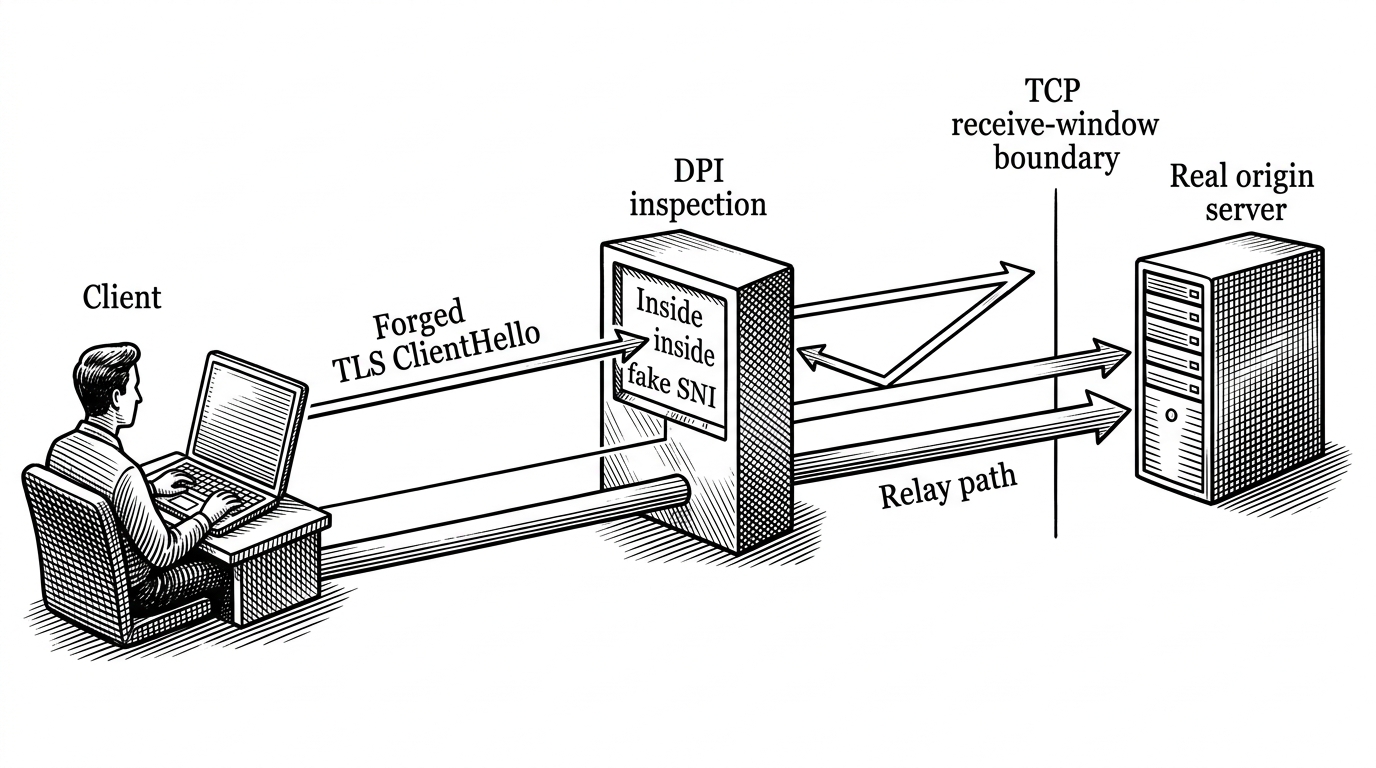
- Nightstream treats post-quantum zkVM design as a formal systems problem, not just a cryptography problem.
- Its Lean-heavy repo signals that specification discipline is part of the security story, not an afterthought.
- The shard pipeline matters because it turns a long execution trace into smaller claims that can be recursively folded and verified.
- Twist and Shout show that memory consistency is a first-class design problem when proofs move across shards.
Most zkVMs are optimized for the cryptographic world we have now. Nightstream is trying to build for the one that may follow, where quantum risk changes which assumptions are safe to lean on.
That is why this repo is interesting even before you unpack the math. It combines lattice commitments, CCS folding, and Lean-heavy specification into one system, which makes it feel less like a single protocol and more like a bet on how future proving infrastructure should be built.
Why Nightstream Exists
The project starts from a simple but uncomfortable premise: a lot of zk infrastructure still depends on assumptions that are not obviously post-quantum. Nightstream’s answer is to move toward lattice-based commitments while keeping the recursive proving shape that makes zkVMs practical.
That combination is the hook. It is not just a faster prover or a different constraint system. It is a proposal for a different trust stack.
The Verification Stack Is the Point
Nightstream is unusually Lean-heavy for a systems repository. That matters because it suggests the authors are not treating formal methods as a side document. They are trying to keep the protocol definition and the implementation close enough that the gap between them stays small.
In practice, that changes the tone of the whole codebase. You see a project that wants cryptographic structure, low-level performance, and machine-checked discipline to reinforce one another instead of competing for attention.
That is the real signal here. The repo reads like an attempt to make correctness part of the performance story.
How the Shard Pipeline Works
The core proving path is recursive. Nightstream does not try to prove a huge execution trace in one shot. It breaks work into chunks, turns each chunk into a structured claim, folds that claim forward, and carries an accumulator into the next shard.
That is the shape behind the names in the repo. The pipeline is less a single proof than a relay race, where each stage hands off a tighter claim to the next stage.
ChunkInput -> prove_chunk_with_perf -> CCS relation -> RLC fold -> DEC proof
               + incoming_main accumulator
               + Twist/Shout memory checks
The architecture matters because it separates responsibilities. Local execution, memory consistency, and recursive accumulation are not fused into one opaque step. They are staged so each claim can be checked, transformed, and passed forward.
Ajtai Commitments Replace the Usual Curve Assumptions
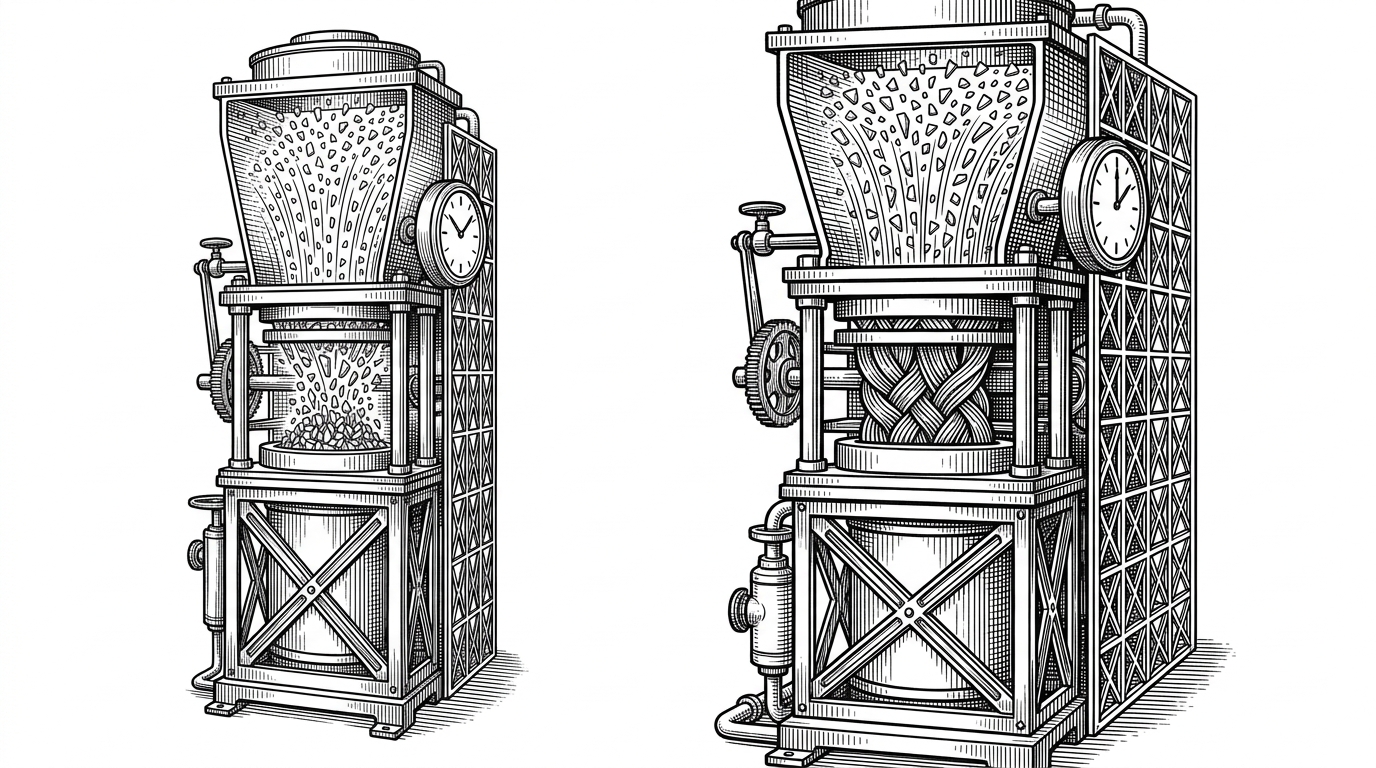
The commitment layer is where Nightstream’s post-quantum bet becomes concrete. Instead of relying on the usual curve-heavy assumptions, it leans on Ajtai-style lattice commitments, which shift the security foundation toward a different class of problems.
The implementation detail that stands out is the rotation optimization around the cyclotomic structure. That is the kind of thing you only build when the math and the CPU budget are both being taken seriously.
This is not abstract cryptography for its own sake. It is a commitment scheme chosen because it fits the design goal: keep the proof system recursive, but make the assumption set more future-resistant.
CCS Lets the Protocol Say More With Fewer Moves
Nightstream uses CCS rather than the more familiar R1CS style because CCS is a better fit for the structure of its proof pipeline. The point is not that CCS is simpler in every sense. The point is that it matches the algebraic shape of the system more naturally.
| Dimension | CCS | R1CS |
|---|---|---|
| Constraint shape | Handles richer multivariate structure directly. | Often requires breaking structure into multiple simpler constraints. |
| Fit for folding | Maps cleanly into the recursive claim pipeline. | Usually needs more translation between layers. |
| Design signal | Lets the protocol express more of the proof natively. | Optimized for a more standard circuit view. |
| Nightstream benefit | Helps the folding stages stay aligned with the mathematics. | Would add friction to the shard-based design. |
A project like this lives or dies on invariants. The fact that the implementation cares about things like the identity structure of the first matrix tells you the system is being engineered around proof discipline, not just performance shortcuts.
Twist, Shout, and the Hard Problem of Memory Across Shards
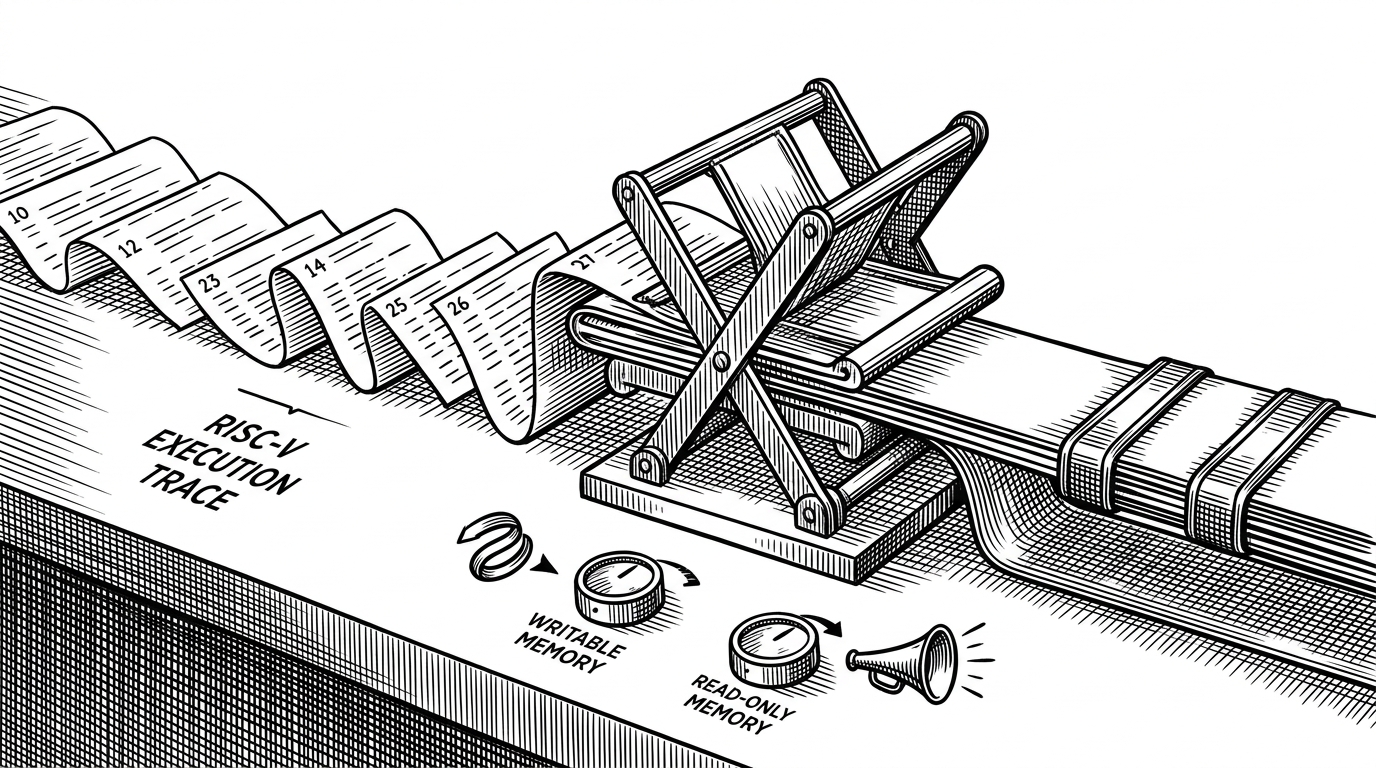
This is the weirdest and most memorable part of the repo. Memory is the hard part of sharding, because a read in one shard has to line up with a write somewhere else in the execution history.
Nightstream’s Twist and Shout naming captures that split cleanly. Twist handles writable memory claims. Shout handles read-only memory claims. Together, they keep memory consistency from becoming a blind spot inside the recursive fold.
That matters because zkVMs are not just proving arithmetic. They are proving execution. Memory is where execution gets real.
| Memory claim type | Role | Why it matters |
|---|---|---|
| Twist | Writable memory checks. | Tracks state changes that must survive folding. |
| Shout | Read-only memory checks. | Confirms reads are consistent with the execution history. |
| Together | Shard-local memory proof. | Prevents the recursive pipeline from drifting away from the program trace. |
Where Nightstream Fits in the zkVM Landscape
Nightstream does not read like a mainstream product. It reads like a research prototype that is trying to widen the design space. That makes it adjacent to the current zkVM world, but not reducible to it.
| Axis | Nightstream | Mainstream zkVM direction |
|---|---|---|
| Security posture | Post-quantum leaning through lattice commitments. | Often built on curve-based or FRI-centered assumptions. |
| Proof organization | Shard-based recursive folding through CCS and RLC. | Typically optimized around a different recursion or proving stack. |
| Engineering style | Lean-heavy, spec-aware, correctness-first. | Usually more implementation-first than formally specified. |
| Strategic position | A prototype for a future trust model. | An optimized system for today’s assumptions. |
That is the larger story. Nightstream is not trying to win a benchmark tweet. It is trying to show what zk infrastructure could look like if post-quantum assumptions and formal verification were treated as core requirements.
What This Repo Says About the Future of zk Infrastructure
Nightstream suggests a future where proving systems are designed as tightly specified stacks, not just collections of clever primitives. The repo’s mix of Lean, Rust, lattice commitments, shard folding, and memory arguments points to a world where cryptography, implementation, and verification are no longer separate conversations.
That is what makes it worth paying attention to. Even as a research prototype, it sketches a serious answer to a serious question: how do you build zero-knowledge infrastructure that still feels trustworthy when the underlying threat model changes?