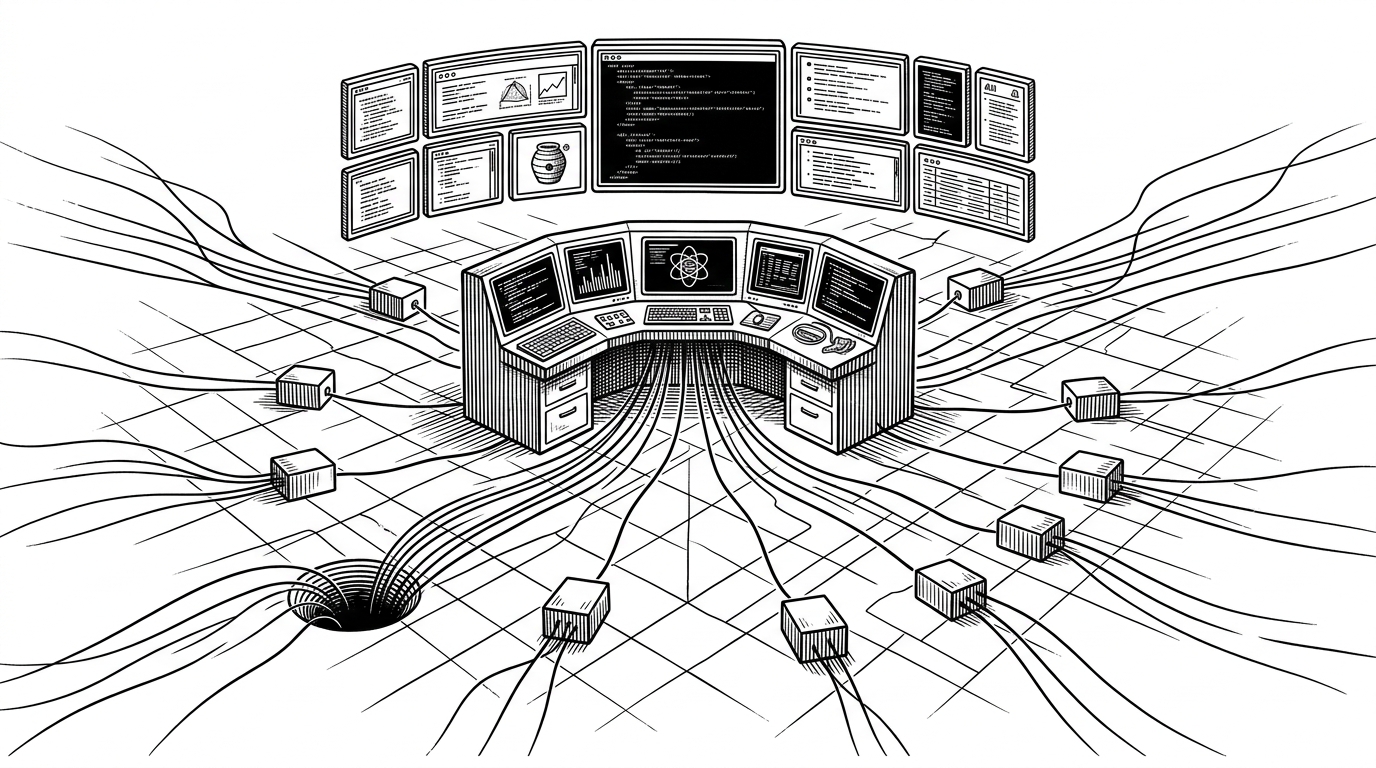
Threat-Intel-Nom-Nom: The open-source TIP that only pings you when the threat is actually new
A self-hosted threat-intel stack that watches websites, RSS, APIs, and .onion sources, extracts IOCs, and uses content-plus-context hashing to cut alert fatigue before it starts.
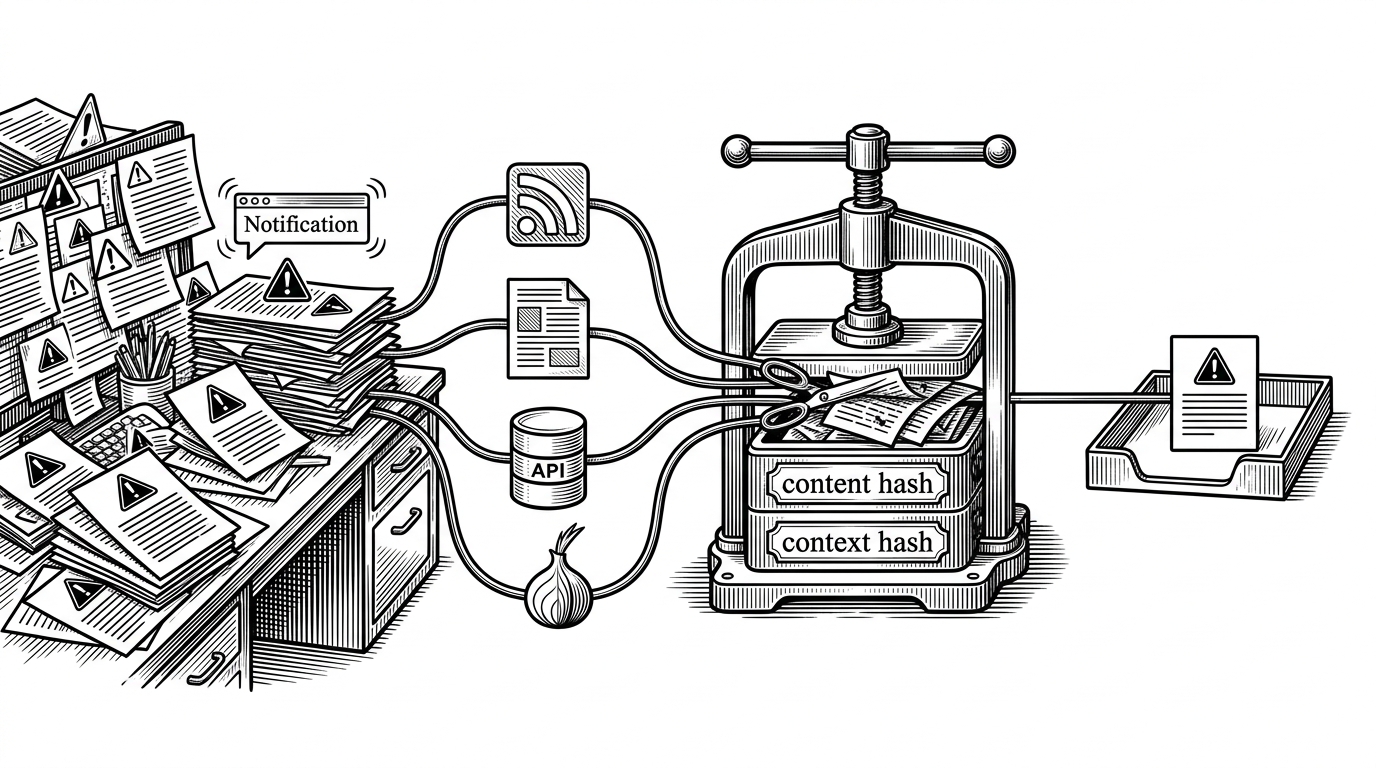
- Threat-Intel-Nom-Nom’s real trick is not broader collection, but deduplication that suppresses repeated mentions before they become analyst noise.
- Its two-tier hashing model treats a changed page and a new threat mention as separate problems, which is why it can stay quiet when the relevant sentence has not changed.
- The stack feels operational, not experimental, because it combines Tor-aware collection, IOC extraction, alerts, and Dockerized deployment in one self-hosted system.
- Compared with MISP, OpenCTI, TheHive, and Minemeld, this repo sits earlier in the workflow as a focused ingestion and filtering layer rather than a full threat-intel platform.
Why alert fatigue is the real problem
Threat feeds are noisy by default. Pages change for reasons that have nothing to do with new intelligence, and most tools still forward every change as if it matters. Threat-Intel-Nom-Nom starts with the more useful question: did anything actually new appear?
That matters because analysts do not need more data. They need fewer false positives, fewer duplicate mentions, and a cleaner path from raw source to actionable IOC. This repo aims to cut the noise at ingestion, not after the inbox has already filled up.
The nom nom trick: page hashes are not enough
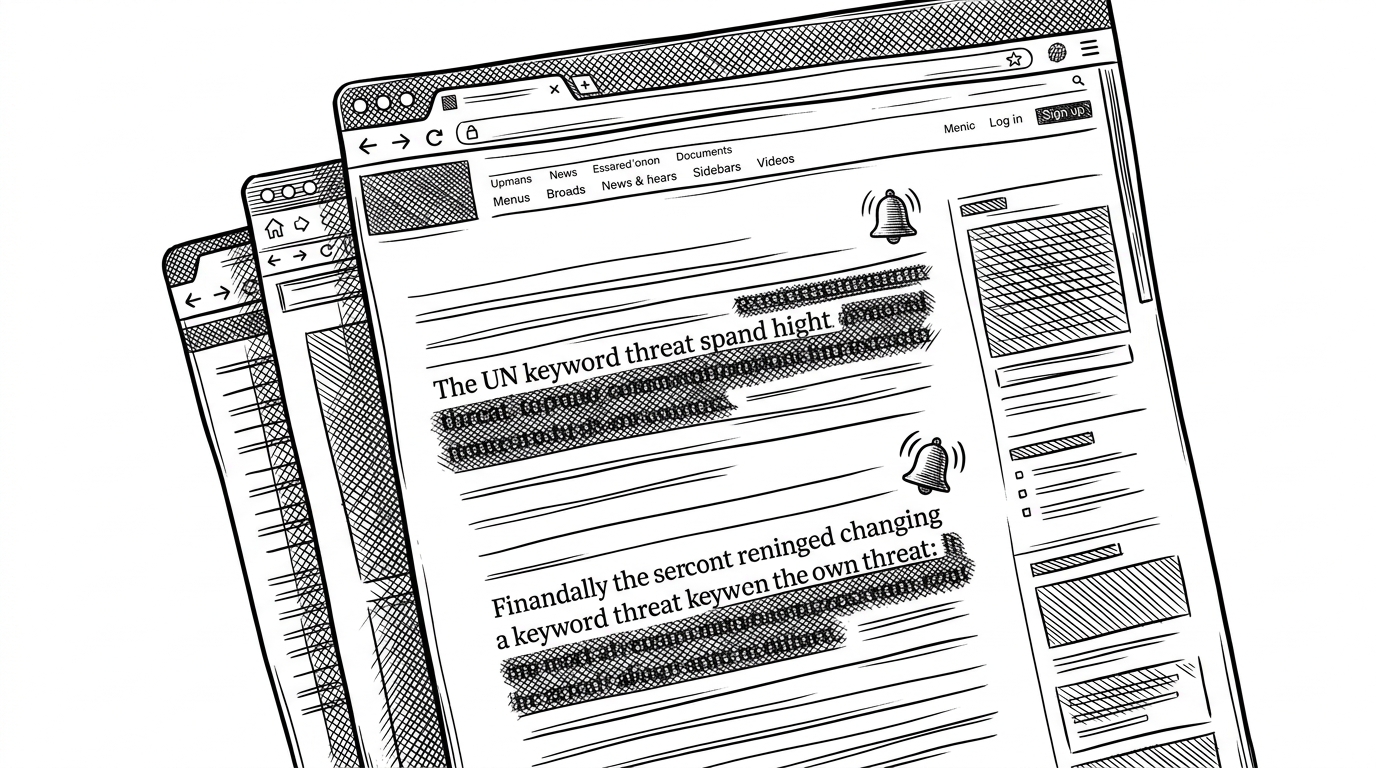
The distinction is subtle but important. A content hash tells the system whether a page changed. A context hash tells it whether the specific mention worth alerting on changed. The first keeps fetch cycles efficient. The second keeps the analyst quiet unless the signal is genuinely new.
That is the project’s best idea. It does not just scrape more web pages. It turns repeated threat chatter into a controlled comparison problem.
How it watches the web without being loud
The collection layer treats each source type on its own terms. RSS feeds, regular websites, APIs, and .onion addresses are not interchangeable, and the repo does not pretend they are. Tor support is first-class, which matters if you want to monitor hidden services without leaking where your request came from.
Source types
  RSS -> parser
  Website -> fetch + clean HTML
  API -> normalize JSON or feed template
  .onion -> Tor proxy -> fetch

Shared pipeline
  normalize -> extract -> hash -> alert
This is where the self-hosted stack earns its keep. FastAPI handles the API layer, Celery runs background work, PostgreSQL stores state, Redis brokers jobs, and Tor sits beside the fetchers. The result is a compact operator tool, not a collection of disconnected scripts.
What gets extracted, and what gets ignored
The repo’s IOC logic is pragmatic. It looks for CVEs, IPs, hashes, and domains, then filters out junk that would otherwise pollute the results. Private IPs do not belong in public threat intel. Neither do obviously fake hashes.
| Signal type | What it catches | What it ignores |
|---|---|---|
| CVE | Known vulnerability identifiers | Anything that is not a valid CVE pattern |
| IP address | Public network endpoints | Private or internal IP ranges |
| Hashes | MD5, SHA-1, SHA-256 style indicators | All-zero values and obvious placeholder junk |
| Domains | Suspicious hostnames and infrastructure | Malformed or irrelevant text fragments |
That filtering philosophy is the point. Good threat intel extraction is not just about finding matches. It is about refusing to promote junk into a real alert.
Why this feels bigger than a hobby tool
The repo is small, but it is not flimsy. Preconfigured feeds, multiple alert channels, and Docker-based deployment make it usable without a lot of ceremony. For a security team, that matters more than a grand platform story.
The practical payoff is simple: you can stand up a threat monitor that reaches into surface web sources and onion services, extracts useful indicators, and stays quiet when it has already seen the same sentence. That combination is rare in a tool this focused.
What it replaces, and what it doesn’t
| Project | Primary job | Where it sits in the workflow | How it differs here |
|---|---|---|---|
| Threat-Intel-Nom-Nom | Collect, extract, dedupe, alert | Early ingestion and signal filtering | Narrower, lighter, and focused on noise control |
| MISP | Store, share, and correlate IoCs | Broader intel management layer | Heavier platform with collaboration and sharing |
| OpenCTI | Model threat knowledge and relationships | Knowledge graph and analysis layer | Built for structured context, not lean collection |
| TheHive | Incident response and case management | Investigation and response layer | Oriented around analyst workflows, not feed scraping |
| Minemeld | Aggregate and filter indicators | Processing framework | Closer in spirit, but less centered on mention-level novelty |
The cleanest way to say it is this. Threat-Intel-Nom-Nom is not trying to be a full cyber threat-intelligence universe. It is trying to be the part that listens, dedupes, and only bothers you when the news is actually new.
Who built it, and why that matters
This is a one-maintainer project from LuemmelSec, and that shows in the shape of the work. The stack is opinionated, the deployment path is practical, and the feature set points toward immediate utility rather than platform theater. That is often what makes a small security tool worth watching.