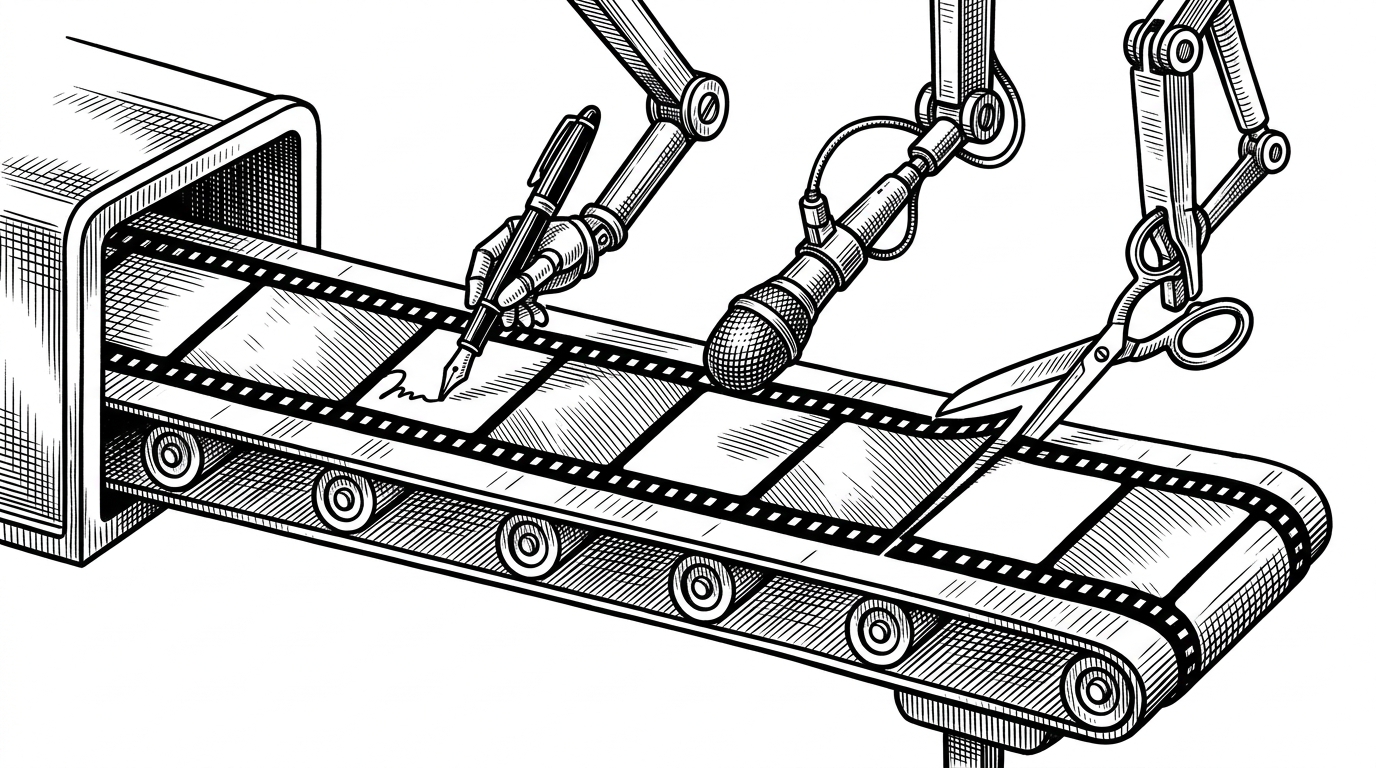
SpecForge AI Is an AI Compiler for Product Requirements
It does not just summarize requests. It turns vague client intent into structured requirements, tasks, and sprint-ready work through a type-safe planning pipeline.
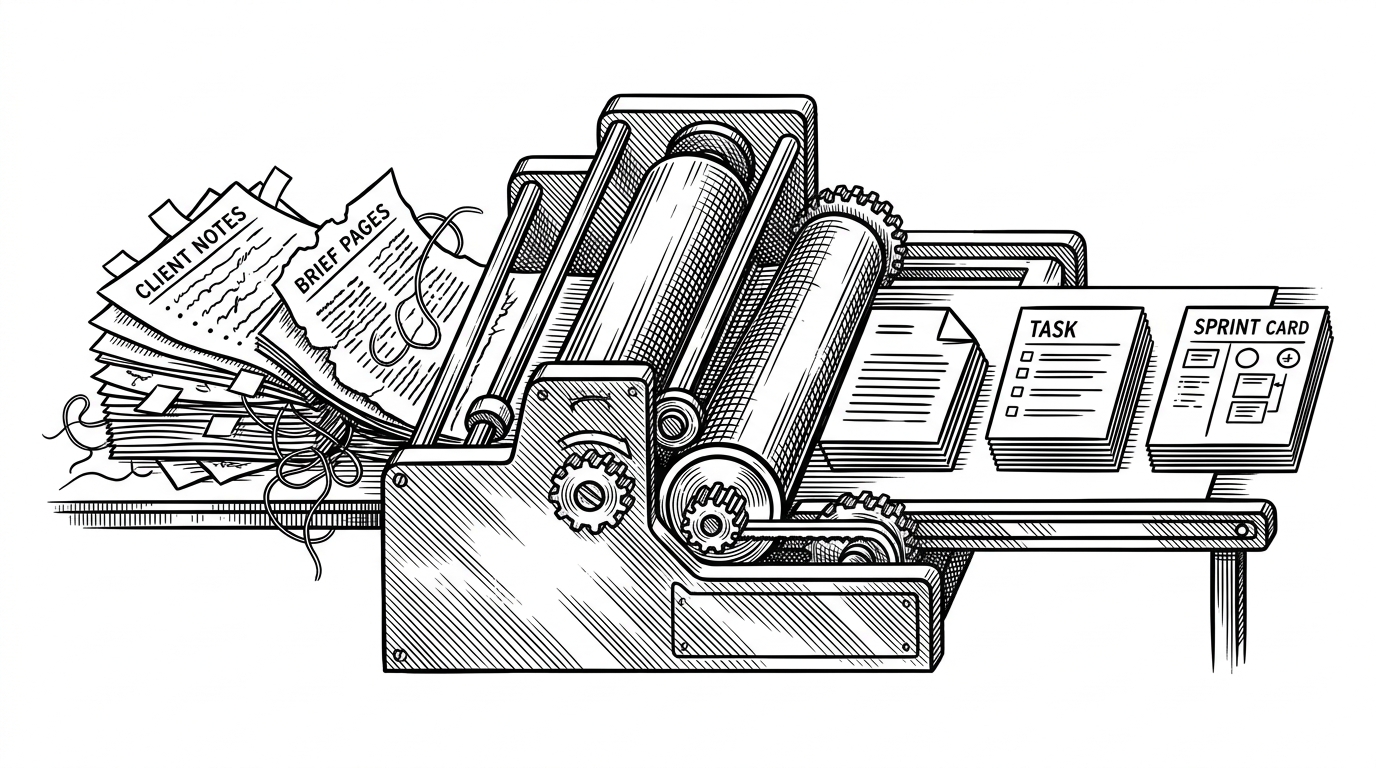
- SpecForge AI treats LLMs as a structured planning layer, not a conversational assistant.
- Its real innovation is schema-bound output that can survive the handoff from analysis to database-backed execution.
- The stack is built to keep the model honest, with TypeScript, Zod, Prisma, and Postgres working together as a validation chain.
- Capacity-aware sprint planning pushes the project past ticket generation and toward real project orchestration.
The AI Does the Planning, Not Just the Talking
Most AI tools stop at prose. SpecForge AI keeps going. It takes a messy client brief, turns it into structured analysis, and then converts that analysis into engineering tasks that can be assigned, tracked, and stored.
That shift matters because the expensive part of software work is often not typing code. It is deciding what the work actually is, how to split it, and how to preserve that structure when it reaches the team.
Why Requirements Are the Real Bottleneck
Requirements are where ambiguity lives. They arrive as half-finished ideas, conflicting assumptions, and language that sounds specific until somebody tries to build from it. SpecForge aims at that problem directly.
| Approach | Input | Output | Risk |
|---|---|---|---|
| Generic chat assistant | Natural-language prompt | Helpful prose | Low structure, hard to operationalize |
| Traditional PM tool | Manually entered tickets | Stable workflow objects | Manual decomposition still required |
| SpecForge AI | Client requirement text | Validated analysis, tasks, and sprint items | Depends on schema discipline |
The Pipeline From Requirement to Sprint
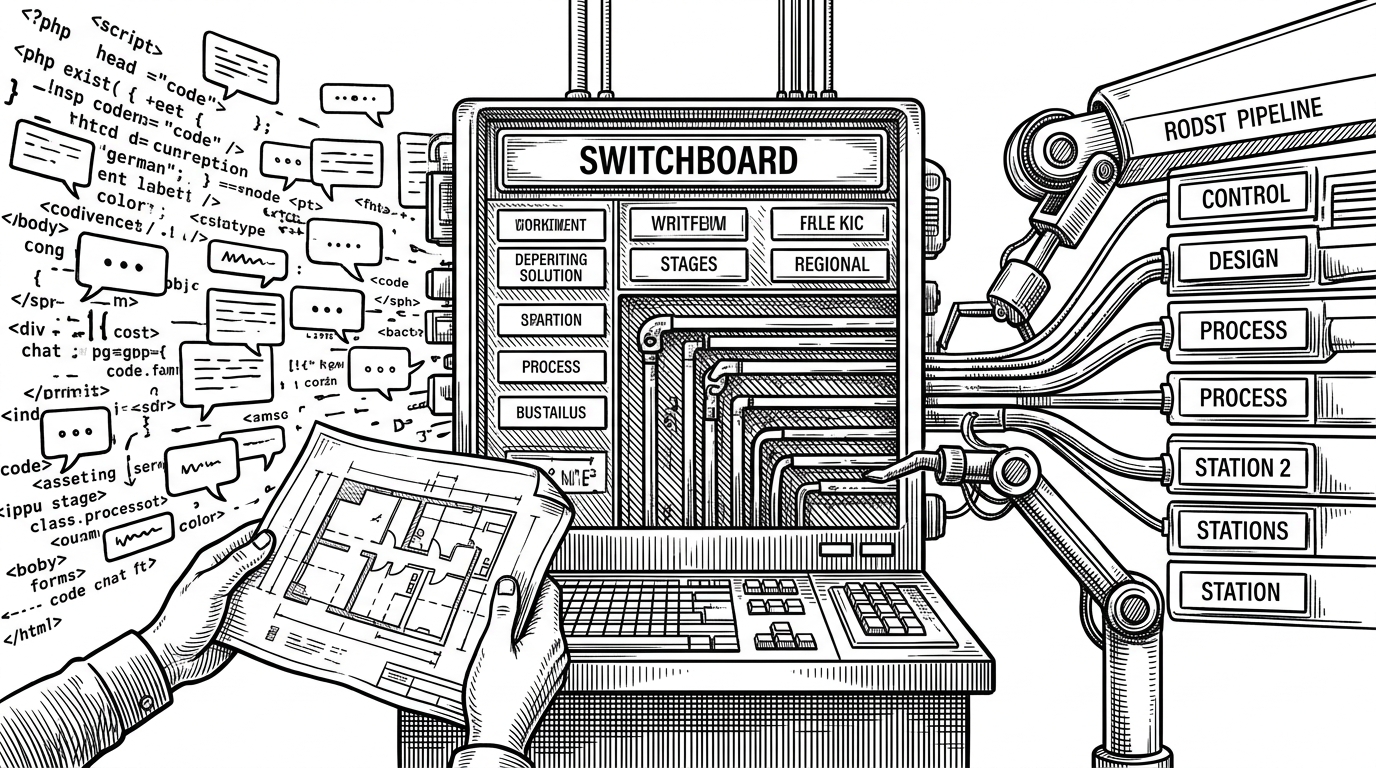
The backend exposes a simple story with a stricter shape underneath it. A requirement is analyzed through the model, that analysis is used to generate tasks, and the resulting work items are assigned into sprint planning structures.
The important detail is not that AI participates. It is that the output is shaped like machine-readable work from the start. That is what makes later persistence, assignment, and planning possible.
Why Structured Output Is the Real Innovation
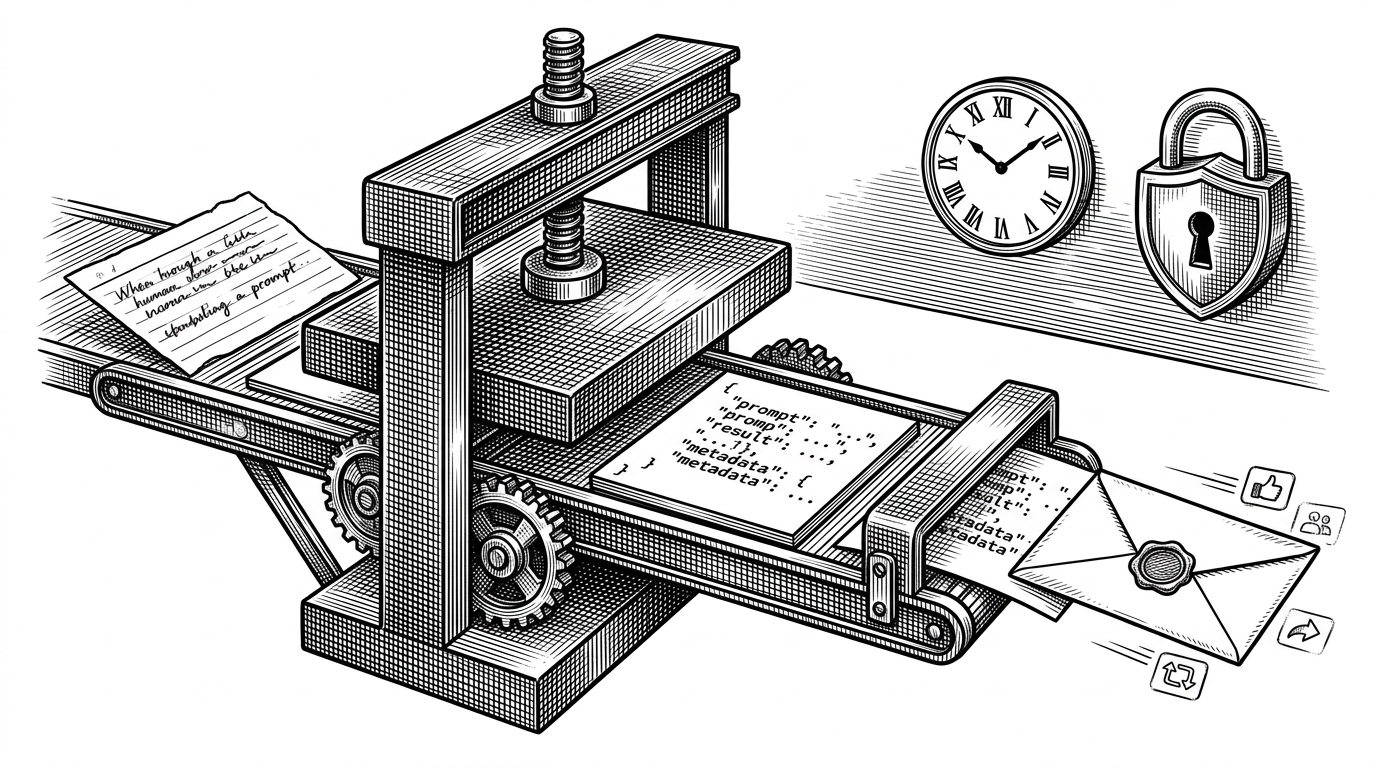
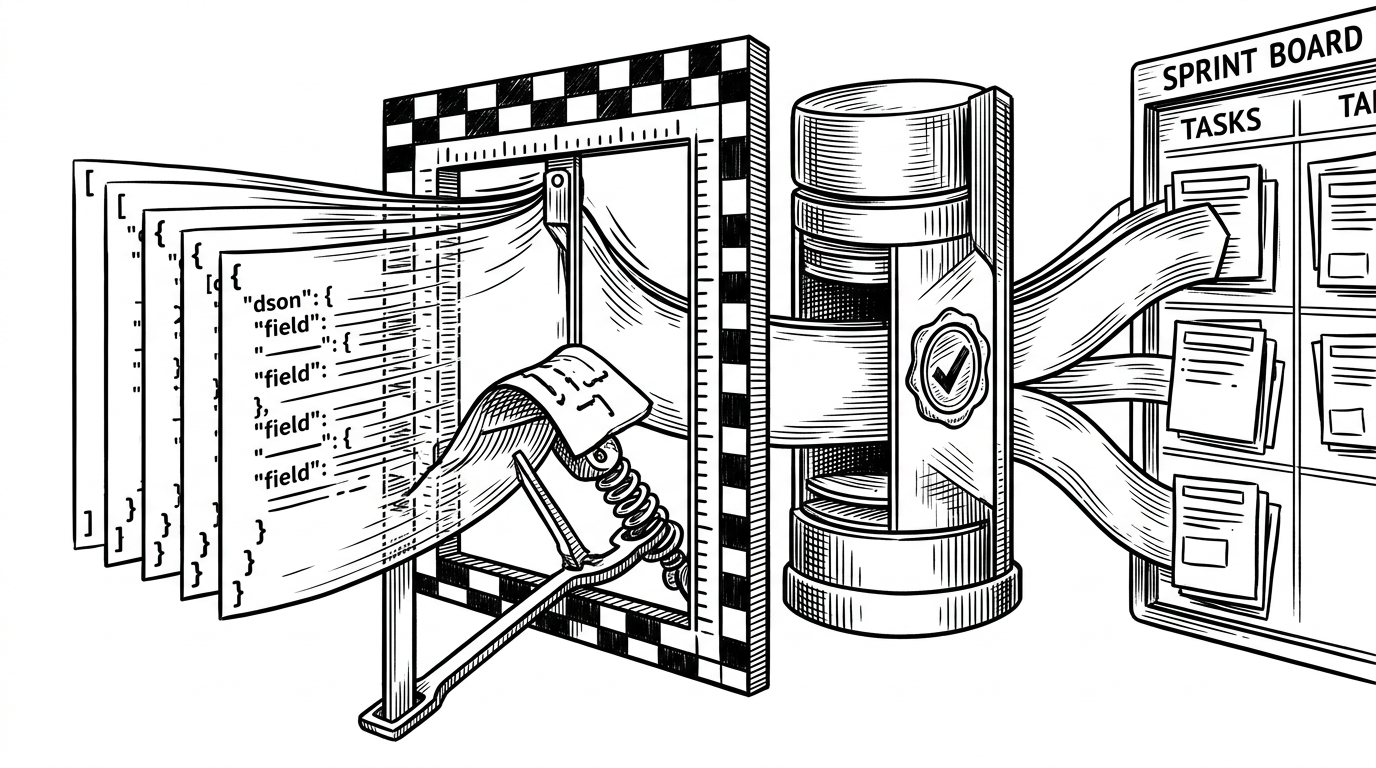
This repo’s strongest technical idea is also the least flashy. It constrains the model with schemas, validates the response with Zod, and stores the result through Prisma-backed persistence. That turns a probabilistic model into something closer to a reliable input stage.
In other words, the AI is not allowed to freestyle. It has to fit the shape the application expects. That constraint is what makes the rest of the product possible.
| Layer | Role | Why it matters |
|---|---|---|
| TypeScript | Keeps the full stack consistent | Reduces drift between frontend, backend, and data models |
| Zod | Validates model output | Rejects malformed or incomplete structures before they spread |
| Prisma | Writes structured data to Postgres | Makes AI output durable instead of transient |
| Groq | Runs model inference quickly | Keeps the planning loop responsive enough to feel interactive |
The Stack Is Built to Keep the AI Honest
The implementation choices are practical, not decorative. The backend uses Express, the frontend uses Next.js, and the database layer uses PostgreSQL with Prisma. CI then pushes the whole chain through migrations, tests, and smoke checks.
That combination matters because planning software breaks when its state is sloppy. If the app cannot trust a requirement analysis, it cannot safely generate tasks from it. SpecForge’s stack is arranged around that fact.
Capacity-Aware Planning Is What Makes This Feel Real
A simple ticket generator can produce chores. SpecForge tries to produce an actual plan. The difference is capacity. Sprint assignment only works if the system knows how much bandwidth exists and where the work can fit.
That is where the project starts to feel like a real management system instead of an AI demo. It is not just creating output. It is making placement decisions inside a constrained workflow.
| System | What it produces | What it understands |
|---|---|---|
| AI chat assistant | Advice and summaries | Language, loosely |
| Ticket generator | Flat issues | Tasks, but not planning context |
| SpecForge AI | Analyzed requirements and sprint-ready work | Structure, dependencies, and capacity |
Where It Sits in the Market
SpecForge sits between familiar categories. It is more structured than a chatbot, more automated than a PM tool, and more planning-oriented than a ticket filler. That middle ground is the point.
The product is interesting because it answers a harder question than “Can AI write tasks?” It asks whether AI can become part of the system that decides how work exists in the first place.
What This Repository Suggests About the Future of PM Tools
The broader implication is clear. Project management software may increasingly behave like a compiler for human intent. You give it rough language, and it gives you structured work that other systems can actually consume.
SpecForge AI is not finished doctrine. It is a strong prototype of that future. And it is more compelling than a chat wrapper because it respects the boundary between generating ideas and producing operational structure.