BypassAV: The Mind Map That Teaches How AV Evasion Fits Together
A curated offensive-security knowledge base that replaces “just run the tool” with a structured path through loaders, sleep obfuscation, indirect execution, and the manual techniques EDRs struggle to fingerprint.
- BypassAV is valuable because it turns AV and EDR evasion into a navigable curriculum, not a pile of tricks.
- Its manual-first bias matters because public tools are easier to fingerprint than the underlying technique chain.
- The loader model gives the repo its spine, linking allocation, transfer, execution, and later-stage evasion into one mental model.
- MarkMap is not decoration here, because the visual structure makes a non-linear security field easier to learn and revisit.
Most security repos try to help you act faster. BypassAV tries to help you think more clearly. That is the difference between a tool and a curriculum, and it is why this project stands out in a crowded offensive-security landscape.
Why a Mind Map Beats a Tool Repo
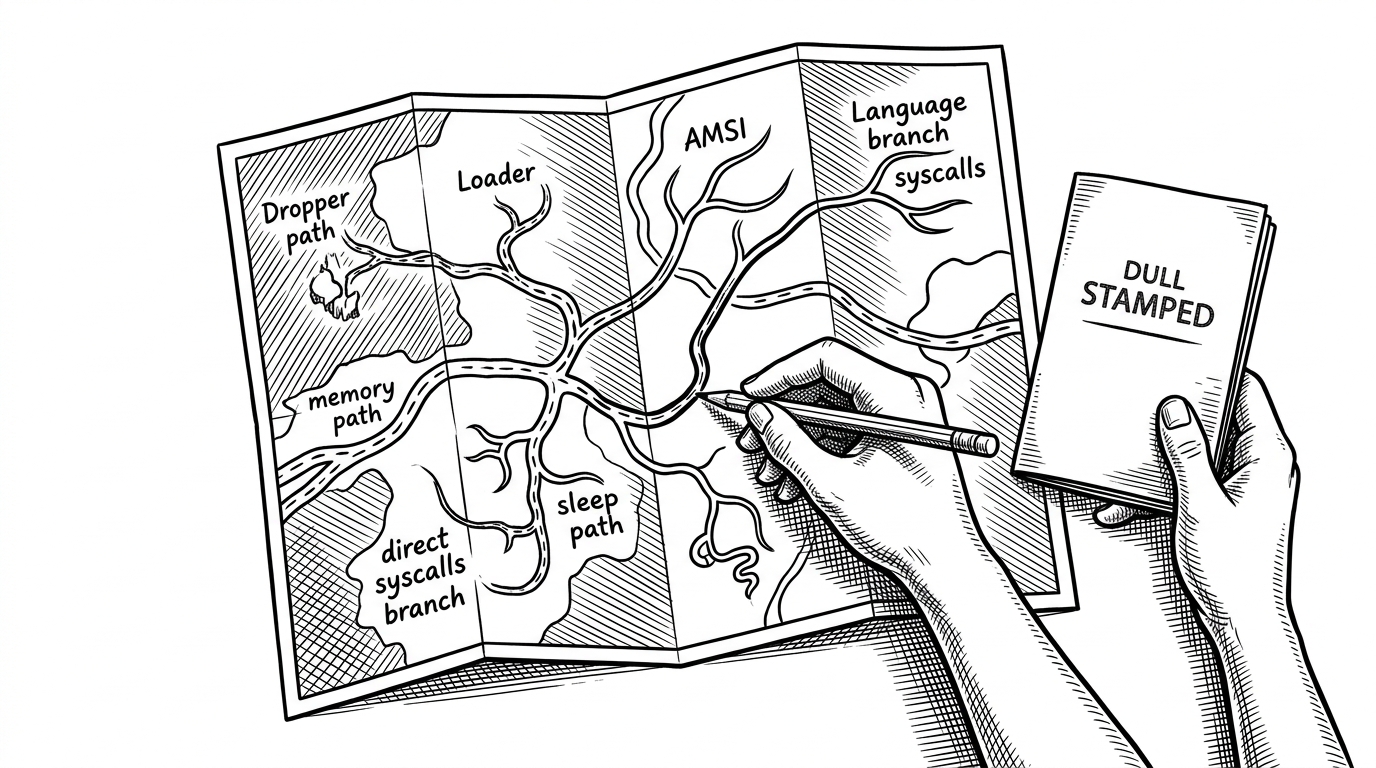
The repo’s core idea is simple: AV and EDR evasion is too fragmented to learn from a single exploit, but it is still organized enough to map. BypassAV compresses blog posts, snippets, and techniques into one visual taxonomy, so the reader can move from delivery to execution to obfuscation without losing the thread.
This map lists the essential techniques to bypass anti-virus and EDR
That framing matters because public payloads age quickly. Once a technique becomes popular enough to be copied, defenders start keying on its fingerprints. BypassAV leans into the opposite instinct: understand the move before you automate it.
The Manual-First Doctrine
as a reminder: it is highly recommended to read the articles related to manual techniques rather than using open source tools which are more likely to be suspected by the anti-virus because of IOSs
The wording is a little rough, but the point is sharp. Tooling is convenient, but tooling is also visible. In an arms race, the most durable advantage is often knowing how to do the job without the noisy wrapper that everyone else can fingerprint.
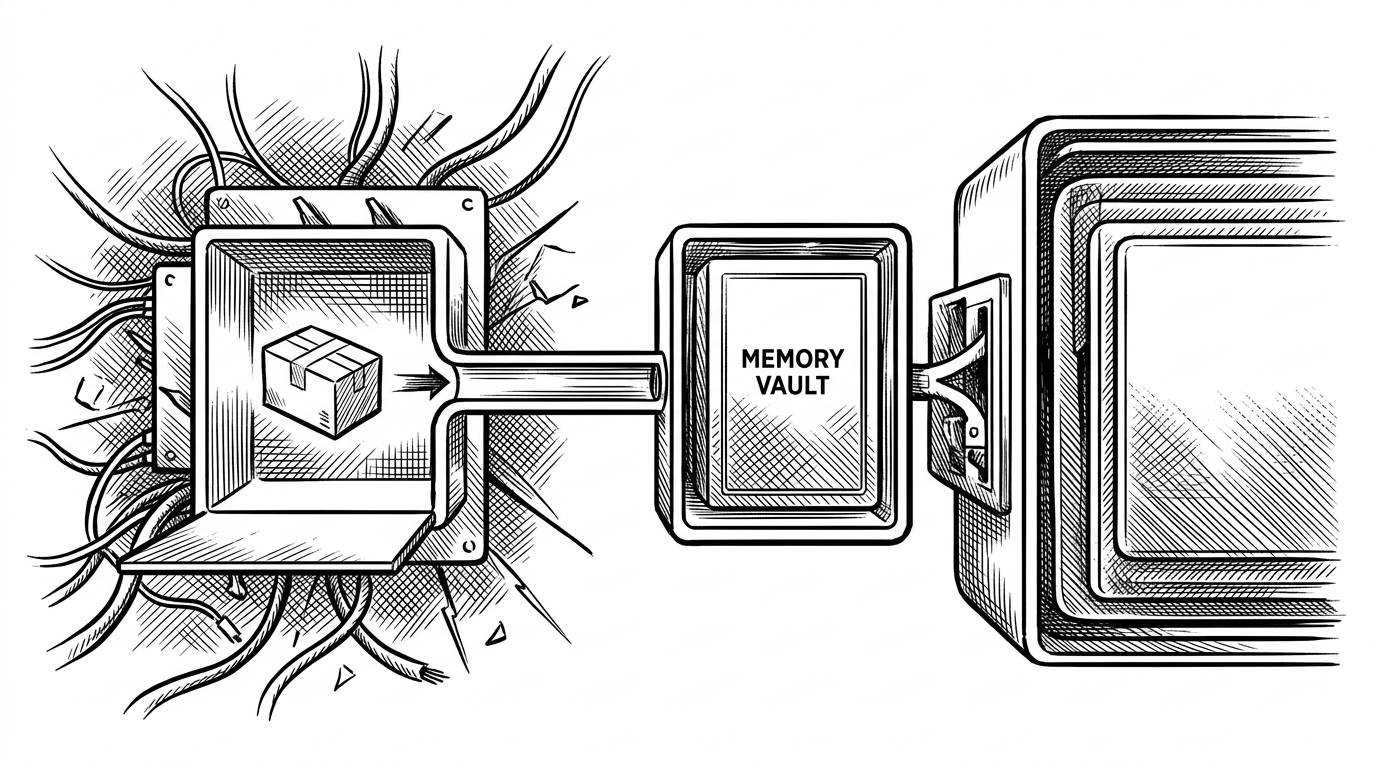
The README’s reminder points to a simple lifecycle: Allocate -> Move -> Execute. That shorthand is the repo’s real pedagogical move. It reduces the loader problem to a sequence the reader can reason about before adding the layers that make detection harder.
How the Taxonomy Is Built
The repository is organized like a knowledge graph rather than a checklist. It separates droppers from loaders, then fans out into static obfuscation, dynamic obfuscation, sleep tricks, indirect execution, AMSI bypass themes, and language-specific implementations. That structure is useful because the same technique can live at multiple layers of the stack.
| Repo pattern | What it optimizes for | What it gives up |
|---|---|---|
| BypassAV | Orientation and conceptual fluency | Immediate execution |
| Metasploit | Broad exploitation and payload delivery | Narrower conceptual overview |
| Veil-Evasion | Automated payload generation | Breadth of technique coverage |
| The FatRat | Convenience and backdoor creation | Depth of technical explanation |
| Blogs and courses | Deep single-topic analysis | One consolidated map |
That taxonomy also explains why the repo feels broader than a list of links. It is not just cataloging tools. It is teaching the reader how to classify a problem before reaching for a solution.
Why Exotic Languages Keep Showing Up
The language spread is not trivia. C, C++, Go, Nim, Rust, Ruby, and .NET point to a shift in how attackers think about detection surface. If defenders pattern-match the usual Windows-facing script and binary habits, changing the runtime can be as important as changing the technique.
That is why languages like Nim and Rust keep appearing in loader examples. They are not magic. They are a way to alter assumptions, reshape the binary, and make simple signatures less reliable.
The Loader Is the Real Story
The loader is the repo’s most important abstraction because it is where theory becomes behavior. Once code is in memory, the game shifts from delivery to residency, from obvious APIs to quieter execution paths, and from static artifacts to state changes that happen only when the process wakes up or moves sideways.
That is where techniques like direct syscalls, DInvoke, sleep obfuscation, and other memory-first patterns matter. The naming can be intimidating, but the logic is consistent: reduce the parts defenders can easily inspect, and move the interesting work into places that are harder to fingerprint.
BypassAV vs. the Automation Stack
| Project | Primary role | Main advantage | Main limitation |
|---|---|---|---|
| BypassAV | Knowledge base | Teaches technique selection | Does not run anything |
| Metasploit | Exploit framework | Fast execution | Tool fingerprints are visible |
| Veil-Evasion | Payload generator | Automates common evasion paths | Narrower than the whole field |
| The FatRat | Backdoor builder | Convenient packaging | Less useful as a learning map |
| Course and blog ecosystem | Long-form instruction | Deep context | Scattered across sources |
The important distinction is that BypassAV solves orientation, not delivery. That makes it more durable than a tool repo in one sense and less immediately useful in another. For a practitioner trying to stay current, that trade-off is often the right one.
What This Repo Says About Modern Red Teaming
The deeper lesson is not that AV evasion is clever. It is that modern offensive security rewards conceptual fluency. The projects that age well are often the ones that help readers understand how a field is organized, so they can adapt when the easy path gets burned.
BypassAV is interesting because it treats a fast-moving arms race like a map, not a myth. That is a rare and useful move.