Inside `dictionary-of-ai-coding`: A Glossary That Compiles the Language of AI Coding
A TypeScript generator, a curriculum file, and a single flattened README turn a pile of Markdown terms into a controlled vocabulary for the age of agents, MCP, and vibe coding.
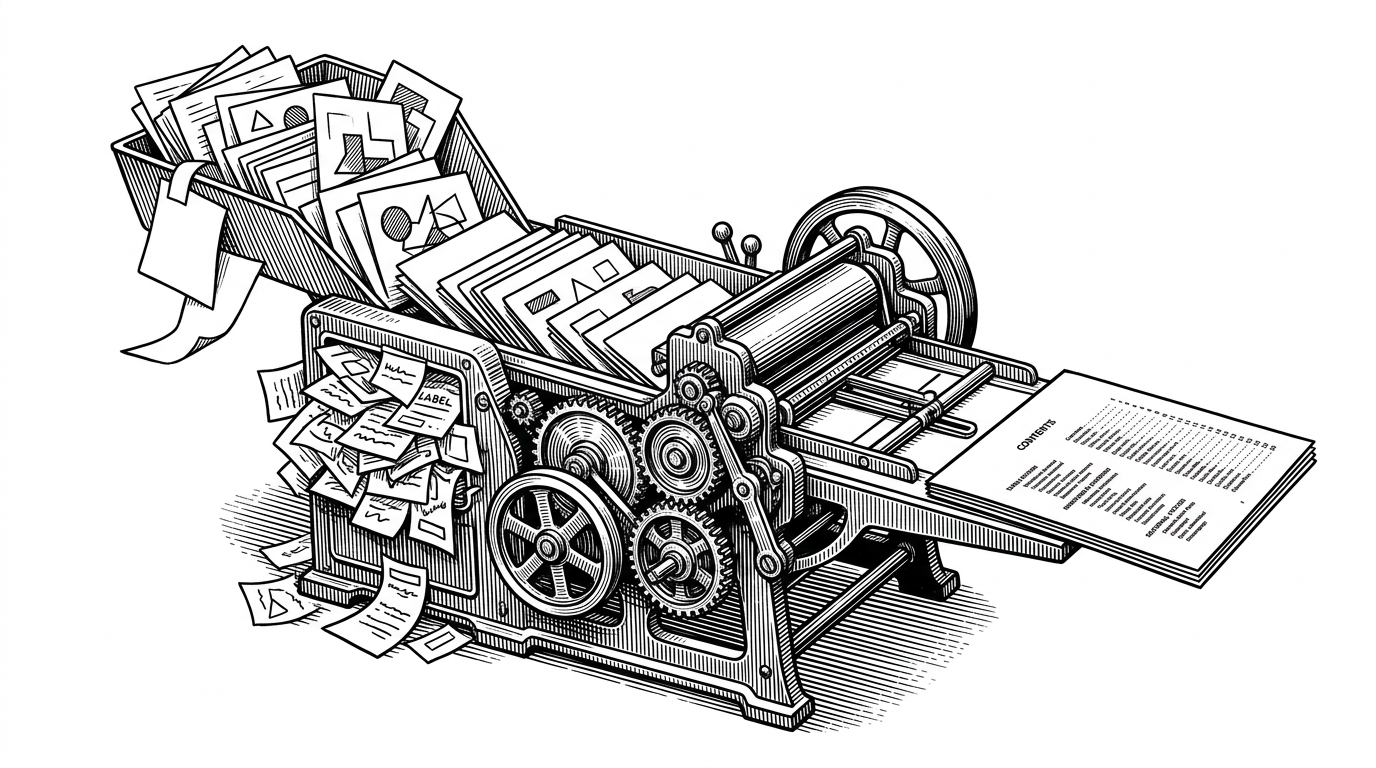
- `dictionary-of-ai-coding` treats vocabulary like software, with source files, validation, and a generated README instead of a loose pile of definitions.
- The project’s real innovation is editorial control, because the curriculum, generator, and link rewriting keep a fast-changing language coherent.
- Matt Pocock’s credibility matters, but the repo is built so contributors do not need his hands on every term.
- Compared with a normal glossary, this is closer to a content pipeline that enforces structure, freshness, and searchability.
The most revealing thing about `dictionary-of-ai-coding` is not that it explains AI jargon. It is that it refuses to let that jargon stay loose. Terms live in separate Markdown files, a curriculum file decides the order, and a TypeScript generator turns the whole thing into one flattened README that feels more like a product than a pile of notes.
That matters because AI coding language is unstable by design. New terms arrive fast, vendors rename old ideas, and the same phrase can mean three different things depending on who is using it. This repo answers that chaos with editorial discipline.
The dictionary is the product. The build system is the point.
At a glance, the repository looks like a glossary. Under the hood, it behaves like a compiler. The source of truth is not the README. It is the set of term files in `/dictionary`, the structural manifest in `internal/Curriculum.md`, and the generator in `internal/generate-readme.ts`.
That architecture changes the reader experience. The final README becomes a single, searchable surface, but the authoring model stays modular. Contributors can work on one term at a time without breaking the overall shape of the book.
A Dictionary of AI Coding This was extremely fun to put together. Shipping soon https://t.co/SgHitgM4vs
That is a subtle but powerful editorial bet. The project does not ask readers to browse a filesystem. It gives them one finished object. The source files exist for maintainability, but the distribution format is optimized for frictionless reading.
A curriculum, not a dump of terms
The best clue to the project’s intent is the curriculum file. It does more than list entries. It imposes sequence. In a field where definitions often spread as tweets, docs, and demos, sequencing is a form of meaning.
The generator enforces that meaning. It strips frontmatter, rewrites relative links into internal anchors, validates section structure, and fails the build if a term exists in `/dictionary` but never makes it into the curriculum. That orphan detection is not a small implementation detail. It is the editorial equivalent of locking the doors after close.
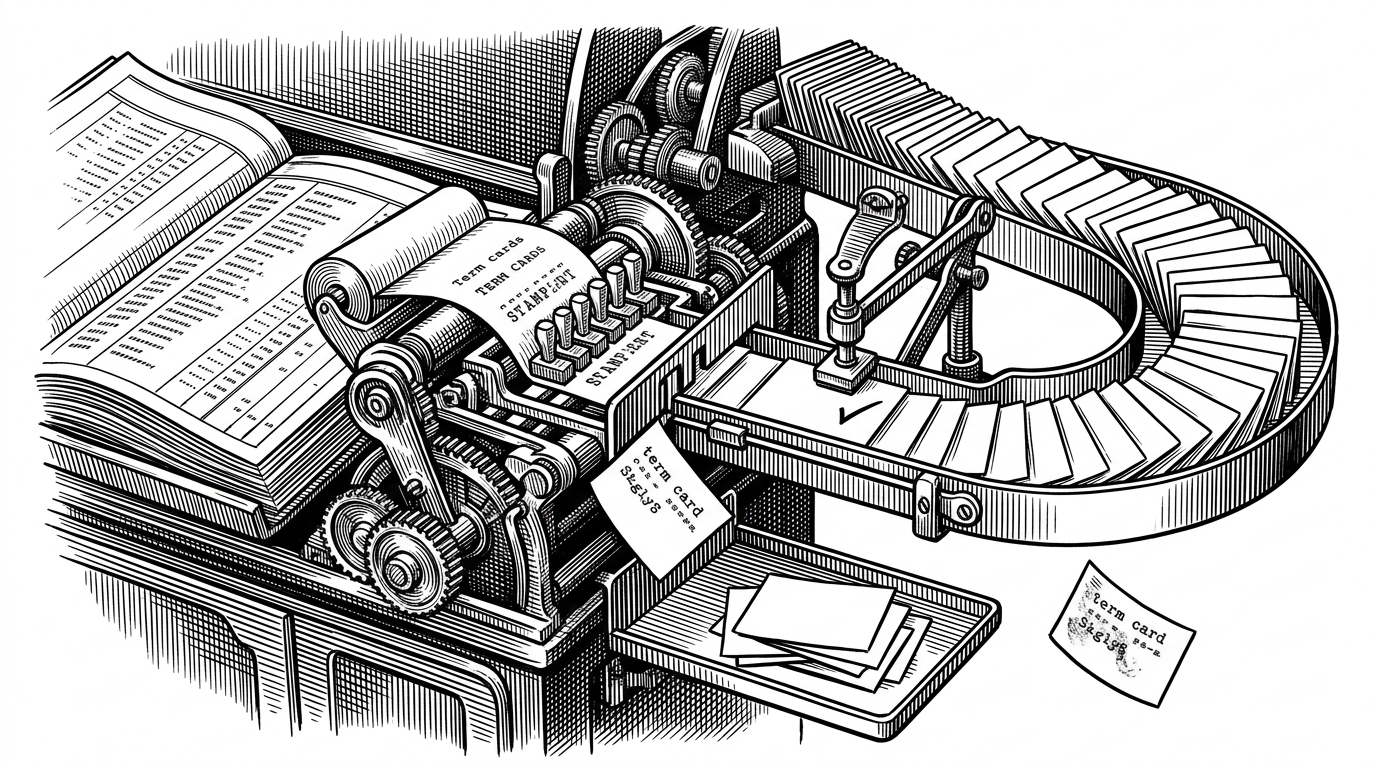
That strictness fits the subject. AI coding terminology changes too quickly to leave structure to chance. A term can start as slang, become a product category, and end up as a team-wide default in a matter of months.
Working on a dictionary of AI Coding Perfect for when you want to sound smart to your teammates/bosses Here are the entries on the smart zone / dumb zone, and attention mechanisms: https://t.co/3Vagj1v1T4
Pocock’s audience helps explain the design. He is already a trusted explainer for developers, so this repo extends that role into a new subject area. The dictionary is not trying to sound academic. It is trying to make a shifting vocabulary legible enough to use.
Why the flattened README works
A normal documentation site would make you click around. This project refuses that tradeoff. It flattens many source files into one readable document, which means you can search, skim, and compare definitions without losing context.
That choice is also contributor-friendly. Individual terms stay isolated in their own files, but readers get a single artifact. The repo gets the benefits of modular maintenance and the usability of a monograph.
| Normal glossary | `dictionary-of-ai-coding` |
|---|---|
| Entries live in a loose wiki or docs tree. | Entries are validated source files compiled into one README. |
| Ordering is often implicit or manual. | A curriculum file defines sequence and sections. |
| Broken links and drift are easy to miss. | Link rewriting and orphan detection enforce consistency. |
| Readers jump between pages. | Readers stay in one searchable surface. |
That is why the project feels more serious than its friendly premise suggests. It is not just saying, “Here are some AI terms.” It is saying, “Here is a maintained language system, and here is the machinery that keeps it honest.”
What this repo is really teaching
The dictionary is about more than definitions. It is a model for how to handle fast-changing technical language without letting it collapse into hype. The repo treats terminology as something you can version, validate, and distribute like code.
That is the deeper lesson. In AI tooling, the vocabulary is part of the interface. If the words are sloppy, the understanding is sloppy. If the words are governed, the conversation gets sharper.
Everyone’s complaining their AI agents produce inconsistent results. Nobody’s asking why. Matt Pocock is. dictionary-of-ai-coding grounds your agent in reality: → Comprehensive open-source glossary of modern AI concepts → Injected directly into your LLM’s context — not https:/
That reaction gets at the project’s appeal, even if the framing is a bit louder than the repo itself. It positions the dictionary as infrastructure for understanding, not just content for reading.
A better comparison than a wiki
The closest comparison is not Wikipedia. It is a build system for language. A wiki optimizes for openness. This repo optimizes for coherence. That makes it especially well suited to a domain where half the battle is simply agreeing on what the terms mean.
And because the repository is opinionated about structure, it can stay welcoming without getting vague. The result is a rare combination: approachable prose, rigorous assembly, and a format that rewards both learners and contributors.