GPT-implementation: The Repo That Makes Tokenization the Main Character
A clean GPT-1 build in Python, but the real lesson is the tokenizer engine underneath it: heaps, linked lists, tries, and the kind of optimization most from-scratch projects skip.
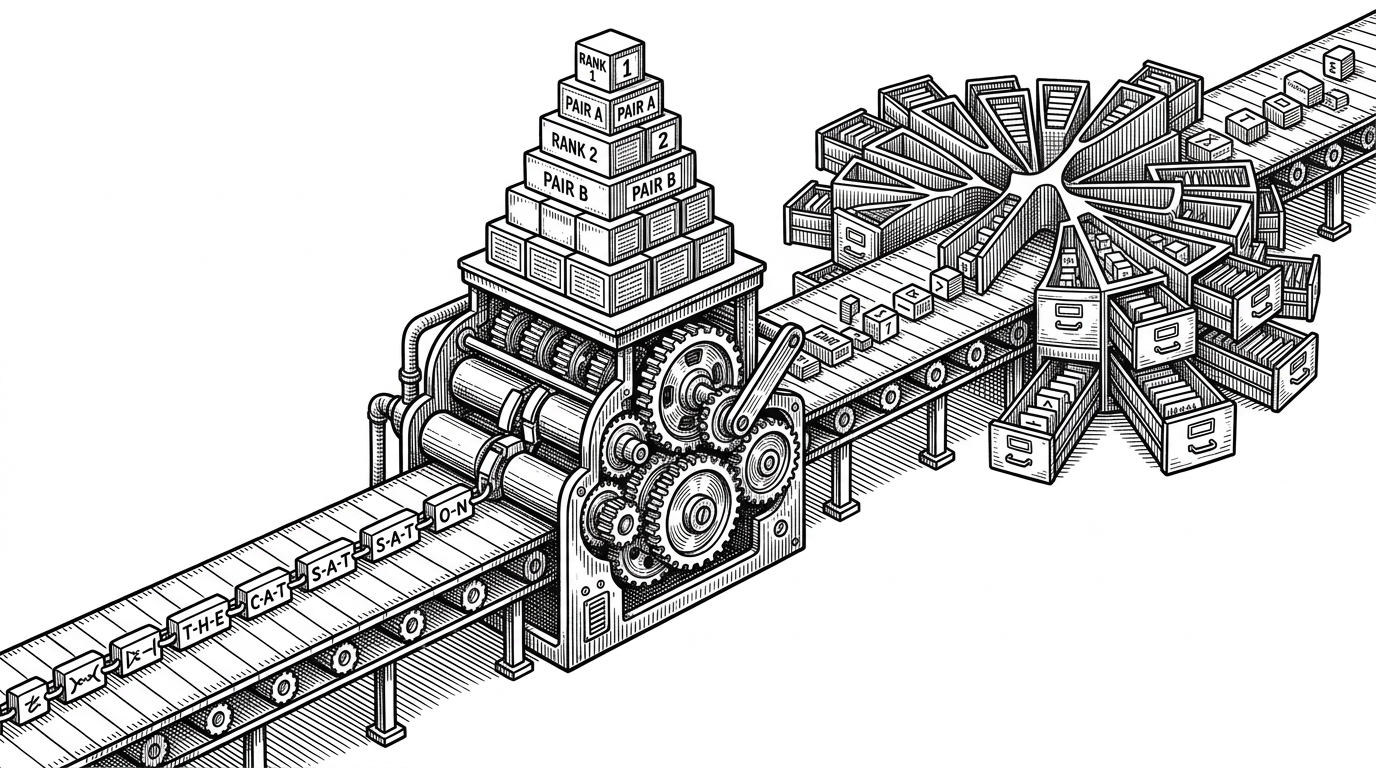
- This repo’s most interesting idea is that BPE tokenization is a systems problem, not a preprocessing afterthought.
- Its custom tokenizer uses a heap, lazy deletion, a doubly linked corpus, and a trie to make merge training and encoding efficient.
- The GPT model code is modular and educational, but it mostly serves the tokenizer story rather than eclipsing it.
- Compared with typical tiny GPT repos, this one teaches how much infrastructure lives before the first forward pass.
Why the Tokenizer Is the Real Story
Most GPT-from-scratch repos start with attention blocks and end with a tokenizer someone else already solved. This one flips the emphasis. The surprising part is not the model math, but the machinery that turns raw text into mergeable units without treating tokenization like black-box plumbing.
That matters because tokenization is where a lot of practical complexity hides. If you build BPE from first principles, you immediately run into algorithm design questions: how do you count pairs efficiently, how do you update merges locally, and how do you encode quickly after training? This repo answers those questions with real data structures, not hand-waving.
A Modular GPT Lab, Not Just a Single Script
The repository is laid out like a teaching lab. You get separate files for bpe.py, attention.py, embedding.py, transformer_block.py, encoder.py, decoder.py, transformer.py, and gpt.py. That separation makes the project easier to inspect because each concept stays visible instead of collapsing into one monolith.
Inside the BPE Engine: Heap, Linked List, Trie
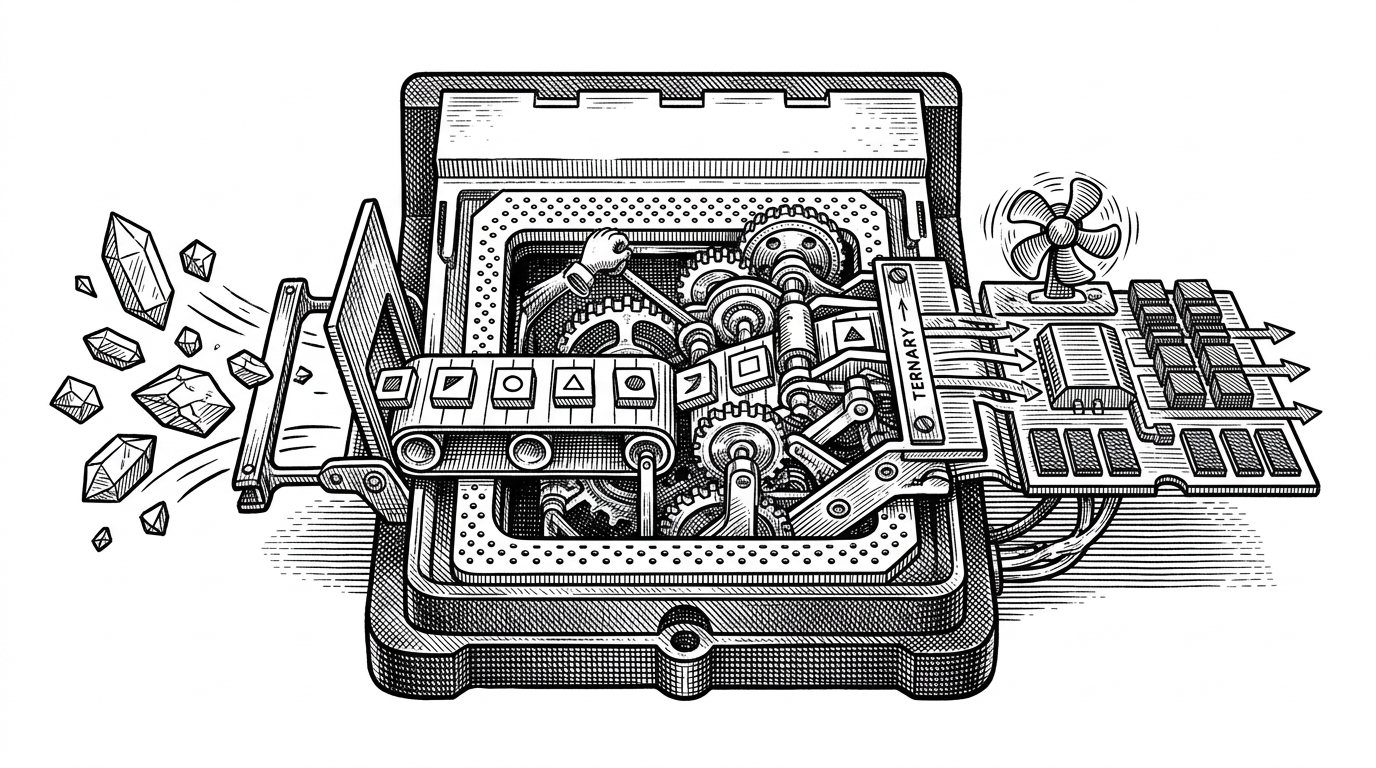
This is the center of gravity. The BPE implementation avoids the naive pattern of rescanning the whole corpus after every merge. Instead, it keeps pair frequencies in a heap, stores the corpus as a doubly linked list, and builds a trie for fast longest-prefix encoding after training.
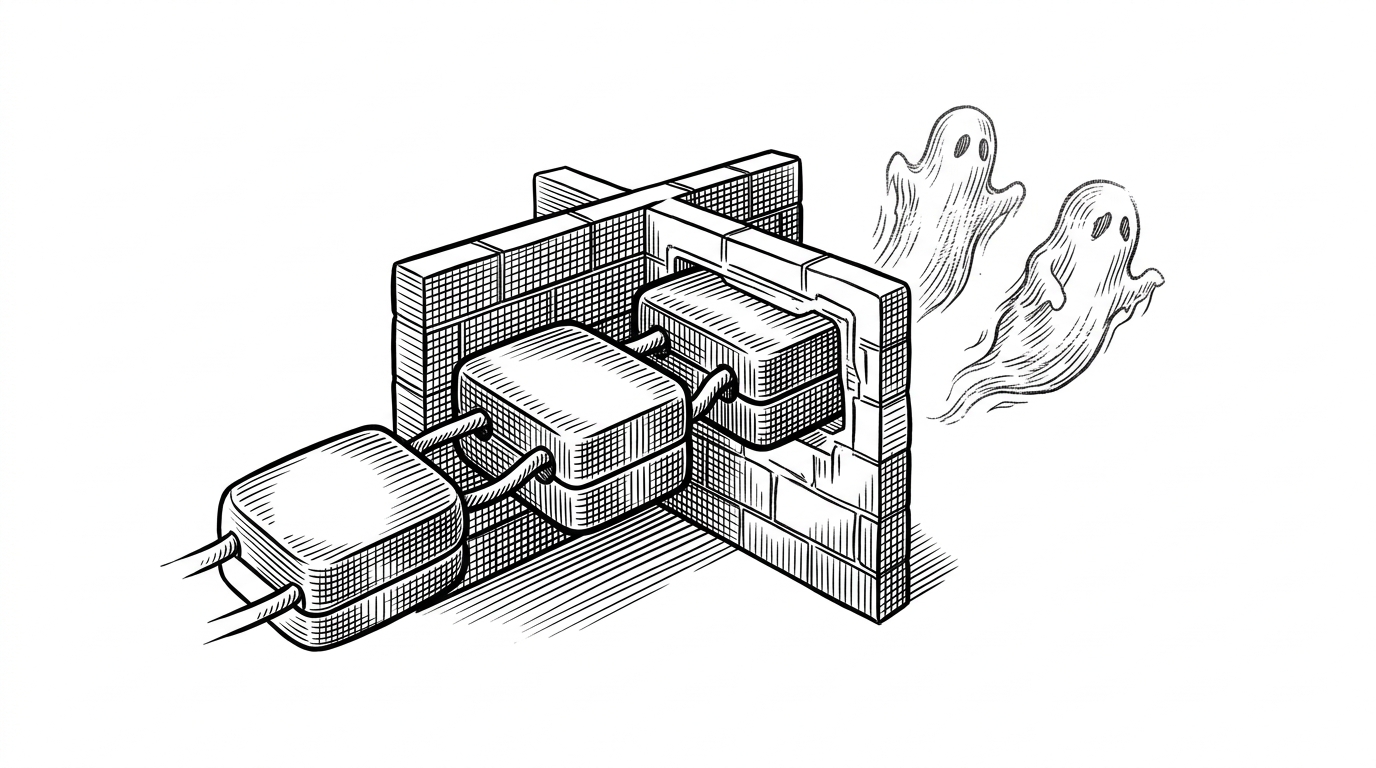
That design makes the tokenizer feel like a systems project. The heap picks the next best pair. The linked list keeps merges local. The trie turns the trained vocabulary into an efficient encoder. Each piece solves a specific bottleneck, and together they turn BPE from a classroom sketch into an engineered pipeline.
Why Lazy Deletion Is the Clever Trick
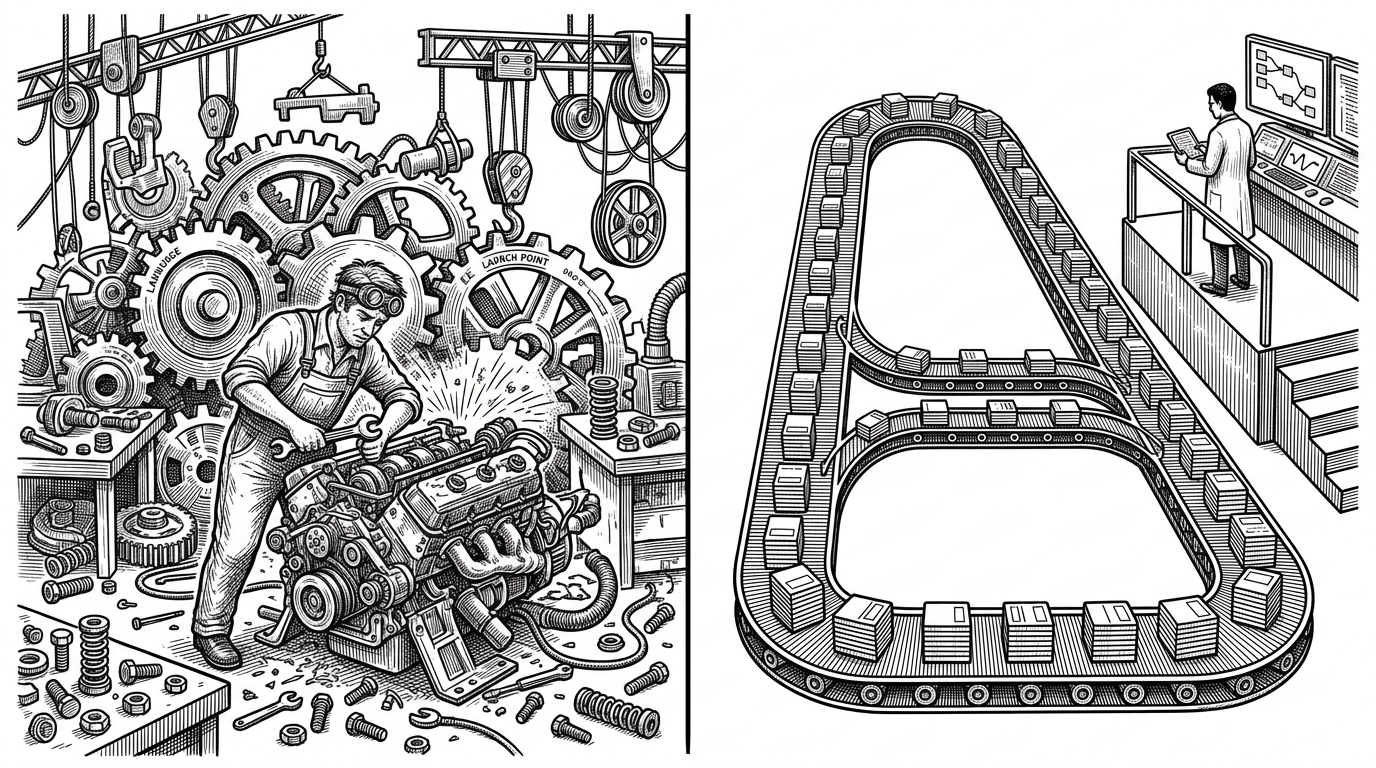
The heap strategy is elegant because it chooses a practical inefficiency. Instead of paying for constant key updates, the code tolerates stale entries and discards them when they surface. That is a classic systems trade-off: a little waste in one place buys a lot of speed everywhere else.
| Approach | Benefit | Cost |
|---|---|---|
| Strict heap updates | Always perfectly current | Expensive bookkeeping on every merge |
| Lazy deletion | Fast pair selection | Stale entries stay in memory until popped |
| Full corpus rescans | Simple to reason about | Too slow as the corpus grows |
| Local linked-list updates | Only touched neighbors change | Requires careful pointer management |
The point is not that lazy deletion is clever in the abstract. It is clever because it matches the shape of the problem. BPE training keeps invalidating nearby counts, so the implementation treats invalidation as normal and designs around it.
GPT-1, But Kept Honest
Once the tokenizer is understood, the model code reads like a faithful wrapper around the original GPT idea. The repo uses a decoder-only GPT class, supports checkpointing and tokenizer loading, and keeps the pieces modular enough to inspect without losing track of what depends on what.
That honesty matters. A lot of tiny GPT repos quietly blur the line between model implementation and educational convenience. This one keeps the vocabulary lifecycle visible. If the tokenizer changes, the model state has to stay in sync, and the code treats that as a first-class concern.
What the Attention Layer Does Beyond Causal Masking
The attention module is more flexible than the GPT-only path suggests. It supports causal masking, cross-attention, and padding masks, which means the repository is not just a toy decoder. It can also act as a broader Transformer teaching scaffold.
| Feature | GPT path | Full Transformer path |
|---|---|---|
| Masking | Causal only | Causal plus padding handling |
| Attention usage | Decoder self-attention | Self-attention and cross-attention |
| Scope | Language modeling | Encoder-decoder experimentation |
| Teaching value | Shows GPT-style flow | Shows how Transformer variants diverge |
That split helps the repository do double duty. It teaches the original GPT pattern, but it also shows how the same building blocks rearrange into a fuller Transformer. For a learner, that is the difference between memorizing a diagram and understanding a family of architectures.
What This Repo Has That Tiny GPT Projects Often Don’t
The usual tiny GPT project optimizes for minimal code. This one optimizes for conceptual completeness in the preprocessing stack. The result is less about bragging rights and more about revealing where the real engineering difficulty lives.
| Dimension | Typical tiny GPT repo | GPT-implementation |
|---|---|---|
| Tokenizer strategy | Prebuilt or treated as plumbing | Custom BPE with heap, linked list, and trie |
| BPE training | Often omitted | Implemented from first principles |
| Architecture scope | Mostly model layers | Tokenizer, attention, blocks, wrapper, inference, training |
| Educational value | Shows the network | Shows the input pipeline and the network |
| Scale limits | Usually fine for demos | Educational and small-to-medium datasets, not large-scale production |
That is the repo’s real differentiator. It does not just explain how a GPT forwards tokens through layers. It explains how tokens become tokens in the first place, and it does so with algorithmic discipline.
What It Teaches About Building LLM Infrastructure
The larger lesson is broader than GPT. If you care about correctness, speed, and maintainability, you cannot start thinking at the first transformer block. You have to start where text becomes structure, because every later optimization inherits the quality of that first step.
Seen that way, this repo is not just an educational GPT implementation. It is a reminder that infrastructure often hides in plain sight. The tokenizer is not a prelude. It is part of the engine.