Stop Putting Agent Memory in the Cloud: Inside OpenKL
How a hybrid graph-vector database and verifiable cryptographic citations are creating a local-first, hallucination-proof knowledge layer for AI agents.
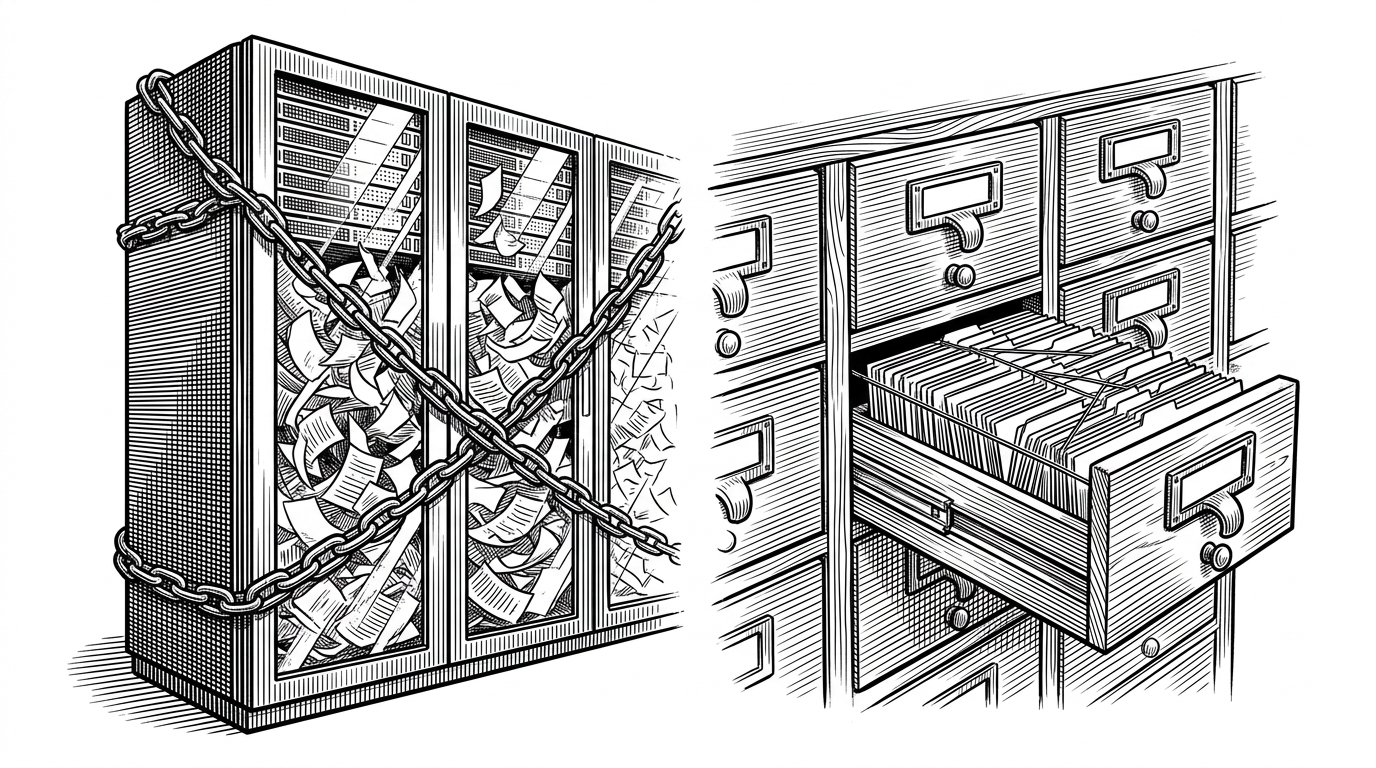
- Traditional cloud vector databases strip away logical relationships and lock user data in opaque silos.
- OpenKL treats files as canonical truth by storing AI memories locally as grep-friendly Markdown files with YAML frontmatter.
- A hybrid approach using Kùzu DB combines semantic vector search with structured graph traversals to provide deep context to agents.
- Cryptographic SHA256 hashes lock agent citations to specific character locations to mathematically verify sources and prevent hallucinations.
The Vector Amnesia Trap
AI agents have an amnesia problem. The prevailing solution is to dump millions of tokens into a cloud vector database and hope for semantic matches. This approach is structurally weak. It strips away logical relationships between concepts and locks user data in proprietary SaaS silos. When an agent needs to recall a specific detail from last week, it instead retrieves a fragmented soup of loosely related text chunks. The context is lost.
The "Grep-Friendly" Rebellion
OpenKL flips this paradigm by building a local-first memory layer. It insists that files are canonical truth. Instead of burying data in opaque binary formats, OpenKL stores memories locally in a hidden folder as plain Markdown files with YAML frontmatter. This makes the data readable by humans, agents, and standard terminal tools alike.
A local-first, open-source knowledge and memory layer for AI agents. OpenKL provides a unified protocol and implementation that allows any agent (human, SWE agent, or other AI systems) to easily access and interact with knowledge for a single user.
You can literally navigate your AI's memory using standard terminal commands. It is an operating system for agentic memory that you can grep.
---
id: m-20250918-abcd
date: 2025-09-18
topics: ["architecture", "local-first"]
---
# Memory Node: Database Selection
The agent determined that Kùzu DB provides the necessary graph traversal capabilities for the new memory architecture.
Cryptographic Receipts for AI
The most surprising technical feature of OpenKL is its approach to provenance. It does not just ask the LLM to politely cite its sources. It binds citations to specific character locations and validates them against a SHA256 hash of the original document content.
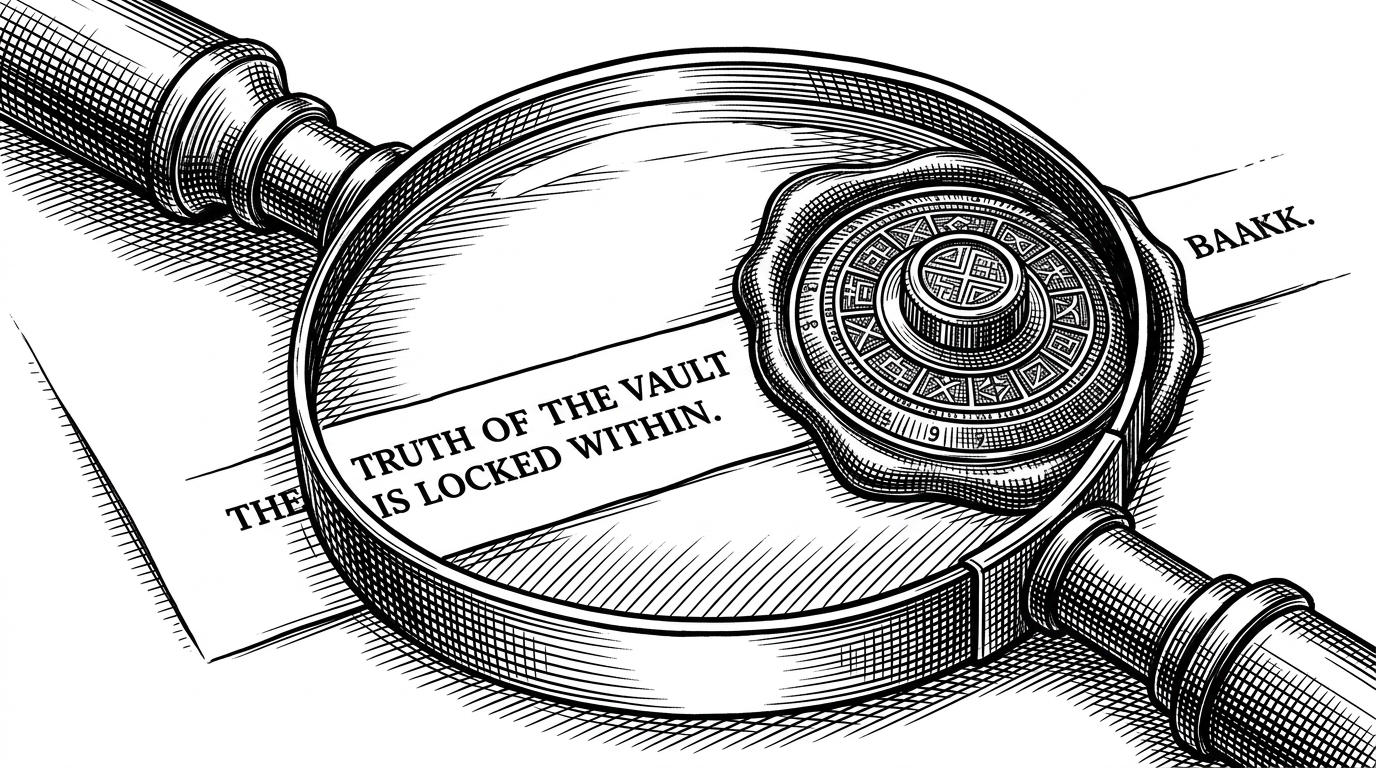
This system mathematically prevents hallucinations. If the source file changes or the agent invents a quote, the cryptographic receipt fails to validate.
Graph Meets Vector
FastEmbed vector search is not enough on its own. The core database layer relies on Kùzu DB, an embedded graph database. This architecture allows OpenKL to define semantic links between nodes, such as linking a memory back to a document chunk, or linking a memory to specific entities.
By using Kùzu, agents can traverse these semantic links. They can execute complex queries like finding all memories that mention entities found in a specific PDF file. This is true context engineering.
The Distillation Workflow
OpenKL introduces a formal pipeline to turn raw PDFs and web pages into structured knowledge. It contrasts raw retrieval with a formal distillation command, forcing agents to synthesize rather than just regurgitate.
This project is still under the very early stage of development, please expect its full shape in Alpha version soon!
| Feature | Traditional Cloud RAG | OpenKL Distillation |
|---|---|---|
| Storage | Opaque binary vectors in Cloud SaaS | Plaintext Markdown + YAML in local folder |
| Search Methodology | Pure semantic similarity (nearest neighbor) | Hybrid Graph-Vector traversals |
| Provenance | Prompting the LLM to cite sources | Cryptographic verification via SHA256 hashing |
| Memory State | Stateless chat history dumps | Formal Distilled memory nodes |
This distillation process is what elevates OpenKL from a simple search tool to a comprehensive knowledge layer. It provides the foundation for agents to build long-term, reliable memory.