Attendance_Project: AttendEase: When Attendance Becomes Policy, Not Just Data
A Node and PostgreSQL attendance system that uses constraints, transactions, and class ownership rules to turn university compliance into software.
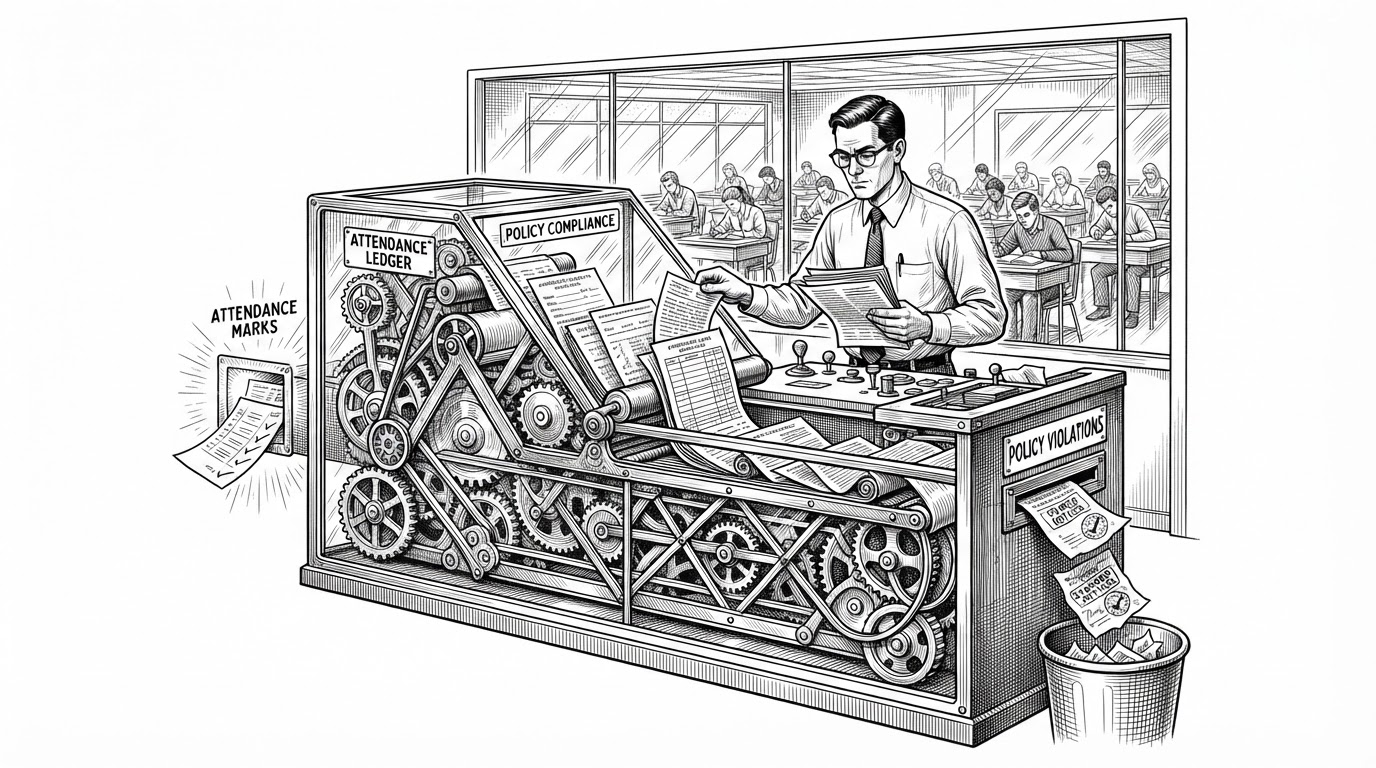
- AttendEase is interesting because it moves attendance accuracy out of the UI and into database rules, transactions, and ownership checks.
- The project’s real product logic is academic policy, including thresholds, corrections, and tamper resistance.
- Its most valuable design choice is separating day-to-day marking from system-level enforcement so corrections stay safe.
- A Vanilla JS frontend works here because the hard problem is trust, not visual complexity.
Why AttendEase Is Really About Enforcement
Most attendance apps are glorified logs. AttendEase is trying to be something stricter: a policy engine that happens to present itself as a dashboard. That matters because the real problem in university attendance is not display, it is trust. Who can mark what, when can they correct it, and how does the system stop bad data from spreading?
The repo’s own structure points in that direction. The backend handles authentication and routes, PostgreSQL holds the rules, and the frontend mostly renders the consequences. In other words, the software is not just counting presence. It is encoding the institution’s assumptions about ownership, thresholds, and consistency.
The Rules Live in the System, Not in Someone’s Head
The database design is where the app becomes credible. The schema separates daily attendance from more granular attendance records, and it relies on constraints to keep the data honest. That is the important move. The system does not trust every request to be correct. It makes invalid states hard to represent in the first place.
| Approach | Integrity enforcement | Corrections | Ownership | Operational risk |
|---|---|---|---|---|
| Spreadsheet workflow | Manual review only | Easy to overwrite or duplicate | Usually shared and informal | High |
| Generic CRUD dashboard | Basic form validation | Often requires custom edit paths | Auth is broad, not domain-aware | Medium |
| AttendEase | Constraints and transaction boundaries | Bulk upserts with conflict handling | Faculty can act only on owned classes | Lower |
That difference is subtle but decisive. A spreadsheet records whatever someone types. AttendEase tries to decide whether a change is even allowed to exist. The system is less interested in convenience alone and more interested in preserving institutional truth over time.
The Real Trick Is Class Ownership
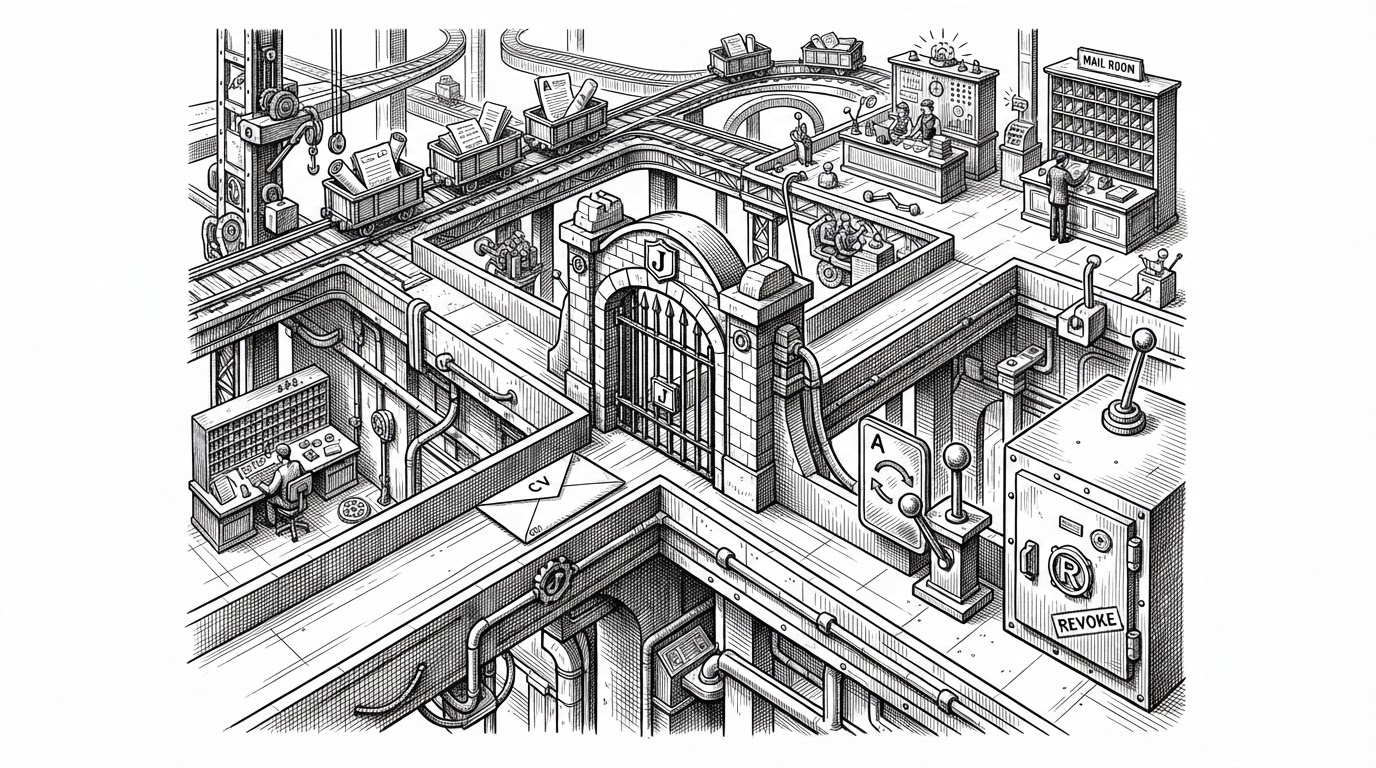
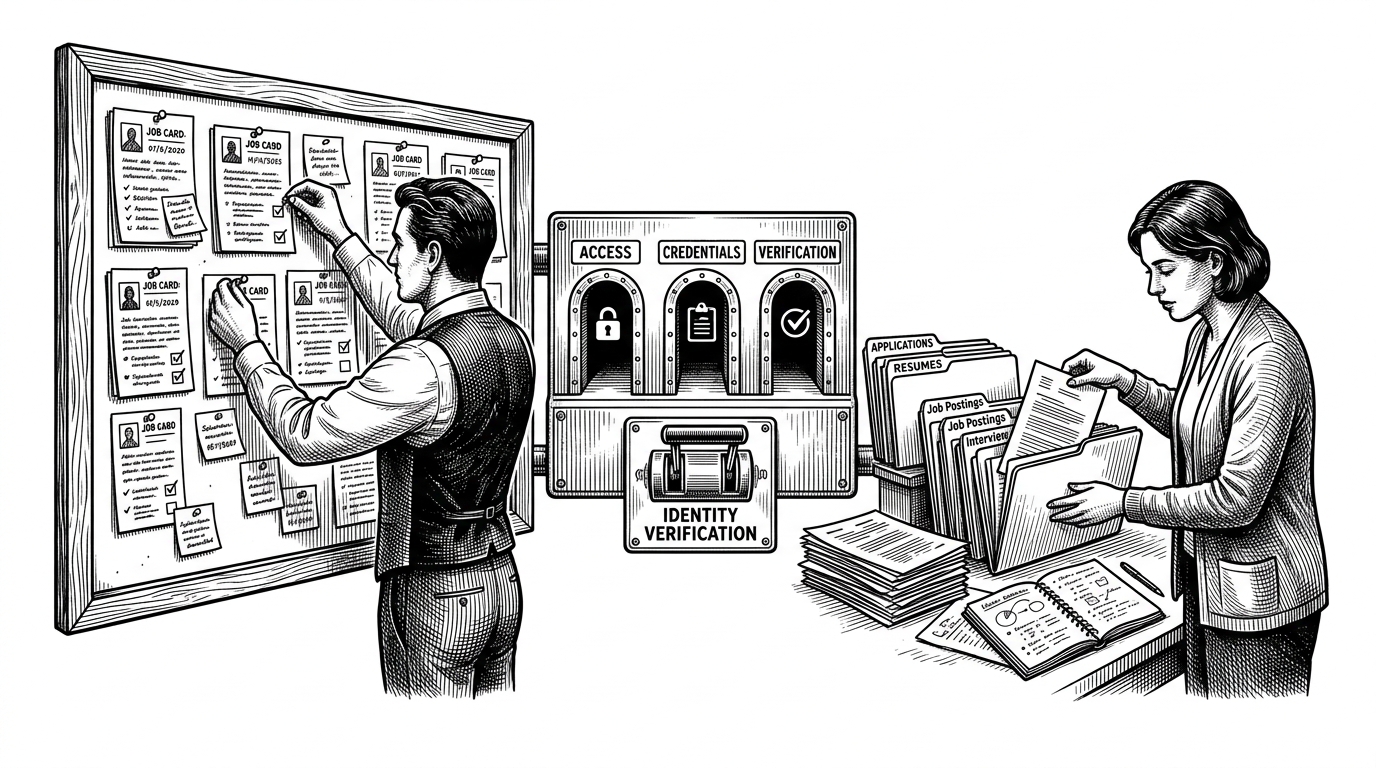
The trust boundary shows up in the middleware. The `requireClassOwnership` check means a faculty member does not get universal write access after login. They can only touch the classes they own. That sounds ordinary until you realize how much damage a generic authenticated admin panel would allow without it.
This is the kind of rule that disappears in a UI-first product and becomes a first-class control in a policy-aware one. Once ownership is enforced at the route level, the rest of the system gets simpler. Every attendance action starts from a narrower assumption: this user is allowed to be here, but only for this class.
Bulk Updates Without Data Drift

The cleverest engineering in the repo is the bulk correction path. Instead of treating re-marking as a special case, the system uses transactional updates and PostgreSQL conflict handling to make correction part of the normal flow. That means one bad row does not poison the whole batch, and an existing record can be updated without spawning a duplicate.
BEGIN;
INSERT INTO daily_attendance (student_id, attendance_date, status)
VALUES (...)
ON CONFLICT (student_id, attendance_date)
DO UPDATE SET status = EXCLUDED.status;
COMMIT;

-- If any row fails validation:
ROLLBACK;
That pattern is small, but it changes everything. It makes corrections safe, repeatable, and auditable. In an admin workflow, those properties matter more than clever UI flourishes because they decide whether the data survives real human mistakes.
A Glassmorphism Frontend for a Very Unsexy Problem
The frontend is all Vanilla JS, HTML, and CSS, but the visual language is polished. Circular gauges, glassmorphism surfaces, and animated dashboards make the system feel modern without making it heavy. That contrast is part of the product’s appeal: the interface is friendly, while the rules underneath stay strict.
This is a sensible division of labor. The user sees a clean dashboard. The database sees constraints, ownership checks, and transactions. The project works because the design layer softens the experience without weakening the enforcement layer.
Why This Is Not Just Another Attendance Tracker
| Product type | What it optimizes for | What it misses | Where AttendEase lands |
|---|---|---|---|
| Spreadsheet-based tracking | Speed of entry | Integrity and permission boundaries | Too loose for real policy enforcement |
| Generic admin CRUD | Broad flexibility | Domain rules and correction safety | Still too generic |
| AttendEase | Policy-aware attendance control | Complexity is concentrated in the data layer | A narrow but serious ERP-style tool |
AttendEase lands in a useful middle ground. It is not trying to become a giant framework app, and it is not pretending the problem is simple data entry. It is a narrow system with a strong opinion: attendance should behave like governed state, not casual content.
That is why the repo is interesting. The UI is pleasant, but the real product is the rule set. Once you notice that, the architecture reads less like a student project and more like a compact domain system built around trust, correction, and institutional control.