Unfold: The Bag Marketplace That Turns a Portfolio Project Into a Real Retail System
A MERN marketplace with seller dashboards, JWT auth, and image offloading that shows how niche e-commerce forces better product thinking than a generic store clone.
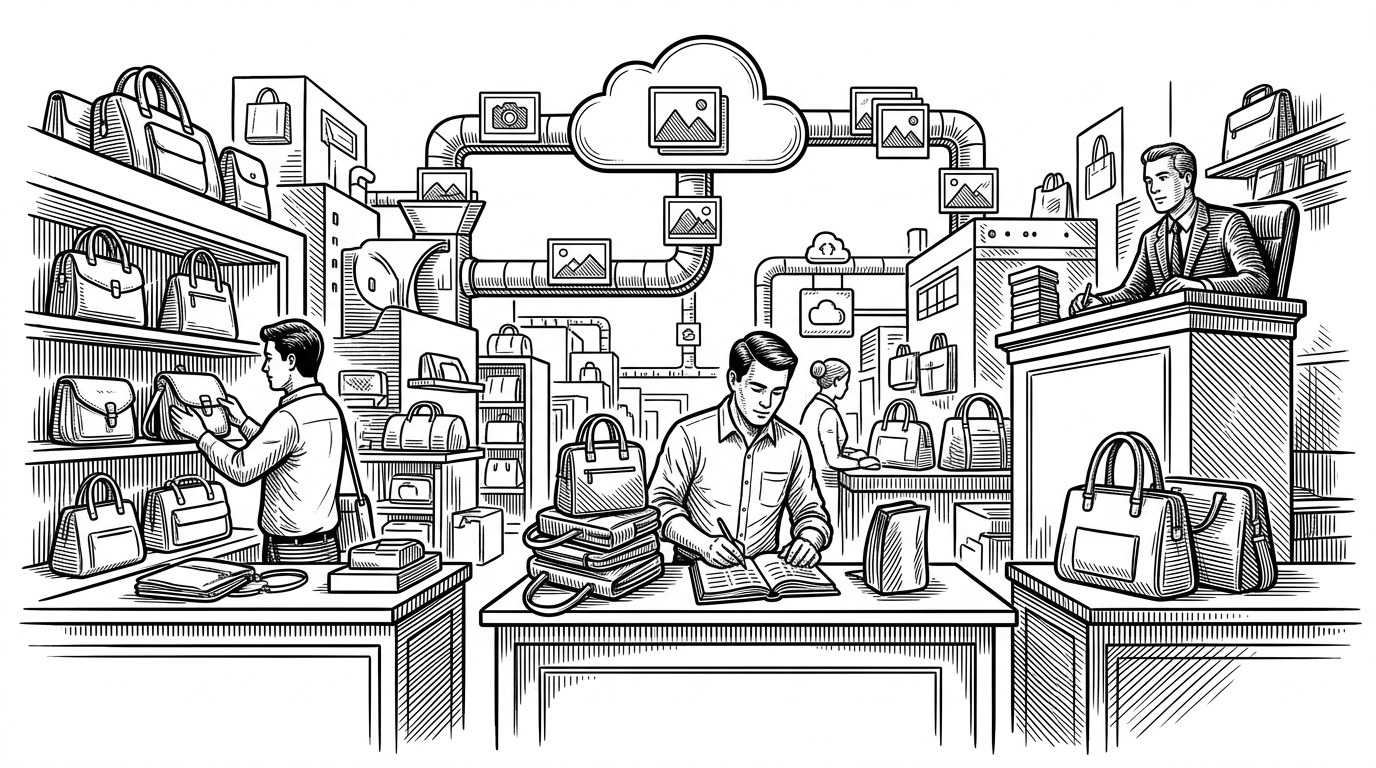
- Unfold is interesting because its narrow bag niche forces the app to behave like a real marketplace instead of a generic storefront clone.
- The project’s main strength is role separation, with customer, seller, and admin flows all sharing one backend without collapsing into the same experience.
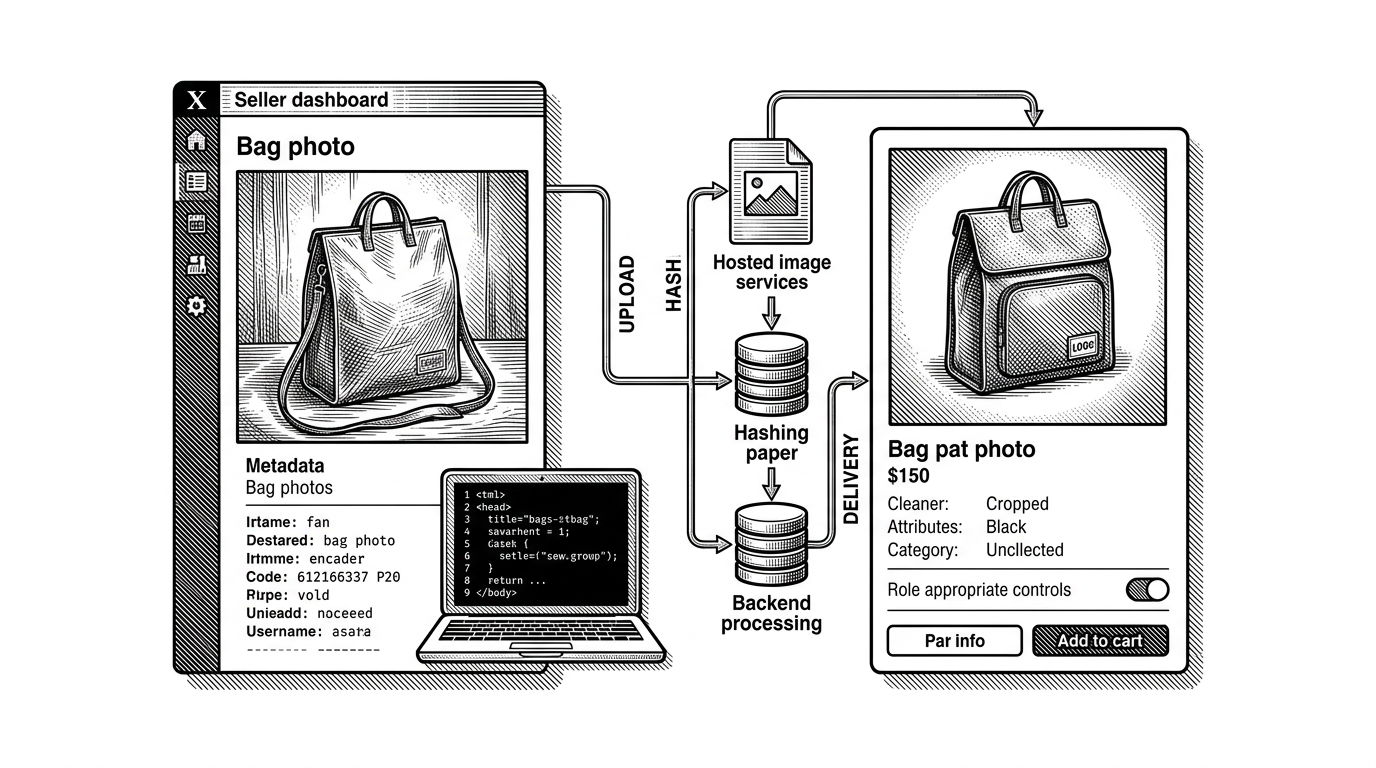
- ImageKit is not a side detail here, because product imagery is central to how the marketplace stays fast and believable.
- The frontend stack feels modern, but the real lesson is that domain constraints produce better data models, permissions, and UX choices.
Why a bag store is a smarter e-commerce exercise
Most e-commerce demos sell everything and therefore say very little. Unfold narrows the problem to bags, and that constraint is doing real work. Once the catalog has a shape, the app has to care about product attributes, image quality, seller ownership, and the difference between browsing and operating a store.
That is why this project feels more credible than a typical tutorial clone. A niche marketplace forces decisions that general merchandise apps can dodge: what makes one item meaningfully different from another, what sellers can edit, and what the admin must control to keep the whole platform sane.
| Generic store clone | Unfold | Why it matters |
|---|---|---|
| One product story for everything | A marketplace focused on bags | The domain shapes the schema and the UI |
| Flat user experience | Customer, seller, and admin roles | Different users need different controls |
| Images handled as local afterthoughts | ImageKit-based asset handling | Product media stays fast and scalable |
| Tutorial-style CRUD | Marketplace-shaped commerce flow | The app feels closer to a real business |
What Unfold is actually building
At the surface, Unfold is a MERN marketplace. Underneath, it is a three-actor system: customers browse and buy, sellers manage inventory, and admins keep the platform orderly. That structure is what makes the app feel like software for commerce, not just software about commerce.
How the app is split in two
The structure is straightforward, which is part of the appeal. The `frontend/` directory holds the React UI built with Vite and Tailwind. The `backend/` directory handles Express routes, business logic, authentication, and MongoDB access through Mongoose.
That split makes the project easy to reason about. The frontend can stay focused on dashboards and shopping flows, while the backend owns trust, persistence, and role checks. It is a simple boundary, but it is the right one.
The real engine: roles, tokens, and permissions
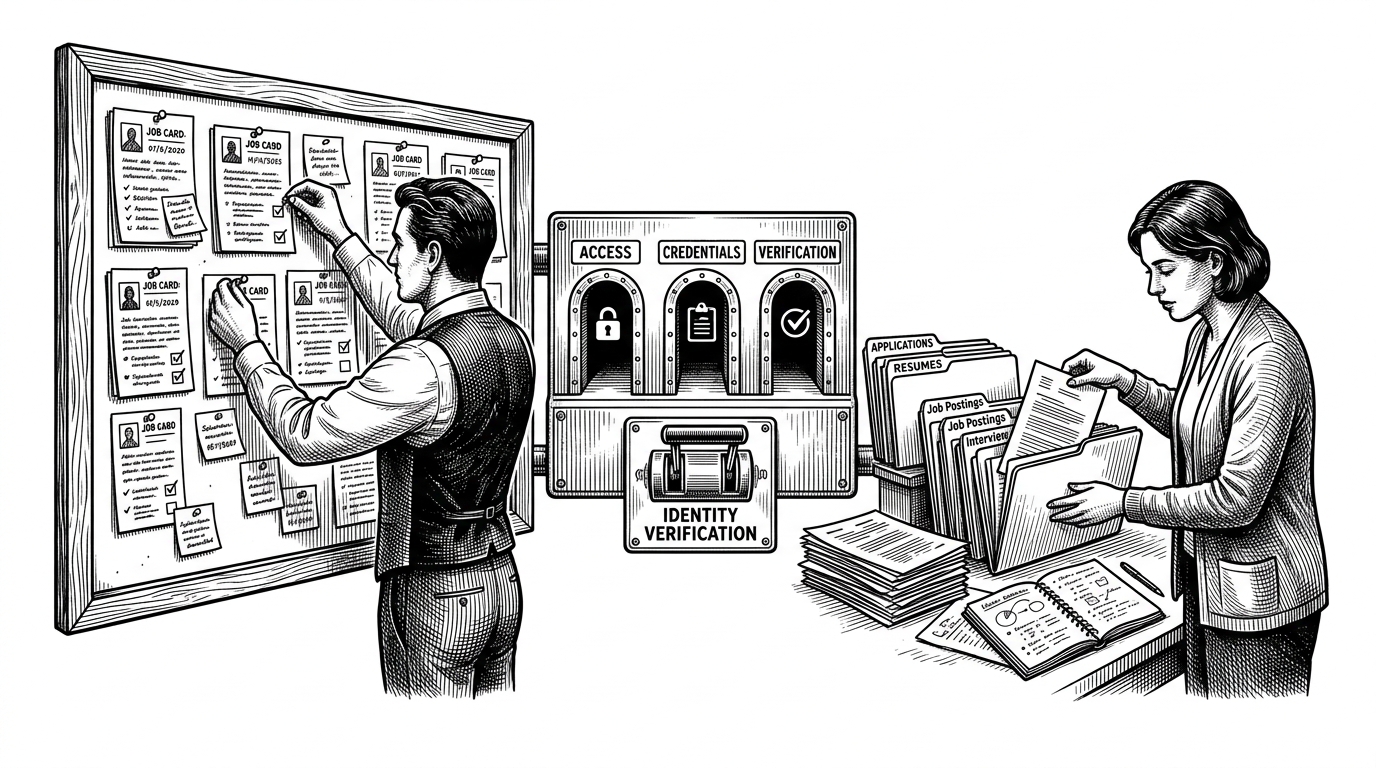
Unfold’s authentication story is what keeps the marketplace from turning into a shared spreadsheet. Registration hashes passwords with bcrypt. Login issues a JWT. Middleware checks that token before a request reaches anything sensitive, then routes the user into the right role-specific surface.
| Layer | Customer | Seller | Admin |
|---|---|---|---|
| Primary goal | Shop and checkout | Manage own inventory | Oversee the platform |
| Data access | Public products plus personal account data | Owned listings and sales | Global platform data |
| Protected by | JWT validation | JWT plus ownership checks | JWT plus elevated permissions |
| Risk if missing | Can only browse | Could edit someone else’s products | Could lose platform control |
That separation matters more than it sounds. A marketplace is only believable when one seller cannot touch another seller’s inventory, and when admin powers do not leak into ordinary shopping paths. The codebase uses a standard stack, but the product logic is where the discipline shows up.
Why ImageKit matters more than it sounds
In e-commerce, images are not decoration. They are part of the product. If uploads are slow, unoptimized, or awkward to manage, the marketplace feels fake even when the rest of the stack is solid.
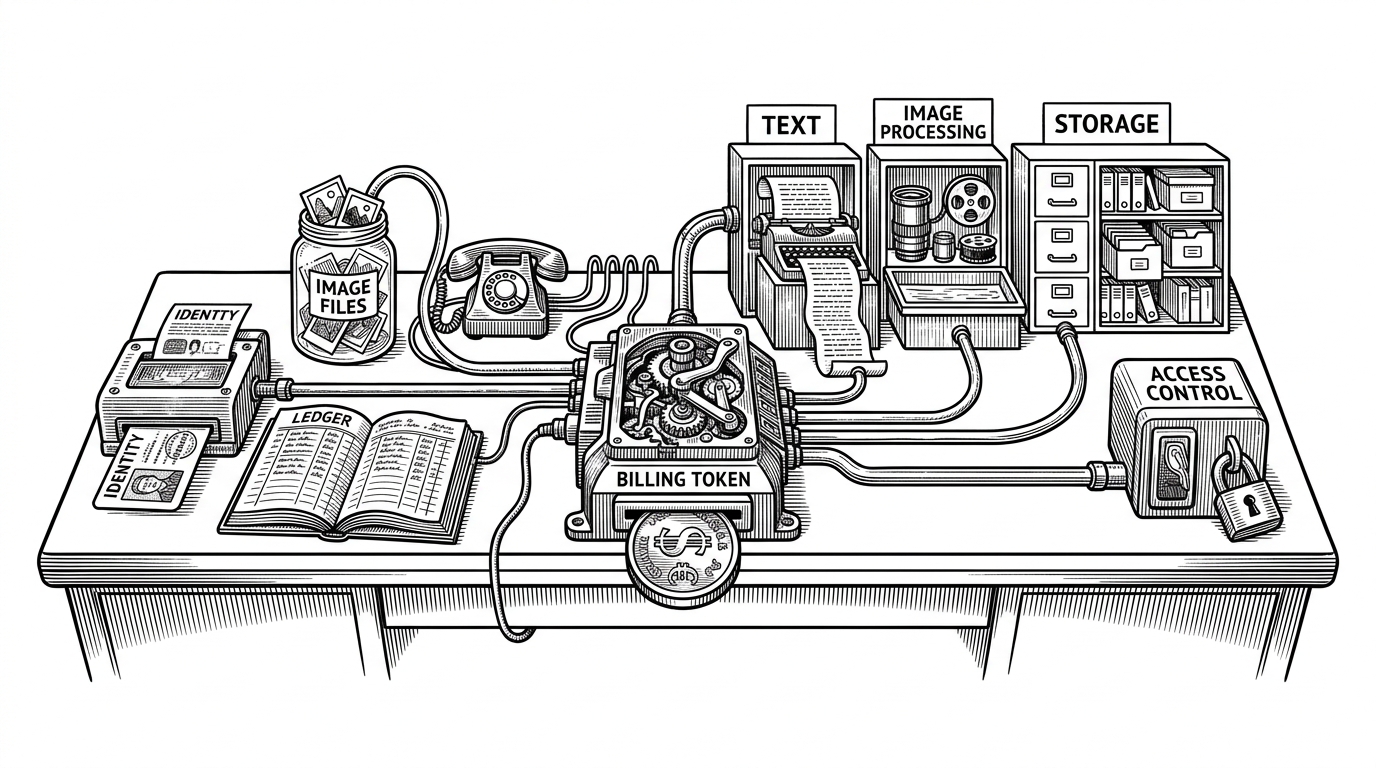
That is why the ImageKit choice is smart. Offloading image delivery and transformation keeps the backend lighter, makes product photos easier to manage, and gives the app a more production-shaped feel. For a bag marketplace, where visual comparison is half the buying decision, that is not a small detail.
The frontend choice that makes the project feel modern
Vite, React, and Tailwind is a strong combination for this kind of project. Vite keeps the feedback loop fast, React handles the dashboard complexity, and Tailwind lets the UI stay consistent without a heavy design system.
The result is a portfolio stack that does not look dated. More importantly, it supports the project’s biggest requirement: lots of screens that feel related, but not identical, across customer, seller, and admin experiences.
| Approach | Pros | Trade-off |
|---|---|---|
| Vite + React + Tailwind | Fast iteration and modern UI | Requires discipline to avoid utility clutter |
| Classic template-driven CRUD | Quick to assemble | Usually feels generic and rigid |
| Local image handling | Simple at first | Harder to scale and less realistic |
What this project teaches better than a generic clone
Unfold’s lesson is not that every app should become a marketplace. It is that scope discipline creates better software. By choosing bags, the project had to solve for product structure, role separation, and image delivery in a way that a generic store tutorial never would.
That is why it works as a portfolio piece. It shows product judgment, not just implementation skill. And in open source, that is often the difference between something that looks finished and something that actually feels thought through.