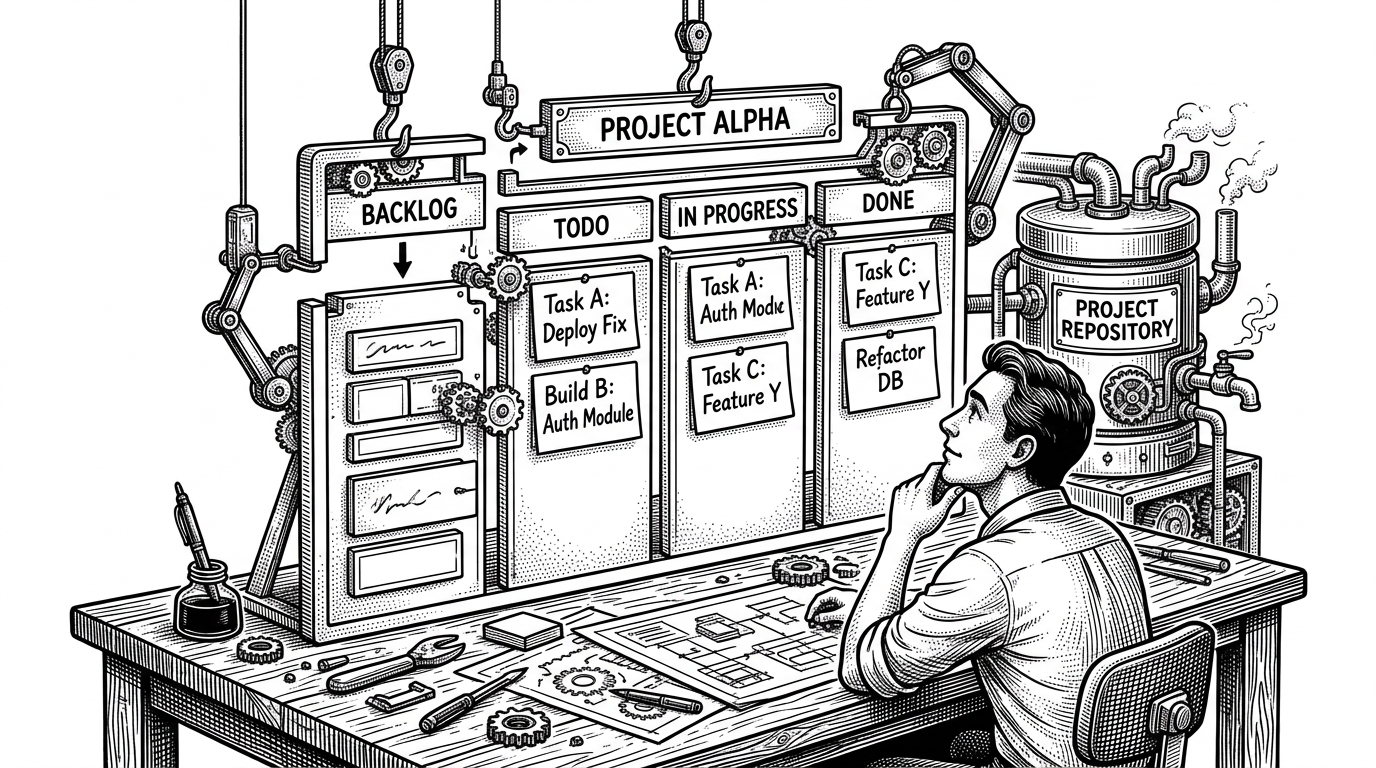
Career-OS: The Job Tracker That Treats Your Inbox Like an API
A full-stack personal command center that turns messy career signals into structured data, wraps them in stateless auth, and hides the ugly parts of the stack behind a surprisingly polished UX.
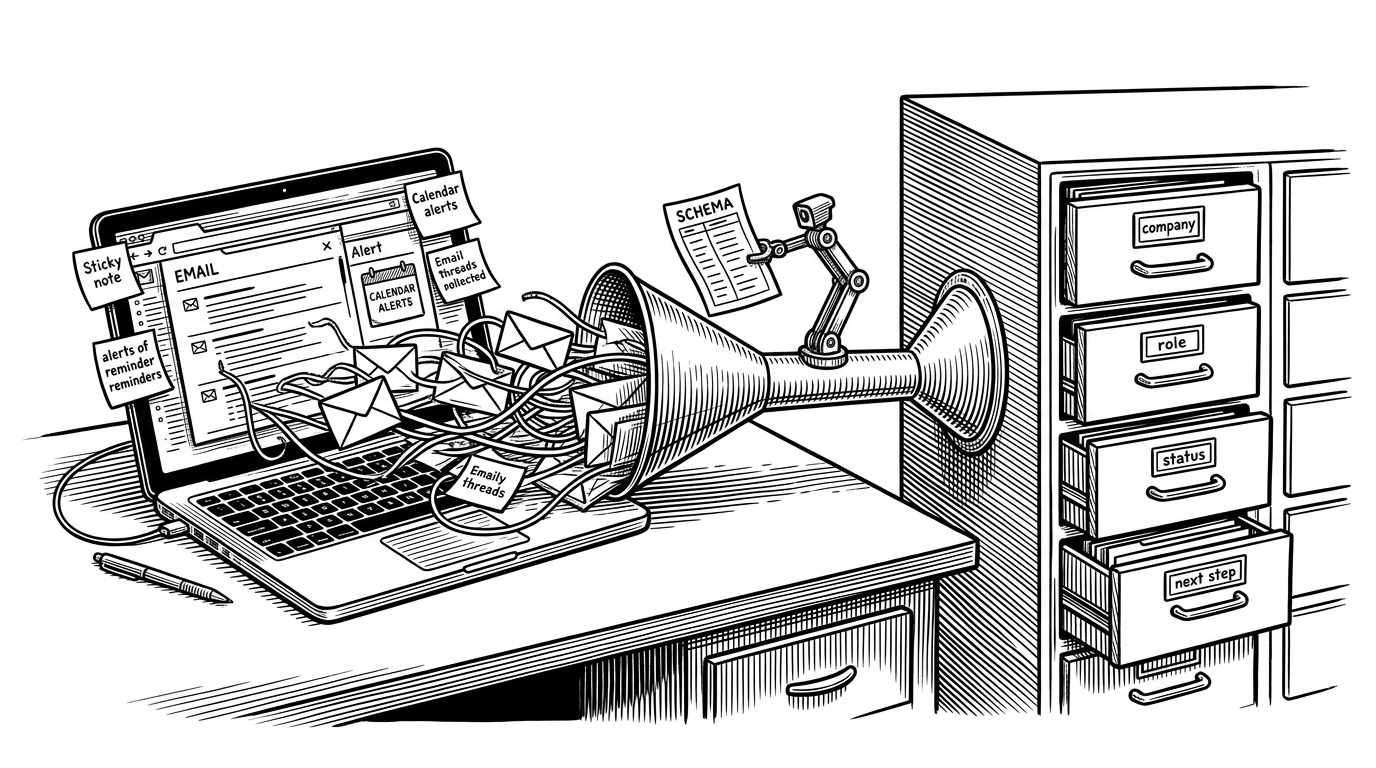
- Career-OS treats career management as a data ingestion problem, not a task list problem.
- Its AI layer is deliberately constrained, turning Gemini into a schema-bound parser instead of a chatty assistant.
- The product polish matters because popup auth and cold-start handling keep the workflow feeling stable.
- The app competes best when messy text needs to become durable structured records automatically.
From Inbox Noise to Structured Career Data
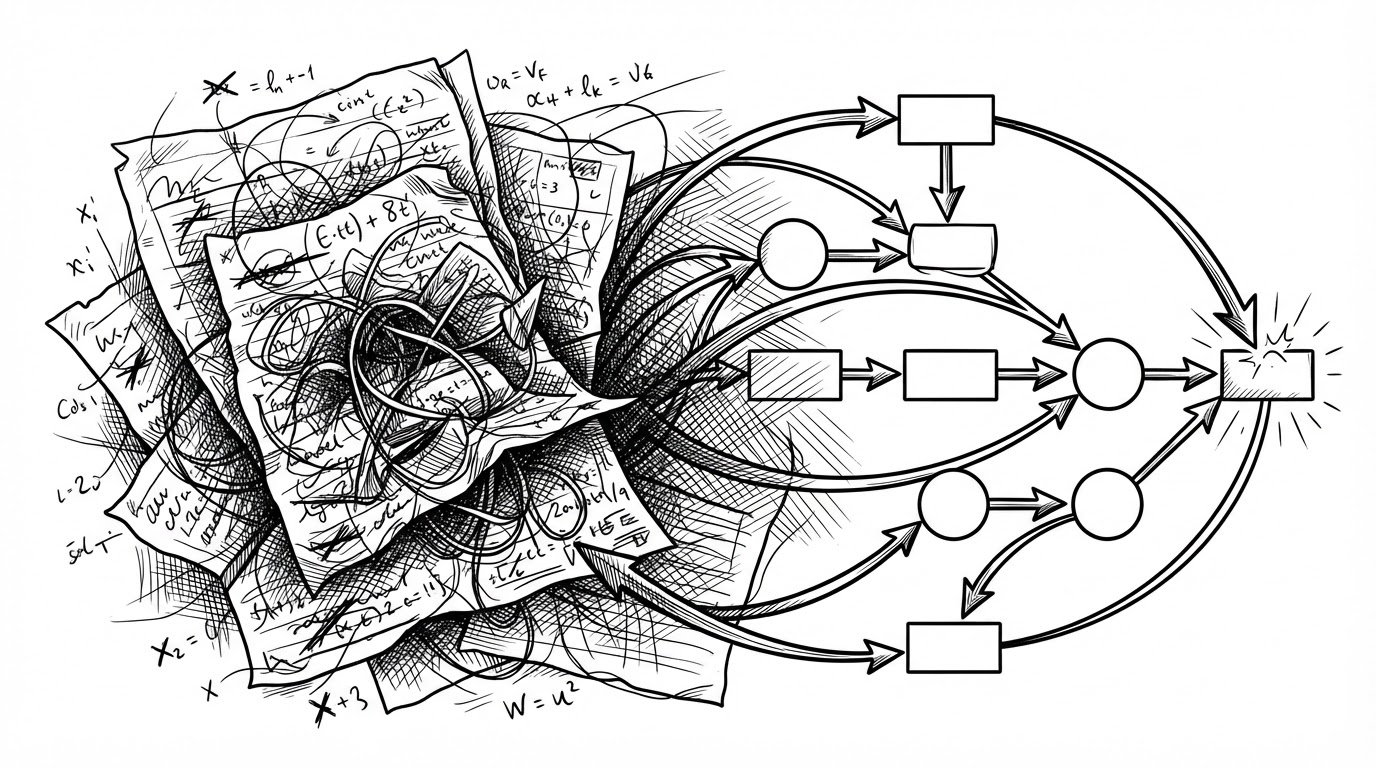
Career-OS starts with a blunt premise: job hunting is mostly clerical work. Recruiter emails, application updates, interview notes, and placement statuses arrive as fragments, then someone has to copy them into a system that can actually be searched, filtered, and trusted.
That is why the repo matters. It is not just another tracker. It is an ingestion pipeline for career chaos, with a front end that looks like a product and a backend that behaves like one.
The nicest part of the idea is the restraint. Career-OS does not ask AI to be magical. It asks AI to extract, normalize, and fit into a schema. That difference changes the whole shape of the project.
Why This Is More Than a Tracker
The project reads like a personal command center because it is trying to compress several workflows into one place: applications, placements, skill progress, and follow-ups. A spreadsheet can store those things, but it cannot make them feel alive.
| Tool | Strength | Weak spot | Where Career-OS wins |
|---|---|---|---|
| Spreadsheets | Flexible and familiar | Everything is manual, from input to cleanup | Career-OS ingests messy text and turns it into records |
| Notion-style trackers | Good for custom layouts | Still depends on disciplined human entry | Career-OS automates the first pass from inbox to database |
| Generic job trackers | Quick setup | Usually shallow, with limited workflow depth | Career-OS ties auth, extraction, and persistence into one flow |
That is the real competitive angle. Career-OS is not chasing feature breadth. It is chasing workflow compression, especially when the starting point is unstructured text.
The AI Extraction Pipeline Is the Real Product
The centerpiece is GeminiExtractionService.java. The service takes raw career text, reflects over PlacementDTO, and uses that shape to build a strict extraction prompt. In other words, the schema is not an afterthought. It is part of the prompt contract.
// Prompt discipline, simplified
Return ONLY valid JSON.
Do not return markdown.
Do not return code blocks.

// Parser tolerance
objectMapper.configure(DeserializationFeature.FAIL_ON_UNKNOWN_PROPERTIES, false);

// Retry logic
for (int attempt = 1; attempt <= 3; attempt++) {
    try {
        return gemini.extract(payload);
    } catch (Exception ex) {
        if (attempt == 3) throw ex;
    }
}
That combination is the key move. Reflection keeps the schema in sync with the DTO, the prompt fences the model into JSON, and the retry loop accepts that model output is probabilistic. The system is designed to survive the gap between natural language and database reality.
There is a strong product instinct in that architecture. A lot of AI apps fail because they trust the model too much. Career-OS does the opposite. It assumes the model is useful, but not reliable enough to be left unsupervised.
How Career-OS Keeps the App Feeling Solid
The polish layer matters because brittle systems feel fake the moment they hit a slow backend or a broken auth flow. Career-OS seems designed to avoid that. The OAuth flow uses a popup and postMessage, which means the main app does not lose its state just because the user logged in.
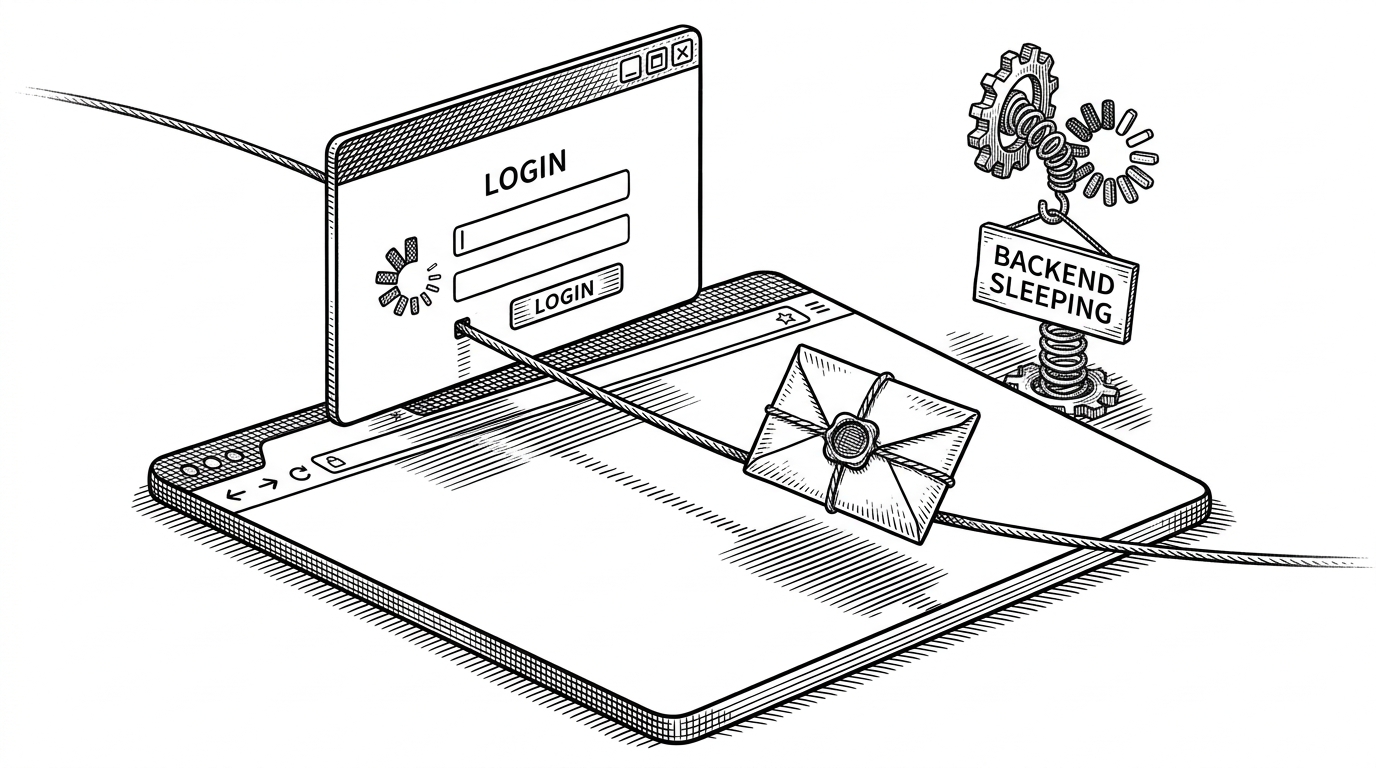
That same thinking shows up in backend readiness handling. If the server is cold, the interface does not pretend everything is fine. It waits, retries, and signals what is happening instead of turning the user experience into a dead end.
This is what makes the repo feel more mature than a demo. It is not only about making features work. It is about making failure modes legible.
The Frontend Is Built Like a Product, Not a Skin
The frontend architecture reinforces the same thesis. The app uses a decoupled React structure, a theme engine built from tokens, and PWA support. That means the interface can change character without forcing the underlying workflow to change with it.
- Themes are token-driven, so visual identity can shift without rewriting components.
- PWA support makes the app feel like a tool you return to, not a site you visit once.
- TanStack Query and modular state handling keep the data flow predictable.
- The design system appears built for iteration, not for one fixed aesthetic.
That matters because personal software lives or dies on repetition. A career tool has to survive daily use, not just a portfolio review. The frontend choices suggest the author understands that the interface is part of the system, not decoration around it.
What Career-OS Is Competing Against
Career-OS is really competing against friction. Every manual handoff from inbox to tracker is a tax on attention. The project tries to delete that tax at the point where it begins.
| Workflow | Manual approach | Career-OS approach |
|---|---|---|
| New application arrives | Copy details into a tracker | Extract fields from text and store them structurally |
| Status changes | Edit rows or cards by hand | Update a record that already exists in the system |
| Auth and session state | Risk a brittle redirect loop | Use popup auth with a token handoff |
| Backend delays | Show a broken page or blank state | Expose readiness and retry instead of failing silently |
That is why the comparison to Notion or spreadsheets is useful but incomplete. Those tools are storage surfaces. Career-OS is trying to be a transformation layer.
The Broader Pattern: Personal OS as a Builder Archetype
Career-OS fits a familiar builder pattern: take one repetitive, high-friction personal workflow and turn it into software that respects the mess. The result is not a generic SaaS clone. It is a bespoke operating system for one domain that happens to be universal enough to feel legible.
The stronger implication is not about careers specifically. It is about how modern full-stack tools and LLMs let solo developers build narrow systems that still feel complete. The stack is doing a lot of work here, but the idea is simple: if the data starts as noise, build for ingestion first.