Roots Trellis: The WordPress Stack That Treats Environments Like Code
Ansible, Lima VMs, Nginx, and zero-downtime deploys combine into one opinionated system that keeps local development, staging, and production aligned.
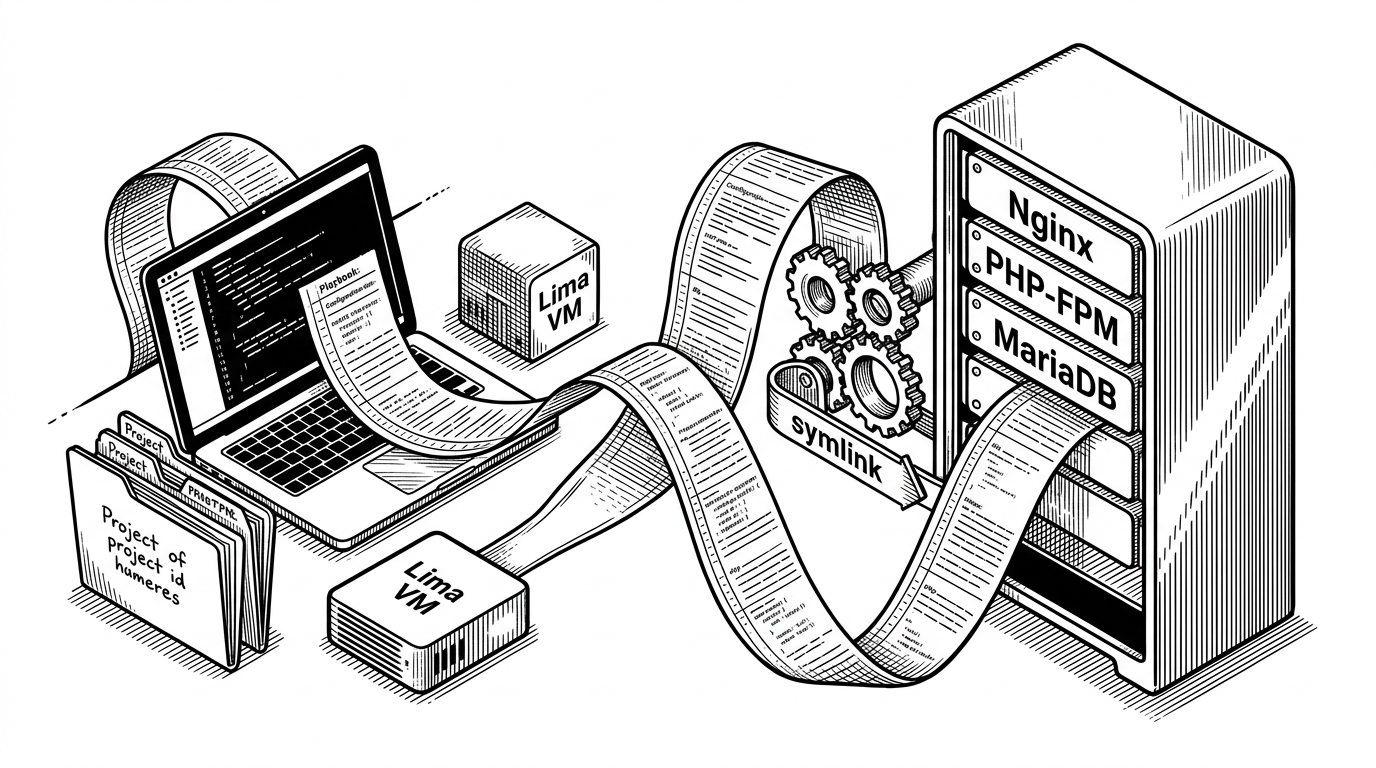
- Trellis is not a WordPress template kit. It is a contract that makes local, staging, and production share the same operational shape.
- Its Bedrock-first design is what lets the project be opinionated about Nginx, filesystem layout, and deployment flow without becoming generic server glue.
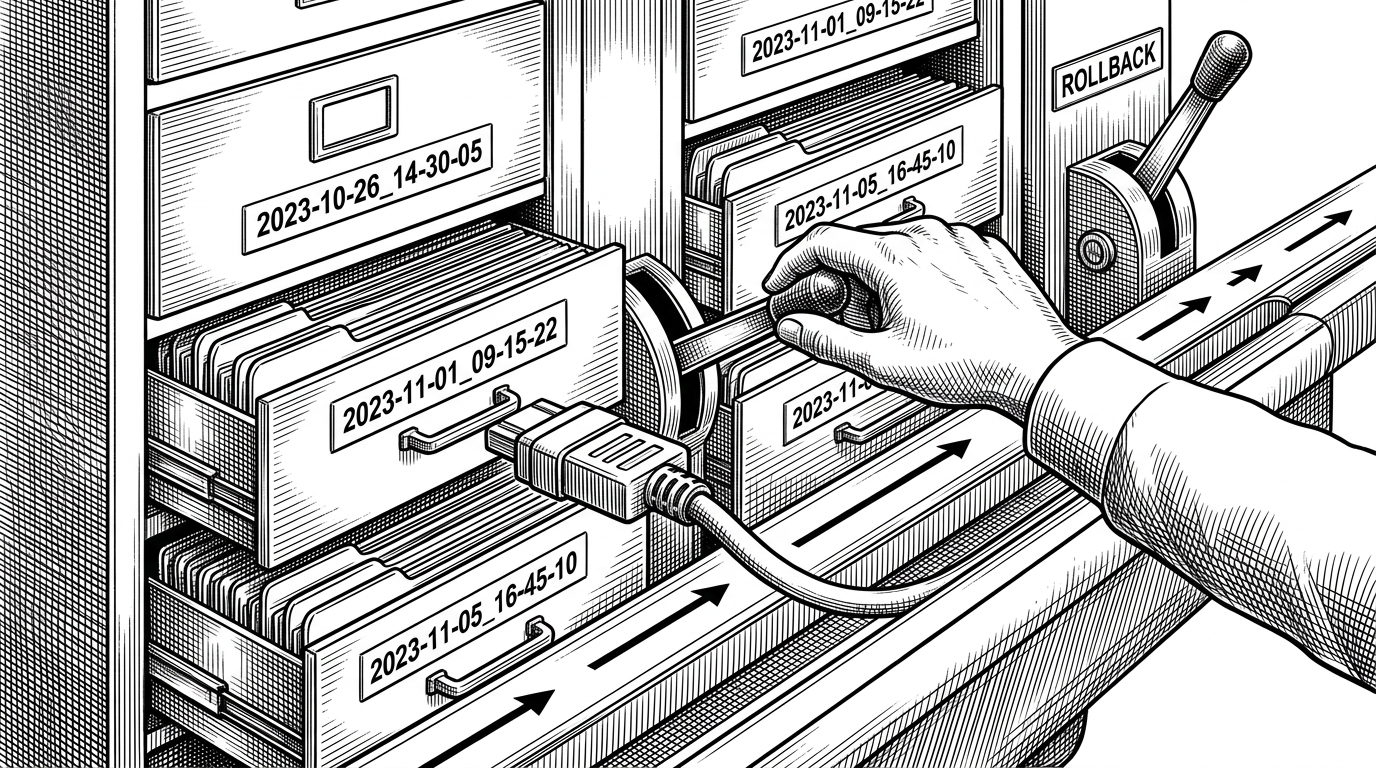
- The interesting unit of Trellis is the release pipeline, where timestamped deploys and a current symlink make rollback a first-class action.
- Its move from Vagrant-era ergonomics to Lima-based local development shows WordPress infrastructure maturing into something closer to modern platform engineering.
Trellis is compelling because it solves a problem bigger than setup. It turns WordPress infrastructure into a shared operating model, so the machine on a laptop, the staging box, and the production server all obey the same playbook family. That is a different promise from "easy hosting." It is parity as the product.
That matters because WordPress teams have spent years absorbing drift as normal. A local environment one way, a staging server another, production a third way. Trellis attacks that split directly: same Ansible structure, same role order, same deployment logic, different variables.
Why the Bedrock constraint matters
Trellis can be this opinionated because it is not trying to support every possible WordPress layout. It assumes Bedrock, which means it can expect a cleaner project structure, a `web/` document root, and a deployment model that looks like a real application instead of a pile of theme files. That constraint buys clarity everywhere else.
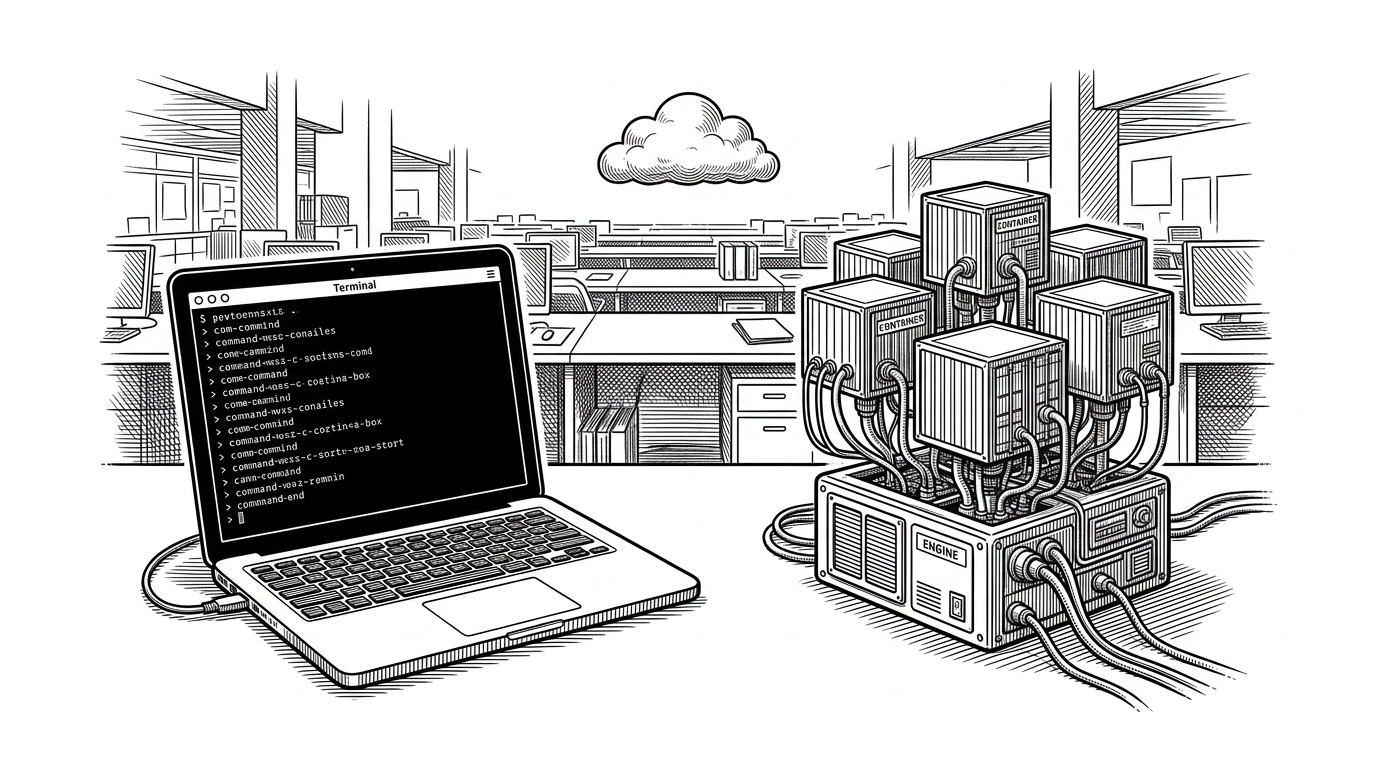
Trellis has removed support for Vagrant, VirtualBox, and Parallels for local development. Going forward, Lima VMs are the only supported option for running Trellis locally.
How one playbook becomes a whole stack
The spine is `server.yml`. It does not just install packages. It imposes an order: security first, then the database layer, then PHP, then Nginx, then optional services if the site needs them. That sequence is the point. It keeps servers lean and predictable instead of turning every host into a kitchen sink.
# Simplified structure of the provisioning spine
- import_role: { name: common }
- import_role: { name: ferm }
- import_role: { name: fail2ban }
- import_role: { name: mariadb }
- import_role: { name: php }
- import_role: { name: nginx }
- import_role: { name: letsencrypt }
- import_role: { name: memcached }
  when: sites_using_memcached | count > 0
That conditional logic is easy to miss, but it is a major design choice. If no site needs Memcached, Trellis does not install or manage it. The stack stays close to the app, not the other way around.
The Nginx and PHP layers are where the opinion shows up
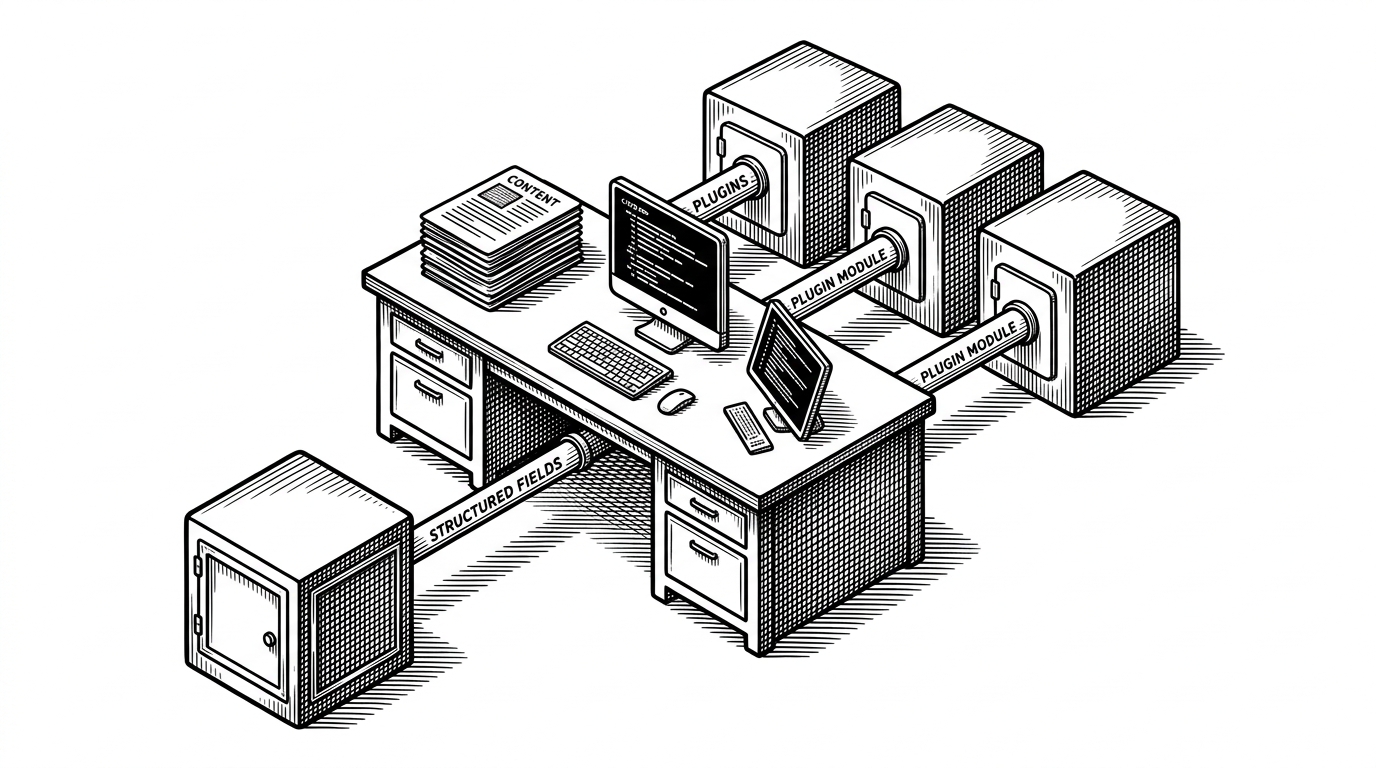
Trellis does not just install Nginx. It templates it. That matters because the config becomes part of the codebase, not a hand-edited artifact on a server. The same is true for PHP-FPM management, where Trellis can swap versions cleanly and keep the runtime aligned with the rest of the stack.
| Layer | Generic hosting script | Trellis |
|---|---|---|
| Nginx | Manual, one-off config | Templated, role-driven config |
| PHP | Installed as a package | Managed as part of an ordered runtime |
| Security | Added after the fact | Built into provisioning order |
| Parity | Best effort | Design goal |
The best part is that Trellis makes these choices visible. You can inspect the templates, the role tasks, and the environment vars. It behaves like software because it is software.
Deploys that look like releases, not rsync
The deployment model is closer to Capistrano than to a file sync tool. Trellis creates timestamped release directories, writes the new code there, then moves a `current` symlink to point at the fresh release. That gives you a clean rollback story, because going back means repointing the symlink, not reconstructing the server state from scratch.
This is a small architectural choice with a big effect on operations. It makes deploys legible, rollback-safe, and easy to reason about under pressure. The server always has a previous release sitting there, ready.
| Deployment model | What changes on the server | Rollback story |
|---|---|---|
| rsync to live files | The active directory is edited in place | Messy and partial |
| Trellis release deploy | A new release is prepared, then current is switched | Simple pointer change |
| Manual shell scripts | Depends on the script author | Usually bespoke |
What Trellis is better than, and what it is not
Trellis wins when the goal is repeatable infrastructure with strong parity. It is better than Docker-only local stacks when the same code needs to drive local, staging, and production. It is better than legacy Vagrant workflows because the local VM story is now lighter and more modern. And it is better than ad hoc shell scripts because the behavior is encoded, reviewed, and reused.
But Trellis is not the right answer for every team. If someone wants a throwaway local WordPress sandbox, this is too much system for the job. Trellis is for teams that care about the shape of the environment as much as the code running inside it.
| Alternative | Strength | Trade-off |
|---|---|---|
| Docker-only WordPress | Fast start, lightweight | Local convenience can outrun production parity |
| Legacy Vagrant provisioning | Familiar full VM model | Slower and more cumbersome |
| Ad hoc shell scripts | Flexible and quick to write | Hard to audit, hard to repeat |
| Trellis | Shared model across environments | Opinionated and narrower by design |
The project’s evolution says a lot about WordPress
Trellis also reads like a record of WordPress infrastructure maturing. The shift from Vagrant to Lima is not just a tooling swap. It shows the community moving toward faster local environments, tighter provisioning logic, and a more realistic deployment model. Add HTTP/3 support, runtime hardening, Redis sessions, and the stack starts to look like a serious platform rather than a historical artifact.
That is the deeper story here. Trellis is what happens when WordPress stops being treated as a special case and starts being treated as an application with real operational needs.