vehical: DriveHive: The Vehicle Rental Blueprint That Simulates Its Own Backend
A vanilla JS rental platform that uses fallback data, localStorage, and a partial Node + SQLite stack to feel complete before the backend is fully real.
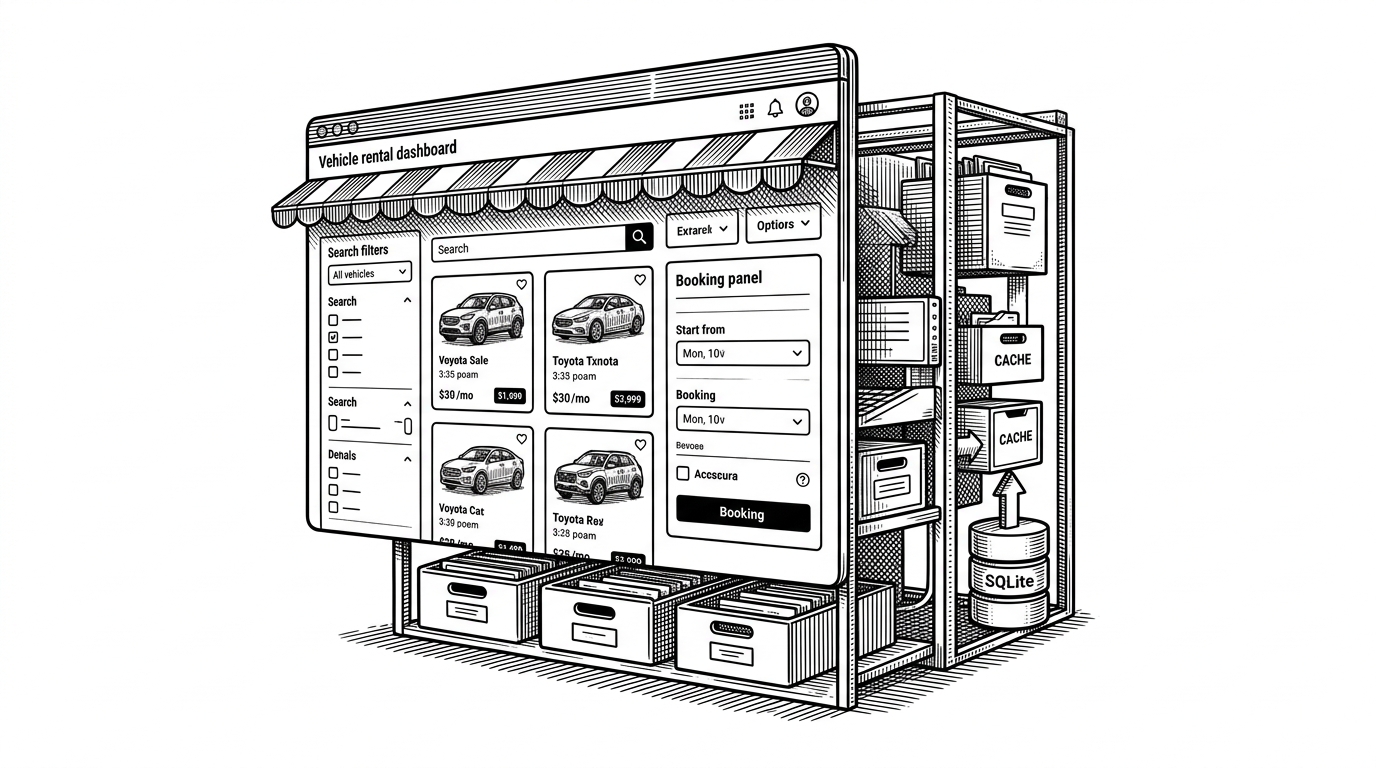
- DriveHive’s most interesting feature is not the rental catalog. It is the layered state model that keeps the app usable when the backend is missing or incomplete.
- The project is anchored by a mountain-travel niche for India, which gives the product a real thesis instead of generic fleet marketplace energy.
- Its design system and page structure do a lot of the heavy lifting that a framework would normally handle, which makes the codebase feel more complete than its backend maturity suggests.
- The host portal shows the project moving from brochureware toward workflow software, with local persistence standing in for a still-maturing server.
A Rental App That Acts Finished Before Its Backend Is Finished
DriveHive’s hook is simple: it behaves like a real rental business long before its backend is fully authoritative. The renter side, the host side, and the product copy all project completion, even though the experience is being held together by seeded data, client-side persistence, and a backend that is still catching up.
That is not a flaw in the story. It is the story. The repo is a study in how far a disciplined frontend can go when it is asked to simulate durability, continuity, and operator confidence on its own.
Why the Mountain-Niche Matters
DriveHive would be much less interesting if it were just another generic vehicle rental clone. The data points somewhere more specific: mountain travel in India, with vehicles and positioning that make sense for altitude, rough roads, and tourism-heavy routes.
That niche matters because it changes the product thesis. Instead of a broad marketplace, this looks like a targeted service with a reason to exist. The project feels grounded because the inventory, the copy, and the use case are all pulling in the same direction.
The State Engine Behind the Illusion
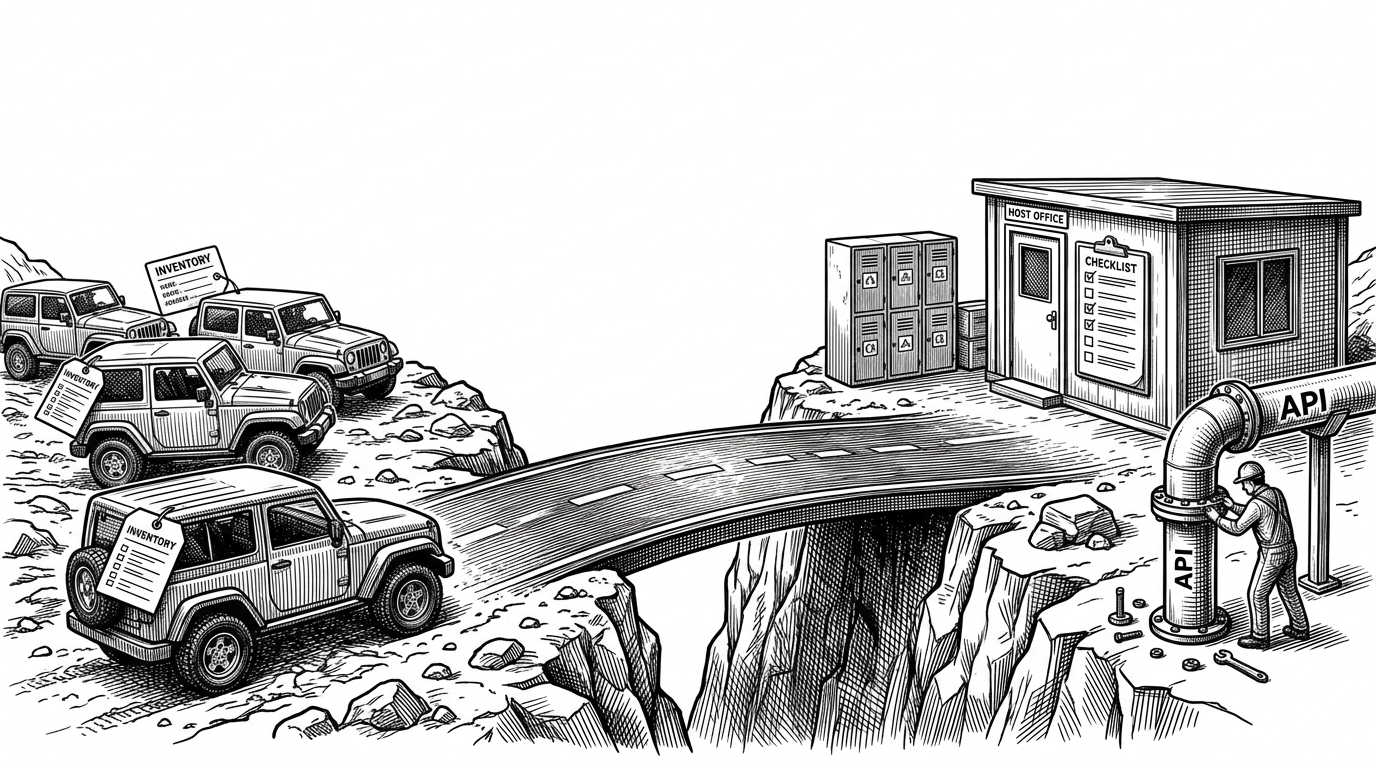
The most revealing file is assets/js/app.js. It does not just render data. It arbitrates between live requests, a fallback vehicle array, and localStorage state so the app can keep moving even when the backend is not the single source of truth.
That gives the interface a useful kind of resilience. If the API is unavailable, the app still has inventory. If the host edits a listing, the change can persist locally. If the backend comes back, the system can reconcile the experience without asking the user to care which layer was active.
This is why the repo reads as more than a static demo. The interface is designed to survive partial infrastructure. That is a product move, not just a coding trick.
The Design System Is Doing More Work Than It Looks Like
The CSS architecture is the quiet enabler here. A variable-driven system, plus Grid and Flexbox, gives the site a reusable rhythm across a large multi-page surface without leaning on a framework to impose order.
:root {
  --bg: #0b0b0b;
  --primary: #ffd100;
  --text: #f5f5f5;
  --muted: #b7b7b7;
}

.grid {
  display: grid;
  grid-template-columns: repeat(auto-fit, minmax(260px, 1fr));
  gap: 1.5rem;
}