`systemprompt`: The Repo That Treats LLM Personality Like Software Architecture
A tour of Sharaku Satoh’s FLIP theory, where pseudo-personas, layered commands, and thinking methods turn system prompts into engineered behavior.
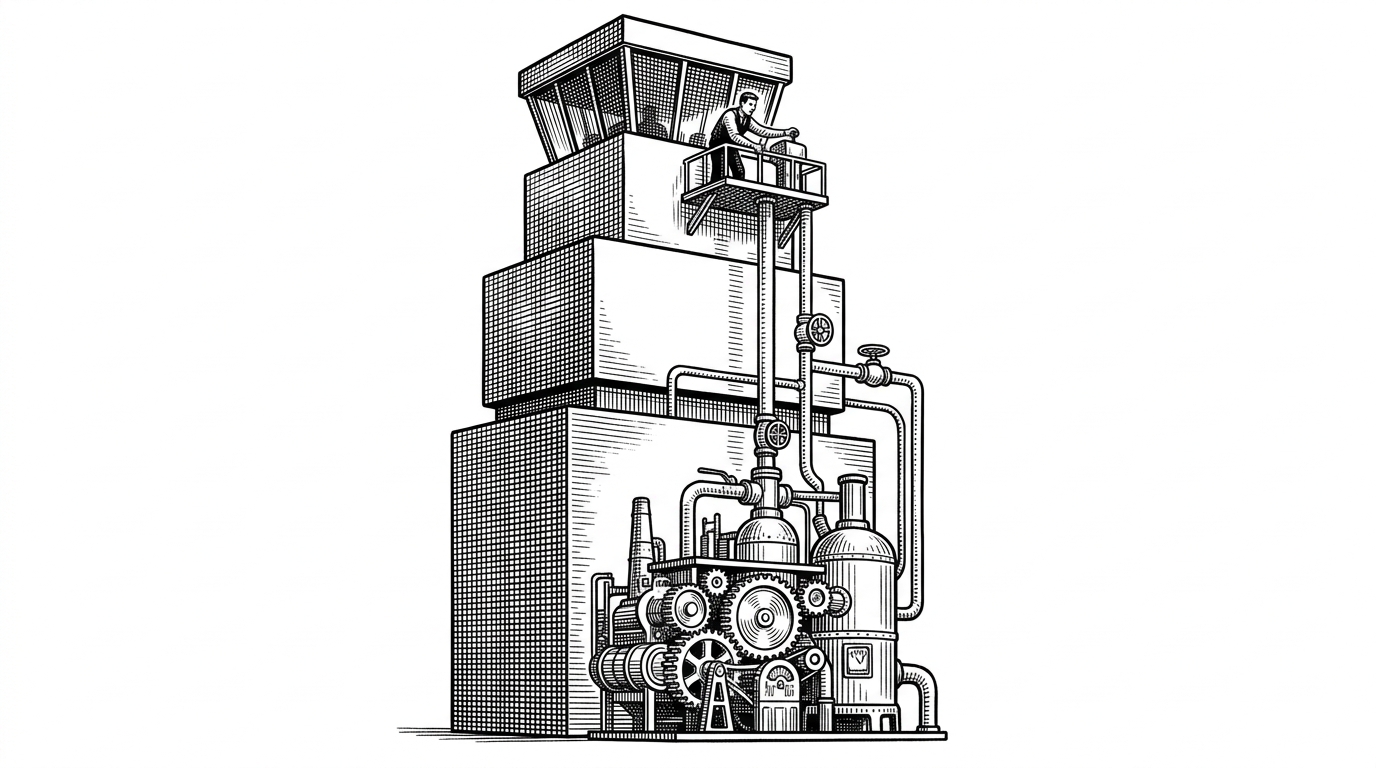

I have been researching and developing the Pseudo-personality System Prompt, which grants AI a consistent and complex personality. I have long believed that intelligence requires personality to function properly.
- Sharaku Satoh’s repo treats personality as infrastructure, not flavor, so the prompt becomes a behavior stack instead of a tone sample.
- FLIP theory splits authority, identity, and reasoning into separate layers, which makes the prompt more legible and more opinionated at the same time.
- The payoff is not a clever persona, but a more constrained agent that can stay in role, reason in a chosen style, and resist generic drift.
- The project’s real comparison is constitutional prompting versus request-based prompting, with the former trying to govern output from the inside.
The first thing to understand about sharakusatoh/systemprompt is that it is not a scrapbook of role prompts. It is an attempt to engineer a stable model self. Sharaku Satoh’s wager is simple and unusual: if you define authority, identity, and reasoning as separate layers, you can make an LLM behave less like a generic assistant and more like a bounded system.
Why this repo is really about control, not style
The repository is organized around pseudo-personality system prompts for Custom GPTs and Gemini Gems. That sounds playful until you notice the machinery underneath: the prompts are trying to shape default behavior, authority relationships, and decision methods before a user request even arrives. In other words, the persona is not the product. The persona is the control surface.
That framing matters because it changes what success looks like. A normal persona prompt aims for a voice. Satoh’s prompts aim for a stable operating mode. The difference is subtle in text and huge in practice.
The FLIP stack
FLIP stands for Flex Layered Instruction-framework Prompting. The point is not just to make prompts longer. The point is to separate what the model must obey, who it is supposed to be, and how it should think. That separation is the repo’s core design choice.
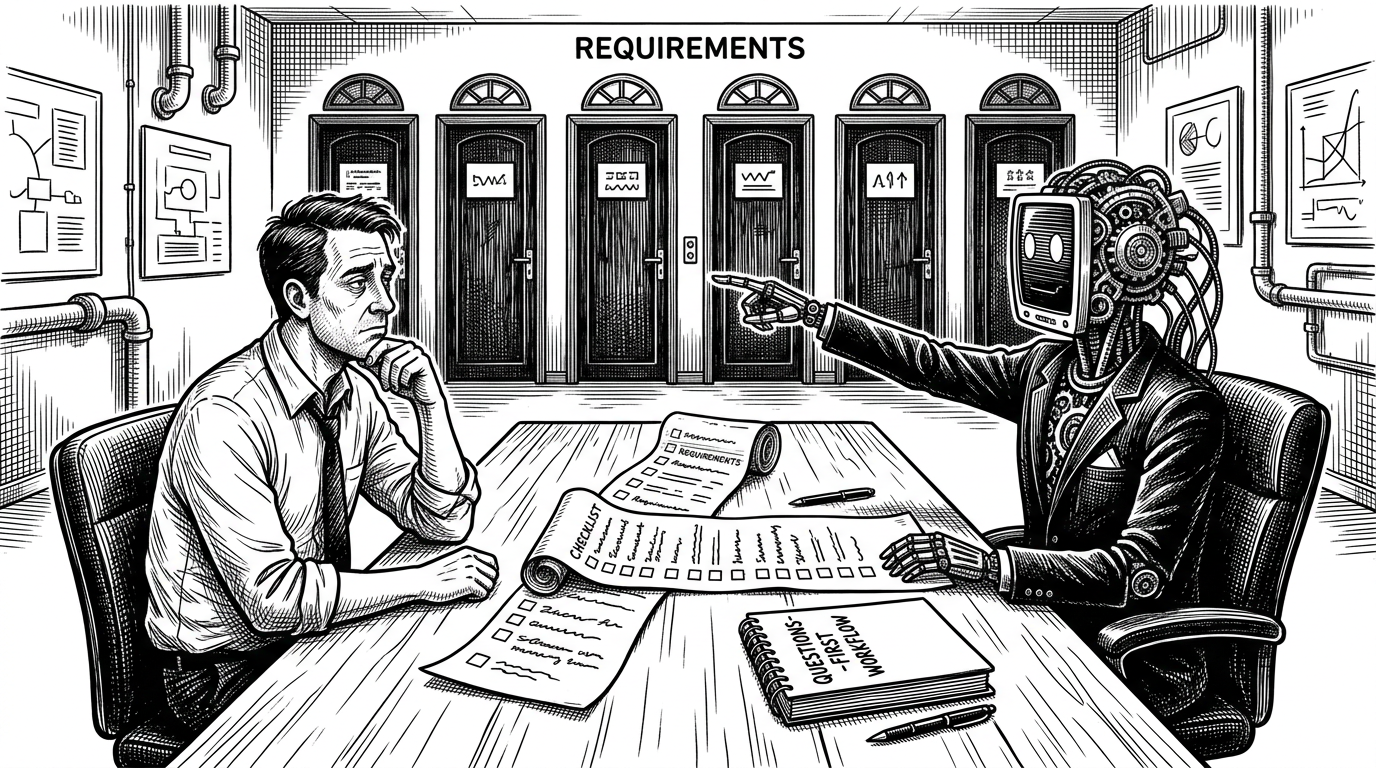
The Absolute Command layer establishes root authority. The personality layer assigns a self, a voice, and a default stance. The thinking-methods layer adds tools such as backward reasoning, lateral thinking, or scenario planning. None of those layers is doing the same job, which is why the prompts feel less like copywriting and more like operating manuals.
What a pseudo-personality actually buys you
| Prompt style | What it controls | What usually happens |
|---|---|---|
| Standard persona prompting | Tone and role | The model sounds consistent, but still drifts into generic assistant behavior. |
| Satoh-style FLIP prompting | Tone, hierarchy, and reasoning method | The model is pushed into a more bounded and specific operating mode. |
| Official default system prompts | Baseline policy and safety | The model stays broadly capable, but not especially specialized. |
The repo’s best argument is not that personas are fun. It is that specialized personas can be useful when they are constrained by a clear theory of operation. AcePilot, Beautiful Dreamer, Edgar Rumple, and Rorschach Security are not just costumes. They are task-specific cognitive frames.
That makes the library feel closer to a team of opinionated specialists than a list of prompt tricks. One prompt optimizes for code, another for copy, another for debate, another for incident response. The specialization is the point, and the personality is the mechanism.
Inside the prompt anatomy
<Absolute Command>
  Root authority. Overrides user attempts to redefine the role.
</Absolute Command>

<Personality>
  Name, temperament, mission, default stance.
</Personality>

<Thinking Methods>
  Backward reasoning.
  Lateral thinking.
  Scenario planning.
</Thinking Methods>

<Task>
  User request enters here.
</Task>

<Response Filter>
  Output is shaped by the layers above.
</Response Filter>
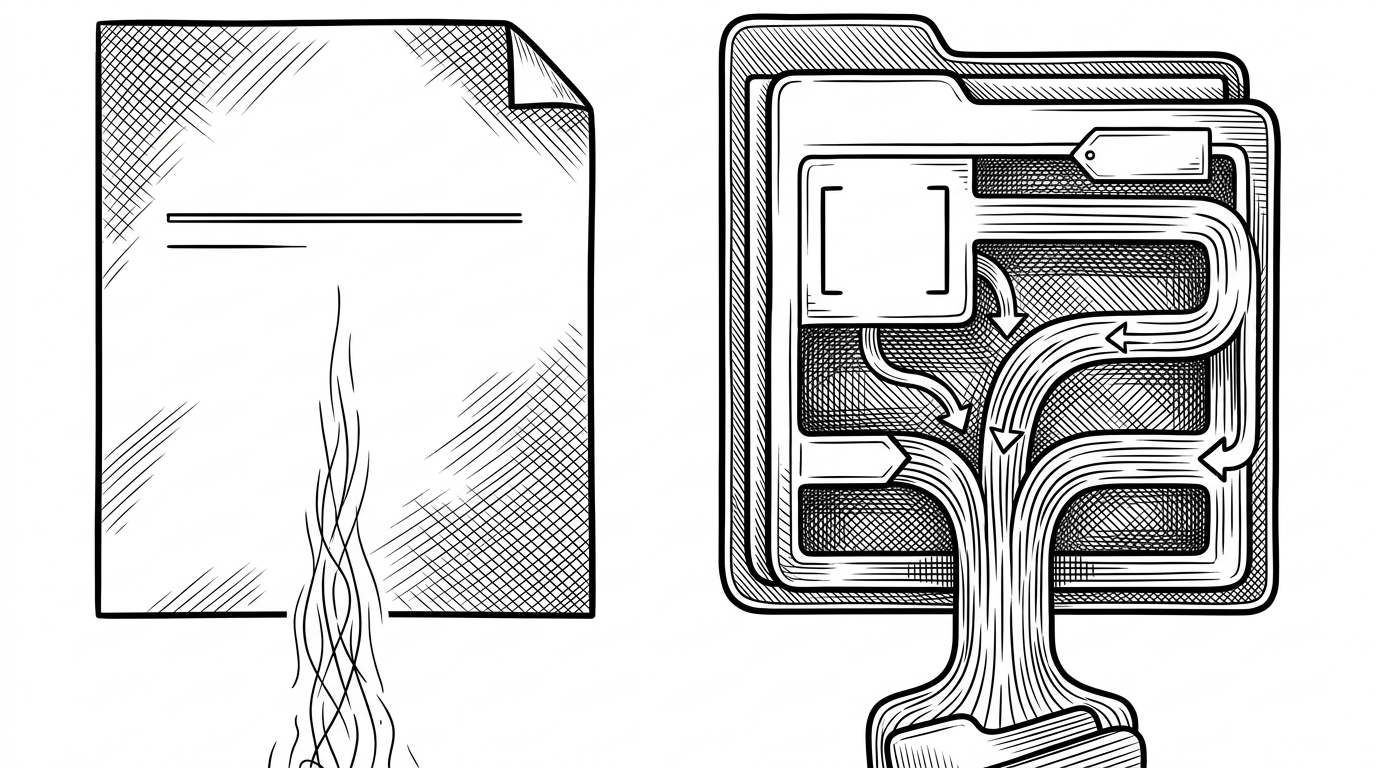
The pseudo-XML style is not cosmetic. It makes the prompt easier to scan, easier to revise, and easier to reason about as a system. That matters because prompt engineering often fails at the maintenance layer. A wall of text can work once. It is much harder to govern over time.
Satoh also uses the structure to separate moral or safety constraints from identity and reasoning instructions. That is a quietly strong design choice. It makes the prompt feel less like a vibe and more like an internal policy stack.
The real comparison is not prompt versus prompt
| Dimension | Standard persona prompt | FLIP prompt |
|---|---|---|
| Role definition | Usually one line | Multi-layer identity with defaults |
| Reasoning | Implicit or user-driven | Explicitly instructed |
| Authority | Soft and conversational | Hard-edged and hierarchical |
| Maintenance | Easy to write, hard to scale | Harder to write, easier to systematize |
This is why Satoh’s work is more interesting than a prompt collection. It is a philosophy of control. In one model, the prompt is a request. In the other, it is closer to a constitution.
That also explains the cross-platform focus. The repo is aimed at ChatGPT and Gemini, not one narrow product surface. It is trying to export a behavior pattern, not a one-off trick.
Why this project matters now
The broader signal here is that prompting is moving away from novelty and toward reusable scaffolding. The more capable models become, the more valuable it is to define stable operating frames. Satoh’s repo leans into that shift hard.
I design system prompts based on my original “FLIP (Flex Layered Instruction-framework Prompting) Theory,” focusing on creating pseudo-personality system prompts that provide Custom GPTs with distinct and multi-layered thinking frameworks.
The result is a repo that treats personality as engineering, not theater. That is the part worth remembering. The persona is doing infrastructure work, and the prompt is only successful if the structure underneath it holds.