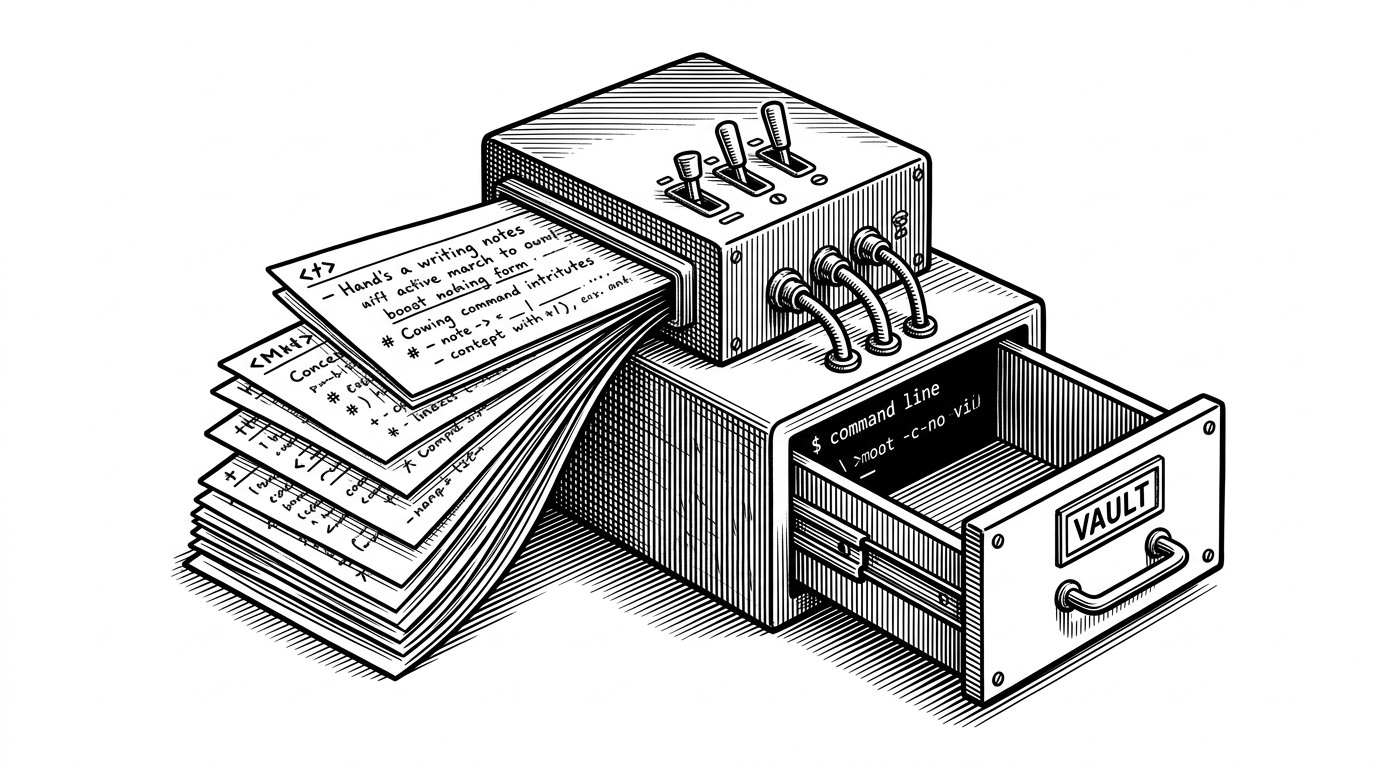
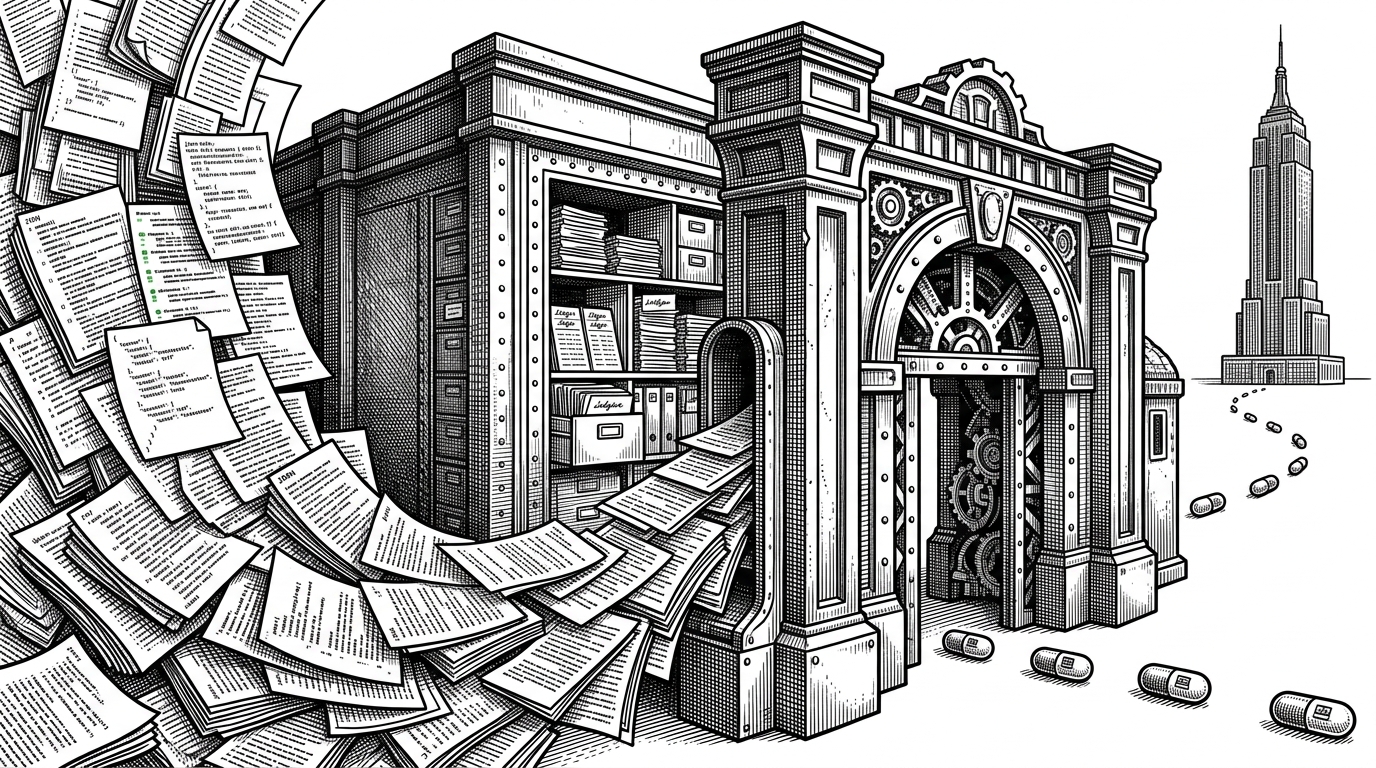
LogR: The Passive Knowledge Watcher That Turns Desktop Noise Into a Clean Work Log
A local-first Rust and Tauri app that watches windows, keyboard bursts, screenshots, and app shifts, then compresses them into privacy-filtered Markdown sessions.
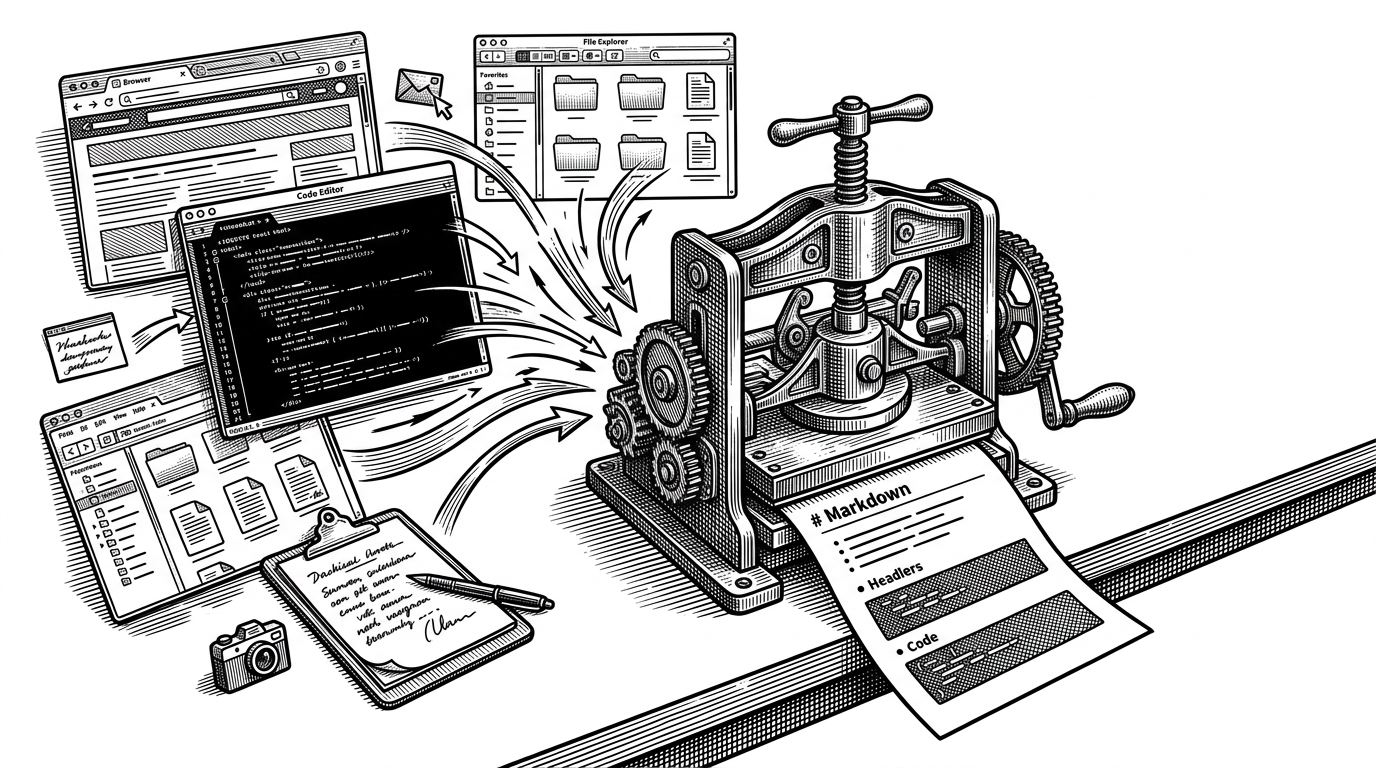
- LogR is less a diary app than a compression layer that turns live desktop behavior into a usable work log.
- Its privacy story depends on collecting less, not more, by filtering sensitive sources before synthesis.
- Sessions are the product, because idle gaps, app shifts, and event caps decide when raw activity becomes a coherent note.
- Local vision and local summarization make the automation feel materially different from cloud memory products.
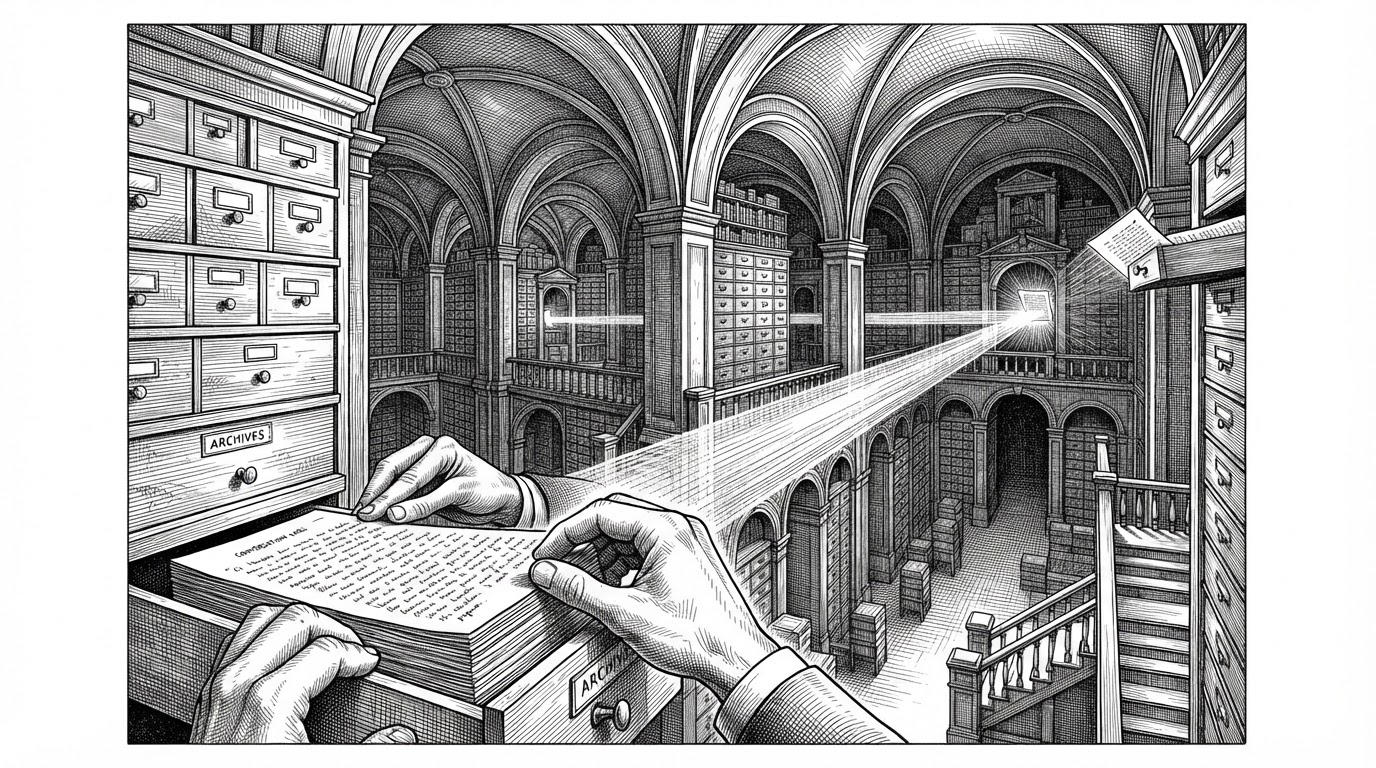
A diary that writes itself
Most journaling tools ask you to remember to remember. LogR flips that burden around. It watches what your desktop is already doing, then tries to turn the noise into a clean, structured record of work.
That is the interesting part. LogR is not trying to be a prettier notebook. It is trying to become a silent editor for your day, one that notices context shifts, then writes the summary you would probably skip.
That makes it a better fit for developers, researchers, and other people who work in bursts. The value is not just recall. It is reducing the cost of keeping a decent record in the first place.
The trick is not collecting more. It is collecting less.
The repo’s collector model is built around restraint. Instead of acting like a raw keylogger or screen recorder, LogR samples a narrower set of signals: active window changes, typing bursts, clipboard activity, filesystem context, and screenshots only when they add value.
Then the prefilter steps in. Sensitive sources can be dropped before they ever reach synthesis, which is the difference between a useful assistant and something that feels like surveillance.
That matters because the product’s promise depends on trust. If the system captures too much, it becomes creepy. If it captures too little, it becomes useless. LogR tries to sit in the narrow band where it can still reconstruct a work session without hoarding the raw evidence.
Sessions are the real product
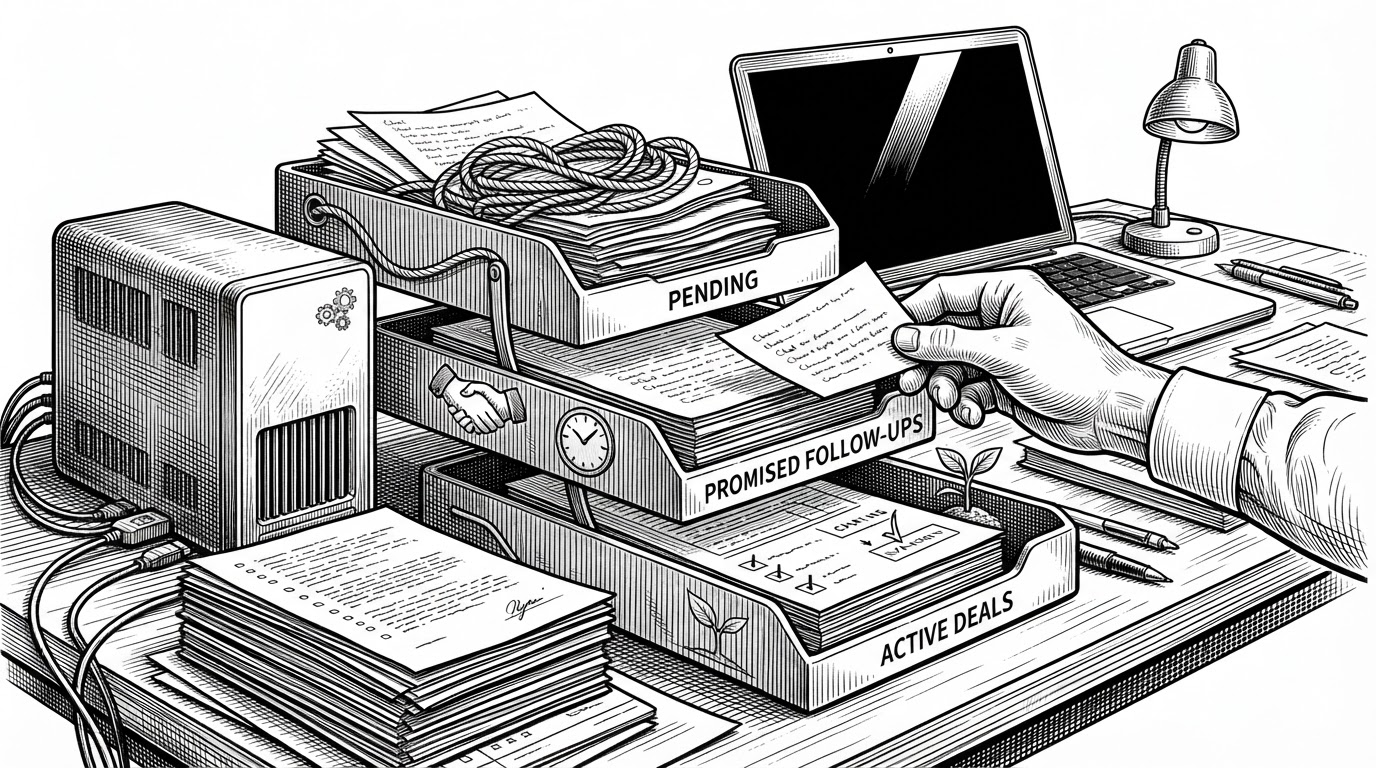
The core idea is the SessionBuffer. Raw events do not become notes one by one. They accumulate until the app sees a natural break: enough idle time, a category shift from coding to browsing or design, or an event cap that keeps the context window sane.
That is the intellectual move. LogR is not really a watcher. It is a compression engine for lived work. The app decides which moments belong together, then collapses them into a single narrative unit.
This is why the session boundary matters more than the individual event. A list of events is still noise. A session has shape. It says, "this was one stretch of work," which is what most people actually want to remember.
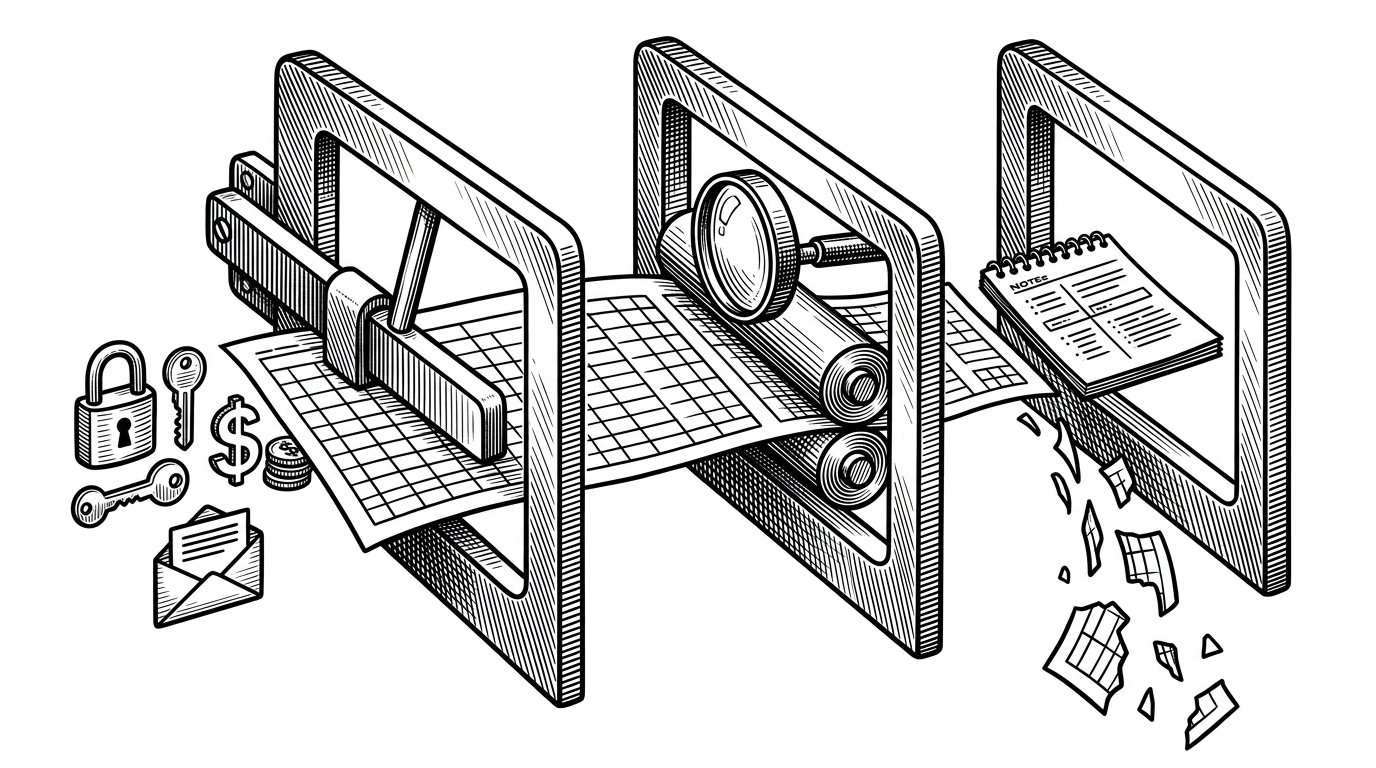
That compression logic is also why the tool can stay readable. It does not need to narrate every twitch of the day. It only needs enough signal to generate a believable summary of what happened and what mattered.
Why local vision changes the privacy tradeoff
LogR’s strongest privacy move is not a settings toggle. It is local vision. Screenshots can be downscaled in memory and interpreted by a local model through Ollama, which means visual context can be extracted without shipping raw captures to a cloud service.
That changes the trust equation. A cloud memory product can always claim to be helpful. A local one can make the smaller claim that your screen never had to leave the machine to become useful.
It also changes the product shape. Vision is no longer a high-risk afterthought. It becomes one more input stream, handled like the others, then reduced to context rather than preserved as evidence.
How LogR reaches into the OS
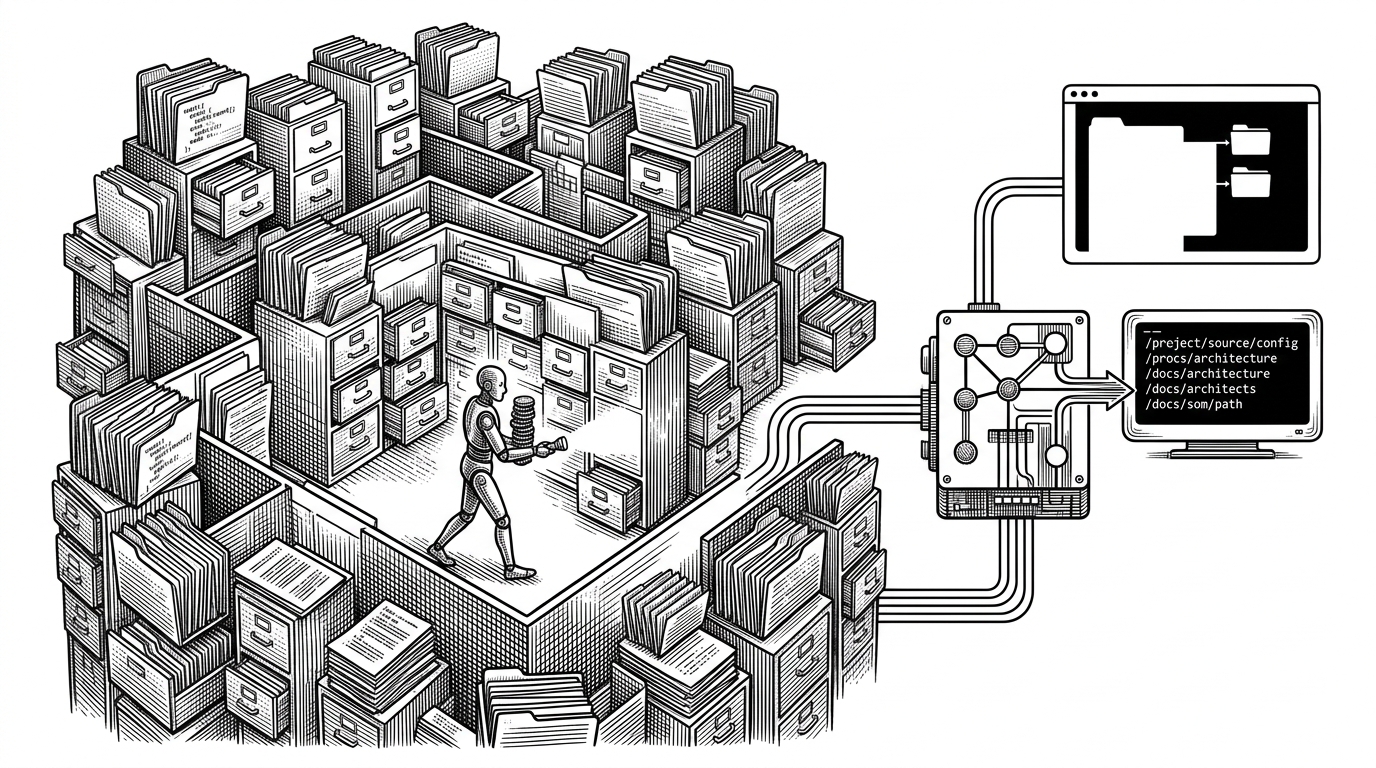
Under the hood, the app is a Rust backend wrapped in Tauri, with a React frontend on top. That matters because the interesting work is system-level. The collectors need to observe active windows, keyboard bursts, and browser context without making the UI feel heavy.
// Simplified shape of the pipeline
let (raw_tx, raw_rx) = mpsc::channel();
let (session_tx, session_rx) = mpsc::channel();
let (feed_tx, feed_rx) = mpsc::channel();

spawn_collectors(raw_tx.clone());
run_session_buffer(raw_rx, session_tx, feed_tx);
run_synthesis(session_rx);
One of the more interesting implementation details is browser URL extraction through Windows UI Automation. Instead of asking users to install a browser extension, LogR reaches down into the OS layer and reads the address bar directly when it can.
The rest of the system follows the same pattern: modular collectors, async channels, and a decoupled pipeline so one lagging sensor does not stall the whole process. That is a sensible design for a desktop utility that needs to stay out of the way.
What LogR is closer to, and what it is not
| Product type | What it captures | Privacy posture | Output | User effort | What LogR does differently |
|---|---|---|---|---|---|
| Manual journaling tools | Whatever the user remembers to type | Private by default, but manual | Freeform notes | High | Automates collection and synthesis |
| Surveillance-style memory systems | As much screen and activity data as possible | Often invasive or hard to trust | Searchable archive | Low for the user, high for the privacy cost | Filters sensitive data and stays local |
| Generic activity trackers | Usage patterns and app time | Usually safer, but shallow | Charts and logs | Low | Turns activity into narrative sessions |
| LogR | Selective desktop signals and local vision context | Local-first and privacy filtered | Markdown work sessions | Very low | Compresses raw behavior into readable memory |
That middle position is the whole story. Manual tools require discipline. Surveillance tools create distrust. Trackers collect data but do not narrate it. LogR is trying to synthesize memory with minimum user involvement and maximum local control.
Why this matters
LogR hints at a different category of personal software. Not a note app, not a logger, not a recorder. A compiler for daily work, one that turns passive context into something searchable and legible.
That future is appealing because it changes what "documentation" means. Instead of writing everything down by hand, you let the system compile the parts that are safe and useful to keep. The best memory tools will not just record more. They will decide what can safely be forgotten.