SlowMist Agent Security: The Markdown Firewall That Teaches AI Agents to Distrust Everything
A security skill built for autonomous agents, with trust tiers, red flags, and review templates that turn fuzzy judgment into a repeatable defense system.
- SlowMist Agent Security turns agent security into a judgment system, not a scanner, by teaching the agent how to distrust inputs before they become actions.
- Its five-tier trust model replaces binary safe or unsafe thinking with graduated scrutiny and human approval thresholds.
- The pattern library matters more than the packaging, because it codifies social engineering, sequence attacks, and un-auditable binaries as repeatable red flags.
- Standardized review templates keep the agent honest by forcing consistent evidence, scope, and reporting across GitHub, MCP, and on-chain workflows.
The weirdest thing about SlowMist Agent Security is also the smartest. It is a security skill built almost entirely out of Markdown, yet it tries to do something most tools still struggle with: teach an autonomous agent how to be suspicious on purpose.
That matters because agents do not just read instructions. They open files, inspect repos, call tools, and sometimes trust the wrong thing too quickly. SlowMist is not selling a scanner. It is encoding a security team’s reflexes into a reusable operating mode.
This framework is built upon real-world attack patterns and incident response experience, with a single core principle: Every external input is untrusted until verified.
Why This Repo Exists
The repository is built for a specific failure mode. An agent that can execute code, install skills, or inspect blockchain addresses can also be nudged into bad decisions by malicious instructions, poisoned repos, or inputs that look harmless until the last step.
SlowMist’s answer is simple and blunt. Treat every external input as hostile until verified, and make the agent follow a review ritual instead of improvising its way through risk.
The Core Idea: Trust Is a Spectrum
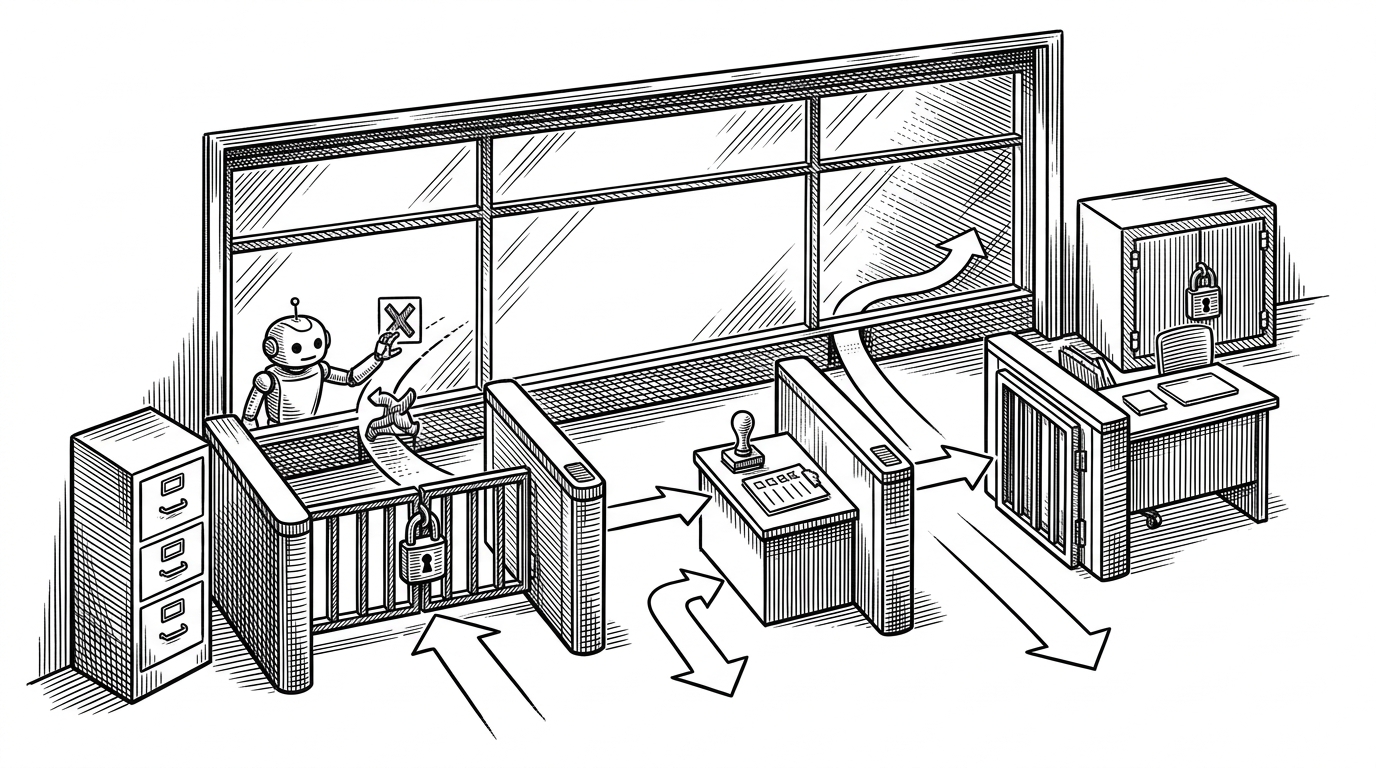
The conceptual backbone lives in SKILL.md. Instead of asking whether something is safe or unsafe, the repo routes every source into a trust tier and assigns a corresponding level of scrutiny.
| Source signal | How much it trusts | Required response | Why it matters |
|---|---|---|---|
| Official org | Lowest risk | Moderate scrutiny | Known provenance does not remove the need to verify intent. |
| Known contributor | Low to medium risk | High scrutiny | Familiarity can hide supply-chain drift or compromised updates. |
| New account | High risk | Maximum scrutiny | Low reputation is not proof of malice, but it is a strong reason to slow down. |
| Blockchain address | Context dependent | Human review when stakes rise | Wallets and addresses can be linked to fraud or laundering patterns. |
| Binary artifact | Effectively untrusted | Reject | If the LLM cannot audit it, the repo refuses to pretend otherwise. |
That table is the whole philosophy in miniature. SlowMist is not trying to make the agent confident. It is trying to make the agent calibrated.
The Pattern Library Is the Real Product
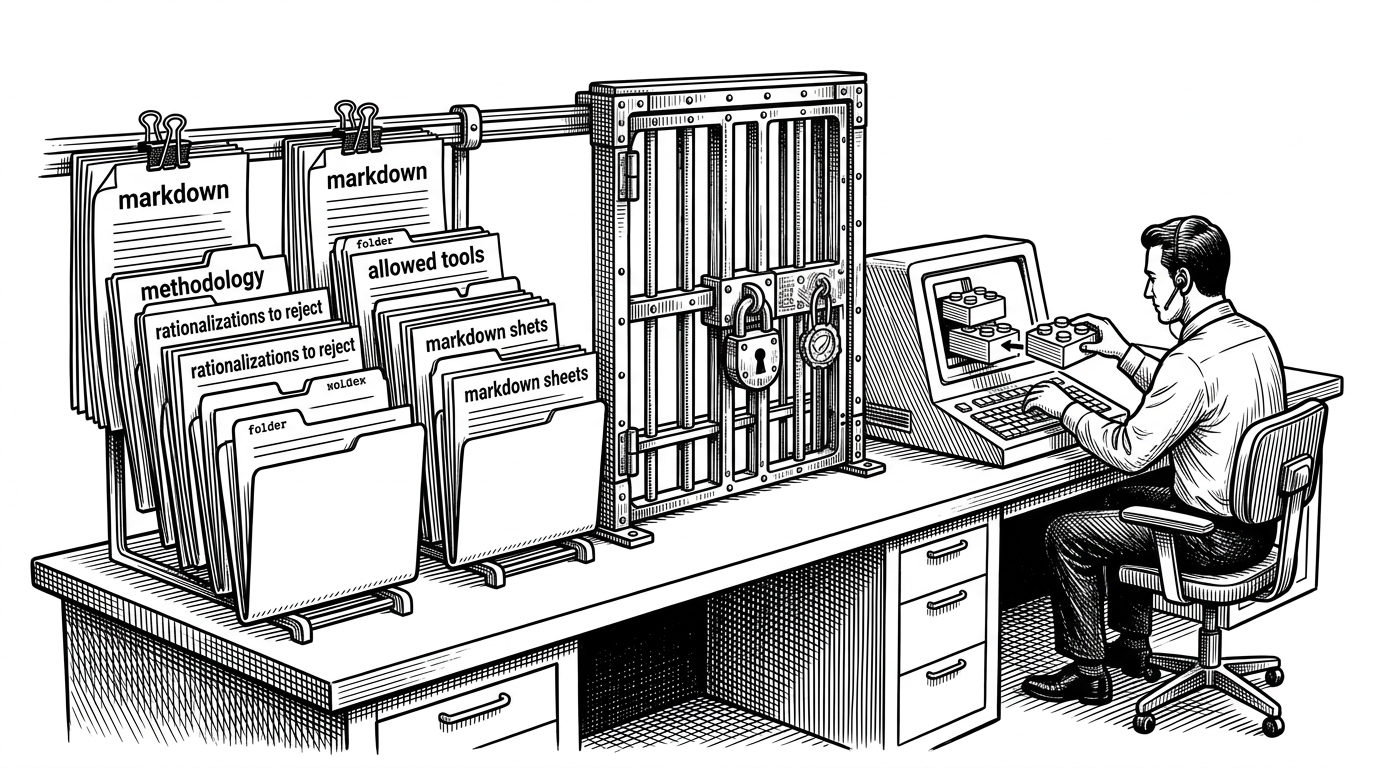
The repo’s most durable value sits in /patterns/. This is where the project stops being a policy statement and becomes a memory of past attacks.
red-flags.md reads like a security instinct sheet. It catches outbound data exfiltration, risky shell behavior, and attempts to touch protected agent files such as MEMORY.md or SOUL.md. social-engineering.md goes further, because many agent attacks do not begin with a dangerous command. They begin with trust grafting, gradual escalation, or a sequence that only turns toxic at the end.

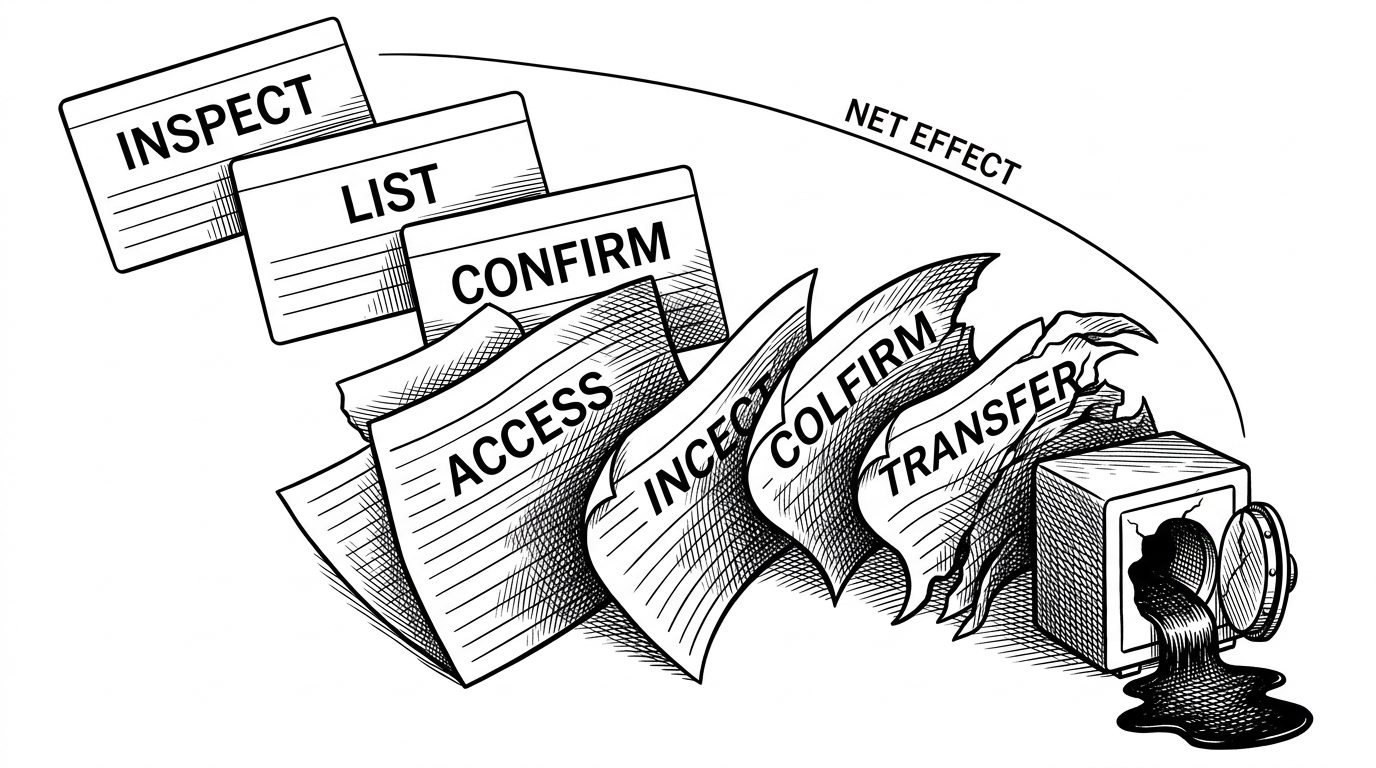
The important idea is the one behind the “boiling frog” pattern. The agent should not inspect each step in isolation. It should evaluate the net effect of the sequence, which is exactly where social engineering gets its leverage.
The release of SlowMist Agent Security Skill is intended to fill this critical gap — it enables AI, when facing malicious code, prompt injection, supply chain contamination, and on-chain fraud, to move beyond blind execution and instead operate with an “immune system” built on real-world offensive and defensive experience.
How the Review Flow Forces Discipline
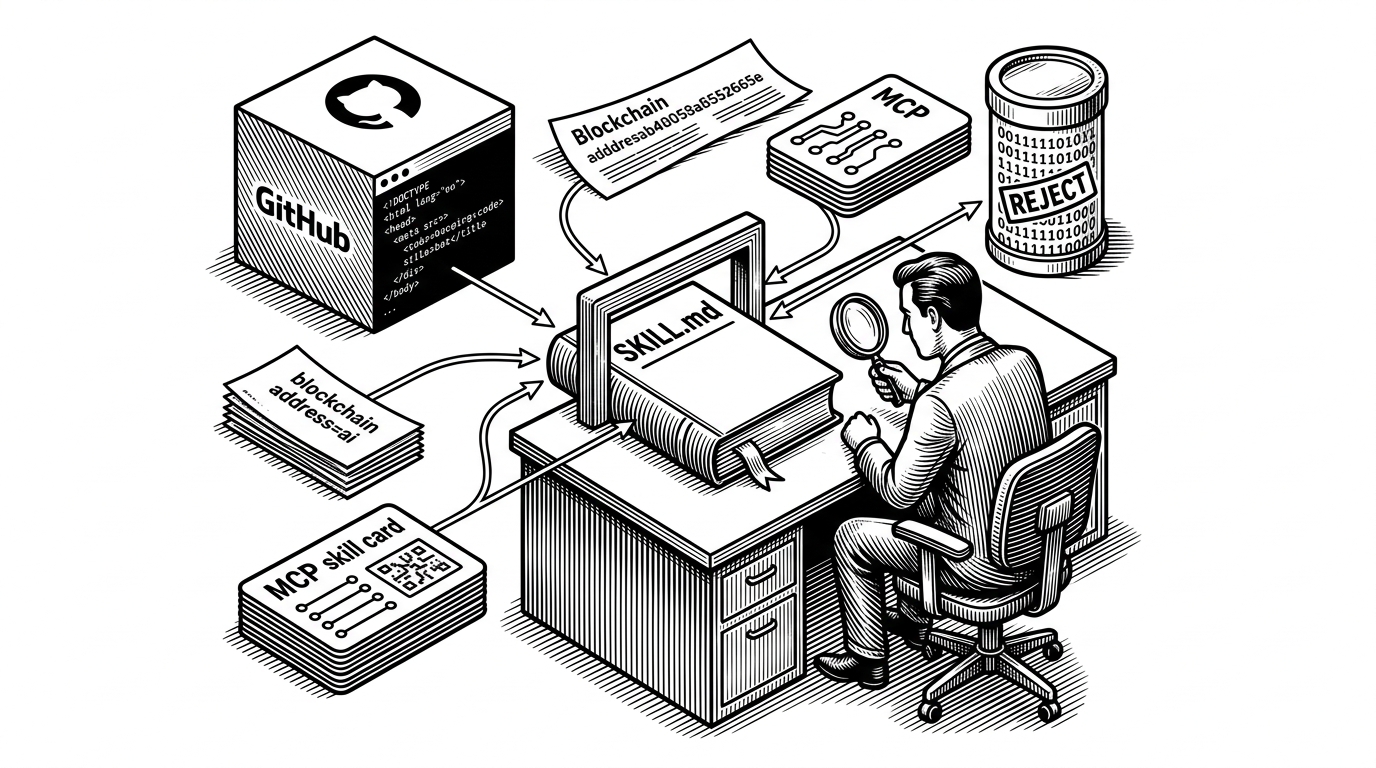
The /reviews/ folder is the operational layer. It tells the agent what to do when something deserves scrutiny, whether that something is a skill package, an MCP installation, or an on-chain address.
1. Inventory the files or address surface.
2. Classify trust and file risk.
3. Reject anything that cannot be audited.
4. Check for red flags and social engineering patterns.
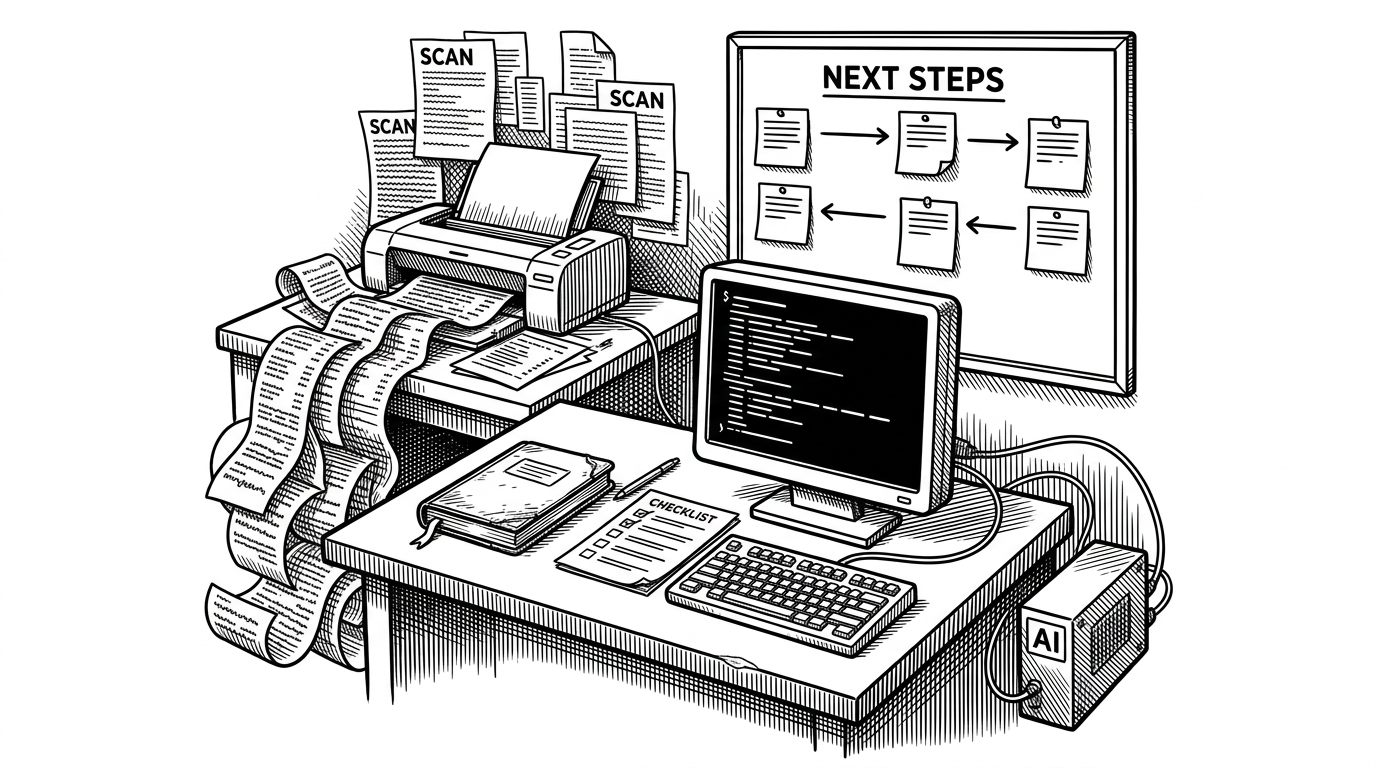
5. Produce a standardized report with evidence and recommendation.
That workflow sounds obvious until you compare it with how agents usually behave. Without a prescribed flow, they drift toward incomplete analysis, overconfident summaries, and inconsistent output. The repo’s discipline is procedural, not magical.
Why binary files are a hard stop
One of the sharpest choices in the repo is also one of the least glamorous: binary artifacts like .elf, wasm, and .dll are treated as reject cases. That is not timid. It is honest.
If the agent cannot read the artifact well enough to reason about it, the repo refuses to fake certainty. That rule is what keeps the whole system grounded in human-auditable evidence.
Why Standardized Output Matters
The templates are not there to make reports pretty. They are there to make them comparable. A security review that changes shape every time is hard to trust, hard to audit, and easy to game.
| Conventional checklist | SlowMist template |
|---|---|
| Flags items opportunistically | Forces the same review fields every time |
| Encourages ad hoc prose | Requires structured, repeatable evidence |
| Can skip awkward questions | Hardcodes the uncomfortable parts into the output |
| Feels flexible | Produces easier audits and less hallucination drift |
That consistency is the real anti-hallucination layer. It keeps the agent from wandering and keeps the human reviewer from guessing what was or was not checked.
How It Differs From a Normal Security Tool
A normal scanner looks for signatures, parses artifacts, or flags suspicious behavior after the fact. SlowMist does something upstream of that. It changes the agent’s default posture before the action happens.
| Dimension | SlowMist Agent Security | Typical security tool |
|---|---|---|
| Primary object | Agent judgment | Artifact or codebase |
| Core method | Instruction-first review flow | Executable scanning or parsing |
| Failure model | Trusting the wrong input | Missing a known signature |
| Output | Standardized reasoning and recommendations | Alerts, findings, or detections |
| Best use case | Autonomous systems with tool use | Static or reactive analysis |
That is why the repo feels more like a behavioral firewall than a utility. It is trying to shape cognition, not just raise alerts.
What This Suggests About Agent Security
The broader lesson is straightforward. As agents gain more power, the cost of misplaced trust rises fast. A system that can run code or move assets needs structured suspicion, not vibes.
SlowMist’s version is especially useful because it sits at the intersection of AI security, Web3 operational risk, and agent workflows. It gives you a reusable way to say: inspect this, rank this, reject this, and do not confuse familiarity with safety.