CodeSense: The Collaborative IDE That Turns AI Code Review Into a Team Sport
A browser-based editor that blends live collaboration, structured AI analysis, and learning-path feedback into one fast feedback loop for students and teams.
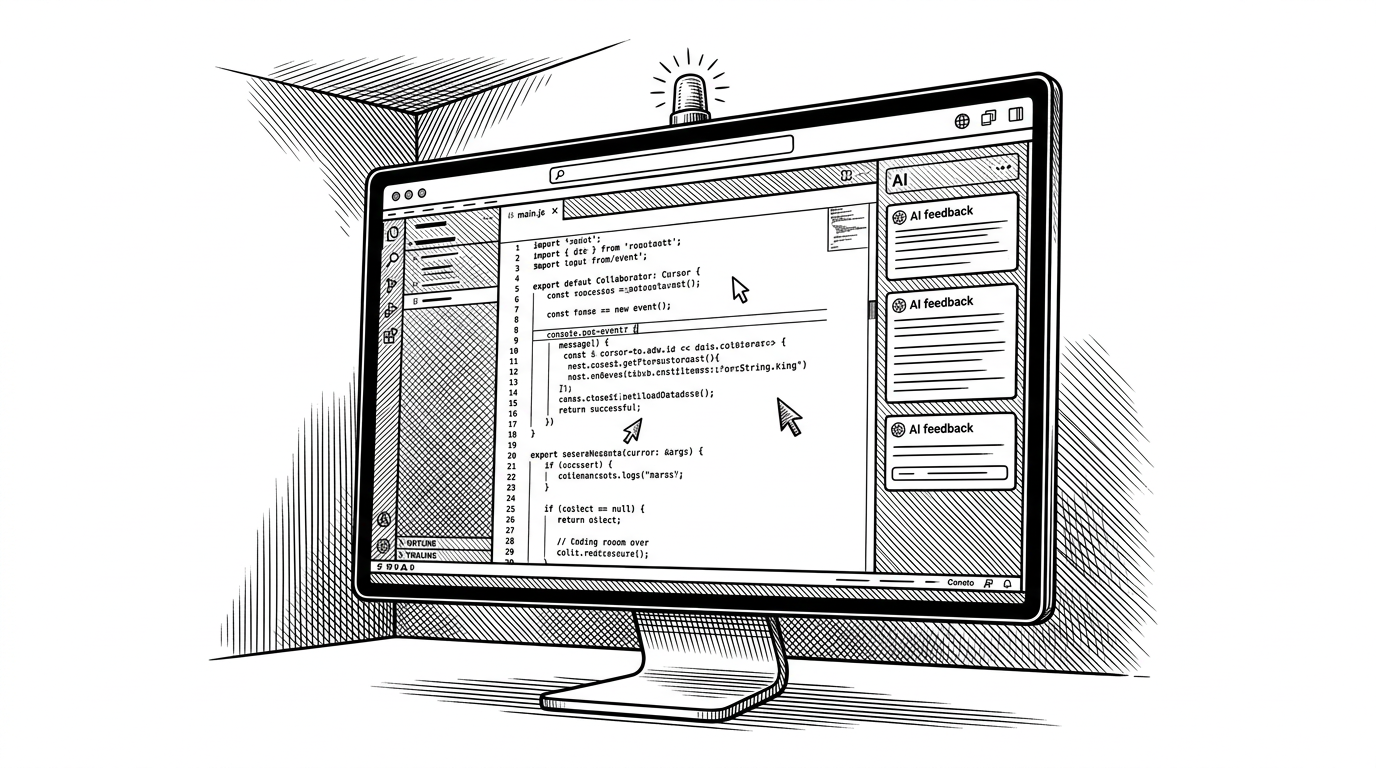
- CodeSense is interesting because it turns AI code review into a shared room experience instead of a private prompt and reply loop.
- Its core trick is a hybrid state model that keeps live collaboration fast while storing history and activity durably elsewhere.
- The product is not just judging code quality, it is trying to teach the coder with structured feedback, algorithm detection, and learning paths.
- The architecture signals a pragmatic prototype, with simple room state today and a clear scalability trade-off later.
Why CodeSense Feels Different
Most AI code tools still behave like private assistants. You paste in code, wait for a response, and get feedback that only you can see. CodeSense changes the social shape of the interaction: the room sees the analysis start, watches the code change, and keeps a record of what happened.
That matters because feedback is rarely just about correctness. In a classroom, a team review, or a mentoring session, the real value is in making critique legible to everyone in the room. CodeSense treats code review as a shared learning loop, not a one-off answer from a model.
The Origin: From Vague Feedback to Actionable Guidance
So basically in my 3rd year I kept getting feedback like "your code quality is bad" from professors but nobody ever told me what exactly was wrong or how to fix it. That's when I decided to make CodeSense for my final year project.
That origin story explains almost everything about the product. CodeSense is not trying to win on generic linting or enterprise policy enforcement. It is trying to answer the much more useful question: what is wrong, why is it wrong, and what should I study next?
That learning-first framing is the difference between a tool that flags issues and a tool that changes how someone writes code. It is also why the project feels closer to an educational environment than a classic static analysis dashboard.
What Makes the Engine Interesting
The most interesting technical move is not the editor itself. It is the way CodeSense turns one model call into several UI-ready outputs. The backend asks for a structured analysis, then parses the response into sections the interface can render immediately.
// Simplified shape of the idea
const analysis = await analyzeAllAtOnce(code, language);

return {
  syntaxErrors: analysis.syntaxErrors,
  complexity: analysis.complexity,
  securityIssues: analysis.securityIssues,
  learningPath: analysis.learningPath
};
That is efficient in two ways. It reduces latency because the app is not making a separate request for every panel, and it reduces cost because the model is doing one coordinated pass instead of many fragmented ones. The trade-off is obvious too: parsing model text is a brittle seam, so the structured prompt has to stay disciplined.
How Collaboration Actually Works
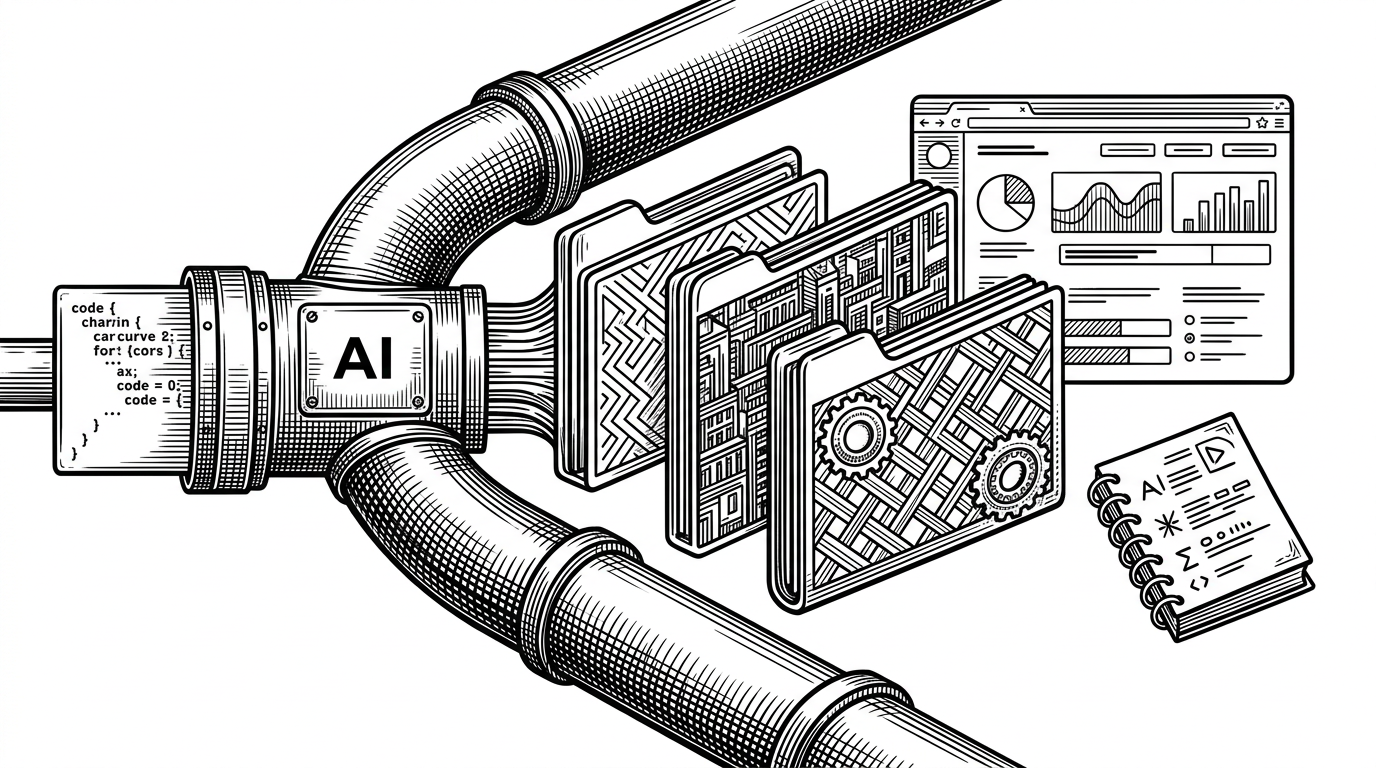
The live layer is built for speed. Socket.io keeps ephemeral room state in memory, so cursor positions, presence, and code changes can move instantly across clients. Supabase handles the durable side: room metadata, history, and activity logs.
That separation is the product’s hidden architecture. Live state stays light and responsive. Persistent state stays queryable. And the analysis flow gets its own path so the UI can show that a review is already underway instead of firing redundant requests.
| Layer | What it holds | Why it exists | Trade-off |
|---|---|---|---|
| Socket.io memory | Live cursors, presence, code changes | Immediate collaboration | Not horizontally scalable without more infrastructure |
| Supabase | Room history, activity logs, metadata | Durable record and authentication | Adds persistence overhead |
| AI analysis flow | Structured feedback, learning suggestions | Turns code into actionable guidance | Parsing LLM output is a fragile seam |
The five-minute room grace period is a smart small detail. It keeps temporary disconnects from destroying the room state too aggressively, which makes the collaboration feel forgiving instead of fragile. The flip side is that the current approach is pragmatic rather than cluster-ready.
Why This Is More Than Static Analysis
CodeSense is not just trying to judge code. It tries to explain code. The project’s scoring, algorithm detection, Big-O estimation, security scanning, and learning-path recommendations all point toward a single thesis: feedback should help the coder improve, not just warn them.
| Tool | Primary audience | Feedback style | Algorithm detection | AI or ML approach | Learning guidance | Collaboration support |
|---|---|---|---|---|---|---|
| CodeSense | Students and learning teams | Structured, real-time, educational | Yes, 40+ algorithms | Ensemble ML plus Gemini analysis | Yes, suggested paths and problems | Yes, live shared rooms |
| SonarQube | Enterprise teams | Rule-based quality gates | No | Rules and metrics | Limited | No |
| Codacy | Developers and teams | Automated review and checks | No | Static analysis and integrations | Limited | No |
| DeepCode / Snyk Code | Professional developers | Security and bug finding | No | Semantic AI-assisted analysis | Limited | No |
| CodeScene | Engineering orgs | Code health and change analysis | No | Behavioral analytics | Moderate | No |
That is a narrower market than enterprise governance, but it is a sharper product story. CodeSense is optimized for the moment where someone is learning, debugging, or being mentored in public. That makes it feel less like compliance software and more like a teaching instrument.
Where It Sits in the Landscape
Compared with SonarQube or Codacy, CodeSense is not trying to be the safest gatekeeper in a large organization. Compared with DeepCode or Snyk Code, it is less about production risk and more about formative feedback. And compared with CodeScene, it focuses on the individual coder and the live room, not the long-term health of a large codebase.
That distinction is important. CodeSense’s competitive edge is not maturity. It is specificity. It combines collaboration, AI analysis, and learning guidance in a single feedback loop that is easy to understand and hard to ignore.
What the Stack Signals About the Product
The stack reads like product intent. React and Monaco say the interface should feel familiar to anyone who has used a modern editor. Vite says the front end should stay quick. Supabase says ship fast, persist enough, and avoid rebuilding auth and database plumbing from scratch.
Socket.io memory tells a different story. It is the right choice for a nimble room model, but it also tells you the project is still in the phase where the team is prioritizing user experience over distributed-systems elegance. That is fine, as long as the trade-off is explicit.
The Trade-Offs
The main limitation is scalability. In-memory rooms are fast, but they do not naturally span multiple server instances. If the product grows, the collaboration layer will need a more durable shared state strategy.
The other limitation is epistemic. ML-based quality scores and algorithm detection sound impressive, but they still deserve scrutiny. The stronger the claim, the more important it becomes to show examples, failure modes, and evaluation details.
Still, the direction is compelling. CodeSense is trying to make code review visible, useful, and educational at the same time. That is a more ambitious product thesis than “AI reviewer,” and a more interesting one too.