DataUnion: The Marketplace That Turns Training Data Into a Consent Ledger
A browser-first open-source stack for collecting, validating, licensing, and paying out on AI training data without pretending a dataset is just a file.
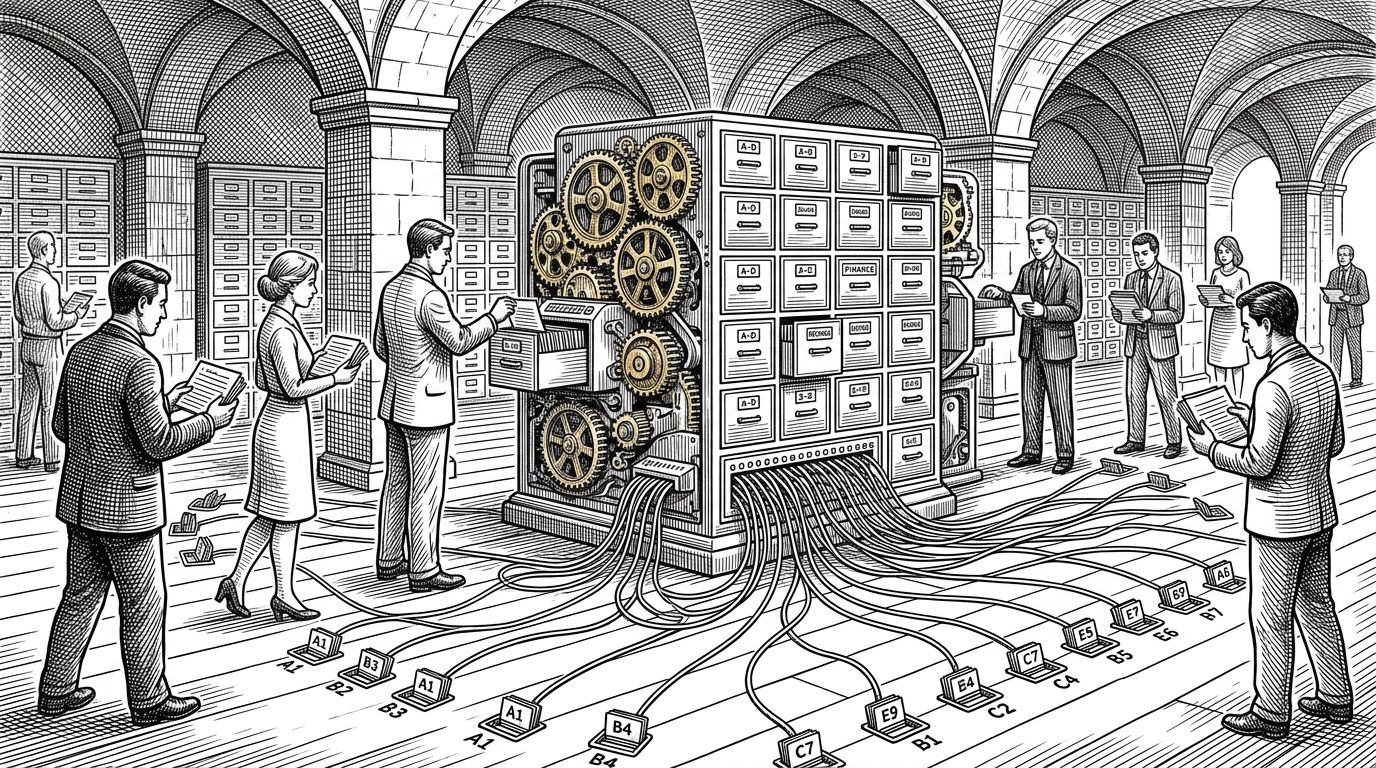
- DataUnion treats each sample as a traceable asset, so licensing revenue can fan back out to contributors instead of disappearing into a flat fee.
- Its browser worker does the first quality pass, which shifts validation closer to upload and keeps the server from becoming the choke point.
- Transparency is built into records and routes, not marketed as a promise.
- The repo matters less as a marketplace UI than as a different contract for training data, one built around consent and attribution.
DataUnion starts with a blunt claim: a training dataset is not a blob of content, it is a ledger of contributions. Once you accept that, the repo stops looking like a marketplace clone and starts looking like a rights system, one that has to remember who uploaded what, how it was scored, and how money should flow back out.
A dataset with a cap table
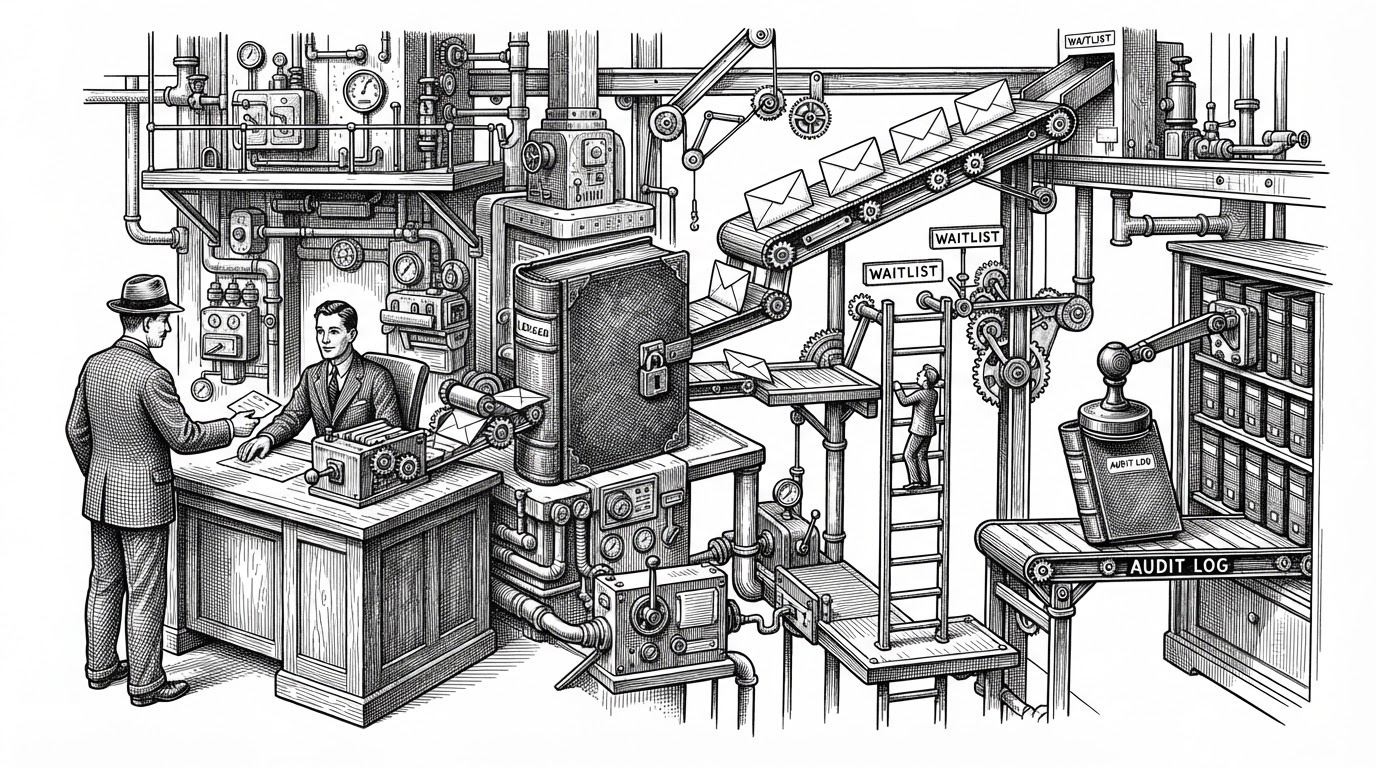
The core tables make that idea concrete. data_contributions stores the sample, datasets collects the licensed bundle, and payout_records unwinds a sale back to individual contributors. The point is not bookkeeping for its own sake. It is to make ownership, value, and distribution legible at sample level.
data_contributions
 datasets
 payout_records
 usage_logs
That shape matters because it changes the unit of value. The buyer licenses a dataset, but the system can still account for which contributions belong inside it, which ones are valuable, and how the license fee fans back out. In other words, the product does not stop at collection. It keeps going until the money lands.
Why consent became the product
The market pressure behind the repo is obvious. AI teams want data with provenance, clean rights, and a defensible story for legal review. DataUnion answers that by making consent, quality, and payout part of the same flow. It is not trying to sell a prettier upload form. It is trying to make scraping feel obsolete.
The browser does the first pass
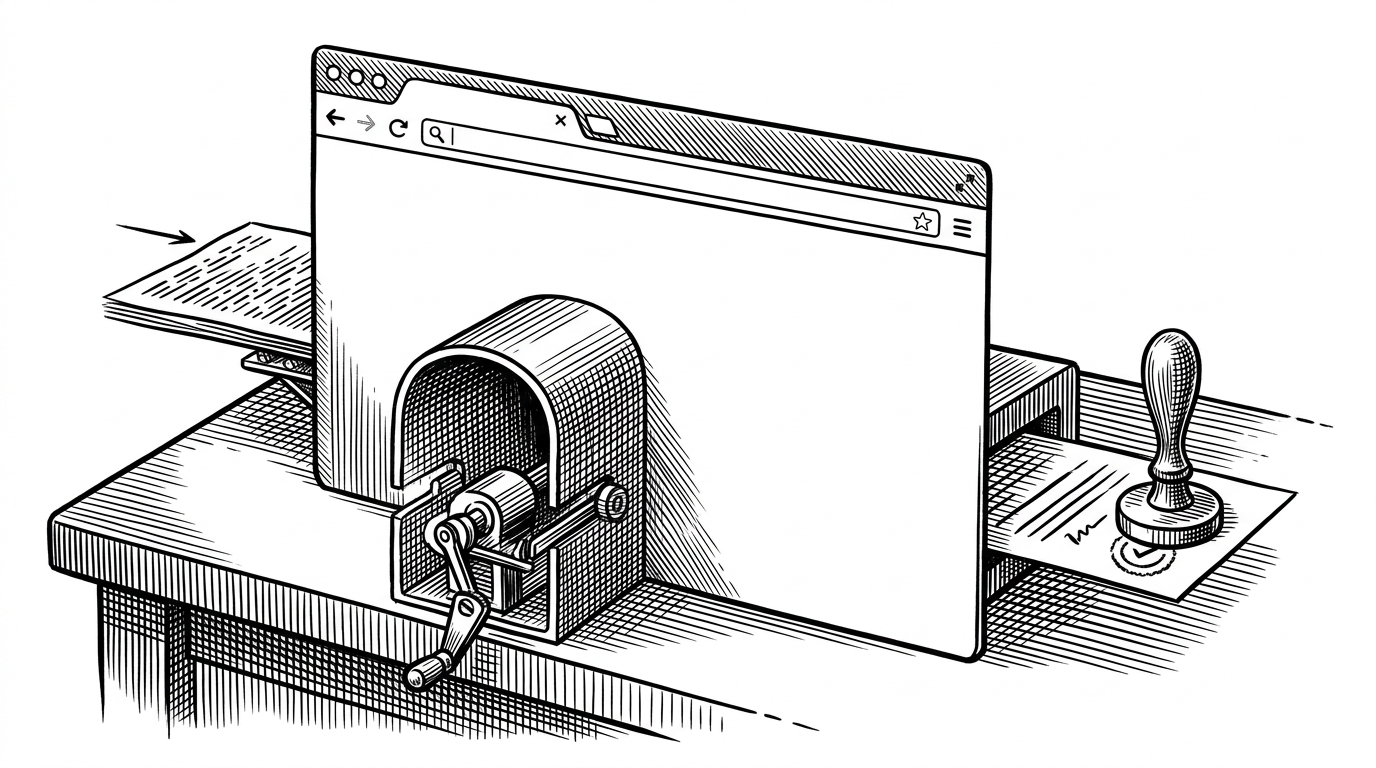
The clever part is in lib/ai/valuation.worker.ts and the surrounding browser ML plumbing. Heavy work happens in a worker, using browser-side models and lightweight NLP so the page does not freeze while a sample is checked. That is a product choice as much as a technical one. It keeps the first quality gate close to the upload moment and away from the server.
Trust is not a banner, it is a system
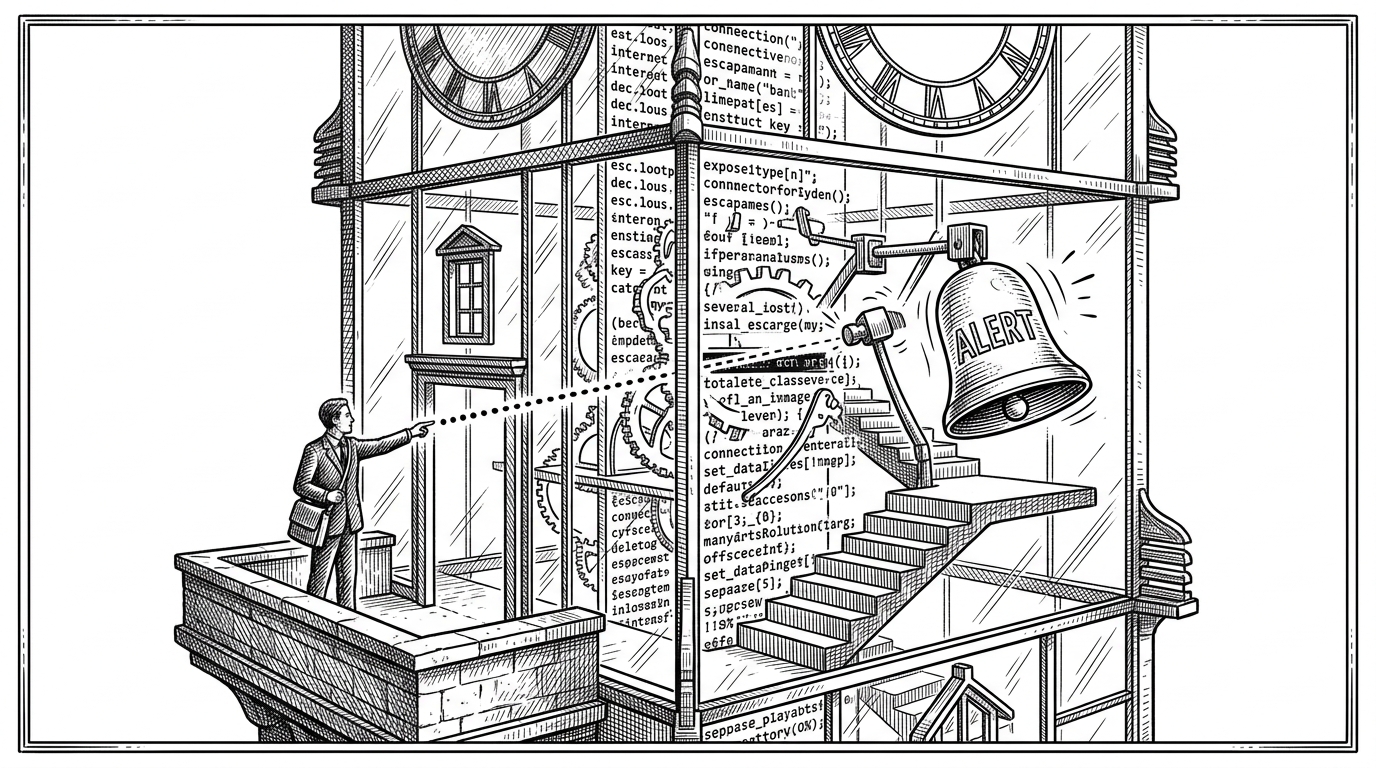
The transparency layer is where the repo tries to earn its claims. Routes like app/contributor/transparency and the UsageLog shape in lib/types.ts make usage visible instead of implied. That matters because trust in a data marketplace is not a slogan. It is the ability to answer a blunt question: who used this, and for what purpose?
What DataUnion replaces
| Model | Data provenance | Consent handling | Quality control | Payout logic | Trust story |
|---|---|---|---|---|---|
| DataUnion | Per-sample and traceable | Built into intake | Client-side scoring before ingest | Revenue fans out by weight | Visible usage logs and contribution records |
| Scrape then filter | Weak or missing | Retroactive at best | Batch cleanup after collection | No contributor payout model | Depends on legal posture and cleanup |
| Flat-fee marketplace | Partial, often dataset-level | Opt-in at upload time | Usually manual or after-the-fact | One-time sale or platform fee | Trust comes from brand, not records |
| Generic storage plus manual review | Whatever the team documents | External to the pipeline | Human review and spreadsheets | Ad hoc distribution | Trust depends on ops discipline |
The table is the real position statement. DataUnion is not trying to beat every marketplace on catalog size. It is trying to replace a stale transaction model with one where provenance, quality, consent, and payout are the same system.
A polished prototype with real ambition
The codebase reads like a high-fidelity prototype built by someone who understands what trust-heavy software needs. The App Router layout, Supabase-backed data model, and polished UI system all point in the same direction. Still, the repo also signals that the hardening work is not finished. That is fine. The interesting part here is not polish alone. It is the ambition to turn training data into something that can be governed, priced, and paid out with receipts.