EcoAgent: The Carbon Layer That Speaks MCP and ChatGPT
A Python middleware project that routes carbon calculations through MCP, the OpenAI Apps SDK, and a minimal fallback server, then returns either plain text or a live widget.
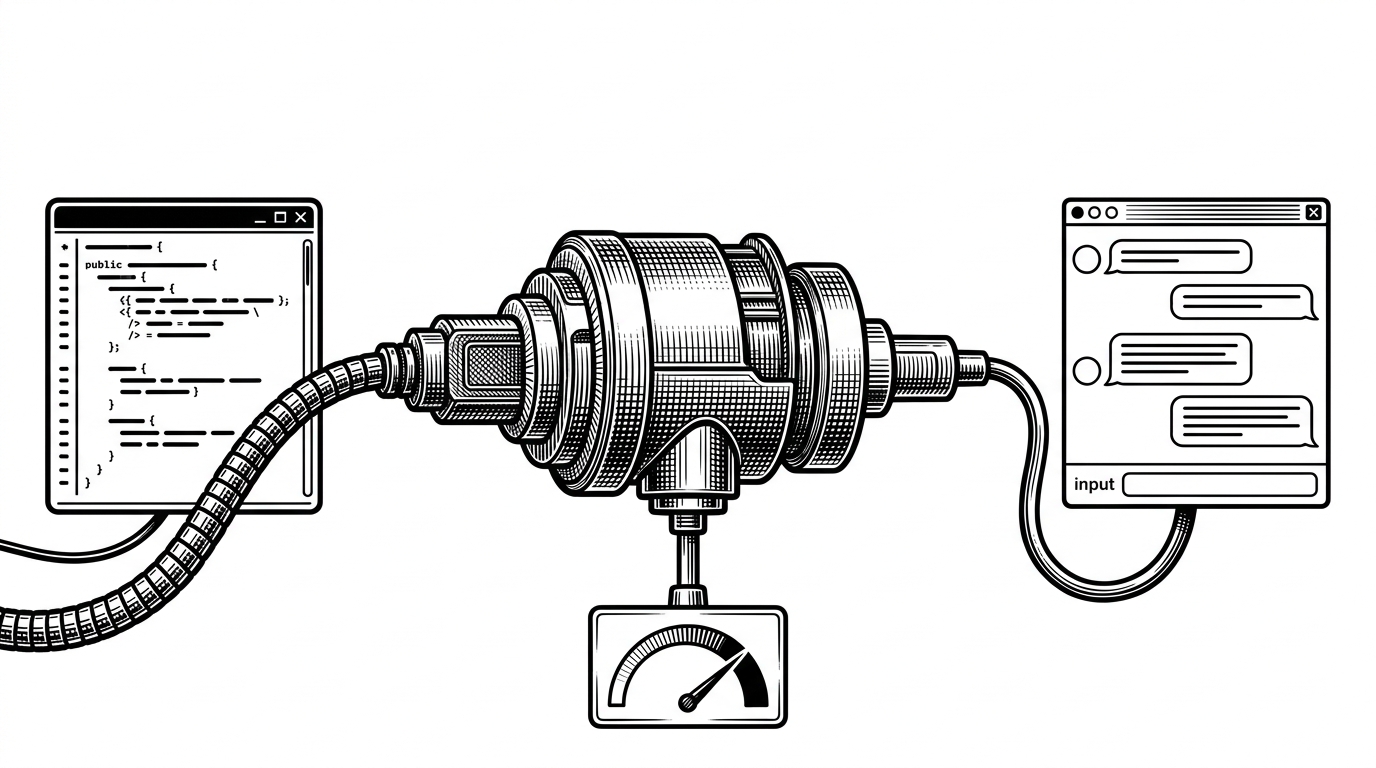
- EcoAgent is better understood as a routing layer for sustainability logic than as a standalone carbon calculator.
- Its real advantage is portability, because the same engine can surface as text, as a widget, or as a minimal server response.
- The repo separates protocol adapters from the calculation core, which makes the system easier to reuse across AI hosts.
- The comparison with single-protocol tools shows EcoAgent betting on distribution and interoperability instead of platform lock-in.
EcoAgent is interesting because it refuses to stay inside one assistant. The same sustainability logic can be called from MCP clients like Claude and Cursor, from ChatGPT through the OpenAI Apps SDK, or from a stripped-down server when the environment is constrained. That makes the project feel less like a calculator and more like an integration pattern.
Why this is more than a calculator
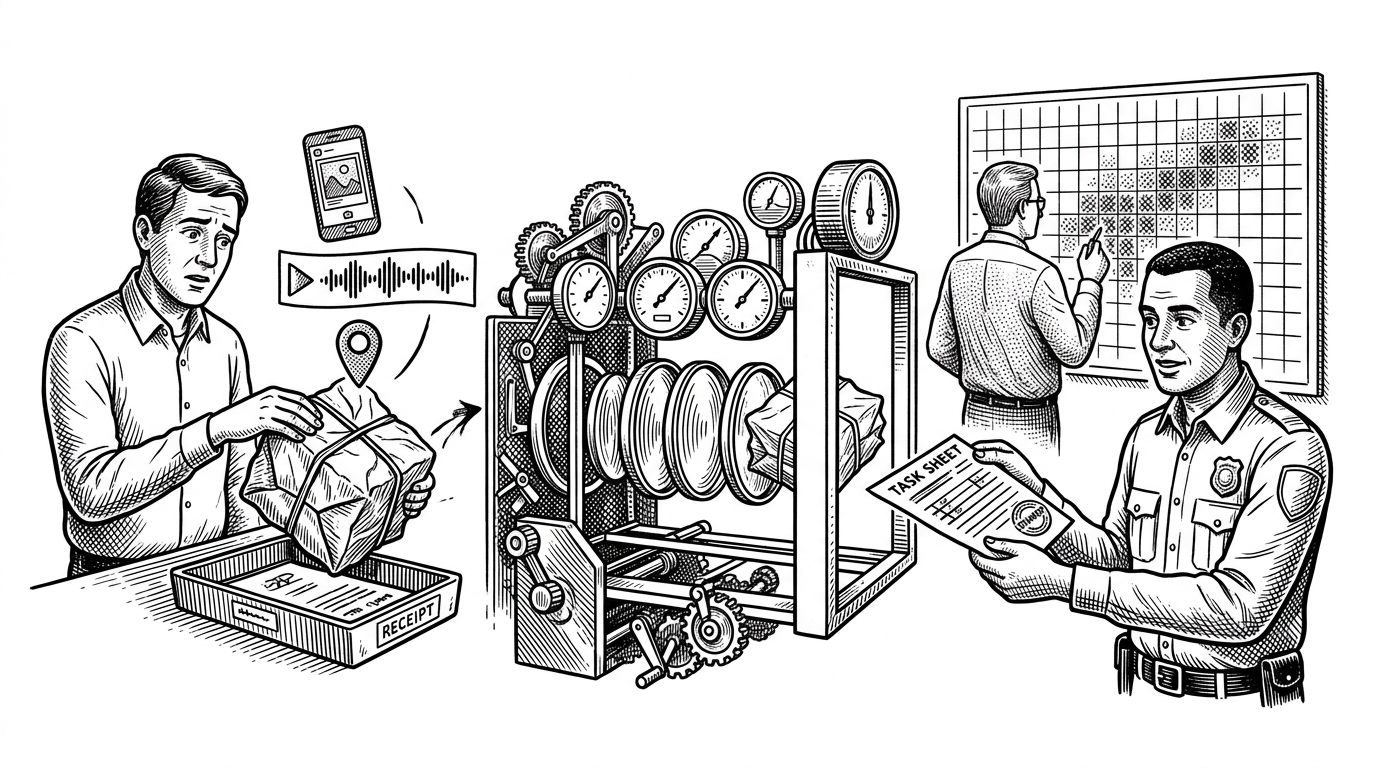
A normal carbon calculator answers a question and stops. EcoAgent tries to answer the question where the work is already happening, inside tools that people use to write code, ask for advice, and move between tasks. That shift matters because sustainability data becomes more useful when it can appear at the moment of decision, not after the fact.

EcoAgent's two front doors
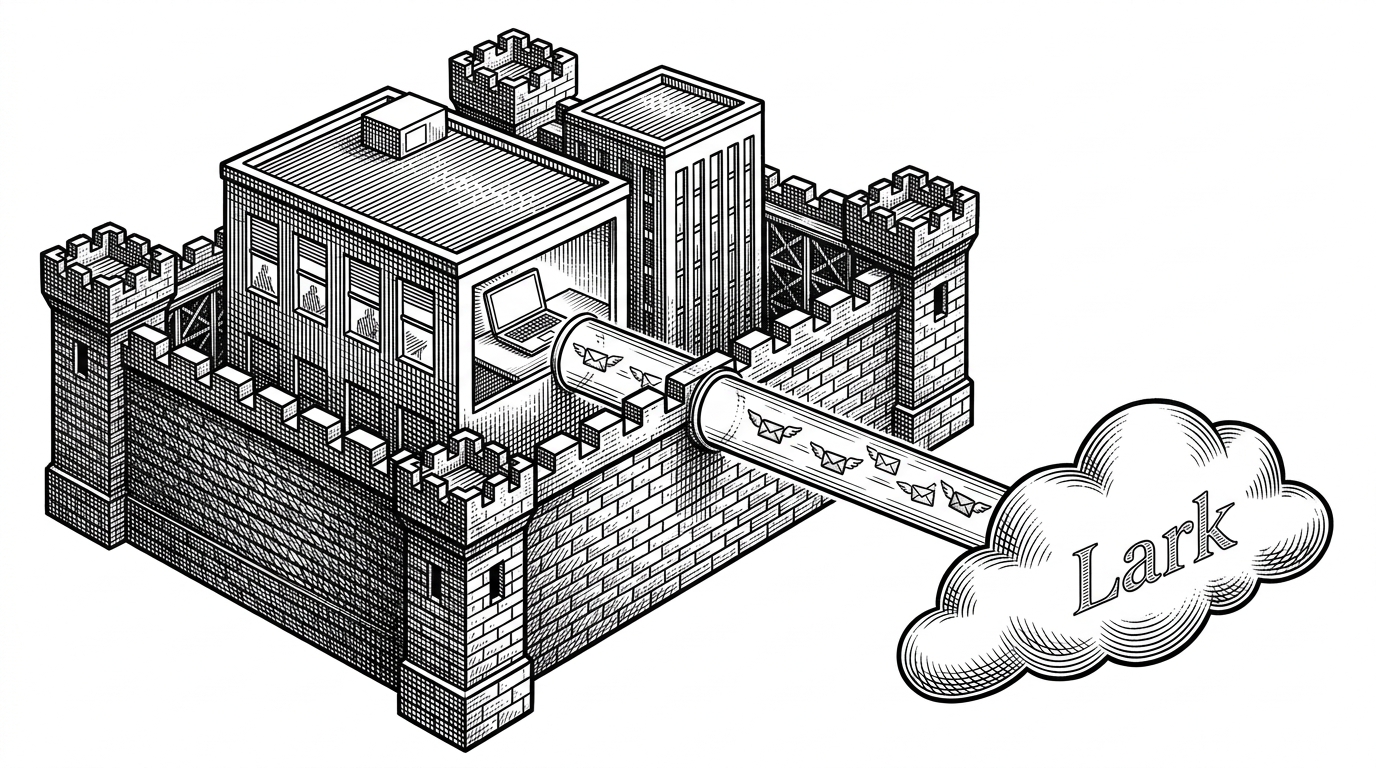
The architecture is cleaner than the idea sounds. One path serves MCP, which lets Claude and Cursor reach the tools as if they were native capabilities. The other path uses the OpenAI Apps SDK, which means the same underlying response can also carry UI metadata and become a widget instead of a plain paragraph.
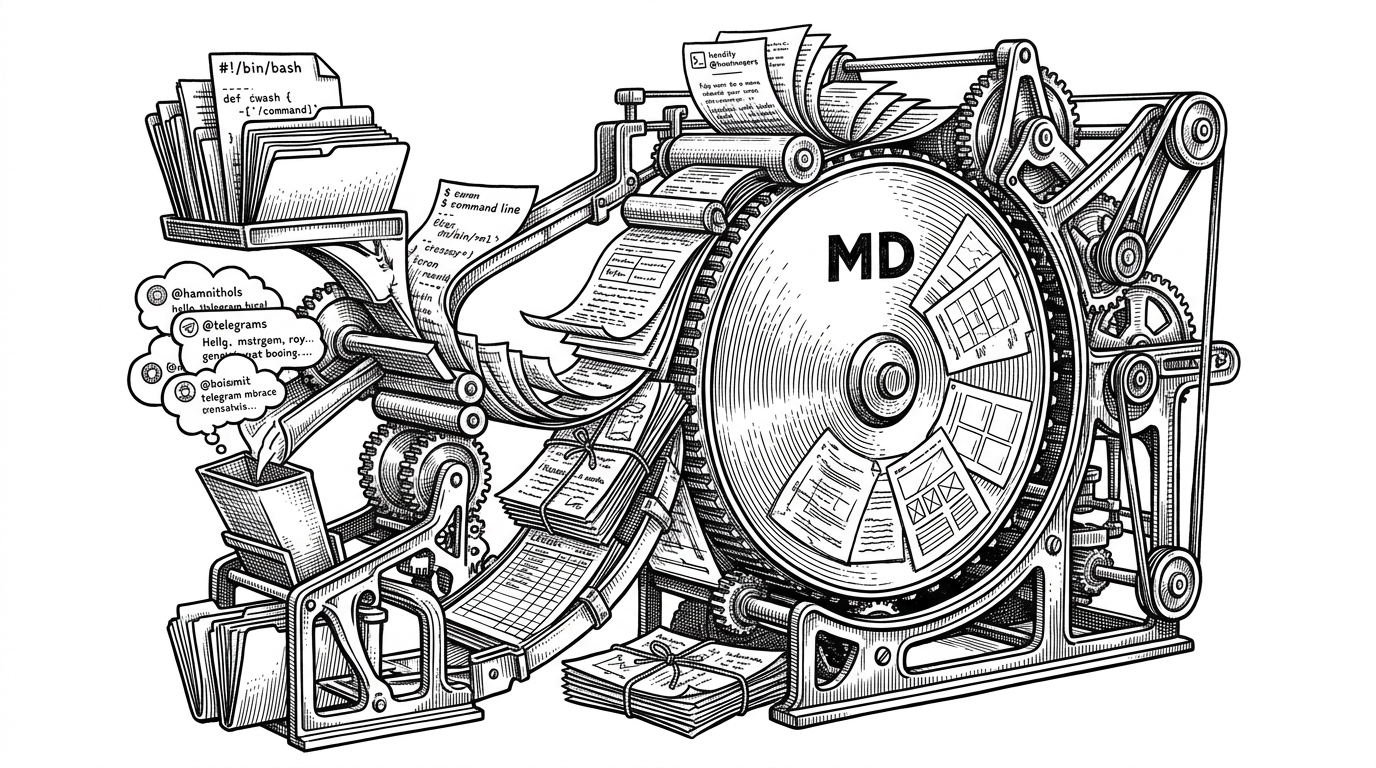
That is the project’s best move. It does not ask the assistant to understand sustainability as a special case. Instead, it normalizes the request, runs it through the same core logic, and lets the host decide whether the answer should be text, metadata, or a live component.
What happens when the stack shrinks
The presence of mcp_server_minimal.py tells you a lot about the repo’s priorities. The project is not only trying to be expressive inside richer environments, it is also trying to stay runnable when dependencies are pared back. That is the difference between a clever demo and something that can actually survive in restrictive deployments.
Inside the delegation layer
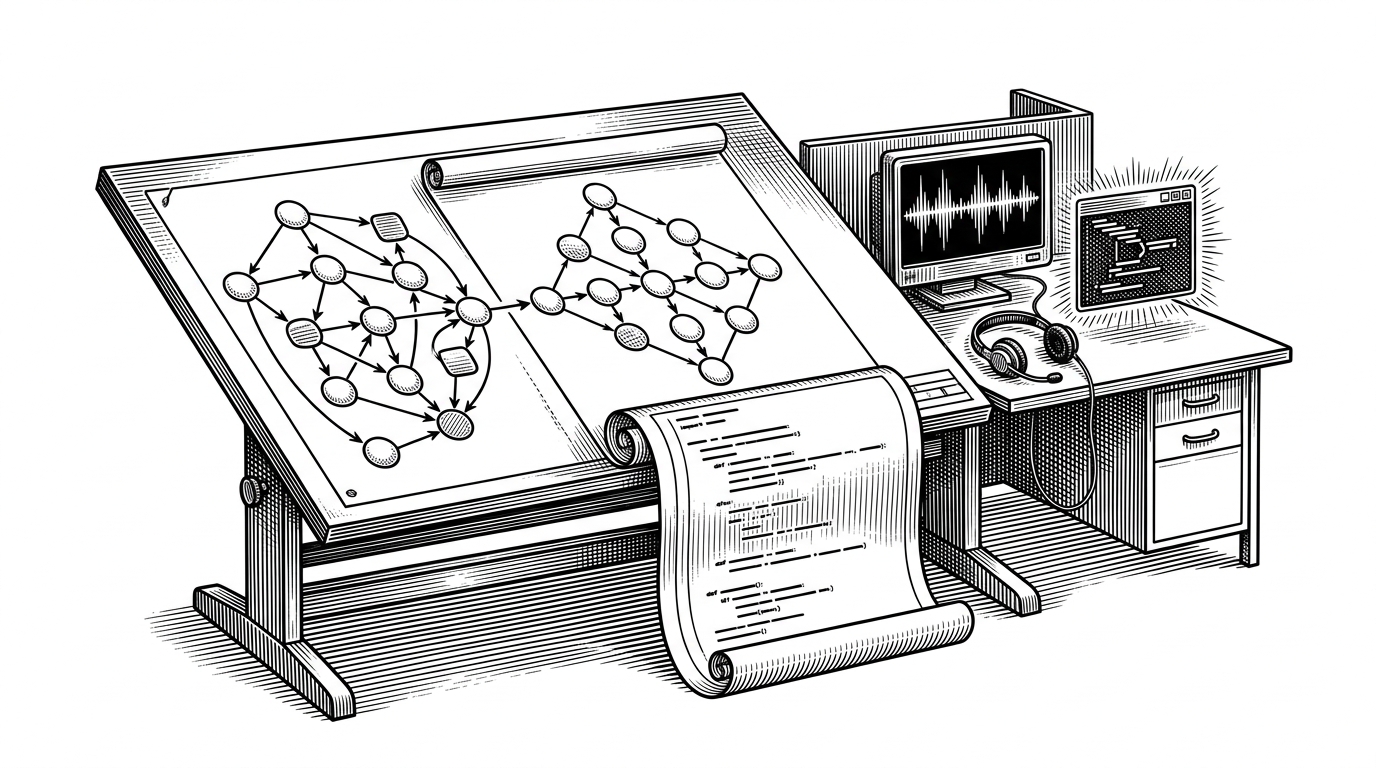
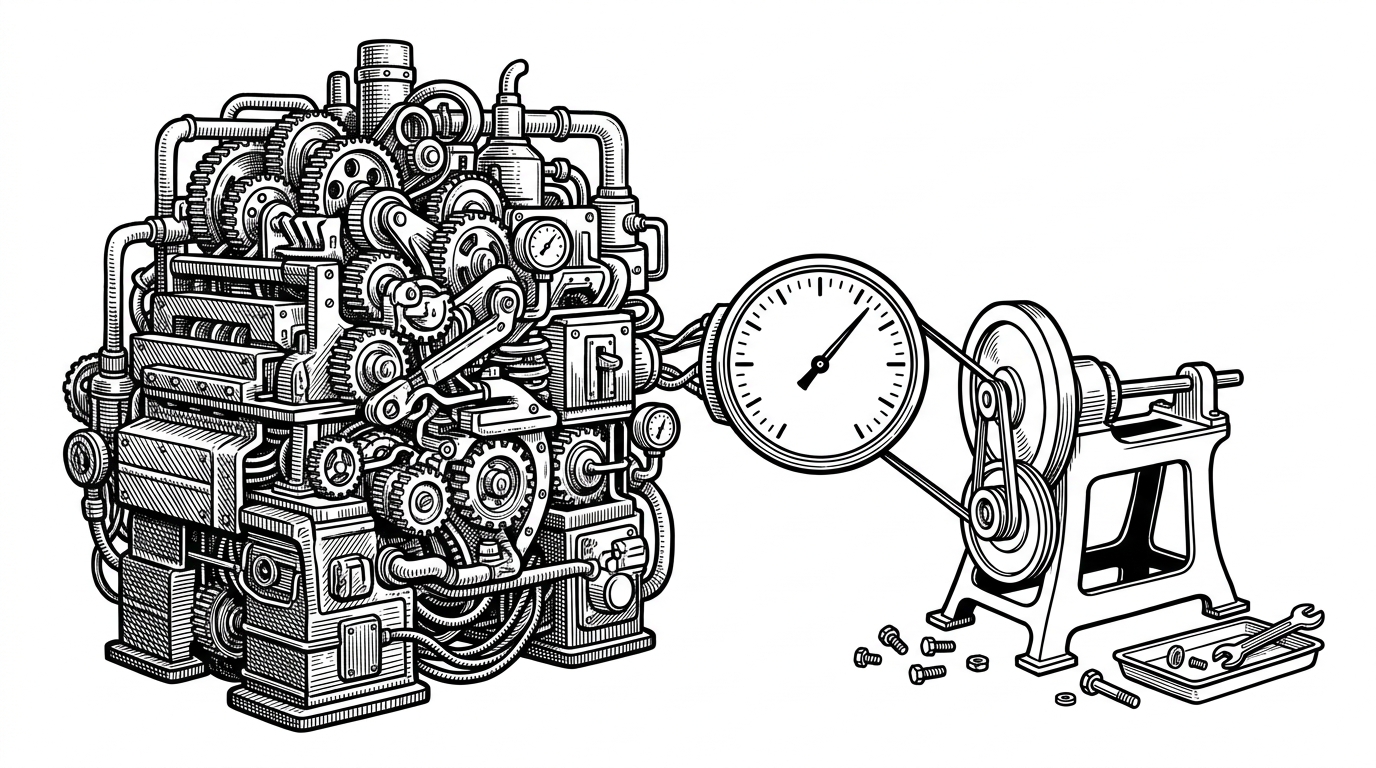
The root coordinator, described in the repository as root_agent, is where the system stops being a collection of tools and starts acting like a policy layer. Requests can be delegated toward the carbon calculator, a recommendation path, or a community path, which keeps the system from collapsing into one monolithic prompt. The repo also hints at context engineering, which suggests the team is thinking about how to compact, route, and preserve useful context instead of letting the conversation sprawl.
Where EcoAgent sits in the landscape
The easiest way to place EcoAgent is by contrast. It is not trying to beat every carbon app on specialized math, and it is not trying to be a generic agent framework that does everything. Its niche is narrower and stranger: one domain engine, multiple protocol front doors, and multiple output styles.
| Pattern | Surface support | Output style | Trade-off |
|---|---|---|---|
| Single-purpose carbon calculator | Usually one app or API | Mostly text or static charts | Accurate math, but limited reach |
| Single-protocol AI tool | One assistant ecosystem | Usually plain text | Easy to ship, hard to reuse |
| Generic agent framework | Many tasks, many adapters | Mostly text responses | Flexible, but not opinionated about the domain |
| EcoAgent | MCP, Apps SDK, and minimal fallback | Text or widget | Portable sustainability layer with extra integration work |
That table is the point. EcoAgent is not the most specialized calculator and not the broadest framework, but it is one of the few repos that treats sustainability as a capability worth embedding into assistants, editors, and chat surfaces. That is a useful bet if you think AI tools will keep fragmenting across hosts.
The bigger bet
EcoAgent is quietly arguing that the next generation of useful open-source AI utilities will be judged by their surfaces as much as by their models. If one core service can adapt to MCP, the OpenAI Apps SDK, and a lean fallback server, then the real product is not just the calculation. It is the ability to show up wherever the user already is.