application-Tracker: The Job Search App That Treats Every Application Like a Live Data Pipeline
A FastAPI and React stack that turns a personal job hunt into a secure, analytics-driven workflow with async data access, cached queries, and database-side stats.
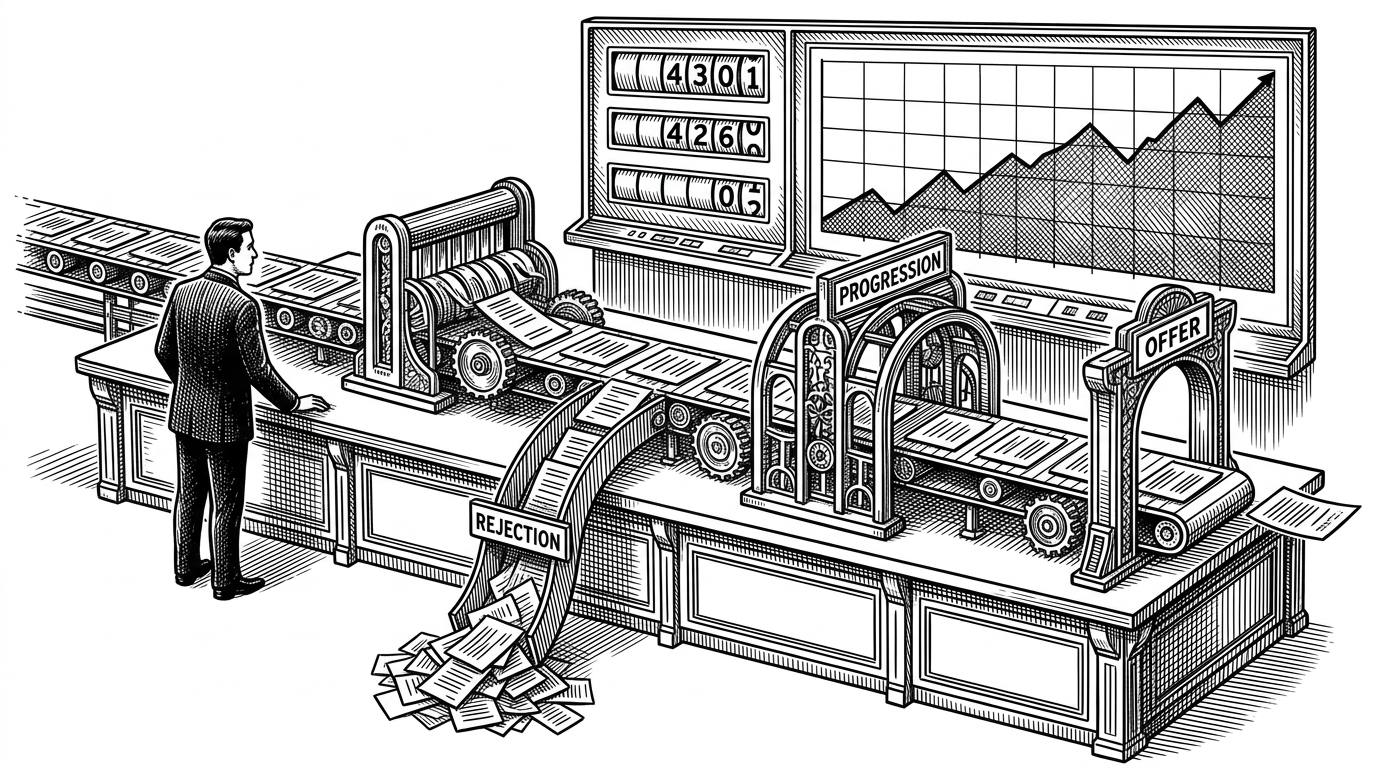
- application-Tracker treats the job hunt as a live workflow, so the architecture is built around movement, state changes, and metrics instead of simple form entry.
- The backend pushes real work into MongoDB, which lets stats, indexes, and date handling stay close to the data instead of leaking into the UI.
- JWT auth, password reset hashing, and request interception make the app feel like a real product, not a demo with a login screen.
- React Query and invalidation keep the frontend honest, so every mutation updates the dashboard without manual refresh logic.
Why a job tracker needs real architecture
Job hunting is a workflow with deadlines, status changes, and follow-ups. Once a tracker has to answer questions like what moved this week or which applications are stuck, a spreadsheet starts to fray.
That is the quiet strength of yashikashakywal/application-Tracker. It does not pretend the problem is just CRUD. It treats the data as something alive.
The product is a pipeline, not a spreadsheet
| Dimension | Spreadsheet | application-Tracker |
|---|---|---|
| Workflow | Manual sorting and filtering | Statuses drive the whole flow |
| Authentication | Usually none | JWT-backed login and reset flow |
| Metrics | Built by hand | Dashboard stats come from the database |
| Updates | Easy to drift out of sync | Mutations invalidate cached queries |
| Scale | Fine for a few rows | Designed for growing application history |
| Data quality | Dates and statuses vary by habit | Dates are normalized and statuses are structured |
The backend pushes work to the database
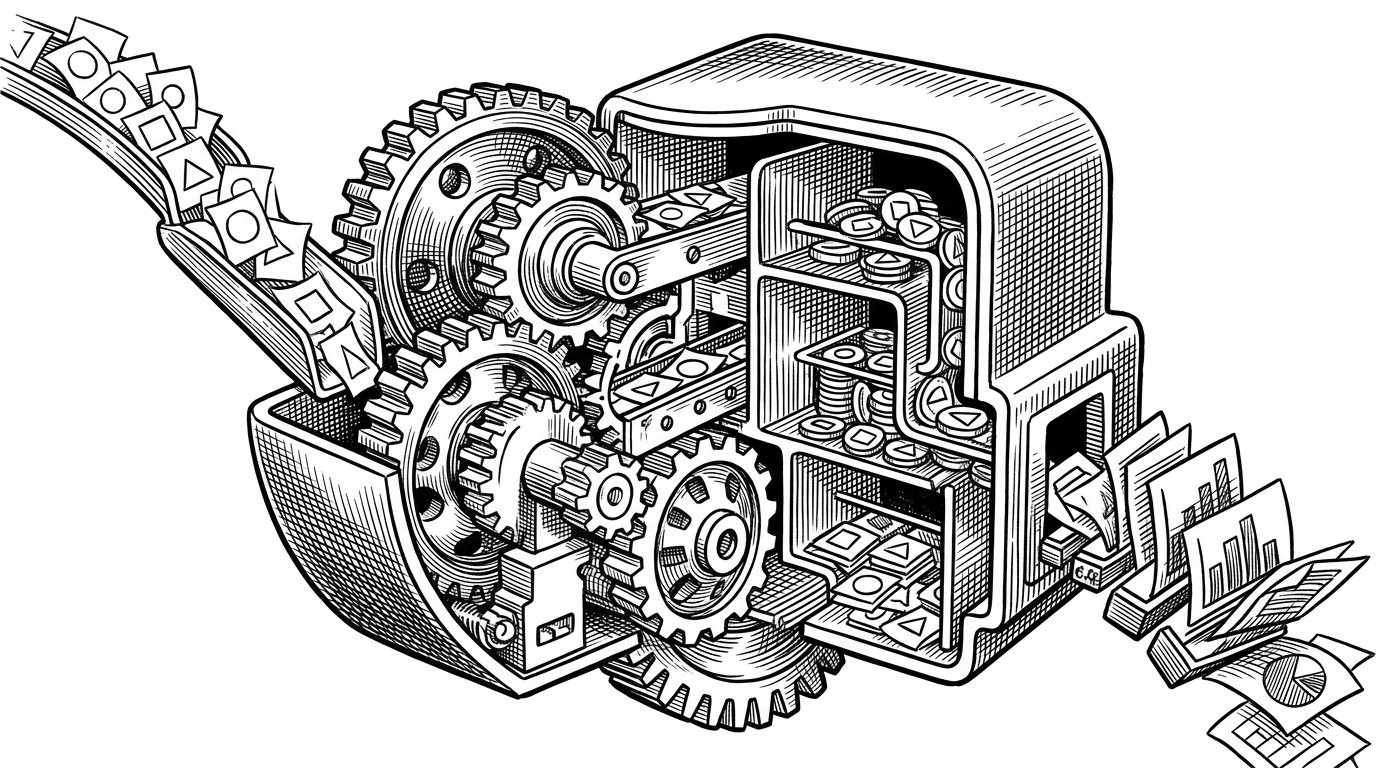
The backend leans into async I/O with FastAPI and Motor, which is the right call for a tracker that spends its life waiting on the database. More interesting is the discipline around persistence: indexes are created proactively, and stats are computed with aggregation instead of being rebuilt in Python.
# Simplified shape of the stats approach
pipeline = [
    {"$match": {"user_id": user_id}},
    {"$group": {
        "_id": None,
        "total": {"$sum": 1},
        "applied": {"$sum": {"$cond": [{"$eq": ["$status", "Applied"]}, 1, 0]}},
        "offers": {"$sum": {"$cond": [{"$eq": ["$status", "Offer"]}, 1, 0]}}
    }}
]
The date handling matters too. Normalizing application dates to a consistent UTC midnight representation avoids the kind of timezone drift that makes calendar views and filters subtly wrong.
Auth is treated like a real product feature
This is not a demo login bolted on for screenshots. The app uses JWT authentication, bcrypt password hashing, and a password reset flow that stores hashed reset tokens rather than the tokens themselves.
That choice tells you something useful about the project. The author is not just protecting a personal tool. They are practicing the habits of a production system.
1/ The CT tracker There’s a built-in copy trading tracker. It's super fast, with no latency, and it also integrates seamlessly into the application. You can add this to as many accounts as you want. https://t.co/O3NJq2C8Q9
The frontend is built to stay in sync
On the React side, TanStack Query handles the boring but essential part: keeping fetched data fresh after mutations. Axios interceptors attach the JWT automatically, and a 401 response sends the user back to login without making every component reinvent that logic.
That combination keeps the UI thin. The frontend does not calculate the truth. It asks for it, caches it, and throws it away when the backend says the state changed.
The real comparison is against the naive version
| Capability | Naive tracker | application-Tracker |
|---|---|---|
| Status flow | Loose labels in a table | Opinionated lifecycle from wishlist to rejection |
| Security | Local-only or ad hoc | JWT, hashed passwords, reset flow |
| Analytics | Manual formulas | MongoDB aggregation |
| Caching | Everything refreshes by hand | Query invalidation is built in |
| Maintainability | Frontend owns too much logic | Responsibilities are split cleanly |
| User trust | Easy to outgrow | Feels like a small production system |
That is the main reason this repo stands out. It does not win by inventing a new category. It wins by making a familiar category feel robust.
What this repo says about modern small apps
application-Tracker reads like a blueprint for a serious personal app. The stack is modern, but the bigger signal is architectural maturity: async backend, structured auth, database-side analytics, and a frontend that respects invalidation.
That is a useful pattern for any developer building a tool they plan to live in. Start with a real workflow, keep the source of truth close to the data, and let the UI stay disciplined.