Beyond the Deck: How frontend-slides Reinvents the Presentation as a State Machine
Moving past rigid templates to AI-orchestrated, zero-dependency editorial design.
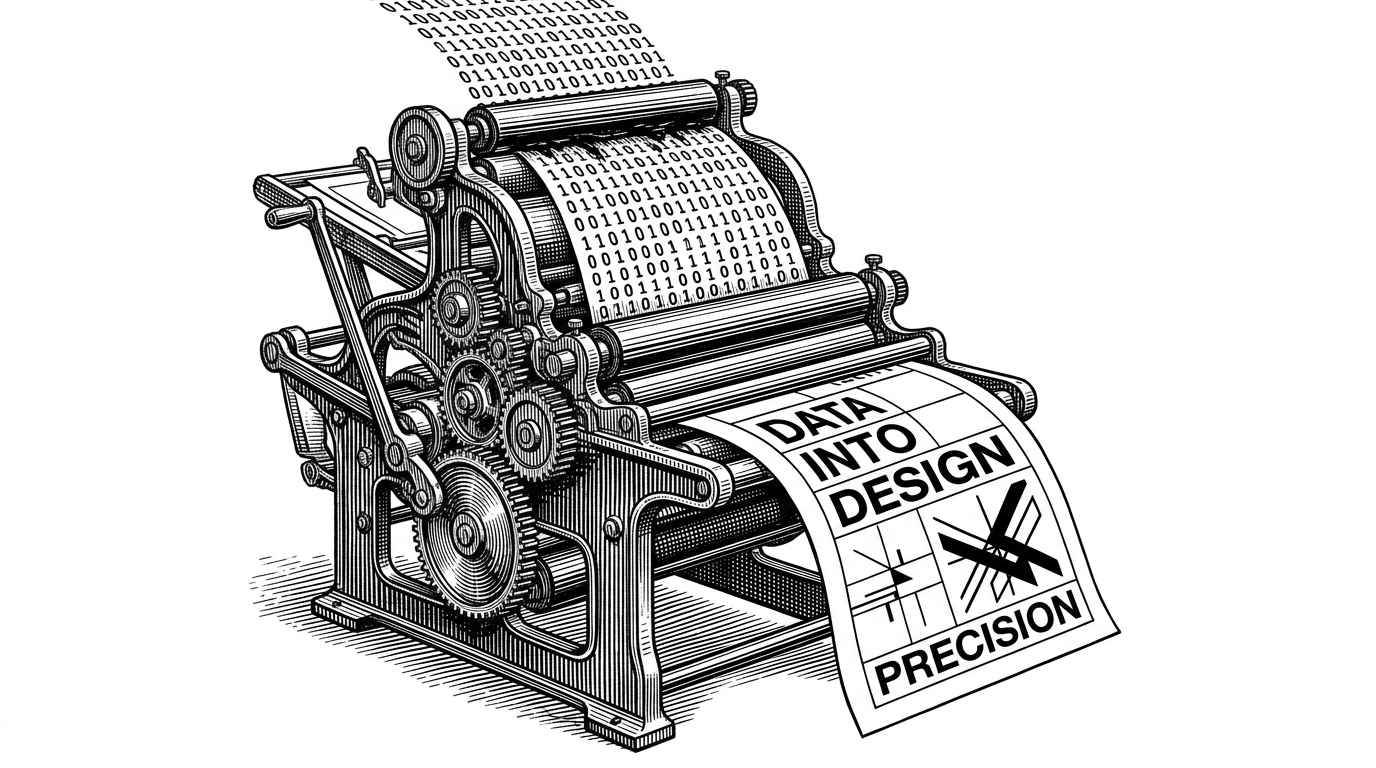

Anti-AI-Slop — Curated distinctive styles that avoid generic AI aesthetics (bye-bye, purple gradients on white).
- The framework uses a Claude Code Skill to orchestrate a multi-phase state machine for automated slide generation.
- Aggressive CSS constraints and viewport measurements transform the browser into a fixed editorial frame.
- The system produces a single zero-dependency HTML file to ensure long-term portability and resist dependency rot.
- The project leverages AI to enforce high-end Swiss Modernist design principles over generic presentation templates.
The War on AI Slop
For decades, digital presentations have been trapped in a fill-in-the-blanks paradigm. Tools like PowerPoint and Keynote rely on static themes. Even developer-focused alternatives often default to generic layouts. The frontend-slides project takes a different path. By treating the presentation as a state machine governed by a Claude Code Skill, it generates unique, high-end editorial layouts on the fly.
It acts as an anti-slop manifesto. The project proves that AI can enforce higher design standards like Swiss Modernism rather than diluting them with generic visuals.
The Viewport is a Physical Frame
The framework relies on aggressive CSS constraints. It treats the browser window as a fixed slide frame rather than a scrolling canvas. This is achieved using CSS clamp functions and exact viewport height measurements.
Every`.slide` must have`height: 100vh; height: 100dvh; overflow: hidden;`
Architecture of a Claude Skill
The core of the project is its SKILL.md file. This document acts as the brain of the operation, defining a multi-phase state machine for content discovery, style selection, generation, and conversion. Instead of loading all instructions at once, the skill uses progressive disclosure to keep the AI focused on one phase at a time.
The Zero-Dependency Artifact
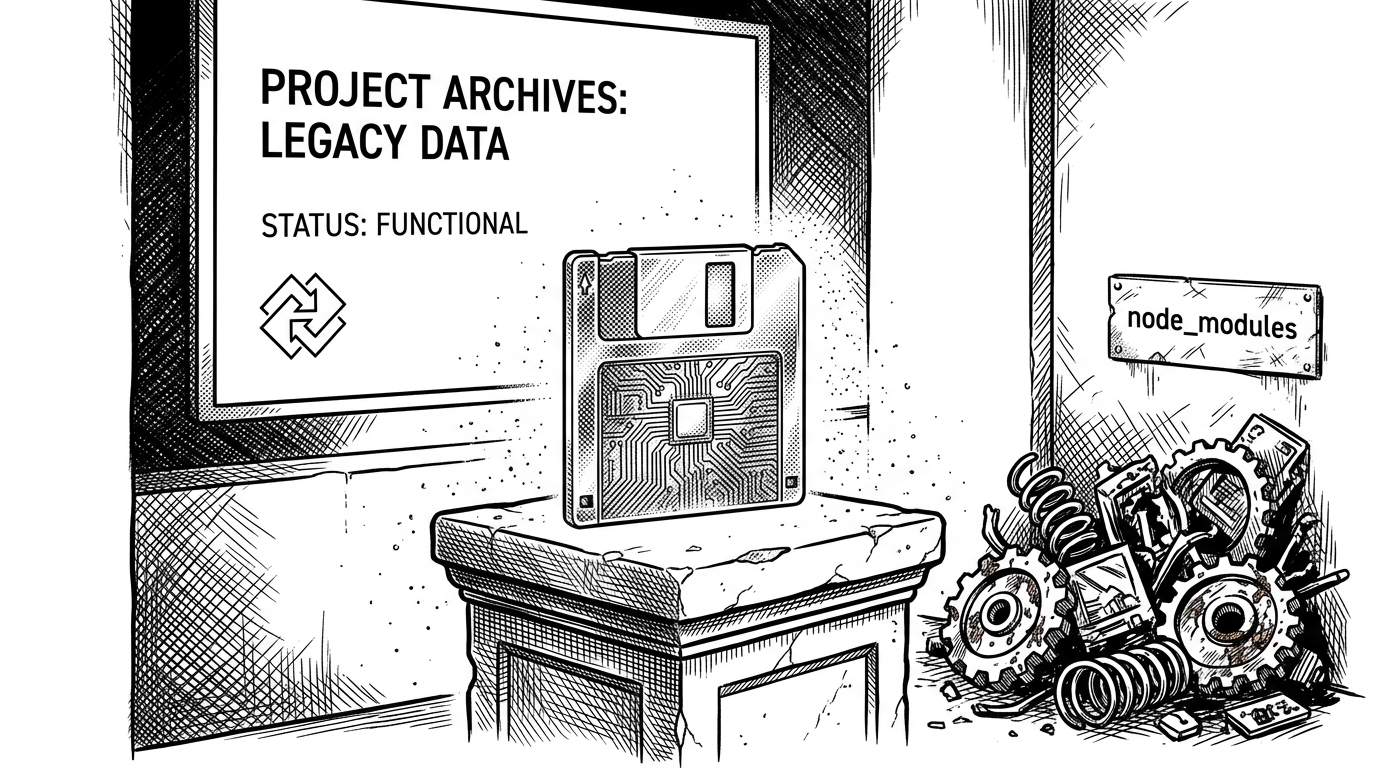
Modern web development is plagued by brittle npm dependencies. This project outputs a single HTML file with inline assets. This portable web approach guarantees that the presentation will continue to work perfectly for years without requiring a build step or a server.
| Feature | Slidev | Reveal.js | frontend-slides |
|---|---|---|---|
| Build Tool | Vite required | None (or Webpack) | None (Zero Dependency) |
| Authoring Format | Markdown + Vue | HTML / Markdown | AI Orchestrated HTML |
| Design Philosophy | Developer-centric utility | Framework-agnostic structure | Opinionated editorial design |
| AI-Native | No | No | Yes (Claude Code Skill) |