`zgwl/chinese-buy-us-stock-guide`: The GitHub Repo That Turns Finance Into a Visibility Map
A static Markdown guide became a living SOP for navigating cross-border investing, regulatory opacity, and the friction between money movement and state reporting.
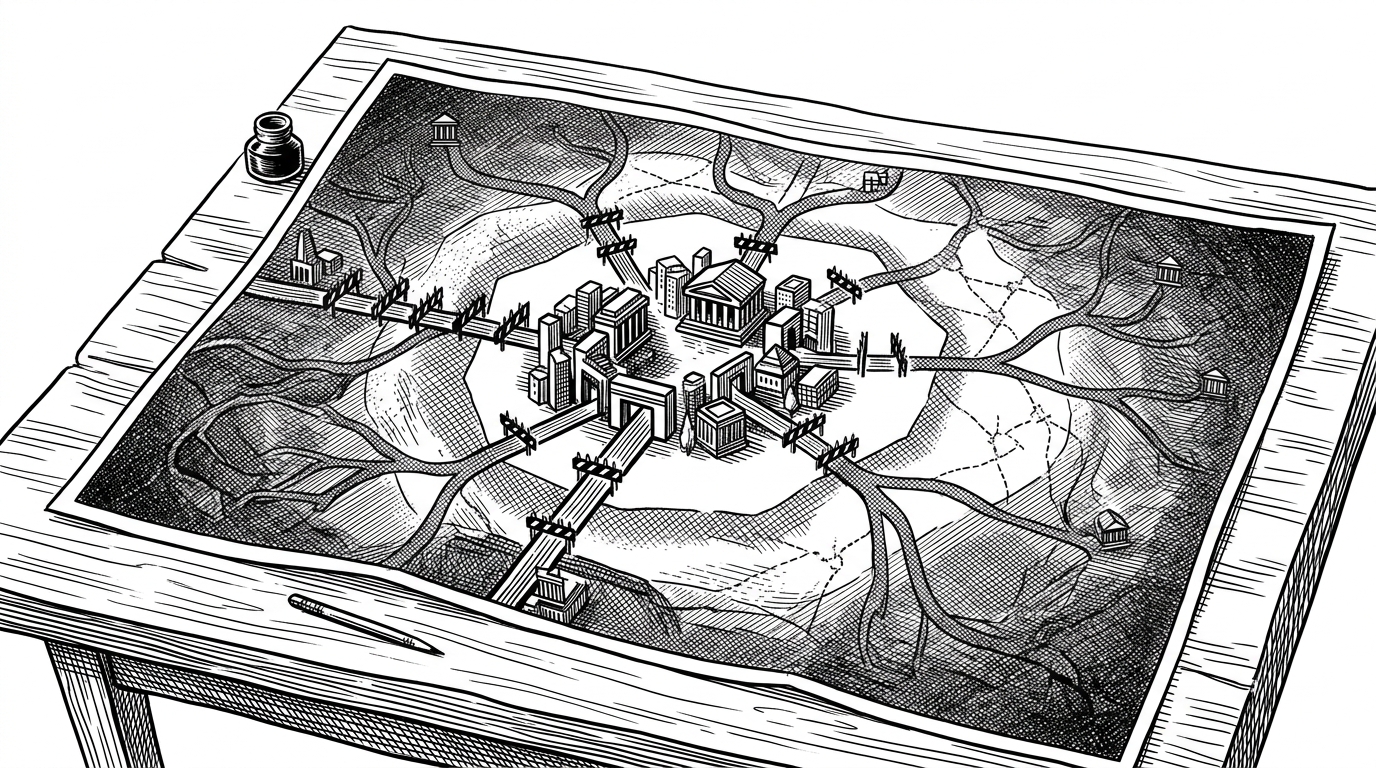
- This repo is less about buying US stocks than about classifying which financial paths are visible, partially visible, or hard to see.
- Its real innovation is documentation-as-code, where a numbered Markdown sequence behaves like an SOP instead of a blog post.
- GitHub matters here because it makes a controversial guide searchable, forkable, and durable even when the advice ages out.
- The repository now reads as a historical artifact of regulatory pressure, not a current playbook.
The real subject is not stocks. It’s visibility.
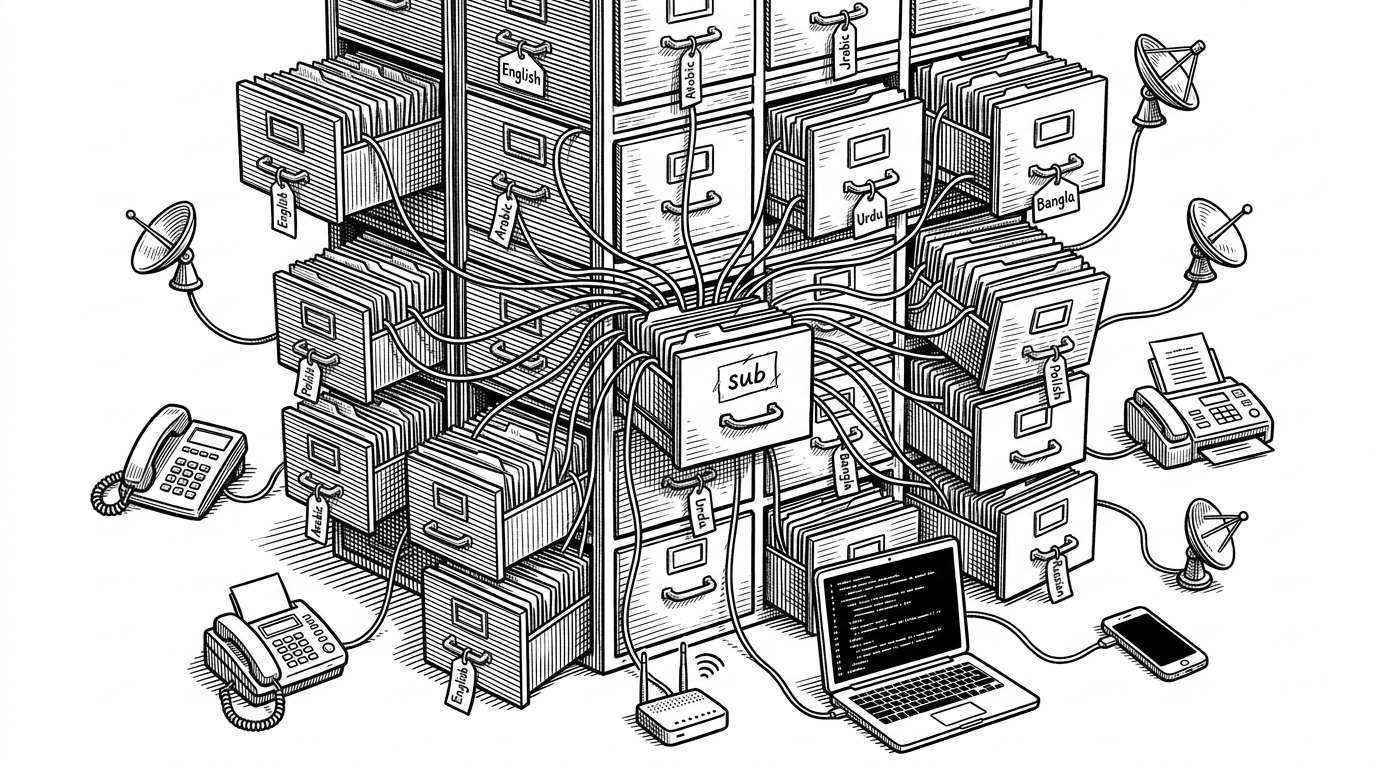
The repo’s sharpest idea is that cross-border finance is really a problem of legibility. Some systems see everything, some see only balances or summaries, and some leave a thinner trace. That framing is more interesting than the mechanics of opening an account, because it turns the entire guide into a map of what different institutions can and cannot observe.
That is why the project feels unusual. It does not read like a generic investing primer. It reads like a taxonomy of financial visibility, written for people trying to understand where friction lives and how reporting changes as money moves across systems.
A Markdown SOP disguised as a guide
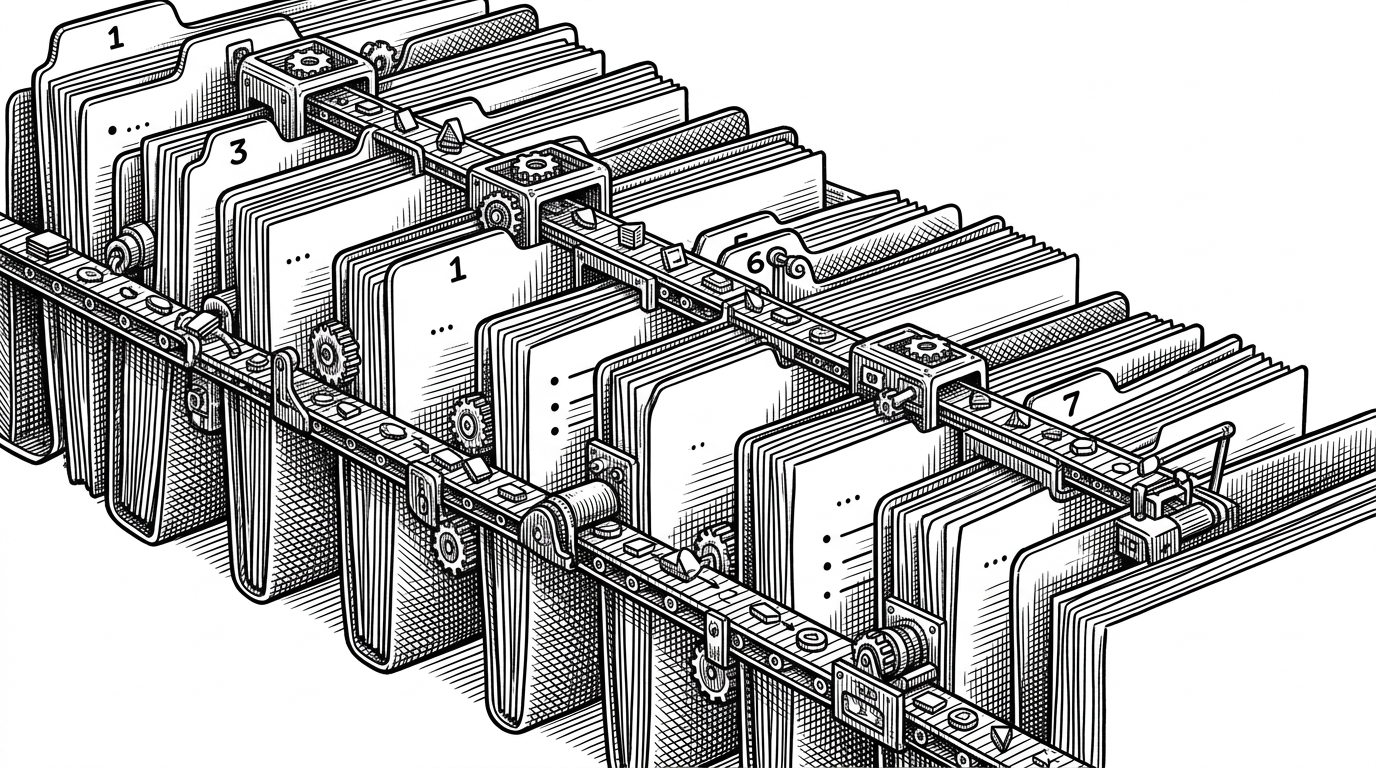
The repository is structured like an internal runbook. Numbered Markdown files march through onboarding, funding, broker selection, tax questions, and exit planning. That sequence matters, because it makes the repo feel procedural, almost operational, even though the medium is just text.
README.md
一. 开户.md
二. 税务.md
三. 银行入金.md
四. 美国券商.md
五. 加密入金.md
六. 美国税号.md
七. 2026年6月更新.md
That flat structure is the point. The guide does not hide its intent behind prose flourishes or a long narrative. It behaves like documentation-as-code, where the directory order is part of the argument. The reader is supposed to move step by step, as if following a process tree.
Why GitHub is the delivery mechanism
GitHub is doing more than hosting files here. It makes the guide searchable, forkable, and easy to mirror. For a topic that can age quickly and attract scrutiny, that matters. A static repository can outlast a forum thread and remain easier to archive than a commercial onboarding flow.
| Dimension | GitHub guide | Broker docs | Finance communities |
|---|---|---|---|
| Purpose | Centralized SOP | Product onboarding | Peer advice and troubleshooting |
| Freshness | Often stale | Continuously updated | Real time, noisy |
| Control over content | High for the maintainer | High for the platform | Low, decentralized |
| Trust model | Read the structure and sources | Trust the provider | Trust the crowd, cautiously |
| Best at | Preserving a process | Explaining the current product | Surface-level current context |
That contrast explains the repo’s odd durability. Broker docs are current but proprietary. Communities are lively but fragmented. GitHub sits between them, as a public archive that can be copied, forked, and preserved even when its advice stops being current.
美股指南
The repo’s most useful abstraction is the visibility taxonomy
This is the technical heart of the project. The guide groups institutions and channels by observability. One category is highly legible, with dense reporting. Another is partially legible, with broader summaries. A third leaves a thin or fragmented trail. That model is more important than any single broker recommendation, because it explains how the author thinks about routing.
Read that way, the repository is not mainly about access. It is about selecting paths based on what each path reveals to authorities, intermediaries, and tax systems. That is a systems idea, and it gives the repo its distinct shape.
The guide’s mental model is a gradient, not a binary
The value of the taxonomy is that it avoids false simplicity. Not every path is fully visible or fully hidden. The interesting middle zone is where the repo spends much of its attention, because that is where reporting, compliance, and convenience collide.
The maintenance style tells you this is an emergency document
The tone of the repository suggests urgency. It does not sound like a timeless handbook. It sounds like a document reacting to changing constraints, the kind of guide people keep updating because the conditions underneath it keep shifting.
your USDT has been sitting idle while US stocks keep making people rich. it is not because you do not know what stocks are good. it is because of all the steps you have to take. ➛ you have to turn your crypto into cash. ➛ then you wait and wait for a bank to send your https:/
That outside commentary captures the same friction the repo is built around: the path from one system to another is not just financial, it is procedural. The maintenance style suggests the author understood the guide as a living response to friction, not as a polished textbook.
| Signal | What it suggests | Why it matters |
|---|---|---|
| Numbered modules | A staged process | The guide wants to be followed in order |
| Tax and funding sections | Compliance pressure | The real problem is not market access alone |
| Update notes | Changing conditions | The repo is reacting to policy drift |
| Static Markdown | Low-friction publishing | It can be mirrored and preserved easily |
What this repo is not
It is not a brokerage product page. It is not a live community thread. And it is not a neutral explainer. It is a public SOP, with all the brittleness that implies. That is why it feels historically useful even when it is no longer operationally current.
Compared with commercial onboarding docs, the repo is less polished and less current. Compared with forums like Snowball or Zhihu, it is quieter and more structured. Its strength is not freshness. Its strength is that it freezes a specific way of thinking about access, compliance, and routing into a durable artifact.
| This repo | Commercial broker docs | Forums and Q&A | |
|---|---|---|---|
| Freshness | Static and aging | Current by design | Current but noisy |
| Tone | Procedural and analytical | Supportive and brand-safe | Casual and mixed |
| Control | Single maintainer | Platform controlled | Crowd controlled |
| Value | A public process map | A current onboarding path | Fast-changing lived experience |
Why it still matters
The lasting lesson is not about a specific market route. It is about how people encode access problems into public documents. A GitHub repo can become a map of friction, a record of institutional legibility, and a snapshot of what a niche community needed to know at a particular moment.
That is why the project belongs in the open-source canon, even if it is not software in the usual sense. It shows that information architecture is often the real product. The structure of the guide is the story.