Docusaurus and the Art of the Surgical Eject
How Meta's pluggable engine turned static documentation into a high-performance React application without breaking the upgrade path.
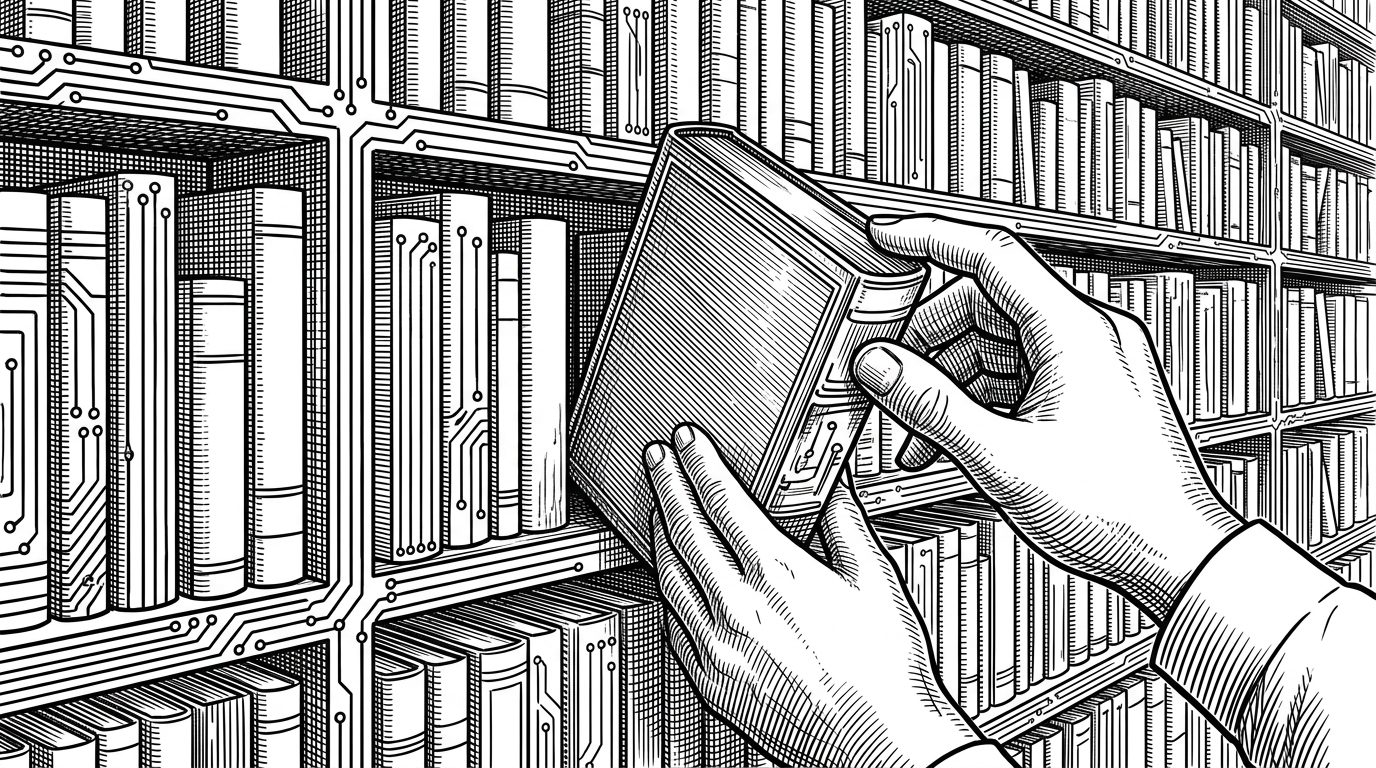
- The swizzle strategy allows developers to eject and customize individual React components without forking the entire theme.
- Docusaurus treats documentation as a Single Page Application to enable live interactive code through MDX integration.
- A built-in versioning engine manages multiple documentation releases through a native file-system routing approach.
- The repository uses a monorepo structure where the official website serves as a live integration test for the core packages.
The Documentation Paradox
Developers face a persistent paradox when building documentation. They want a turnkey solution that looks professional out of the box, but the moment they need to change a single button or add a custom search bar, they find themselves trapped. Traditional static site generators often force a binary choice: accept the rigid constraints of a pre-built theme, or fork the entire repository and take on a lifetime of maintenance burden.
Meta's engineers encountered this exact friction while maintaining documentation for massive open-source projects like React Native and Jest. Their solution was Docusaurus, a pluggable static-site generator built on React. By treating documentation as a Single Page Application (SPA), Docusaurus bridged the gap between static content and interactive software.
The Swizzle Strategy
The defining technical achievement of Docusaurus is the "Swizzle." Instead of relying solely on configuration props or chaotic forks, Docusaurus allows users to perform a surgical eject. Developers can run a CLI command to copy a specific React component from the core theme directly into their local project.
Once swizzled, the local component overrides the default one. The rest of the theme continues to receive upstream updates seamlessly. This approach provides infinite flexibility for customizing a navigation bar or footer while keeping the underlying engine securely tethered to the main release cycle.
Markdown with a Pulse
Documentation for UI libraries requires live code. Static code blocks are insufficient when users need to see how a component actually renders and behaves. Docusaurus solves this by deeply integrating MDX, a format that allows developers to write JSX directly inside Markdown files.
import Highlight from '@site/src/components/Highlight';

# Welcome to the Docs

This is standard markdown text, but below is a live React component:

<Highlight color="#25c2a0">Docusaurus makes this easy.</Highlight>
Docusaurus v2+ has been a total rewrite from Docusaurus v1, taking advantage of a completely modernized toolchain.
The Versioning Engine
Maintaining documentation for multiple major library versions is notoriously difficult. Docusaurus treats versioning as a first-class citizen. It uses a file-system-based routing approach where a `versioned_docs` folder maps directly to specific release tags. This allows global search features to filter results based on the version the user is currently reading.
| Framework | UI Layer | Customization Model | Versioning Support |
|---|---|---|---|
| Docusaurus | React | Swizzling (Component Eject) | Built-in, First-class |
| Starlight (Astro) | Astro / Agnostic | Component Overrides | Requires Plugins |
| VitePress | Vue | Slots | Manual Configuration |
Built to be Dogfooded
The repository itself is a masterclass in monorepo architecture. Docusaurus is structured so that its own documentation website acts as the ultimate integration test. The `website/` directory consumes the local `packages/` directly, ensuring that every new feature or bug fix is immediately validated against a production-grade site.
By combining the raw speed of static generation with the interactive capabilities of React, Meta created an engine that scales from a solo developer's blog to the sprawling documentation of enterprise frameworks. The "Swizzle" remains a blueprint for how open-source projects can offer deep customization without sacrificing maintainability.