sindresorhus/awesome: The Repo That Turned Curation Into Infrastructure
A tiny Markdown project became the quality gate for thousands of community lists, using linting, strict contribution rules, and a manifesto that everyone else copied.
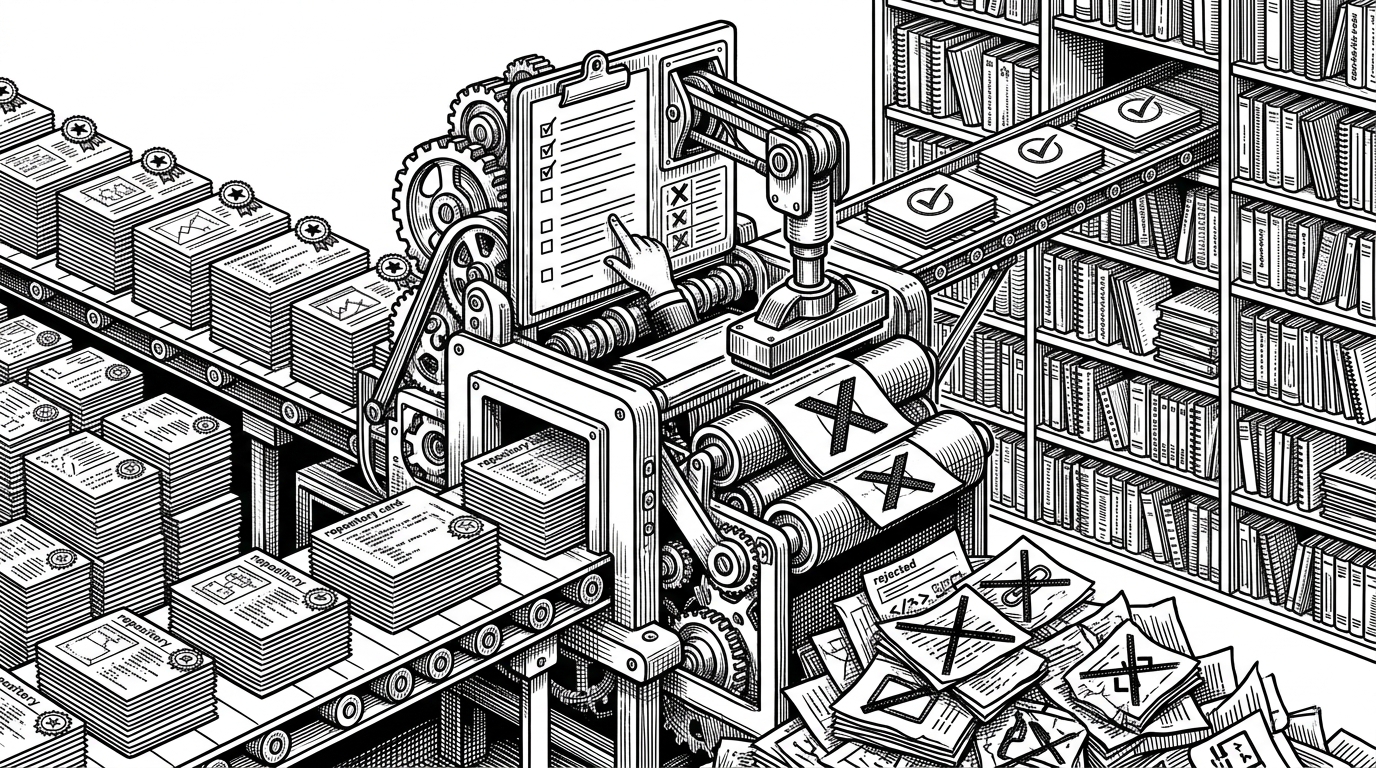
- `awesome` works less like a list and more like a standard-setting protocol for GitHub curation.
- Its real power is not scale alone, but the friction it adds before a list is allowed into the ecosystem.
- Automation, templates, and linting turn subjective taste into a repeatable review process.
- The repo changed expectations for curated lists by making quality visible, testable, and portable.
The repo that audits the internet’s favorite lists
Most people encounter sindresorhus/awesome as a giant index. That misses the point. The repo behaves like a gate, not a gallery. It expects contributors to prove a list deserves entry before maintainers spend time reviewing it.
That is why the project matters. It turns curation into infrastructure. A Markdown file, a manifesto, and a set of CI checks now shape how a large corner of GitHub decides what counts as worth linking to.
If you want your list to be included in `awesome`, try to only include actual awesome stuff in your list. After all, it's a curation, not a collection.
How a Markdown file became a standard
The manifesto does not read like branding. It reads like protocol. It tells maintainers what belongs, what does not, and how a list should present itself so the ecosystem stays legible.
| Manual list curation | awesome as a standard |
|---|---|
| Personal taste with no common rules | Shared criteria for what gets included |
| One repository, one maintainer’s style | Thousands of repositories that still feel related |
| Links as plain aggregation | Links as a recognizable format with badges and conventions |
| Quality judged after the fact | Quality shaped before the PR is accepted |
That standardization is subtle but powerful. The badge, the grammar rules, the licensing preference, and the formatting expectations give independent repositories a shared identity. They may cover different subjects, but they speak the same visual and editorial language.
The real engine is friction
The contribution flow is intentionally annoying in the best sense. The PR template is long. The requirements are specific. Contributors are asked to do real work, including reviewing other PRs, before they ask for maintainer attention.
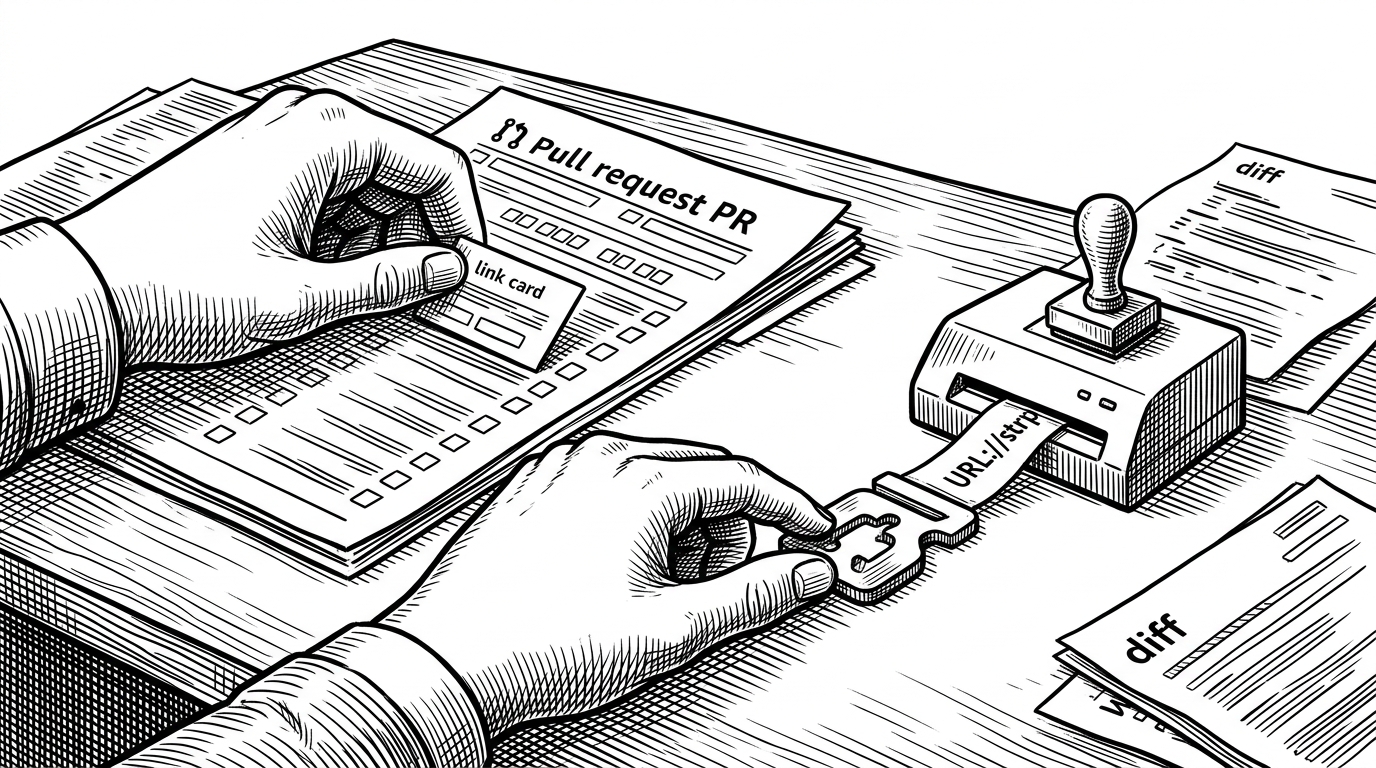
This is why the project scales. It does not ask maintainers to do all the filtering. It pushes some of that judgment into the submission process itself, then backs it with automation so the rules are not just social expectations.
Why this ecosystem keeps working
The hidden machinery lives in GitHub Actions and the linter scripts. The workflow extracts the new URL from the diff, validates the target repository, and runs checks before the submission reaches a human. The repo is not merely documenting the ecosystem. It is testing it.
| Passive directory | Validated ecosystem |
|---|---|
| Anyone can paste a link | A PR must survive linting and formatting checks |
| Human reviewers discover problems late | Automation catches structural issues early |
| Broken lists linger until someone notices | Bad submissions fail before merge |
| The repo points outward | The repo actively checks outward content |
That distinction is the project’s real invention. The repository treats the wider GitHub universe as something that can be validated, not just referenced. In practice, that makes the list feel less like a static index and more like a living trust system.
What awesome changed for everyone else
The broader effect is easy to miss because the repo’s form is so plain. It established a visual badge, a contribution style, and a quality expectation that thousands of other lists now borrow. The result is not just discoverability. It is coherence.
That coherence matters because it lowers the cost of trust. When a list looks and behaves like an awesome list, readers know how to read it. Contributors know what the maintainer expects. And maintainers can defend quality without reinventing the rules every time.
| Before awesome | After awesome |
|---|---|
| Curated lists were isolated and inconsistent | Curated lists share a recognizable convention |
| Readers had to guess quality from formatting | Formatting became a signal of quality |
| Maintainers negotiated every standard from scratch | The ecosystem inherited a reusable playbook |
| Discovery was a matter of luck | Discovery became a system with a common entry point |