ai-marketing-claude: When Markdown Becomes a Marketing Department
A terminal-first skill suite that routes audits, copy, emails, and reports through specialist subagents, then turns the results into structured deliverables.
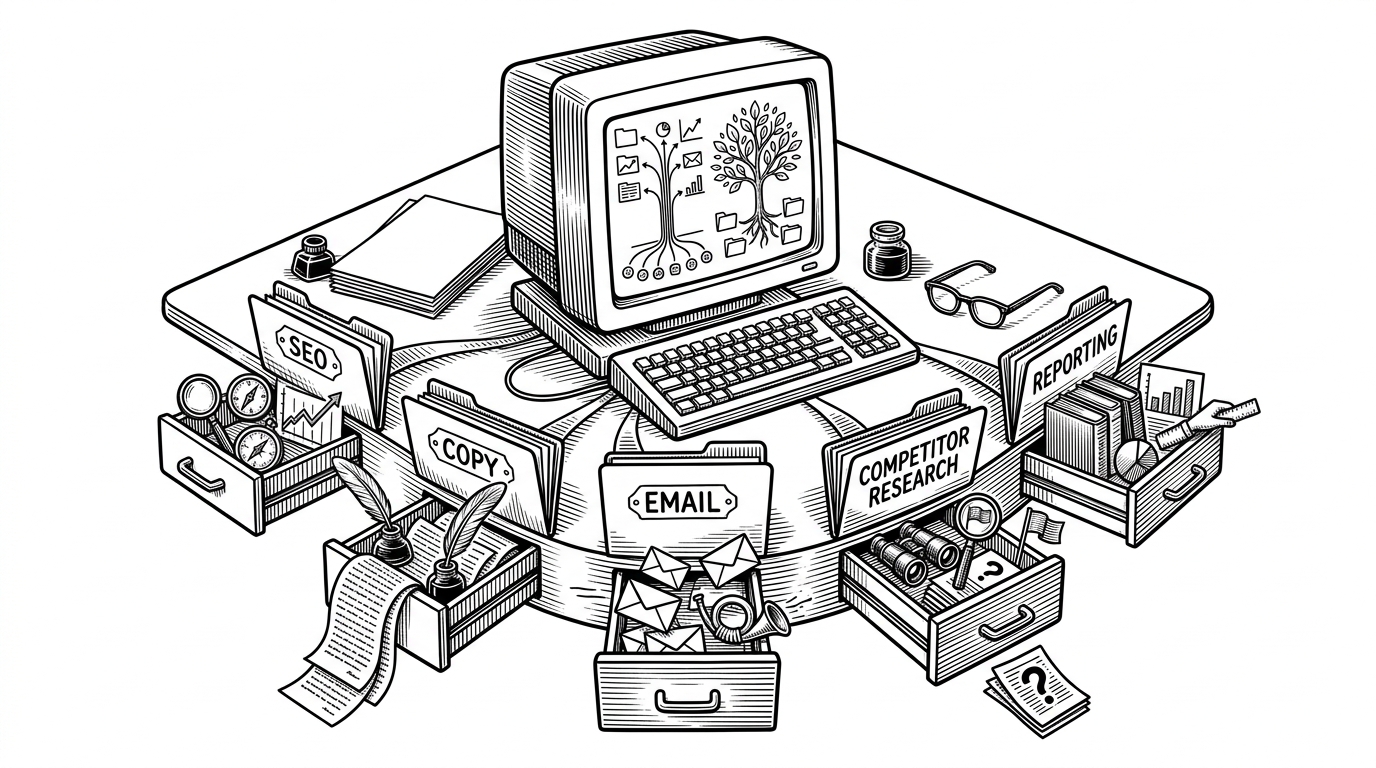
- ai-marketing-claude turns Claude Code into a domain-specific marketing workbench, not a general chat assistant.
- The `/market audit` command is the centerpiece because it parallelizes specialist judgment before it recombines the result into a weighted analysis.
- Markdown files, Python scripts, and templates split judgment from mechanics, which makes the system more repeatable than a prompt stack.
- The project sits between SaaS and framework, giving operators an opinionated workflow without locking them into a closed product.
Most marketing tools promise automation. This repo promises something more opinionated: a terminal that behaves like a small agency. You do not get a blank prompt and hope for the best. You get commands, specialist roles, scoring rubrics, and a reporting path that ends in something client-ready.
The terminal becomes a marketing team
The real trick is not content generation. It is packaging process. Claude Code becomes the execution layer, Markdown becomes the control surface, and the command vocabulary turns a messy service business into something closer to a repeatable system.
A user types `/market copy` or `/market audit`, and the system routes them into a prebuilt workflow. That makes the project feel less like a prompt library and more like an operating manual for a niche department.
One command, five specialists
The best example is `/market audit
That parallelism is the point. Each specialist sees the site through a narrow lens, so the final summary is not one model trying to be brilliant at everything. It is a weighted merge of smaller judgments, which is usually a better way to audit a business-facing website.
Markdown is the interface layer
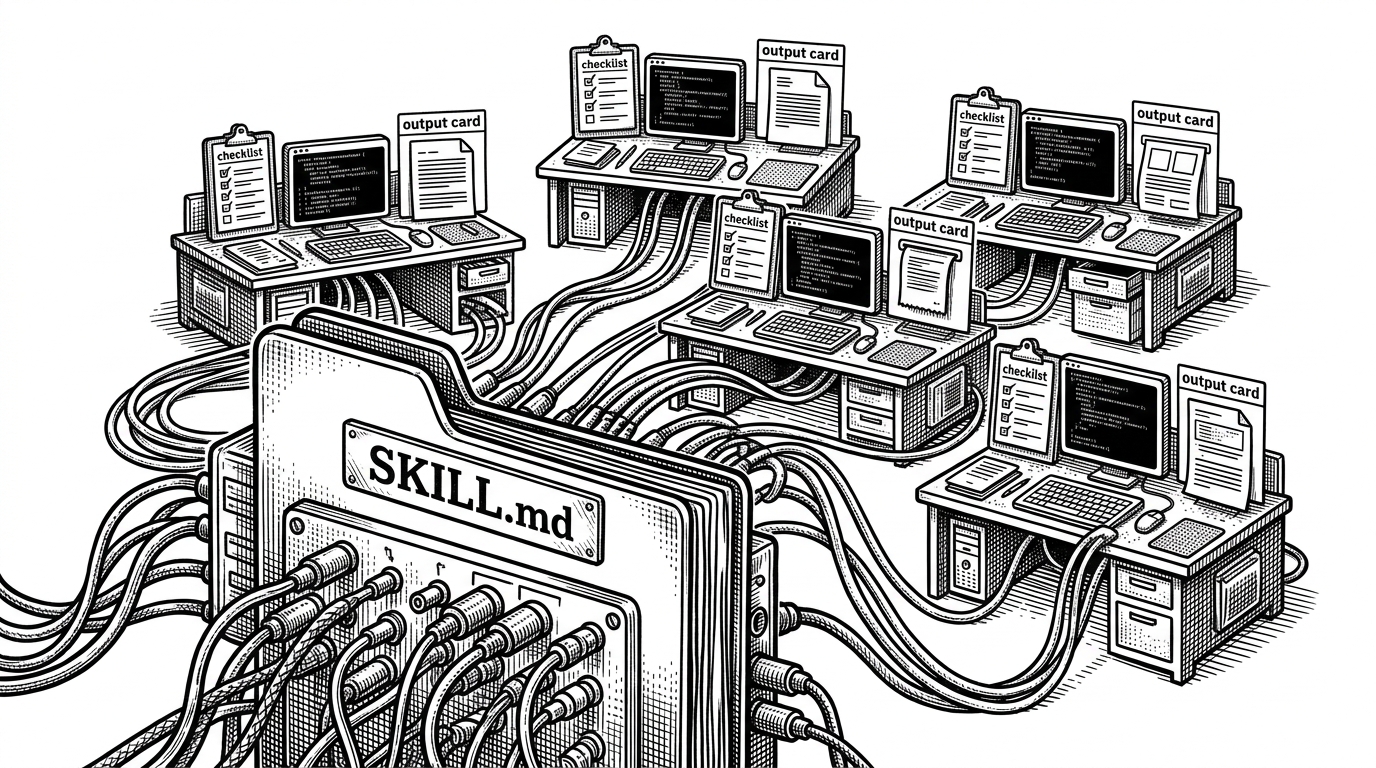
The repo uses `SKILL.md` files like routing logic. Each skill directory carries its own instructions, while `/agents` handles specialized personas, `/scripts` handles mechanical work, and `/templates` gives the output its shape. The folders are not documentation. They are the product's control system.
/market/SKILL.md
  routes /market audit, /market copy, /market emails
/skills/market-audit/SKILL.md
  dispatches parallel specialists
/scripts/generate_pdf_report.py
  turns structured output into a PDF report
/templates/
  provides reusable deliverable frames
That separation is what makes the repo legible. Markdown holds the judgment and the prompts. Python handles scraping, parsing, and PDF generation. Templates keep the deliverables consistent enough that the model can improvise inside a frame.
Why the output feels more serious than a chatbot
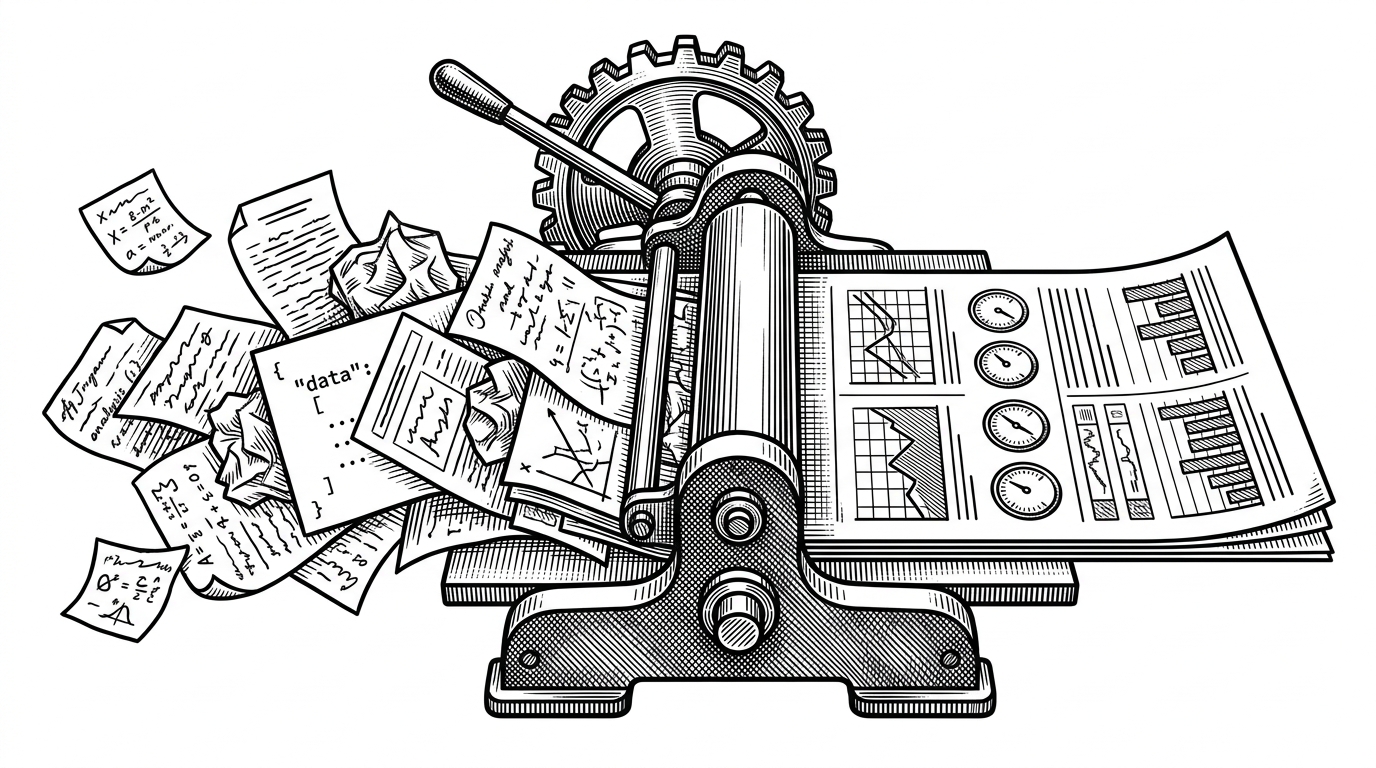
A normal chatbot can write decent marketing language, but it struggles to stay consistent from one run to the next. This repo narrows that variance by asking the model to emit structured data, then passing that output into deterministic scripts. The result is not perfect truth. It is repeatable output with fewer surprises.
That is why the PDF path matters. The model does the reasoning, then a script does the assembly. In practice, that division makes the deliverable feel closer to a production asset than a conversation transcript.
What it replaces
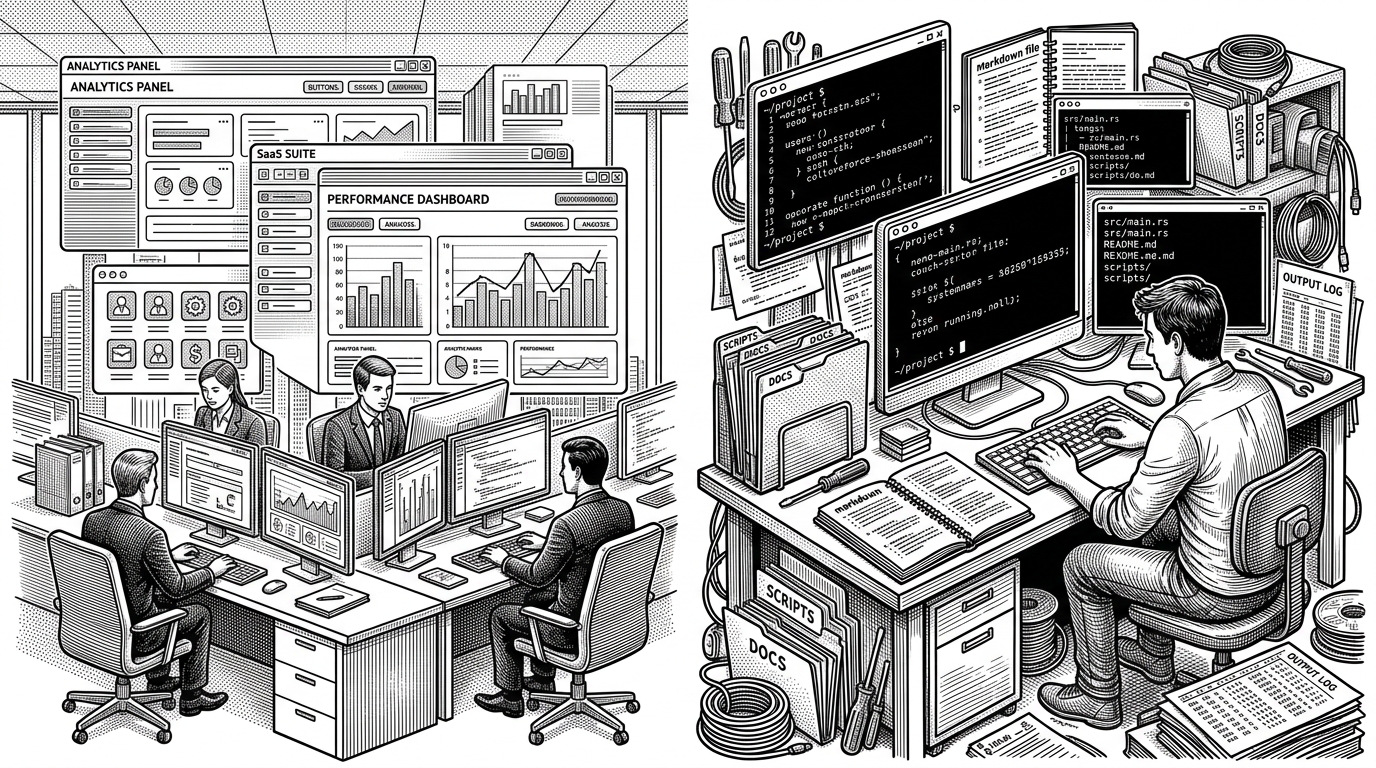
The project sits in a useful middle ground. It is more opinionated than a general agent framework and more customizable than a packaged SaaS dashboard. That makes the tradeoff easy to read once you compare it to the alternatives.
| Project | What it is | Strength | Weakness | Best for |
|---|---|---|---|---|
| ai-marketing-claude | Open-source Claude Code skill suite | Opinionated workflows and client-ready reports inside the terminal | Less polished than a SaaS UI and tied to Claude Code | Operators who want programmable marketing processes |
| Jasper | Marketing copy SaaS | Fast, polished copy generation with a friendly interface | Narrower scope and less workflow control | Teams that want ready-made content tooling |
| LangChain or CrewAI | General agent framework | Flexible orchestration primitives for custom systems | You must build the marketing logic yourself | Developers prototyping bespoke agents |
For a founder or agency operator, that middle ground is the pitch. You get repeatable workflows without giving up control, and you can swap pieces as your service model changes.
The founder's intent
The README frames the project for entrepreneurs, agency builders, and solopreneurs who want to sell marketing services powered by AI. That is a practical audience. They do not need a new brand voice generator. They need a system that can turn a URL into work they can sell.
Audit any website, generate copy, email sequences, ad campaigns, content calendars, competitive intelligence, and client-ready PDF reports.
That framing also explains the repo's emphasis on install scripts, command names, and client-facing artifacts. It is built to be operated, not admired. The product promise is speed, repeatability, and enough structure to make the output useful in a real business.
The bottom line
ai-marketing-claude is a sign of where agent tooling is heading. The winning idea is not a smarter chatbot. It is a workbench that packages expertise, routes it through specialist flows, and ends with artifacts that other people can use.