Etnamute: The Local AI Factory That Turns an Idea Into a Publishable Expo App
A deep dive into the project that makes Claude act like a product manager, build manager, QA lead, and release engineer for React Native apps.
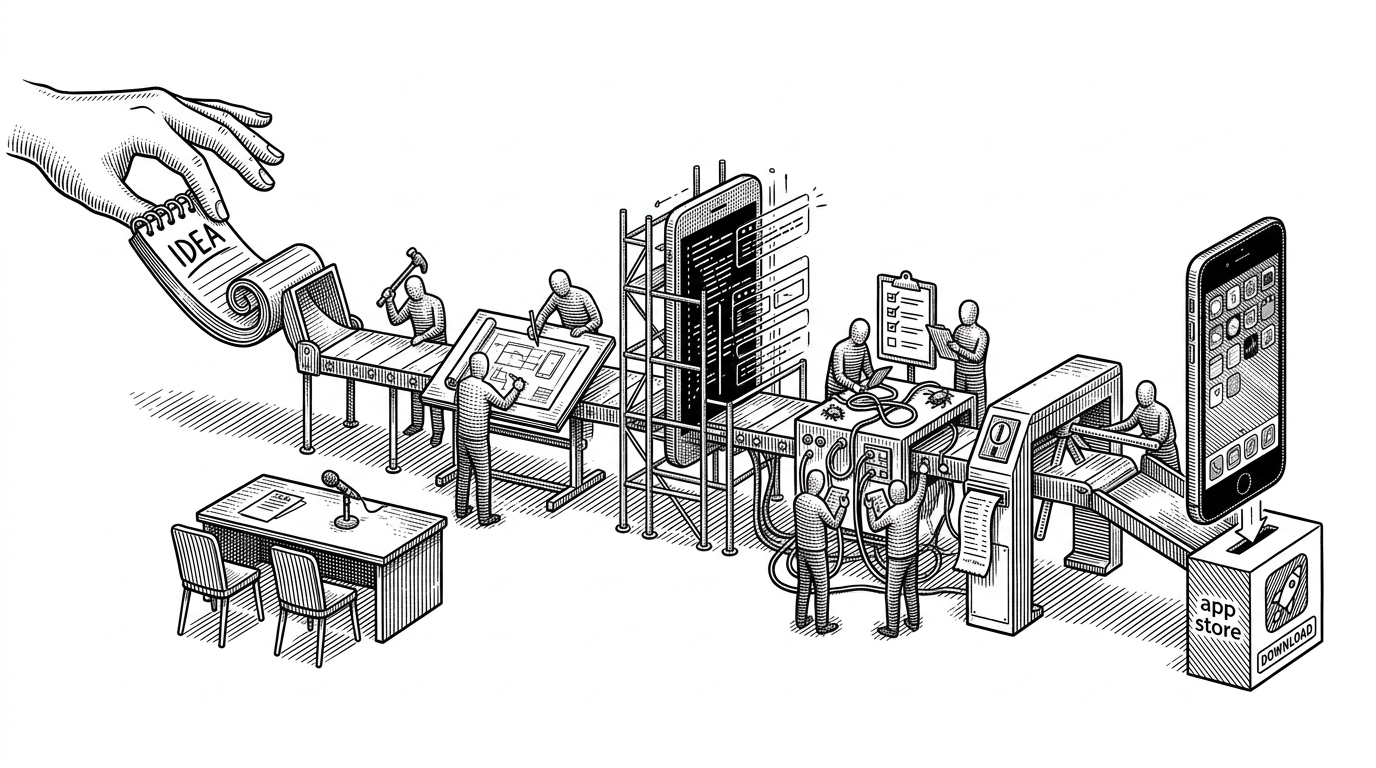

Local AI-powered mobile app factory. Describe an idea → get a publishable Expo React Native app.
- Etnamute matters because it turns app creation into a gated production system instead of a one-shot prompt.
- The user’s main job is the discovery interview, because the stack and delivery path are already fixed.
- Its real innovation is not code generation, but the enforced sequence of specs, build milestones, QA, and release checks.
- Ralph, the adversarial reviewer, makes evaluation a first-class actor instead of an afterthought.
Etnamute is not an app builder. It is an app factory. The difference is not cosmetic. A builder helps you generate screens. A factory forces an idea through discovery, planning, implementation, testing, monetization, and release until it can survive contact with the App Store.
The user only really does one hard thing: the discovery interview
The repo’s sharpest constraint is also its kindest one. Etnamute does not make you choose a stack, debate architecture, or micromanage implementation details up front. It asks questions that turn a fuzzy idea into a structured brief, then takes over the boring parts with an opinionated Expo workflow.
That is a big product choice. It means the system optimizes for briefing quality, not for user tinkering. The interview is the only place where ambiguity is allowed to live for long.
Claude is not chatting. It is moving through a state machine.
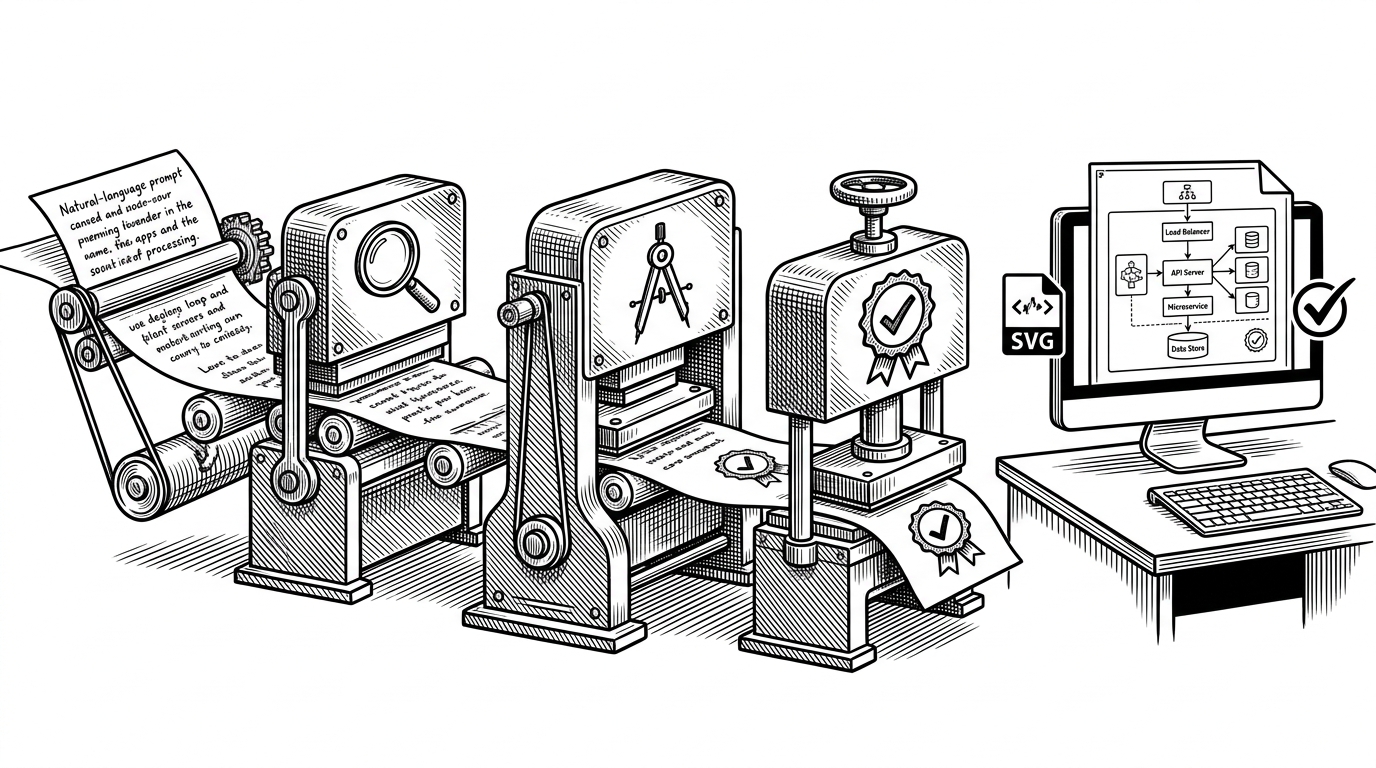
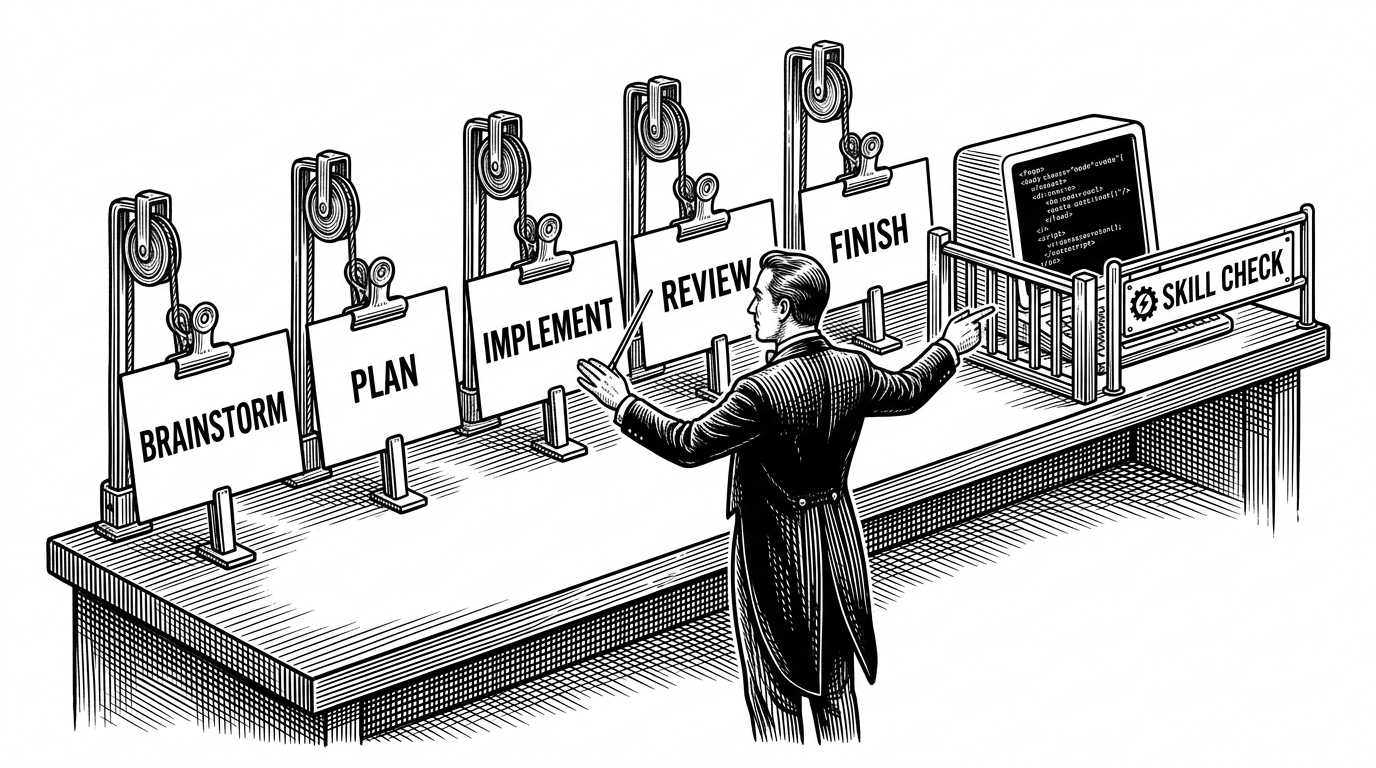
Under the hood, the repo treats Claude Code like an operator moving through bounded stages. The skills are not casual prompts. They are operating instructions with state, checkpoints, and exit conditions. That turns generation into a pipeline you can reason about.
The repo’s five-milestone build flow makes that control visible. Scaffold first. Then screens. Then features. Then monetization. Then polish. That sequence matters because it prevents the agent from jumping to the fun parts before the app is structurally ready.
The QA loop is the real product
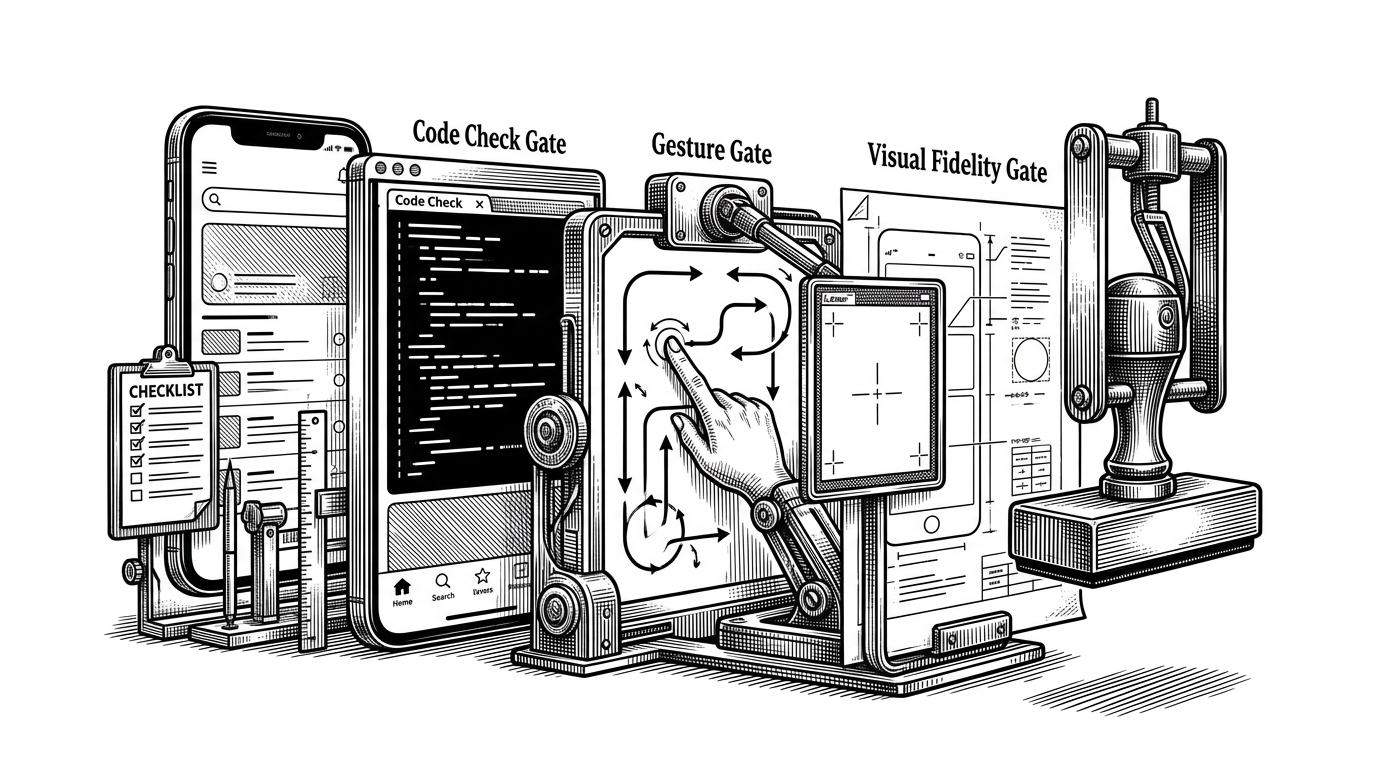
This is where Etnamute gets serious. It does not assume a passing unit test means the app is safe. It explicitly checks gestures, screens, and visual fidelity because that is where AI-generated mobile work usually falls apart.
apps MUST work in Expo Go (`npx expo start`). Do NOT use packages that require native builds, TurboModules, or New Architecture.
That rule looks restrictive until you see the point. Etnamute is not trying to maximize framework freedom. It is trying to maximize the odds that an AI can produce something a human can actually run, inspect, and ship.
Ralph is the sharpest idea in the repo
The adversarial review persona is the repo’s smartest move. Ralph is not a second opinion bolted on at the end. Ralph is a gatekeeper embedded inside the workflow, which means the system has to defend its own output before it advances.
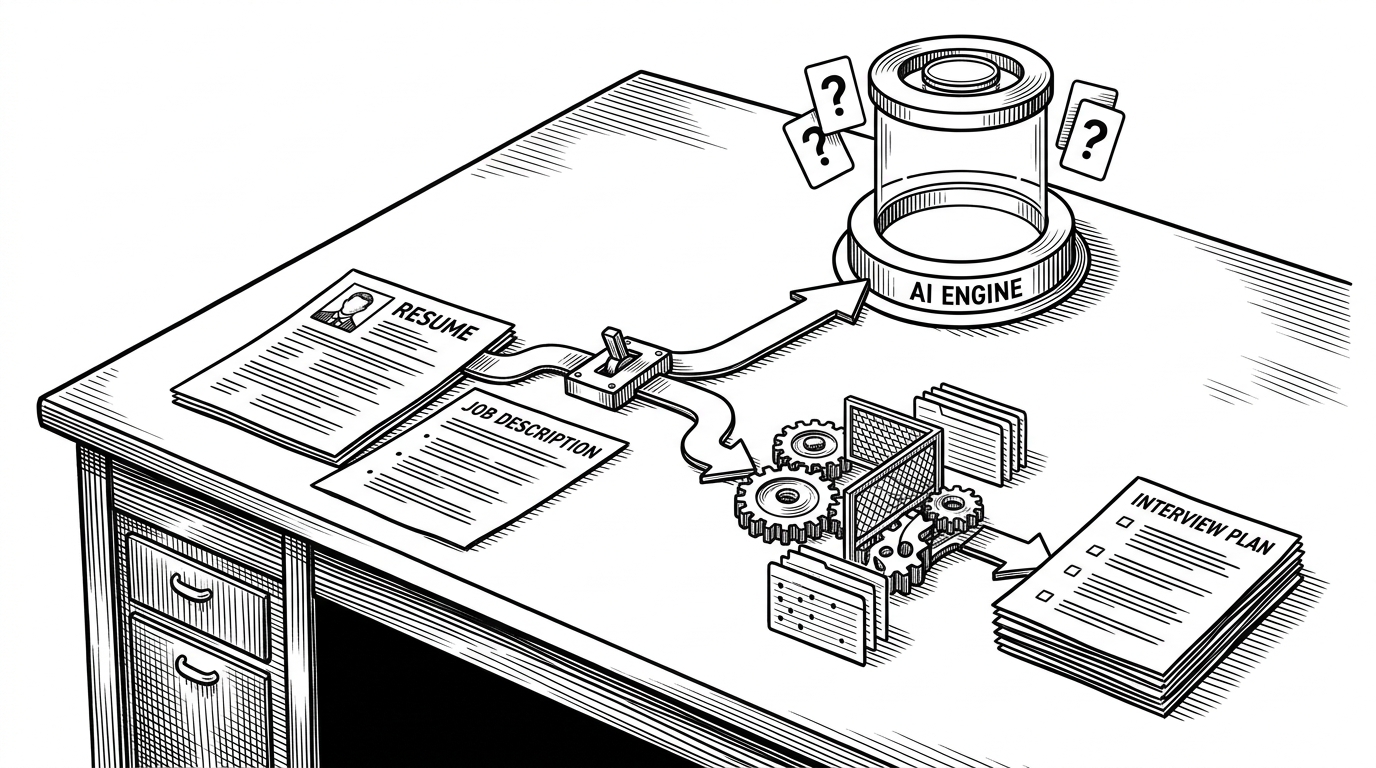
The headless mode is the interesting bit — it accepts a formal PRD schema, so an upstream agent can generate specs and feed them in. No human in the loop.
That matters because evaluation is usually the hidden tax in AI development. Etnamute makes it explicit. A milestone does not count unless the reviewer clears it, and that changes the entire failure mode of the system.
Why local beats cloud here
| Dimension | Etnamute | Cloud app builders | General AI editors |
|---|---|---|---|
| Execution | Local CLI with filesystem and shell access | Hosted sandbox | Usually local editing only |
| Scope | Mobile-specific, Expo-focused | Broad but less opinionated | General-purpose |
| Lifecycle | Interview, PRD, build, QA, release | Often generation-first | Mostly code assistance |
| Verification | Maestro, Vision checks, scripted gates | Variable | User-defined |
| Stack | Opinionated Expo pipeline | Flexible or locked to platform | Whatever the repo already uses |
| Release path | Fastlane and app delivery steps included | Often partial | Not native to the tool |
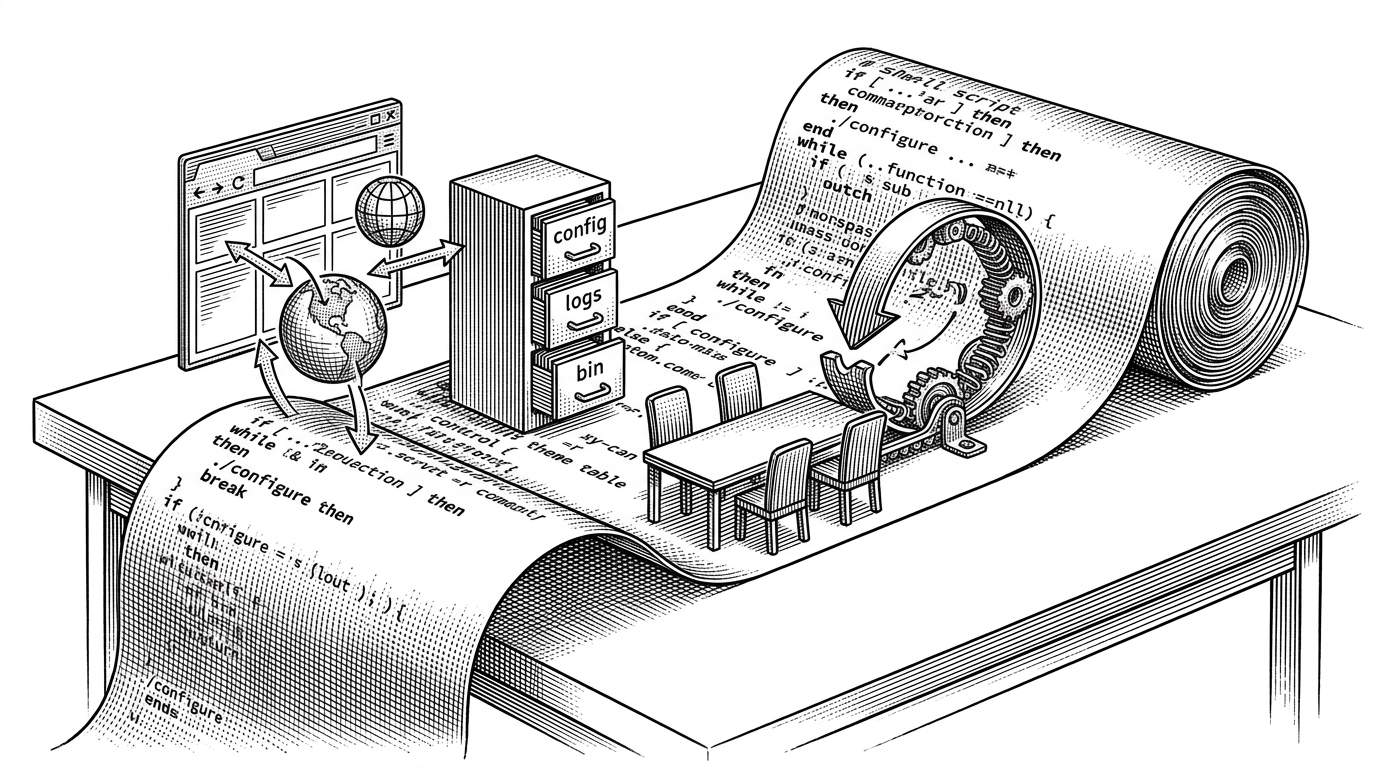
The local approach is not a purity play. It is an operational one. When the agent can read real docs, run scripts, inspect files, trigger tests, and drive release tooling, it can do the unglamorous work that turns generated code into an actual product.
This is really about productization, not prototyping
Etnamute’s deeper bet is that AI is most useful in the middle of the mobile app lifecycle, not at the front. The front is discovery. The back is release discipline. The middle is where repetition lives, and repetition is where automation pays off.
That is why the project feels bigger than an Expo starter and smaller than a general agent platform. It compresses the production line without pretending the business logic, the market fit, or the release gate can be skipped.