The Zero-UI Smart Contract: Inside 0xGoonz/Droppit
How an AI agent uses minimal proxy clones to deploy sovereign infrastructure directly from a social media feed.
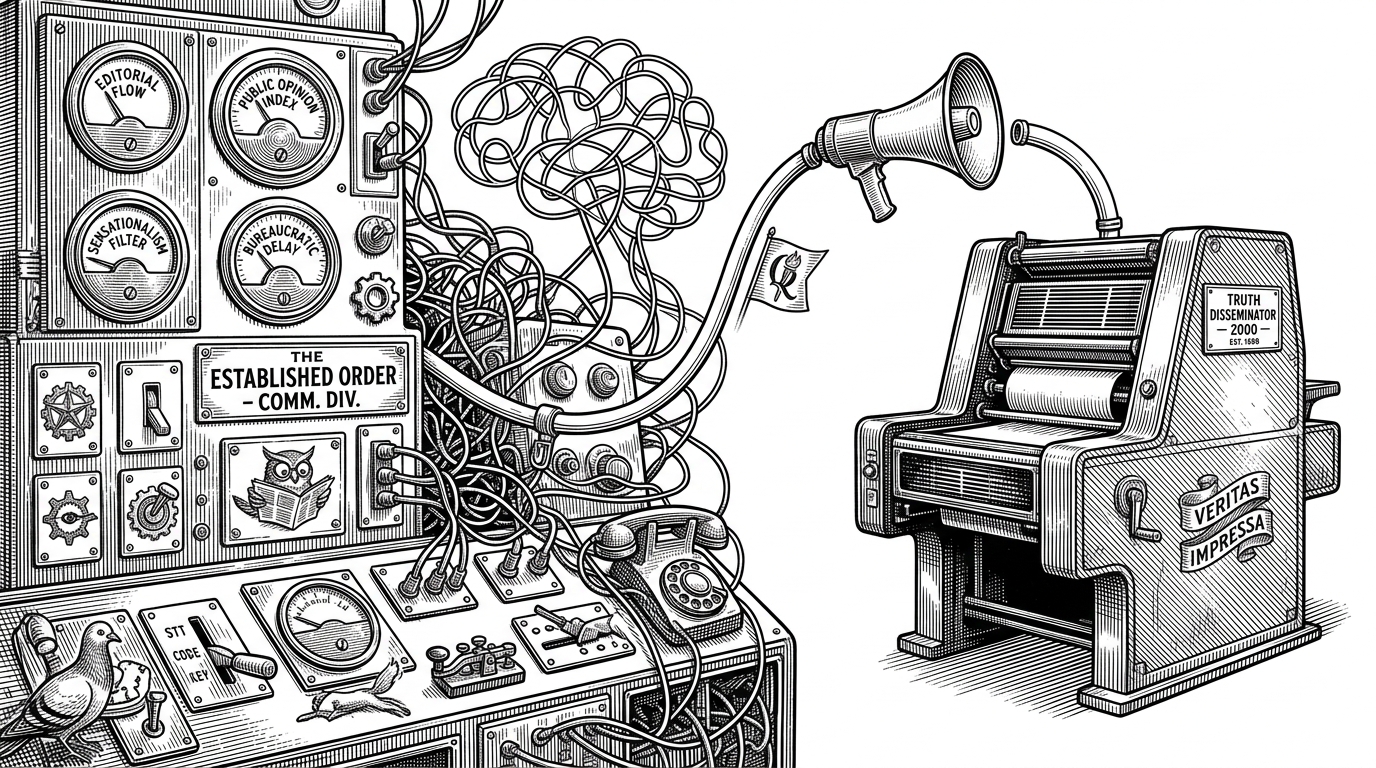
- Droppit replaces traditional Web3 dashboards with an AI agent that deploys smart contracts directly from Farcaster mentions.
- The platform achieves radical gas efficiency by utilizing EIP-1167 minimal proxy clones to stamp out cheap, sovereign infrastructure.
- Integration with Farcaster Frames v2 and Coinbase Smart Wallet enables frictionless, in-feed minting without browser extensions.
- An AES-256-GCM encryption layer transforms basic digital collectibles into secure, token-gated utility mechanisms.
The Death of the Dashboard
The traditional Web3 frontend is a bottleneck. Connecting wallets, signing arbitrary messages, and navigating complex configuration dashboards creates massive friction for creators. Droppit bypasses this entirely by replacing the user interface with an AI agent.
When a user tags the Droppit bot on Farcaster with natural language instructions, a webhook fires to a Next.js backend. There, Gemini 1.5 Flash extracts the structured metadata (such as Name, Symbol, and Price). The Coinbase Developer Platform (CDP) AgentKit then takes over. It converts that structured data into an onchain deployment transaction. There is no form, no connect button, and no confirmation screen.
Sovereign Contracts on a Budget
Deploying a unique ERC-1155 contract for every social post is financially unviable, even on an optimized Layer 2 like Base. A standard deployment costs significant gas because it writes thousands of bytes of compiled bytecode to the blockchain.
Droppit solves this using the EIP-1167 Minimal Proxy Clone architecture. The AI agent does not deploy a massive new file. Instead, it triggers a Factory contract. This factory stamps out a tiny, cheap proxy that merely points back to a single shared implementation contract. The creator receives a sovereign address at a fraction of the traditional gas cost.
Closing the Loop in the Feed
Once the contract is deployed, the creator's audience needs to interact with it. Droppit handles this through the Farcaster Frames v2 standard. The backend serves interactive frame logic that renders directly inside the social feed.
By integrating with the Coinbase Smart Wallet, users can mint the asset directly within the Farcaster application. This passkey-driven approach often allows for gasless transactions, completing the lifecycle from creation to consumption entirely at feed speed.
export async function POST(req: Request) {
  const body = await req.json();
  const { untrustedData } = body;

  // Construct Frame v2 transaction payload
  const txData = {
    chainId: 'eip155:8453',
    method: 'eth_sendTransaction',
    params: {
      abi: dropAbi,
      to: untrustedData.contractAddress,
      data: encodeFunctionData({
        abi: dropAbi,
        functionName: 'mint',
        args: [untrustedData.fid, 1]
      }),
      value: parseEther('0.001').toString()
    }
  };

  return NextResponse.json(txData);
}
The Native Utility Layer
Droppit is not limited to speculative digital assets. Creators can attach encrypted payloads, such as Shopify discount codes or secure download links, to their drops. These payloads are secured using AES-256-GCM encryption.
When a user attempts to access the payload, the backend requires a signed nonce from their wallet. It verifies onchain ownership of the specific ERC-1155 token before decrypting the data. This creates a seamless, natively secure token-gating mechanism.
The Shift to Agentic Commerce
Droppit exemplifies a broader shift in decentralized architecture. It moves away from user-driven pull platforms and toward agent-driven push workflows. Large language models now serve as the translation layer between human intent and complex protocol infrastructure.
| Feature | Traditional Launchpad | Agentic Launchpad (Droppit) |
|---|---|---|
| Trigger | User navigates to web app | User tags bot in social feed |
| Data Entry | Manual form fields | LLM Intent Extraction (Gemini) |
| Deployment | Heavy shared storefront | EIP-1167 Minimal Proxy Clone |
| User Interface | React Single Page App | Farcaster Frame v2 native |
| Interaction | Browser wallet extension | Coinbase Smart Wallet (Passkeys) |