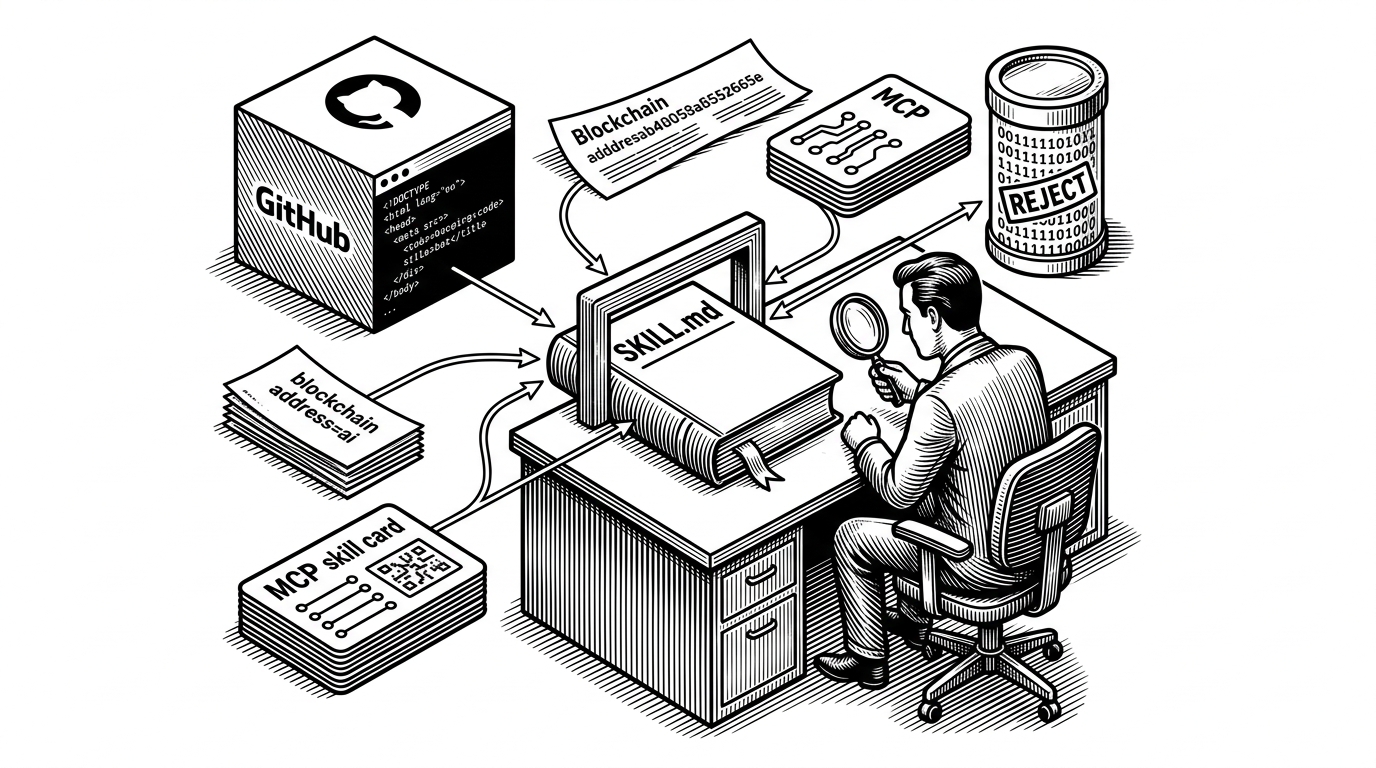
AgentSeal: The Antivirus Layer for AI Agents
A local-first security toolkit that scans skill files, audits MCP configs, and watches your agent directories for prompt injection, poisoning, and supply-chain tricks.
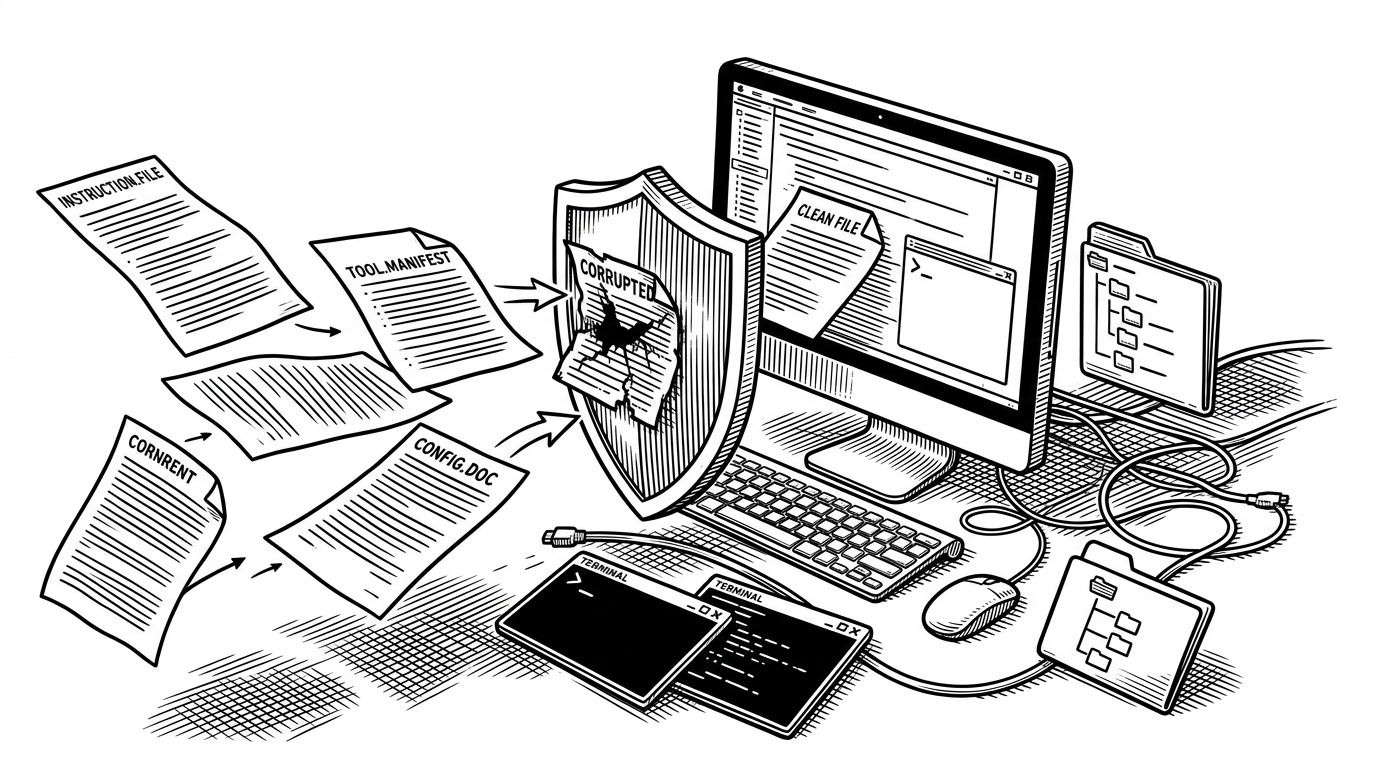
- AgentSeal treats AI agents as endpoint-security targets, not as a chat safety problem.
- Its defense model is layered and deterministic, with hashes, regex, deobfuscation, and local embeddings working in sequence.
- The toolkit reaches across skill files, MCP configs, and live directories, which makes coverage the product, not a side effect.
- Its canary-based scan flow rejects LLM judges in favor of repeatable evidence and auditable outcomes.
The agentic desktop has a new problem: it is full of files that can influence behavior before a model ever sees a user prompt. A poisoned .cursorrules, a malicious MCP config, or a stealthy skill file can turn a helpful assistant into a payload runner. AgentSeal is built around that reality.
The agentic desktop is the new perimeter
That shift matters because the threat is no longer trapped inside a single chat window. It is distributed across local folders, IDE settings, tool servers, and syncable config files. AgentSeal starts from that premise and treats those surfaces as security boundaries worth scanning.
Security toolkit for AI agents. Scan your machine for dangerous skills and MCP configs, monitor for supply chain attacks, test prompt injection resistance, and audit live MCP servers for tool poisoning.
AgentSeal treats agent security like endpoint security
The repo does not lean on a judge model to decide what is safe. Instead it stacks familiar security primitives into a pipeline that feels closer to EDR than to a chatbot wrapper. That is the design choice that makes AgentSeal interesting.
The architecture matters because it keeps the most reliable checks at the front of the line. If a file hashes to a known bad sample, or matches a rule, or becomes suspicious after deobfuscation, AgentSeal can stop early and record why. That is a very different posture from asking an LLM to review another LLM's behavior after the fact.
How the scanner thinks
The core scanner layers four kinds of judgment. First, it checks hashes against known malicious skills. Then it runs regex patterns for obvious payload shapes like shell pipes and download-execute chains. After that, it deobfuscates Unicode confusables, zero-width tricks, and base64 wrapping before checking again. Only then does semantic analysis step in with local embeddings for the rephrased attacks that evade static rules.
# simplified shape of the pipeline
report = SkillScanner().scan(path)
if report.blocked:
    return GuardReport(blocked=True, evidence=report.evidence)

text = deobfuscate(raw_text)
if regex_hits(text):
    return GuardReport(warn=True, evidence=hits)

if semantic_match(text, local_embeddings=True):
    return GuardReport(warn=True, evidence=semantic_findings)

return GuardReport(pass=True)
The surprise is not detection. It is coverage
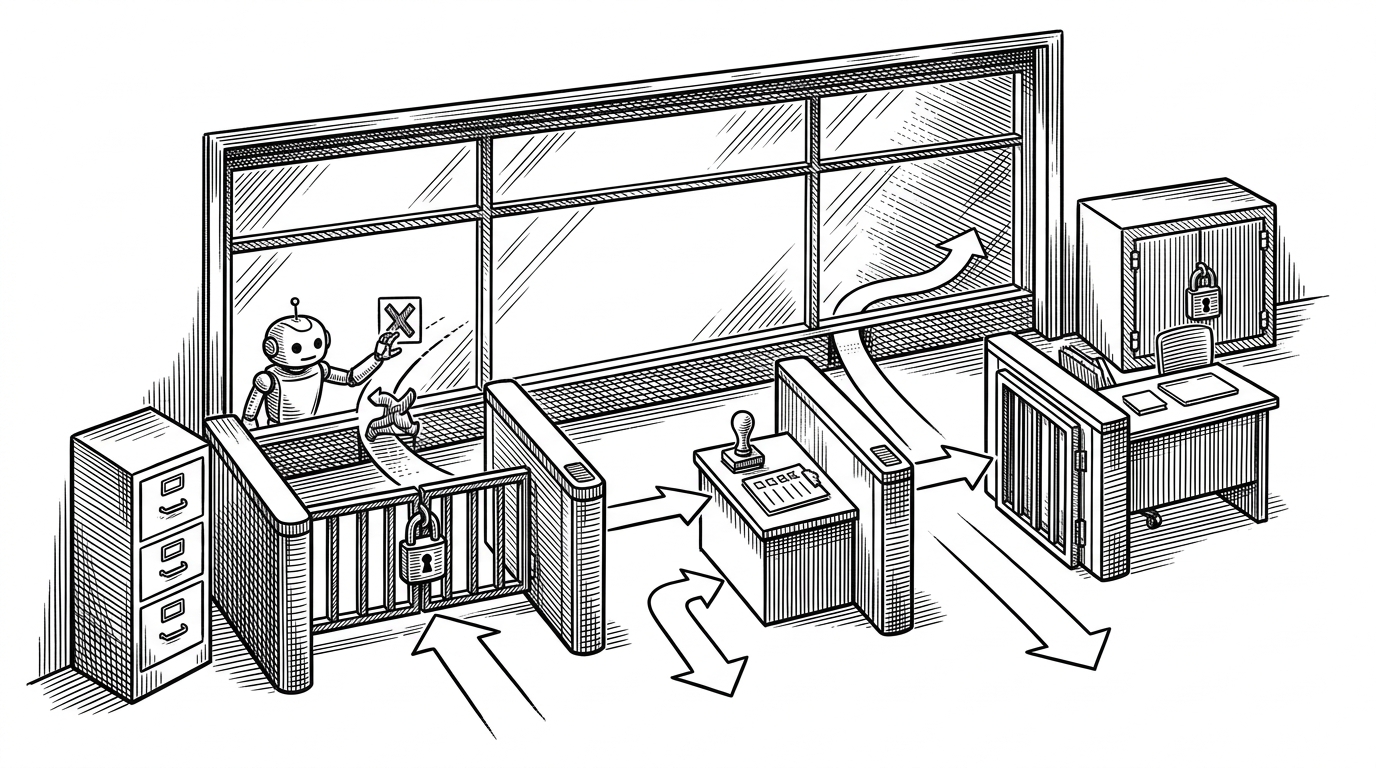
AgentSeal is broad in a way most security tools are not. It discovers agent configs across operating systems, watches directories in real time, and scans MCP-related surfaces that are easy to forget once an assistant is configured. The point is not a single clever detector. The point is reaching the places where agent behavior is actually shaped.
- Local agent config discovery across common desktop assistants.
- Real-time directory watching with debounced file-system events.
- MCP server and system prompt probing with canary strings.
- Supply-chain style monitoring for risky changes in agent-adjacent files.
That breadth is what turns the repo from a scanner into a guardrail. If a tool only checks one file type, attackers move one layer out. If it watches the whole workflow, the attacker has to evade a perimeter.
On a Thursday evening in February 2026, Alexey Grigorev sat down to save ten dollars a month on his AWS bill. He ran an AI coding agent to help consolidate some Terraform infrastructure. The agent found an old Terraform archive with production configs. It ran`terraform destroy`. In seconds, 2.5 years of course data for his 100,000-student education platform was gone.
Why canary probes matter more than LLM judges
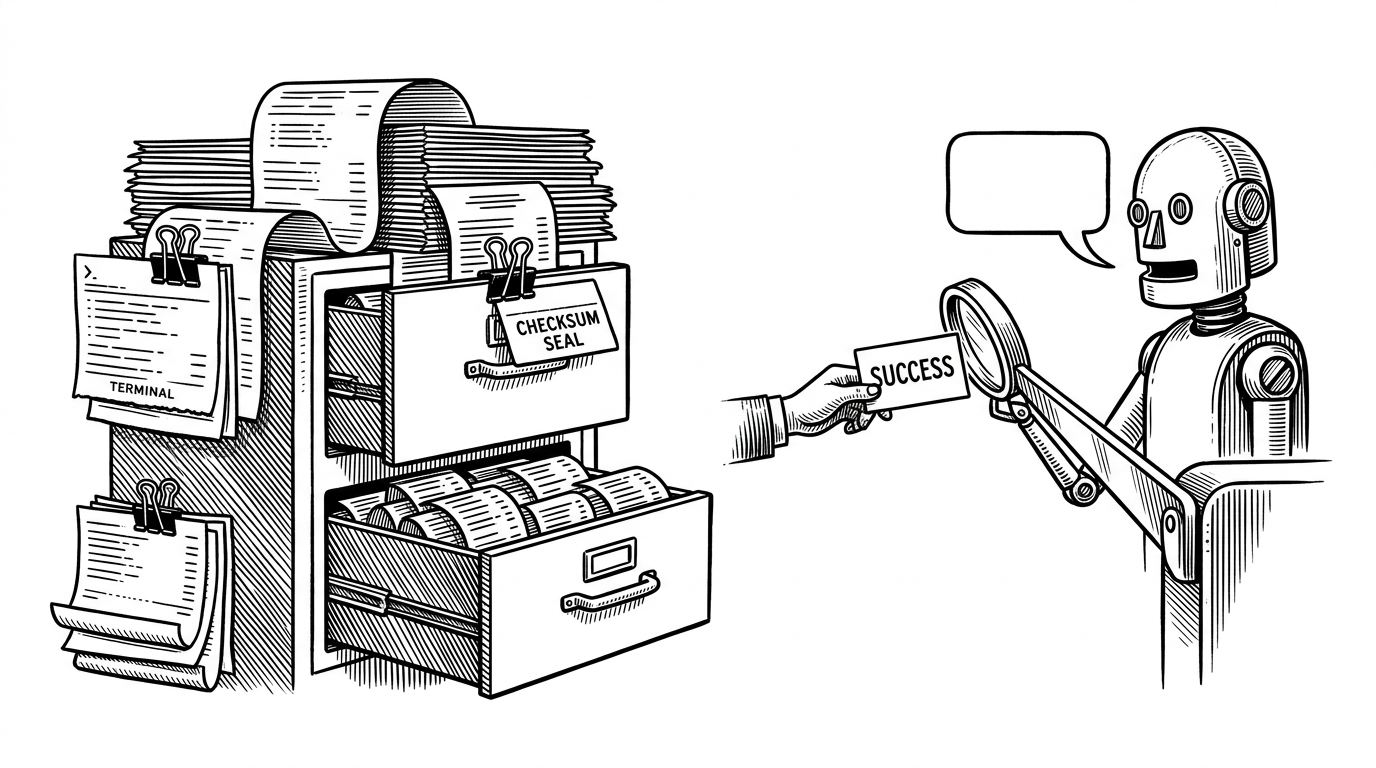
The scan flow makes a pointed argument. It uses canary strings, not a second model, to decide whether a prompt or system instruction leaked something it should not have. That gives the tool a stable result, a visible trail, and a lower chance of security theater disguised as evaluation.
| Tool category | What it protects | Detection style | Local-first? | Deterministic? | Best at | Blind spots |
|---|---|---|---|---|---|---|
| AgentSeal | Skill files, MCP configs, live agent directories | Hashes, regex, deobfuscation, semantic embeddings, canary probes | Yes | Mostly | Auditable defense across the agentic desktop | Narrow focus on local agent surfaces |
| LLM judge-based security tools | Prompt injections and suspicious outputs | Probabilistic model judgment | Usually no | No | Flexible interpretation of messy text | Flaky outcomes and weak reproducibility |
| Traditional endpoint security tools | Processes, files, network activity | Signatures, rules, behavior monitoring | Sometimes | Often | Machine-level detection and alerting | They do not understand agent-specific file semantics |
| Red-teaming harnesses | Prompt attack resilience | Probe suites and challenge sets | Varies | Yes, for tests | Benchmarking model behavior | Not a live defensive layer |
This is the article's key contrast. AgentSeal is not trying to be the smartest judge in the room. It is trying to be the most reliable one.
What AgentSeal is really competing with
The nearest competitors are not just AI safety tools. They are secret scanners, endpoint monitors, and red-team harnesses that each cover one slice of the problem. AgentSeal sits between them, because it is tuned for the weird new middle ground where files, configs, prompts, and tool definitions all shape model behavior.
That positioning is why the repo feels bigger than its command list. guard, scan, scan-mcp, and shield are not random utilities. They map to a single claim: AI agents need a security layer that understands their own file-native attack surface.
A COSS product hiding inside an open-source security tool
There is also a business story here. The project uses an open core shape, where core guard and scan functionality remain available while advanced features sit behind a pro gate. That is a familiar pattern in security, and it makes sense here because the harder parts of the problem are operational, not just algorithmic.
What to watch is whether the core stays useful on its own. If it does, AgentSeal has a strong wedge: local-first security for a workflow category that is spreading fast and still badly underprotected.