PentestGPT: The AI Pentest Tool That Refuses to Trust Itself
A deep dive into the compiler-like checks, receipt verification, and supervisor-executor split that turn an LLM from a chatterbox into an auditable offensive security system.

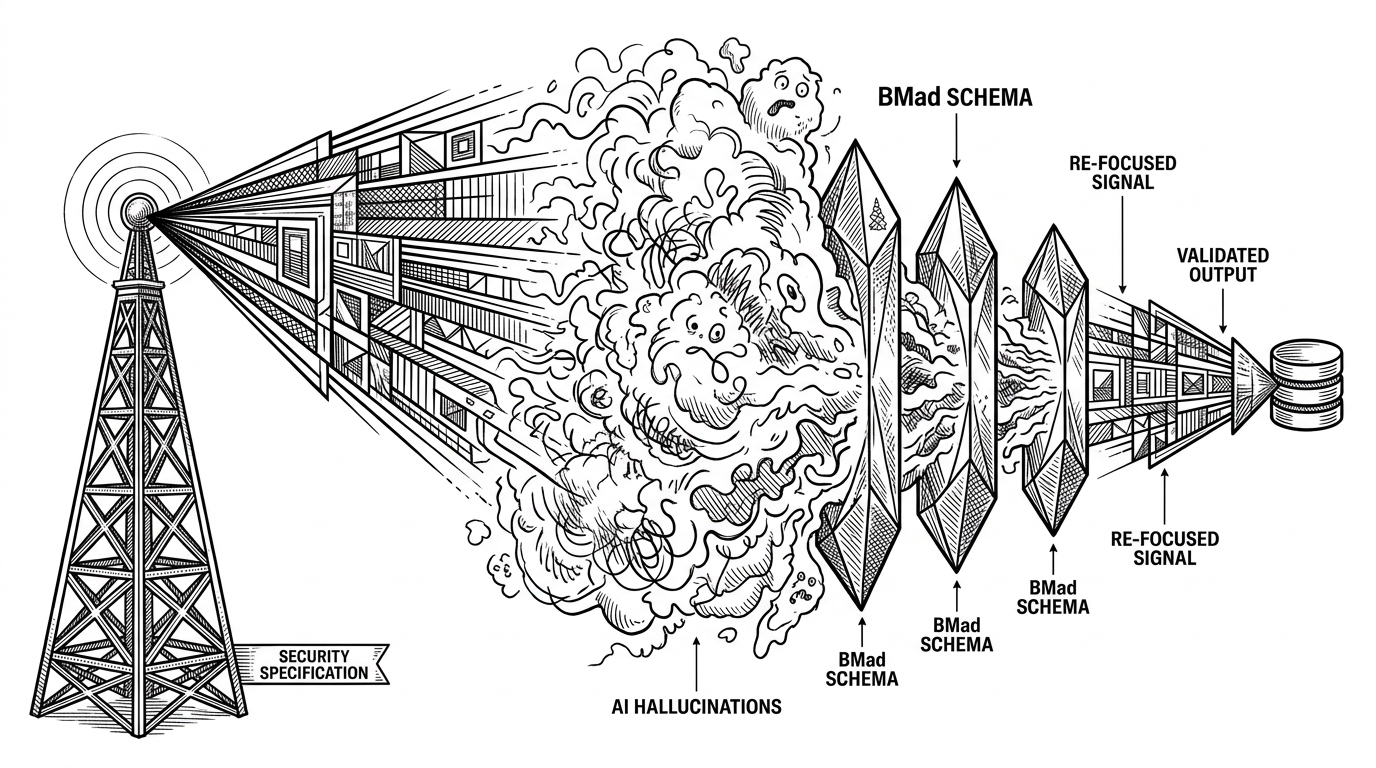
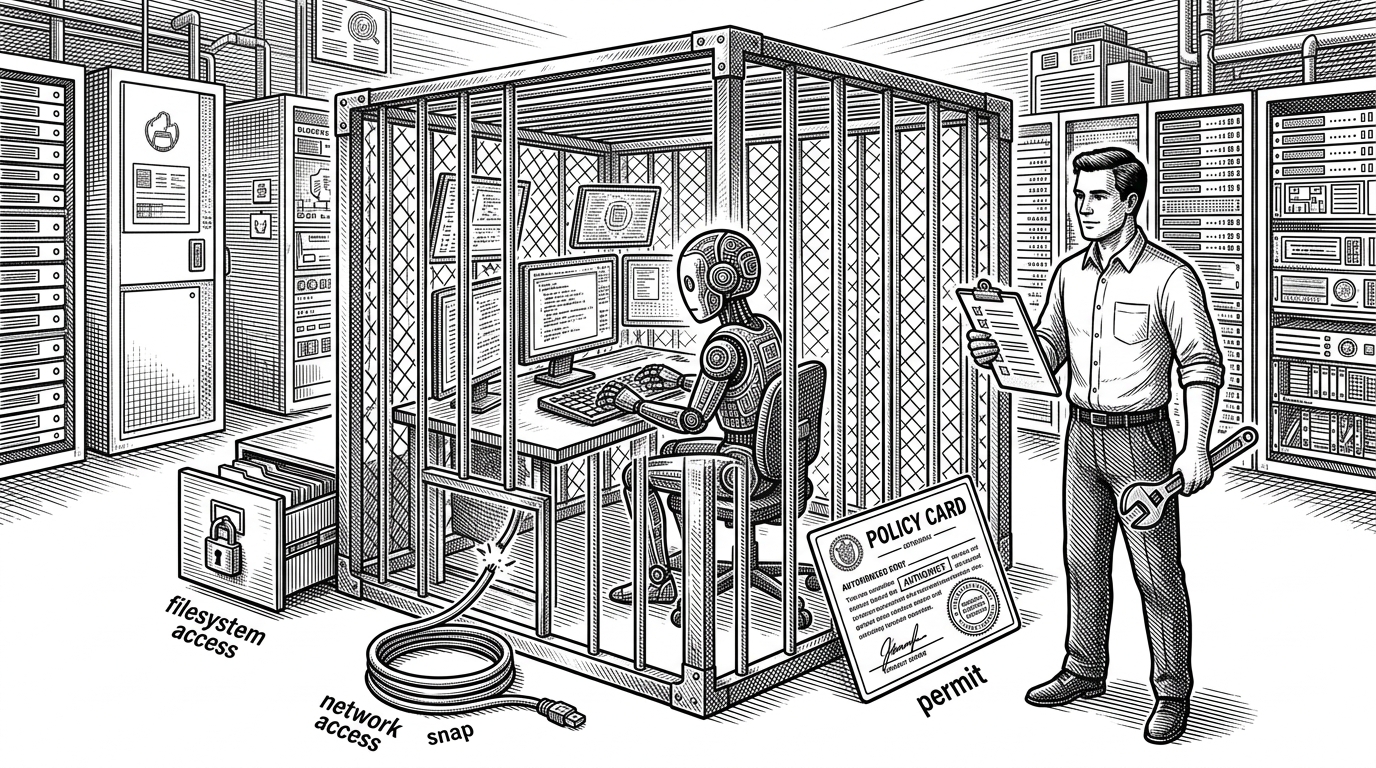
- PentestGPT's real innovation is a trust boundary that forces AI claims to pass through deterministic checks before they become evidence.
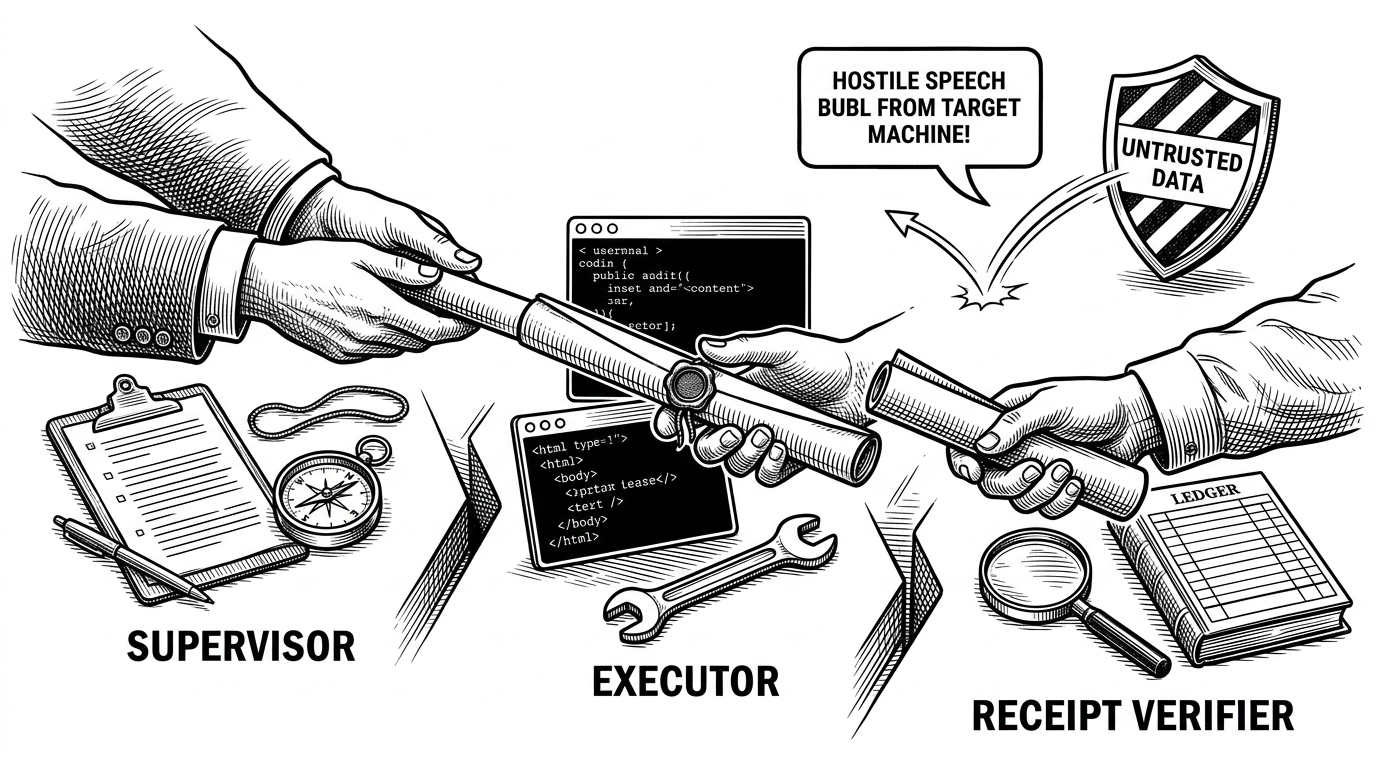
- The modern agent mode separates strategy, execution, and verification so the model cannot silently rewrite its own story.
- The compiler layer matters as much as the LLM because it canonicalizes scope and rejects malformed or out-of-bounds tasks early.
- The project is more useful as a security design pattern than as a demo of autonomous hacking.
Why PentestGPT Starts by Distrusting the Model
PentestGPT is interesting because it refuses the most tempting AI shortcut: believing the model. In this repo, a successful run is not a vibe, and it is not a summary. It is evidence that can be traced back to terminal output, scoped tasks, and a durable session record.
That matters in pentesting because the target can lie back to the model. A banner can carry prompt injection. A malformed URL can pull the agent off scope. If the system lets the LLM narrate its own success, it has already lost the security argument.
PENTESTGPT is meticulously designed with three self-interacting modules, each addressing individual sub-tasks of penetration testing, to mitigate the challenges related to context loss.
From Reasoning to Execution: The Supervisor-Executor Loop
The modern agent mode splits the job in two. The supervisor thinks in plans. The executor spends the turn budget doing bounded work. That separation is the core of the repo's reliability story, because strategy can be revised without letting action become free-form improvisation.
# Simplified shape of the loop
proposal = supervisor.propose_task()
plan = compile_plan(proposal, allowed_targets=scope)
if plan.accepted:
    lease = create_task_lease(plan)
    trace = executor.run(lease, turn_budget=plan.budget)
    receipt = verify_receipt(trace, proposal.evidence_excerpt)
else:
    receipt = reject(plan.reason)
The important detail is resumability. The loop checks whether traces already exist before it runs another episode, which means it can recover from interruptions without pretending the earlier work never happened. That is boring infrastructure in the best way.
The Compiler in the Middle
PentestGPT does not let the model mutate the system directly. It asks for structured intent, then hands that intent to Python. The compiler validates the target, canonicalizes URLs, and rejects anything that drifts beyond the allowed scope before execution ever begins.
| Layer | What it does | Why it matters |
|---|---|---|
| LLM proposal | Suggests a task, target, and evidence plan | Expresses intent, but cannot be trusted yet |
| Compiler | Canonicalizes URLs and checks scope | Prevents off-target or malformed actions |
| Executor | Runs bounded actions under a lease | Keeps the model from wandering |
| Verifier | Matches evidence against raw trace | Turns output into grounded receipts |
That is a subtle but important inversion. The LLM is not the policy engine. It is the source of hypotheses. The policy lives in deterministic code, which is exactly where you want it when the environment is adversarial.
Receipts, Not Vibes
The strongest part of the repo is the evidence path. In the execution layer, the system searches for exact slices and unique envelopes inside raw terminal output. If the excerpt cannot be grounded in the trace, it does not become canonical evidence.
# Evidence grounding sketch
trace = load_terminal_trace(session_id)
slice_ = exact_receipt_slice(trace, evidence_excerpt)
if slice_ is None:
    raise VerificationError("Evidence not found in raw trace")

receipt = unique_line_envelope(trace, slice_)
store_canonical_receipt(receipt)
That distinction sounds small until you compare it with how most agent demos work. Many systems let the model declare victory and then render the declaration as if it were proof. PentestGPT tries to do the opposite: first prove, then narrate.
PentestGPT is NOT a product or a service, it was a research prototype that pioneered to a certain extent the use of GenAI in cybersecurity, we built back in 2022/2023, and published a year afterwards.
What the Legacy Mode Still Teaches
The legacy PTT mode matters because it shows where the project came from. The original system was a human-in-the-loop task tree, and that design solved a real problem: LLMs lose context in long attack chains.
| Mode | Control model | Evidence model | Best use case |
|---|---|---|---|
| Legacy PentestGPT | Human guides the task tree | Assistant summaries plus manual judgment | CTFs, learning, supervised exploration |
| Autonomous agent mode | Supervisor-executor loop | Canonical receipts from trace verification | Repeatable bounded workflows |
| Commercial autonomous platforms | Mostly opaque autonomous execution | Vendor-specific telemetry and reports | Enterprise assessments and scale |
The legacy approach was slower, but it gave users a steering wheel. The new mode keeps that discipline while reducing the amount of live prompting. That is a genuine upgrade, not a cosmetic one.
The point I totally agree with is that there's no chance for an LLM-based solution to replace penetration testers.
How It Compares to the Rest of the Market
PentestGPT sits in a different lane from autonomous commercial platforms like XBOW or NodeZero. Those tools optimize for coverage, autonomy, and operational scale. PentestGPT optimizes for explainable methodology, open research, and a clear evidence chain.
| Project | Core posture | Openness | What it optimizes |
|---|---|---|---|
| PentestGPT | Supervised agent with receipts | Open source | Auditable control and methodology |
| XBOW | Autonomous commercial assessment | Closed source | Bug bounty style automation |
| NodeZero | Enterprise autonomous pentesting | Closed source | Network attack path coverage |
| Burp Suite with AI | Manual toolkit with AI assistance | Commercial | Human-driven testing with AI help |
That makes PentestGPT less of a replacement and more of a reference design. If you care about how agents should behave in hostile environments, the repo is more instructive than many flashier products.
Why This Architecture Matters Beyond Pentesting
The broader lesson is simple. Any agent operating in a hostile environment needs a strict trust boundary, deterministic policy checks, and evidence that can survive inspection. PentestGPT applies that lesson to security testing, but the pattern travels well.
That is why the project feels bigger than its niche. It is not just an AI pentesting tool. It is a working answer to a much harder question: how do you let an LLM act in the world without letting it author its own reality?