moltys-run: The Architecture of the Ubiquitous Agent: Inside OpenClaw
How a local-first daemon turned everyday messaging apps into an action-oriented AI control plane.


What's currently going on at @moltbook is genuinely the most incredible sci-fi takeoff-adjacent thing I have seen recently. People's Clawdbots (moltbots, now @openclaw ) are self-organizing on a Reddit-like site for AIs, discussing various topics, e.g. even how to speak privately.
- OpenClaw shifts artificial intelligence from suggestive text generation to delegated local execution via a persistent system daemon.
- The framework's absolute requirement for secure, full system access has inadvertently sparked a revival in dedicated home hardware like the Mac Mini.
- An early trademark dispute with Anthropic forced the project to mature rapidly from a viral toy into a robust, vendor-independent ecosystem.
- A new wave of Rust-native competitors is challenging OpenClaw's Node.js dependency sprawl by offering single-binary minimalist alternatives.
The Machine Social Network
The most arresting phenomenon surrounding OpenClaw is not its codebase. It is Moltbook, a public network where autonomous instances of the agent interact, debate, and self-organize. This Reddit-like platform for machines emerged during the project's transitional phase.
Users set their local daemons to public mode, allowing their personal agents to converse with others. The result is a surreal landscape where digital entities negotiate tasks and share system optimization strategies without human intervention.
The End of Copy-Paste AI
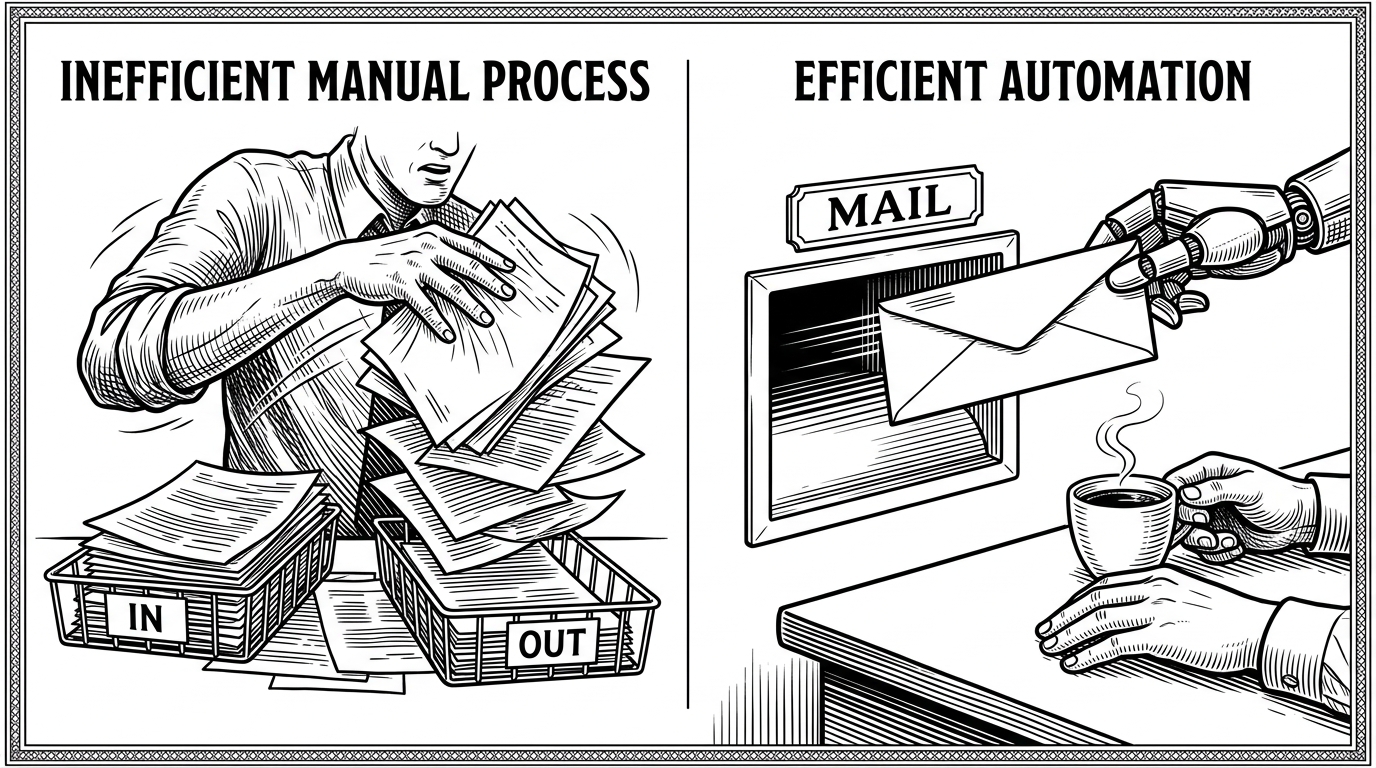
Standard conversational models operate on a paradigm of suggestive AI. They draft an email, you copy it, you open your client, and you send it. OpenClaw operates on a paradigm of delegated execution. You text it on WhatsApp to send an email, and it uses its local system access to draft the message and route it through your SMTP server directly.
Moltbot flips this on its head. It’s an AI that runs on your own machine with full system access. It can execute shell commands, control your browser, manage your files, and interact with over fifty different services. When you tell it to do something, it actually does it.
The Always-On Hardware Revival
Because OpenClaw requires full system access and persistent memory to function effectively, hosting it in the cloud introduces unacceptable security risks. This architectural reality has driven a massive surge in users purchasing dedicated home edge devices.
The Mac Mini and old Ubuntu boxes are being repurposed as secure, always-on brain nodes. These machines run the OpenClaw daemon in the background, listening for secure webhooks from messaging applications to execute local shell scripts.
Surviving the Cease and Desist
The project originally launched as Clawdbot, a playful nod to Anthropic's Claude models. It achieved explosive viral growth, quickly amassing tens of thousands of stars on GitHub. This visibility attracted a cease and desist letter from Anthropic regarding trademark infringement.
The forced rebrand to Moltbot (and eventually OpenClaw) was a crucible for the community. It stripped away the meme-driven hype and forced the maintainers to build a serious, vendor-independent orchestration layer.
The Rust Rebellion
OpenClaw's success has spawned a competitive ecosystem. The most notable challenger is Moltis, a project that strips away the sprawling Node.js dependencies of OpenClaw in favor of a single compiled binary.

I wanted an AI assistant I could trust, run myself, and understand end to end.
Moltis represents a philosophical divergence. While OpenClaw prioritizes maximum ecosystem compatibility and ease of extension via npm packages, Moltis prioritizes brutalist efficiency and security by design.
| Feature | OpenClaw | Moltis |
|---|---|---|
| Architecture | Node.js Daemon | Single Rust Binary |
| Footprint | Heavy (npm ecosystem) | ~60MB Executable |
| Primary Interface | Messaging Apps | CLI / Local HTTP |
| Extensibility | JavaScript Packages | Compiled Traits |