The Local-First AI Control Plane: Inside nexu-io/nexu
How a TypeScript desktop client tames the OpenClaw runtime to bring private, autonomous agents to everyday messaging apps.
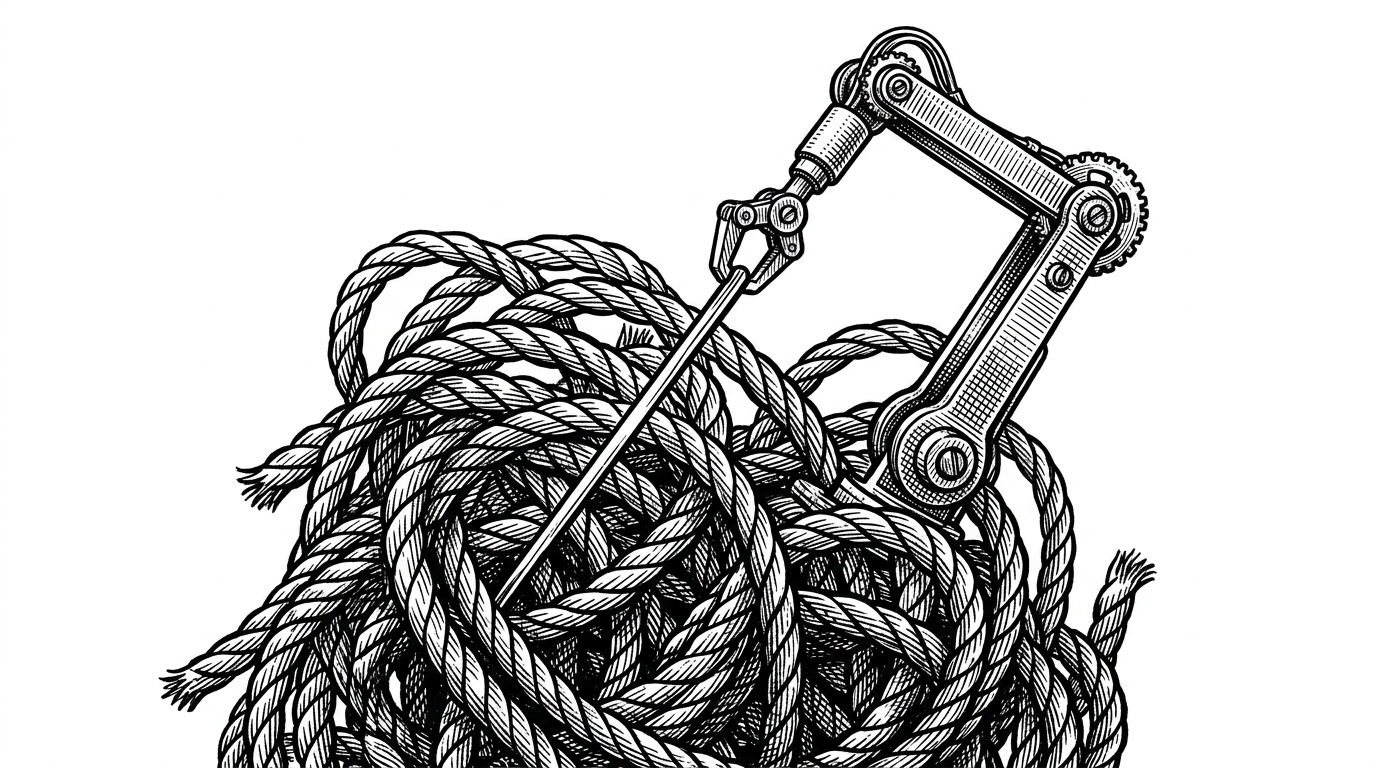
- Nexu isolates the GUI from the AI runtime using a sidecar architecture to prevent user interactions from crashing the agent.
- A custom 500-line TypeScript compiler automatically patches known OpenClaw vulnerabilities and generates stable configurations on the fly.
- Local-first storage ensures message history and API keys never leave the user's machine, eliminating reliance on hosted SaaS middleware.
The Sidecar Paradigm
Building a graphical interface for a headless AI engine is a fragile endeavor. Nexu solves this by treating the OpenClaw process as a completely isolated sidecar. The desktop shell manages the lifecycle of the underlying services without tying its own stability to the AI runtime.
To prevent restart storms when a user rapidly toggles settings, Nexu implements a settling buffer. A sophisticated boot sequence parallelizes process cleanup and plugin preparation, holding rapid configuration changes for three seconds before merging them into a single command.
The 500-Line Compiler
OpenClaw is notorious for its complex YAML requirements and undocumented edge cases. Rather than forcing users to learn these intricacies, Nexu acts as a real-time translation layer.
We've been running OpenClaw for months and hit all 17 known pitfalls. So we built Nexu — an open-source desktop client that auto-fixes every one of them.
The application compiles user GUI choices into patched, error-free OpenClaw configurations. This includes injecting safeguard context compression strategies and pre-loading channel plugins to avoid unnecessary restarts.
The Middleware Trap
The AI industry heavily pushes hosted platforms that lock up data and charge per seat. Nexu proves that a local-first desktop application can orchestrate complex AI workflows better and more privately.
| Feature | Hosted SaaS | Nexu Desktop |
|---|---|---|
| Data Privacy | Vendor Servers | Local Machine (lowdb) |
| Model Strategy | Vendor Locked | Bring Your Own Key |
| Setup Complexity | Low | Low (GUI driven) |
By utilizing a local JSON database and a Bring Your Own Key model, Nexu ensures that proprietary data and message histories never leave the developer's hardware.