AIRI: The Open-Source “Soul Container” Trying to Turn AI Into a Digital Being
A monorepo for embodied companions, where one TypeScript core can wear different bodies, speak with a cloned voice, and step into worlds like Minecraft.
- AIRI is not organized around chat, but around a portable identity that can inhabit multiple surfaces without losing continuity.
- Its most unusual trick is a self-documenting codebase, where embedded skills help the agent understand the tools it runs on.
- The Stage abstraction makes web, desktop, and mobile feel like different bodies for the same core personality.
- The hard problem is orchestration, because body, voice, memory, and action all have to stay in sync.
AIRI is easiest to misunderstand if you treat it like another AI companion. The repo is aiming at something stranger: a self-hosted digital being with a stable identity, multiple bodies, and enough modality to speak, see, and act in the world.
Self hosted, you-owned Grok Companion, a container of souls of waifu, cyber livings to bring them into our worlds, wishing to achieve Neuro-sama's altitude.
That phrase, "container of souls," is doing a lot of work. It suggests that the model is only one layer in the stack, and that the real product is the continuity between memory, persona, voice, and body. AIRI is not trying to win on prompts alone. It is trying to make the agent feel inhabitant-like.
Why AIRI Feels Less Like an App and More Like a Body
The project is built around embodiment. The README frames AIRI as a way to own a "digital life" that can exist "anywhere, anytime," and the codebase reflects that ambition in its surface area: avatar rendering, speech, game interaction, web delivery, and desktop packaging all sit in the same repository.
Perhaps you know Neuro-sama already. She is currently the best virtual streamer capable of playing games, chatting, and interacting with you and the participants. Some also call this kind of being "digital human." Sadly, as it's not open sourced, you cannot interact with her after her live streams go offline. Therefore, this project, AIRI, offers another possibility here: let you own your digital life, cyber living, easily, anywhere, anytime.
That is the core thesis. AIRI is not a chatbot wrapped in a cute shell. It is an attempt to make companionship persistent and user-owned, with the model, the interface, and the runtime shaped as one system instead of separate products.
The Stage Abstraction: One Soul, Many Bodies
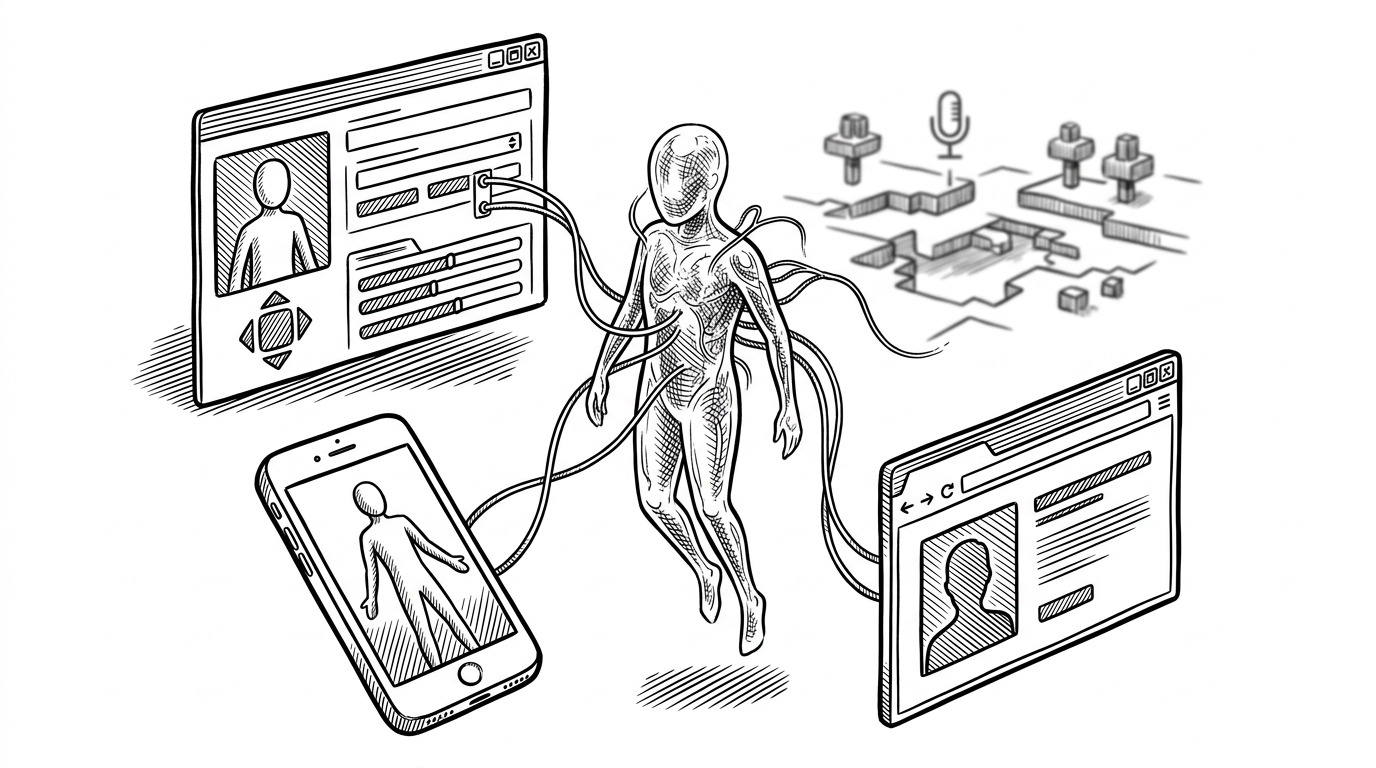
The repo's architecture makes the metaphor concrete. AIRI splits the experience into stages such as stage-web, stage-tamagotchi, and stage-pocket. The point is simple and powerful: the same core identity can inhabit different environments without being rewritten for each one.
| Stage | What it gives the agent | Why it matters |
|---|---|---|
| Web | Browser access, portability, and lower-friction onboarding | Fastest path to trying the companion |
| Desktop | Native integrations and richer rendering through Electron | Best fit for persistent presence and local control |
| Mobile | Pocketable access to the same identity | Turns companionship into something ambient |
This is what makes the project feel less like product skews and more like an identity system. The body changes. The agent does not.
The Repo Teaches the Agent How to Use Itself
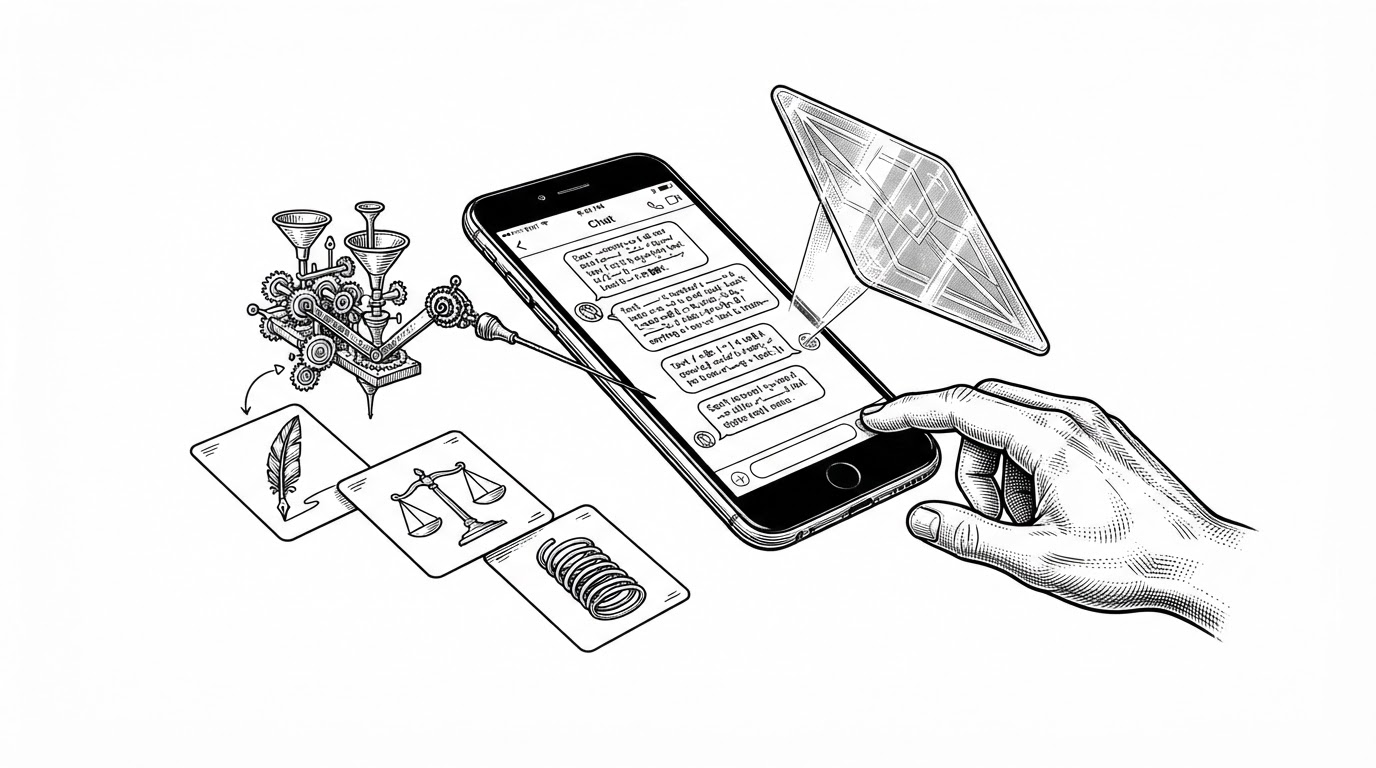
The most unusual layer lives under .agents/skills/. These are not just docs for humans. They look like context material for the agent itself, a way to inject library knowledge, conventions, and environment constraints into the system that is supposed to act inside the repo.

That is the aha moment. AIRI is trying to be self-aware in a practical sense, not a philosophical one. If the agent needs to update a Vue component, handle a CLI pattern, or respect a package convention, the knowledge is already co-located with the code.
.agents/skills/
  vueuse-functions/SKILL.md
  unocss/SKILL.md
  pnpm/SKILL.md
  ...
In a normal repository, documentation explains the system to the developer. Here, documentation also appears to be part of the system's working memory. That is a small but consequential shift.
Brain, Ears, Mouth, Body
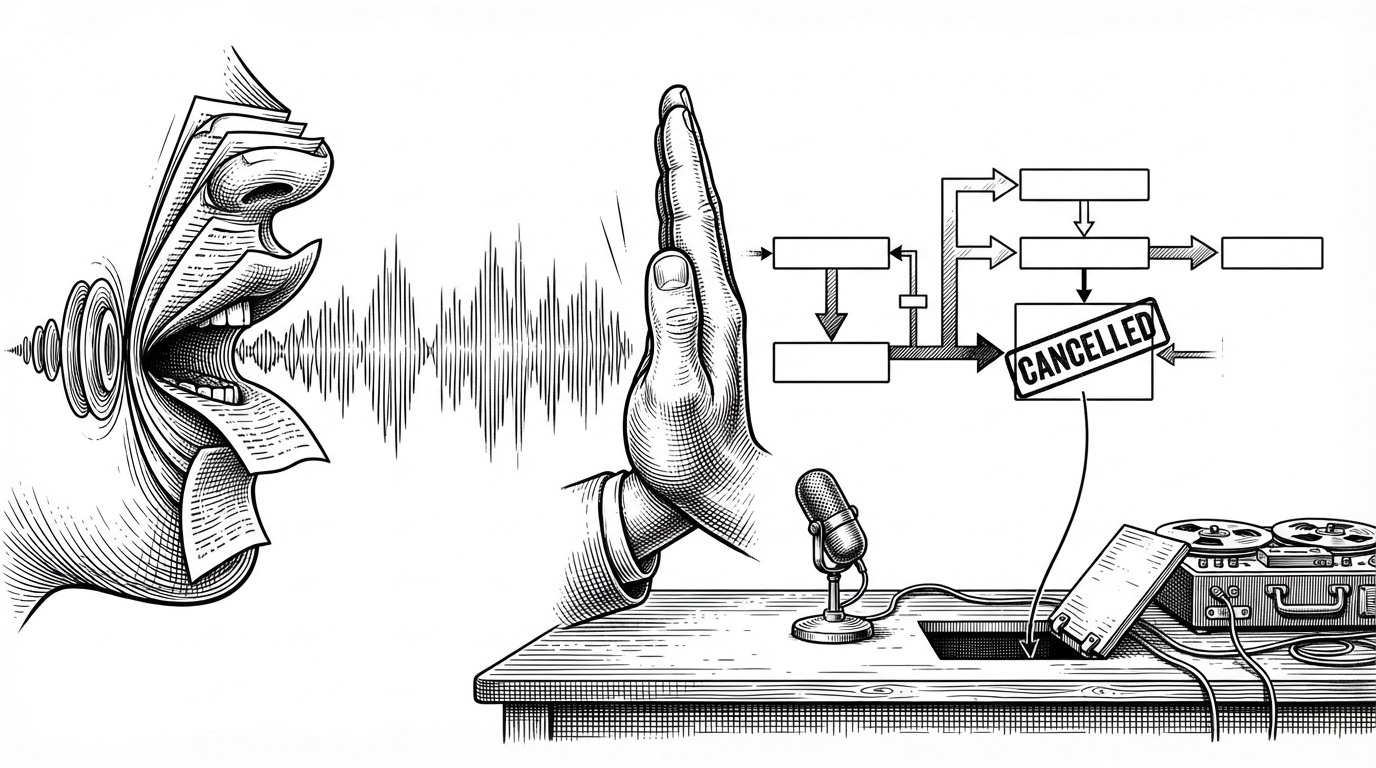
AIRI's multi-modal loop is the real engineering story. It takes in speech, visual context, and environment signals. It then routes those through reasoning, memory, and policy before producing voice, animation, and game-world actions.
The repository's labels and docs make this explicit. Audio, vision, voice synthesis, avatar control, and Minecraft bot behavior are treated as pieces of one pipeline. That matters because the product only works if each part stays synchronized under real-time pressure.
Why TypeScript, Electron, and Web Tech Are the Point
The stack choices are strategic. TypeScript lets the project share types across the core experience, UI, and bot-like services. Electron gives the desktop stage room to feel native enough for an always-on companion. Web tech keeps the system reachable from the browser and easier to compose across surfaces.
| Choice | What it optimizes | What it costs |
|---|---|---|
| TypeScript monorepo | Shared contracts across stages and tools | More surface area to keep consistent |
| Electron desktop stage | Cross-platform presence and native integrations | Overhead compared with a pure native client |
| Web-first runtime | Low-friction access and portability | Less direct control over hardware |
That tradeoff is the point. AIRI is willing to pay complexity in order to keep the core portable. The repo is betting that a companion is more valuable when it can move between browser, desktop, and mobile without becoming a different character in each place.
The Competitive Set Is Not What AIRI Is Really Competing With
The obvious comparison is chat companions like Character.ai or SillyTavern. Those products are strong at conversation and roleplay, but AIRI is aiming at a broader surface area: embodiment, voice, visual presence, and game-world agency. It is also closer in spirit to open-source VTuber tooling than to a simple chatbot.
| Category | Typical focus | Where AIRI differs |
|---|---|---|
| Chat companions | Conversation and persona | AIRI pushes into body, voice, and action |
| VTuber tooling | Avatar presence and stream control | AIRI couples the avatar to a persistent agent core |
| AIRI's own stages | One identity across surfaces | The same soul moves across web, desktop, and mobile |
That last comparison is the most important. AIRI is not just competing with other projects. It is competing with the assumption that an AI companion has to live in one interface, one window, or one channel.
The Real Constraint Is Orchestration
The hard part is not finding a model. It is keeping everything aligned. Voice, memory, perception, avatar state, and external action all have to move together fast enough that the companion feels coherent instead of stitched together.
That is why AIRI is interesting even before every subsystem matures. It treats companionship as a systems problem, not a prompt problem. And that means the real work is coordination: a body that reacts, a voice that lands, a memory that persists, and a core identity that survives the move from one stage to the next.