AI-For-Bharat: ContentIQ: The AI Content Dashboard That Refuses to Trust One Model
A deep look at how AI-For-Bharat combines search, fallback generation, niche trend detection, and async video orchestration into one unusually pragmatic content engine.

- ContentIQ’s core idea is routing, not prompting, so the app chooses between search, synthesis, and analysis based on what will make the output more credible.
- The generation API is the real product, because it unifies image retrieval, synthetic fallback, video generation, and video-to-text analysis behind one decision tree.
- The repo’s strongest quality move is search-first image grounding, which treats hallucination as a workflow problem instead of just a model problem.
- Video intelligence becomes more useful when it combines retention analysis with niche-specific trend context, not when it merely reports raw metrics.
The real product is a decision engine
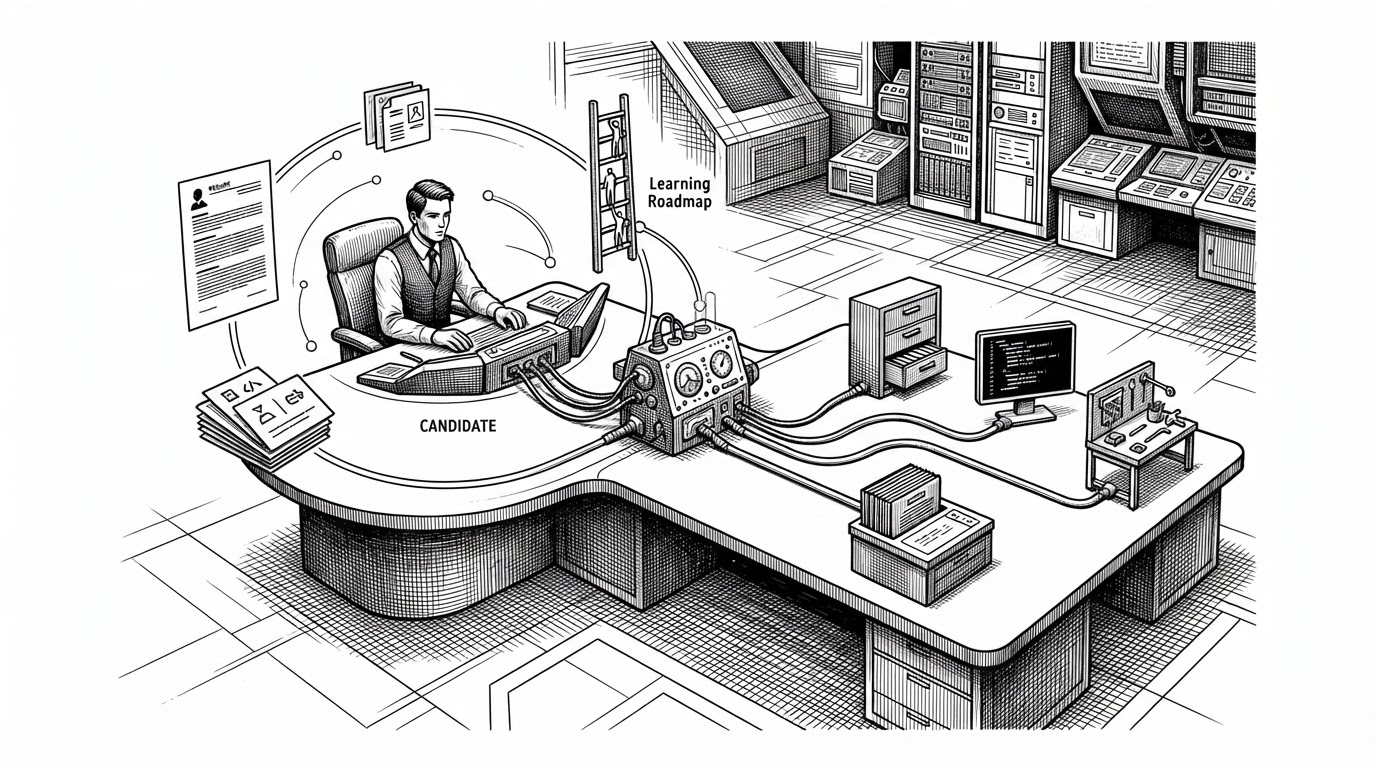
ContentIQ looks like a dashboard, but its defining behavior is upstream of the UI. It decides whether to search, generate, analyze, or fall back, which makes it feel more like an orchestration layer than a generic AI content tool.
That matters because most content apps begin with a prompt box and end with a result. This repo starts with a question: what is the most useful path for this content, given the input, the modality, and the chance that a model will invent something flimsy?
Why the generation route matters more than the UI
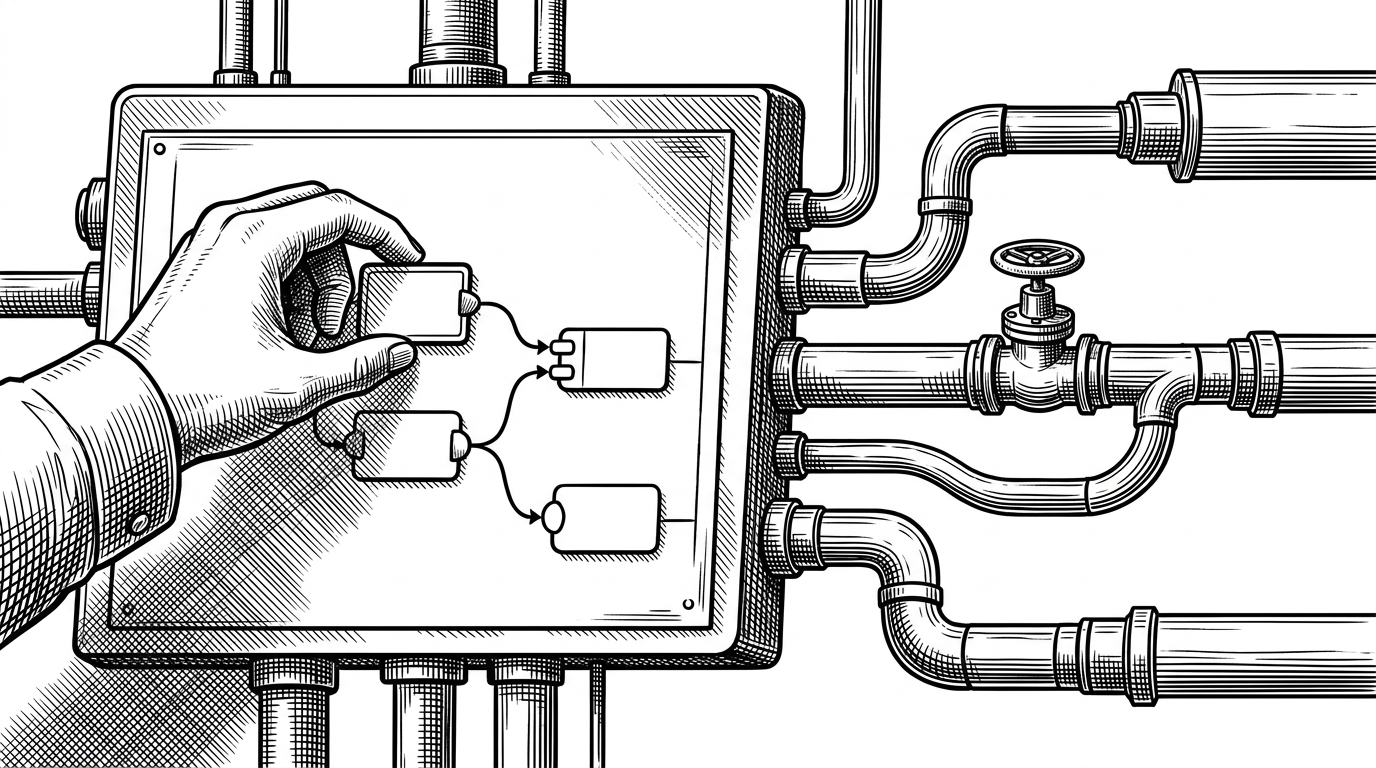
The most important file in the repo is app/api/generate/route.ts. It acts as a unified gateway for text-to-image, text-to-video, and video-to-text, and it does so with a clear preference hierarchy instead of a single generative bet.
// Simplified routing logic
if (intent === 'image') {
  const searchResults = await fetchRealImages(query);
  if (searchResults.valid) return searchResults;
  return await generateFallbackImage(query);
}

if (intent === 'video') {
  const job = await startBedrockAsyncVideoJob(prompt);
  const result = await pollUntilComplete(job.id);
  return await fetchVideoFromS3(result.s3Uri);
}

if (intent === 'analysis') {
  const transcript = await geminiVideoToText(input);
  const niche = detectNiche(input.filename);
  const trends = await fetchTrends(niche);
  return generateVerdict(transcript, trends);
}
The clever trick: real-world images first, synthetic images second
This is the repo’s sharpest product choice. Instead of defaulting to generation, ContentIQ tries to ground image output in real web results first through Serper, and only falls back to Stability AI when the retrieval path cannot produce something usable.
| Approach | What it optimizes for | Weakness | ContentIQ’s advantage |
|---|---|---|---|
| Prompt-only content tools | Speed and novelty | They can drift, flatten, or repeat familiar AI aesthetics | ContentIQ can validate against real-world assets before generating anything |
| Single-model generation stacks | One clean interface | Every failure mode becomes the model’s failure mode | ContentIQ can switch paths when the first choice is weak |
| ContentIQ hybrid orchestration | Usefulness and groundedness | More moving parts than a pure wrapper | It chooses the path that best fits the task, not the path that is easiest to demo |
That difference is subtle, but it changes the product. A prompt-first tool asks, "What should I generate?" ContentIQ asks, "Should I search, synthesize, or analyze this at all?"
Video intelligence turns performance into a verdict
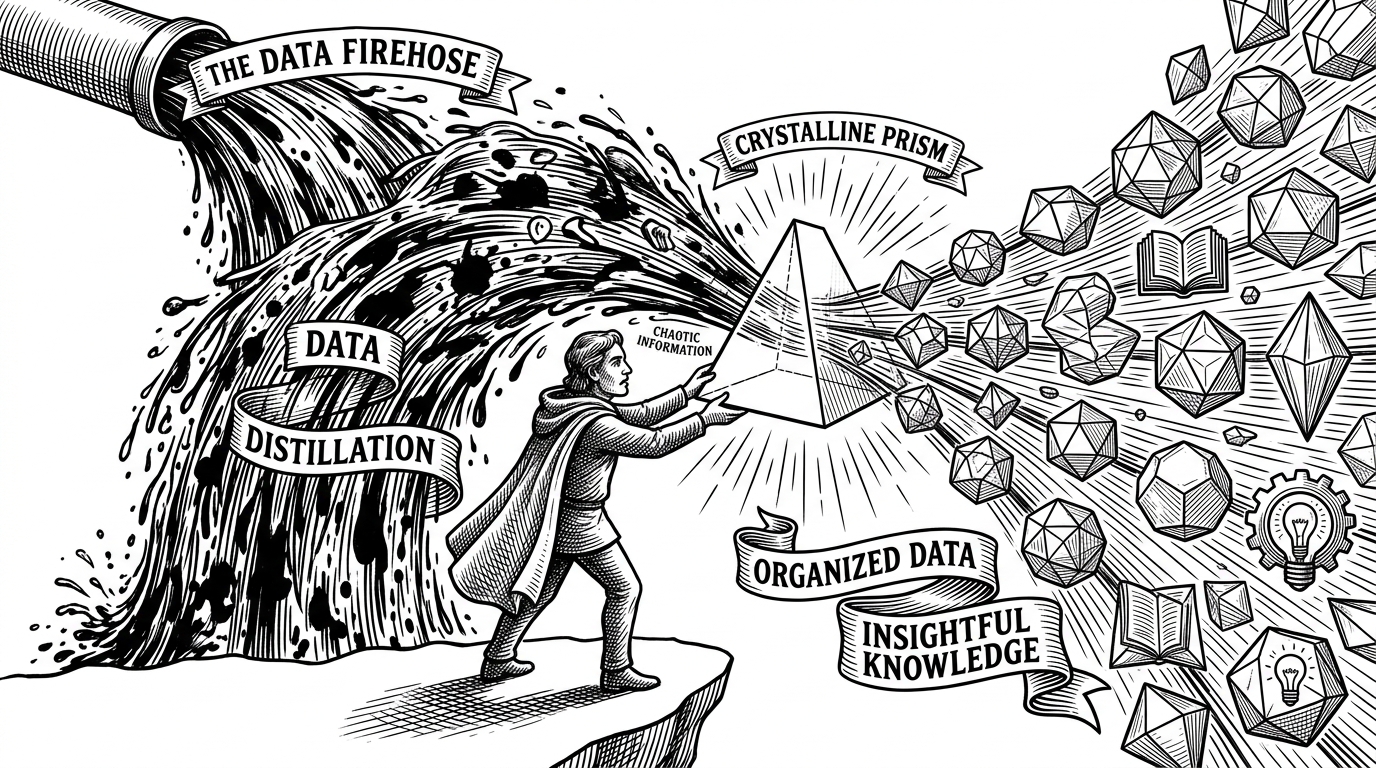
The video-intelligence page pushes the idea further. It does not just plot a retention curve. It detects a niche from the filename, fetches trend context for that niche, and feeds both into a verdict layer that judges the video against its market, not against an abstract benchmark.
| Layer | What it sees | Why it matters |
|---|---|---|
| Retention analysis | Where viewers drop off | Shows whether the video holds attention |
| Niche detection | The likely content category | Prevents generic feedback |
| Trend injection | Current topic signals for that niche | Turns analysis into advice |
| Verdict generation | Retention plus trend context | Makes the output feel decision-ready |
That is a more useful feedback loop than a raw chart. The app is trying to say not just whether a video performed, but whether it fit the moment in its category.
The dashboard is a command center, not a destination
The dashboard page packages the system into something that looks credible to a creator or operator. Recharts, mock data, modular components, and a clean Next.js App Router structure make it feel like an internal product that could already support a small team’s workflow.
// Dashboard-level composition, simplified
import { LineChart, BarChart } from 'recharts';
import { CHART_DATA } from '@/lib/mock-data';

export default function DashboardPage() {
  return (
    <main>
      <OverviewCards />
      <LineChart data={CHART_DATA} />
      <BarChart data={CHART_DATA} />
      <RecentInsights />
    </main>
  );
}
The rough edges matter, too. The repository reads like a prototype with serious intent. The UI is polished, but the deeper story is still that the system is proving out the workflow before it has fully proven out the product.
Where ContentIQ fits in the AI tooling landscape
Compared with prompt-only generators, ContentIQ is trying to be more selective. Compared with thin AI wrappers, it is trying to be more operational. Compared with generic social tools, it is trying to make the decision path visible, because the path is the value.
| Category | Typical behavior | ContentIQ behavior |
|---|---|---|
| Prompt-first tools | Generate immediately | Checks whether search or analysis is the better first move |
| Simple media wrappers | Expose one model through one form | Routes tasks through multiple services and fallbacks |
| Generic dashboard tools | Show metrics after the fact | Uses metrics plus niche trends to shape a verdict |
That is the bigger lesson. The durable advantage in this repo is not model selection. It is the logic that decides when a model should be used at all.
What this repo is really teaching
ContentIQ is a reminder that good AI products are often choreography, not magic. The architecture matters because it protects output quality, and the UI matters because it makes those choices legible to the person using it.
If there is a takeaway worth keeping, it is this: do not optimize only for generation. Optimize for the handoff between search, synthesis, and evaluation. That is where trust gets built.