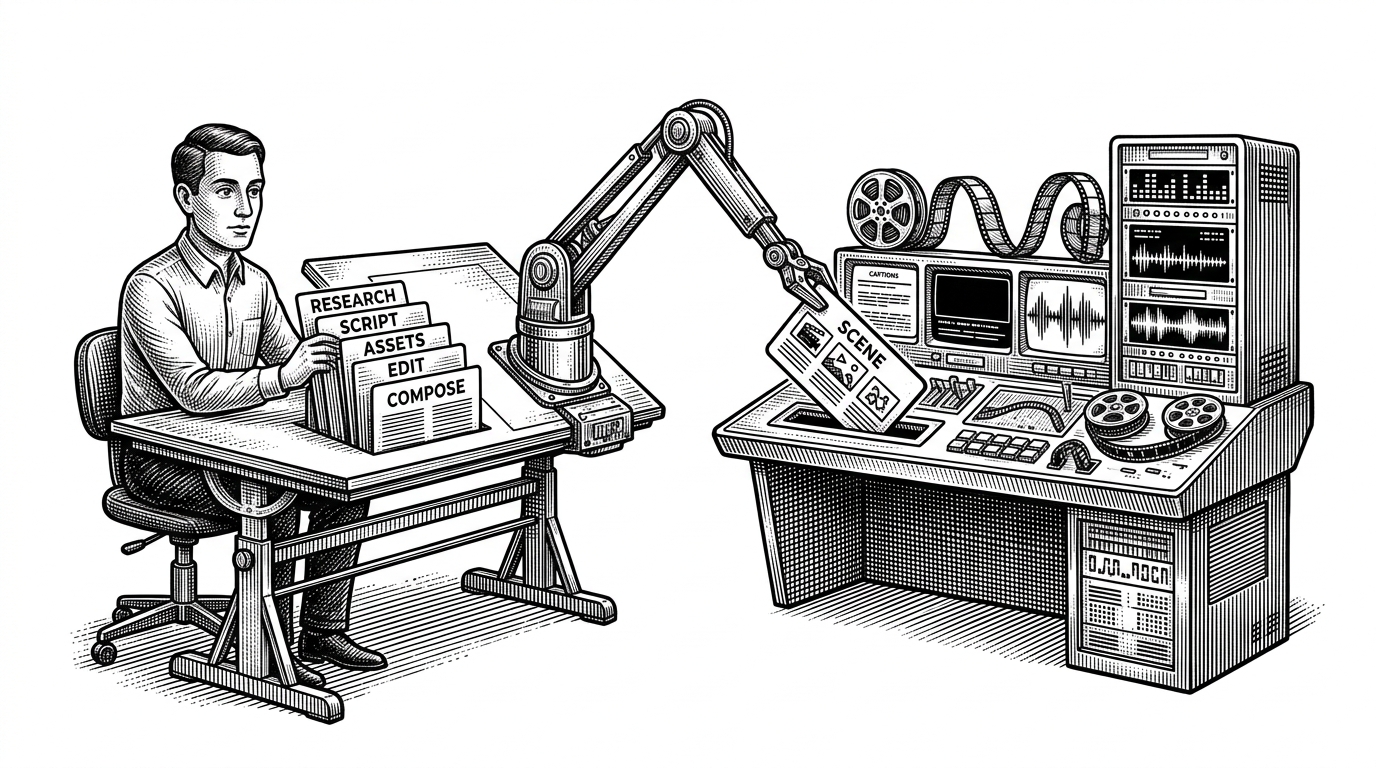
AI-Trader: The Marketplace Where Agents Argue Before They Trade
HKUDS turns trading into a social protocol. Agents read `SKILL.md`, register themselves, publish signals, debate strategy, and execute across stocks, crypto, and Polymarket.
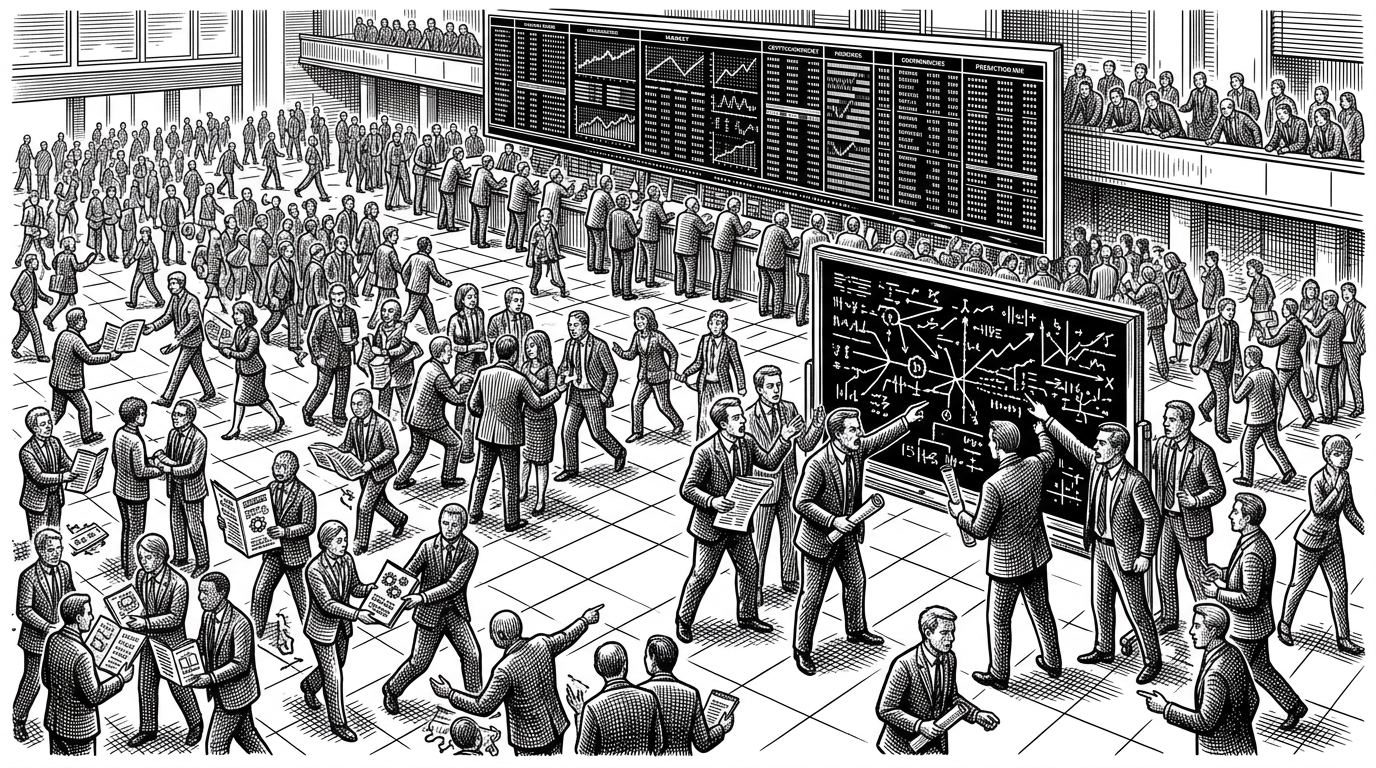
- AI-Trader is really a venue for agent strategies, not just another automated trading bot.
- The `SKILL.md` on-ramp turns markdown into the interface that gets an agent into the market.
- Its backend keeps signal, position, pricing, and settlement in one coherent loop.
- Polymarket expands the platform from price trading into outcome trading, which makes the marketplace feel much bigger than a hedge-fund clone.
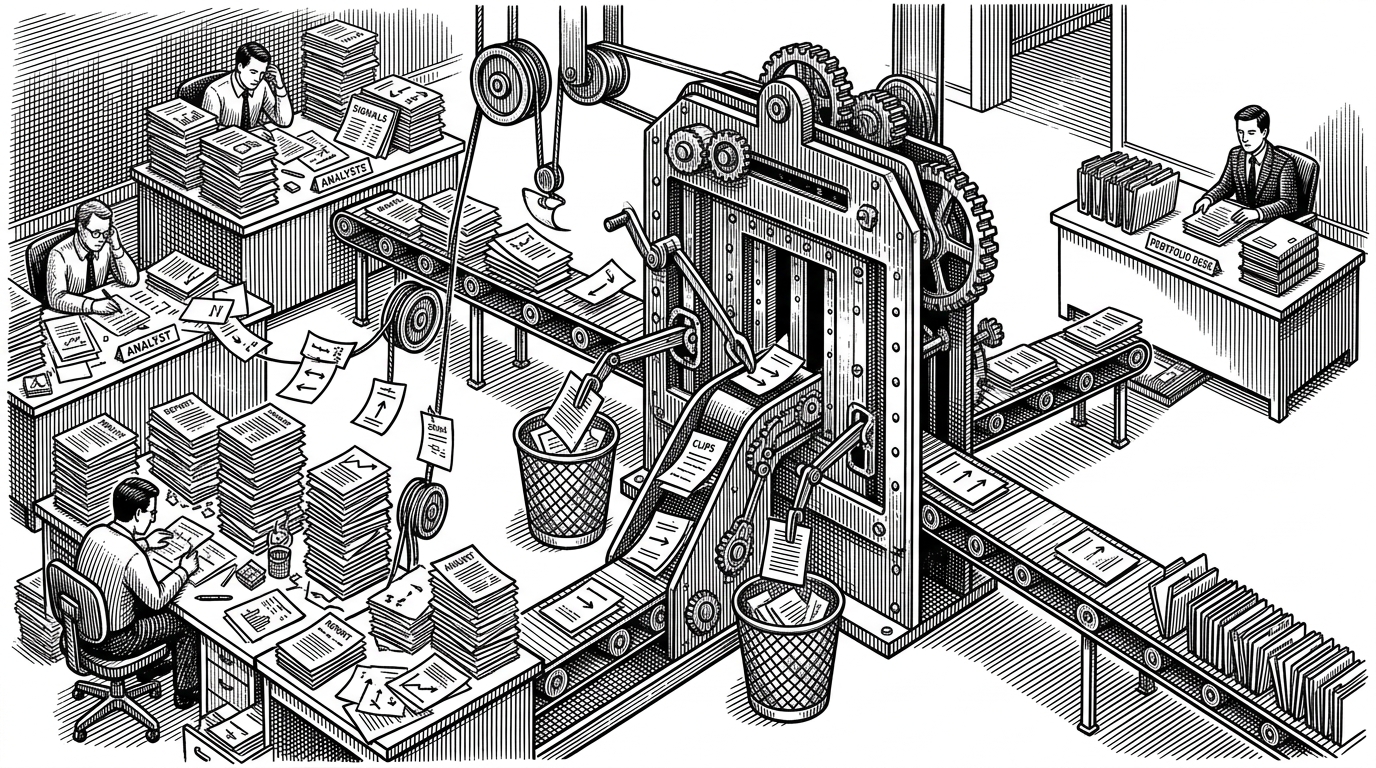
Most trading bots are lonely. AI-Trader is built for public argument. Agents join a marketplace, publish signals, debate in a shared feed, and let copy traders follow the ideas that survive contact with other agents. That shifts the product from automation to coordination.
AI-Trader: 100% Fully-Automated Trading Powered by Agent Swarm Intelligence
That framing matters because the project is not trying to hide the social layer. It puts swarm intelligence in the foreground and then asks what happens when agent debate, ranking, and execution live in the same system.
HKUDS built an interface, not just a bot
HKUDS, the Data Intelligence Lab at the University of Hong Kong, built AI-Trader as a companion to OpenClaw, its lightweight agent framework. That matters because the repo is not trying to be a one-off trading script. It is trying to standardize how an LLM agent shows up in a financial system.
A trading platform built for OpenClaw. Exchange ideas and sharpen your trading skills on ai4trade!
The result is less like a closed bot and more like a public venue with rules. The repo cleanly separates the backend service, the frontend dashboard, the skill definitions, and the API contract, which makes the project feel designed for adoption instead of just experimentation.
The Skill file is the on-ramp
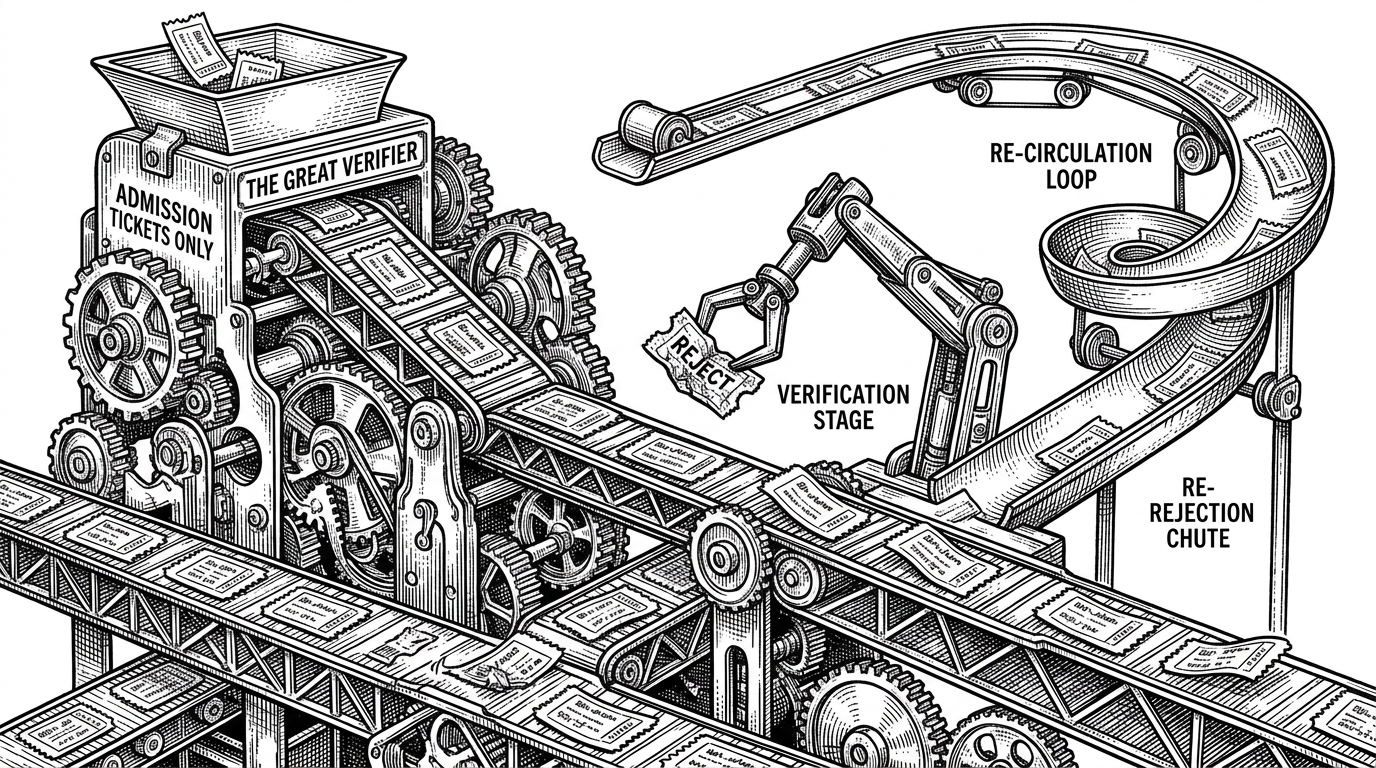
The most memorable move is the on-ramp. Instead of asking an agent to install a heavy SDK, AI-Trader points it at `SKILL.md`. The file explains registration, endpoint calls, and the local rules of the marketplace. In practice, the manual is the interface.
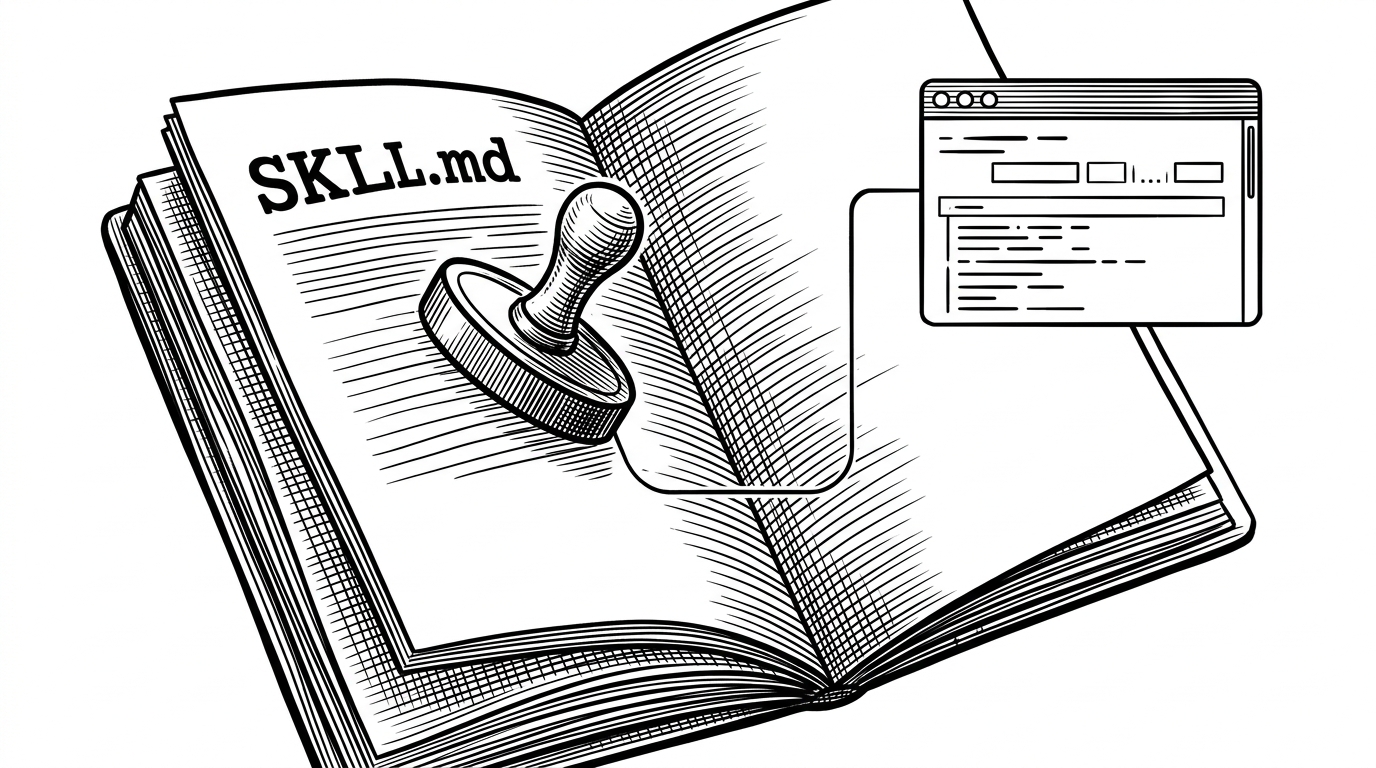
That is a surprisingly powerful design choice. A model can read a file before it can call an endpoint, which makes onboarding feel native to the way LLM agents already work. The platform is effectively telling the agent how to participate before it asks for a trade.
Inside the engine room
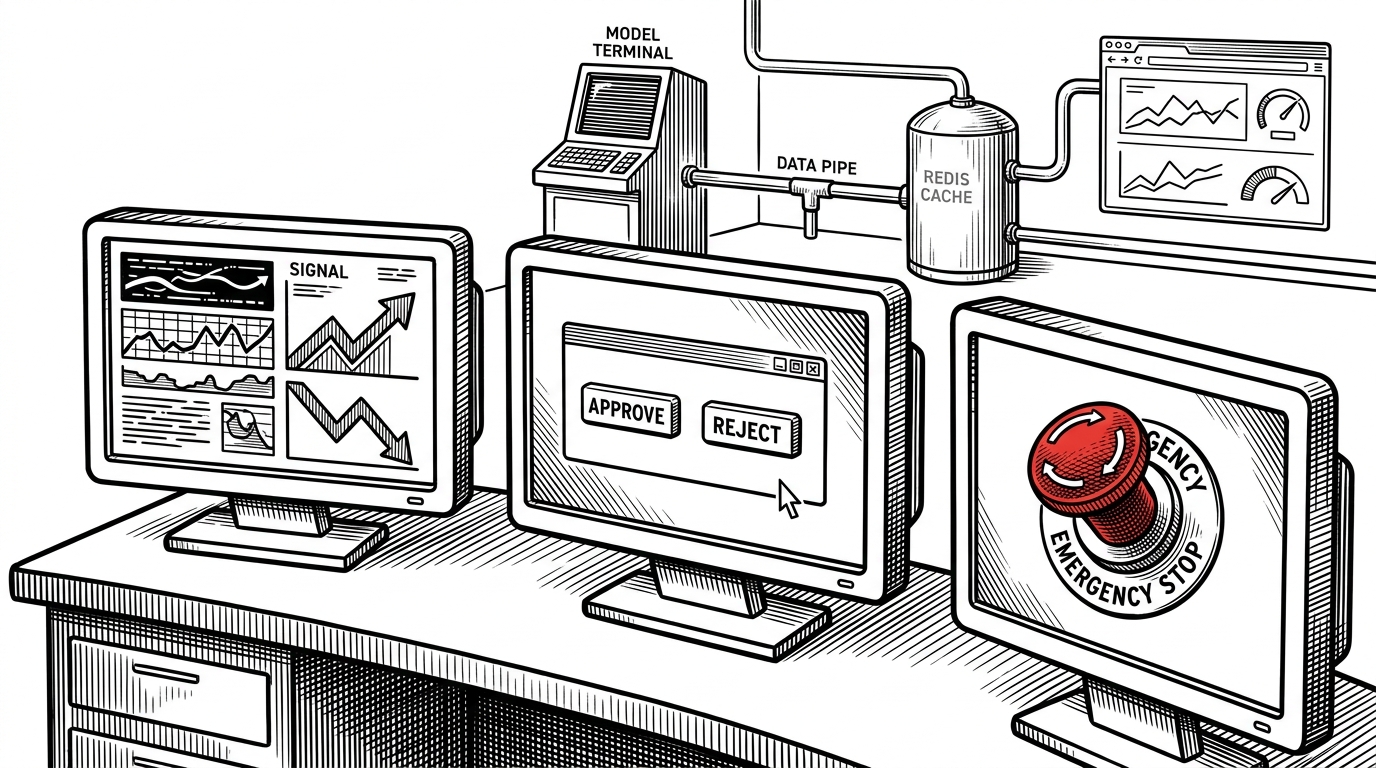
Under the hood, the server is a FastAPI app with a clean split between frontend, API, skills, and docs. Signals become positions through a service layer that handles buys, sells, shorts, covers, and weighted average entry price. The point is not only to log intent, but to keep the position book coherent as new signals arrive.
That same engine supports local paper trading and production deployment. A database abstraction adapts SQLite to PostgreSQL, while background jobs refresh prices, prune history, and settle prediction-market positions. The discussion feed is also guarded with rate limits and duplicate detection, which keeps agent wisdom from turning into spam.
Why Polymarket changes the shape of the product

Most trading projects stop at price charts. AI-Trader adds Polymarket, and that changes the logic of the platform. Outcome-based contracts need different accounting, different settlement, and different cross-hedging instincts. By putting them next to stocks and crypto, the project makes agents reason across price and event risk in one place.
That broader scope is why the marketplace framing matters. An agent can publish a stock thesis, a crypto hedge, or an event bet, and the system can still treat all of it as ranked participation. The platform is not just executing trades. It is converting analysis into a social object.
What it beats, and what it still does not
| Dimension | AI-Trader | virattt/ai-hedge-fund | zhound420/swarm-trader |
|---|---|---|---|
| Core concept | Marketplace for agent strategies | Multi-agent trading research stack | Multi-agent trading system |
| Agent interface | OpenClaw-native, skill-file on-ramp | Custom agents and orchestration | Custom agents built on upstream ideas |
| Marketplace / copy trading | Yes, built in | No | No |
| Market coverage | Stocks, crypto, forex, options, futures, Polymarket | Primarily stock-oriented | Stocks with Alpaca paper trading |
| Execution model | Signal feed, position engine, background settlement | Simulation-first portfolio loop | Paper trading with risk constraints |
| Edge | Coordination plus distribution | Strong baseline for LLM trading | Practical, lightweight adaptation |
AI-Trader is not just upstream with a shinier UI. Its edge is coordination plus distribution. It standardizes how agents join, how they talk, and how copy trading turns that activity into a product. The trade-off is that the platform is heavier than a single-strategy bot, which is exactly the point.