genshijin: The Claude Code Plugin That Compresses Japanese Into Machine-Grade Speech
A Japanese-optimized caveman skill that strips politeness, cuts token waste, and still knows when to switch back to formal language for safety.
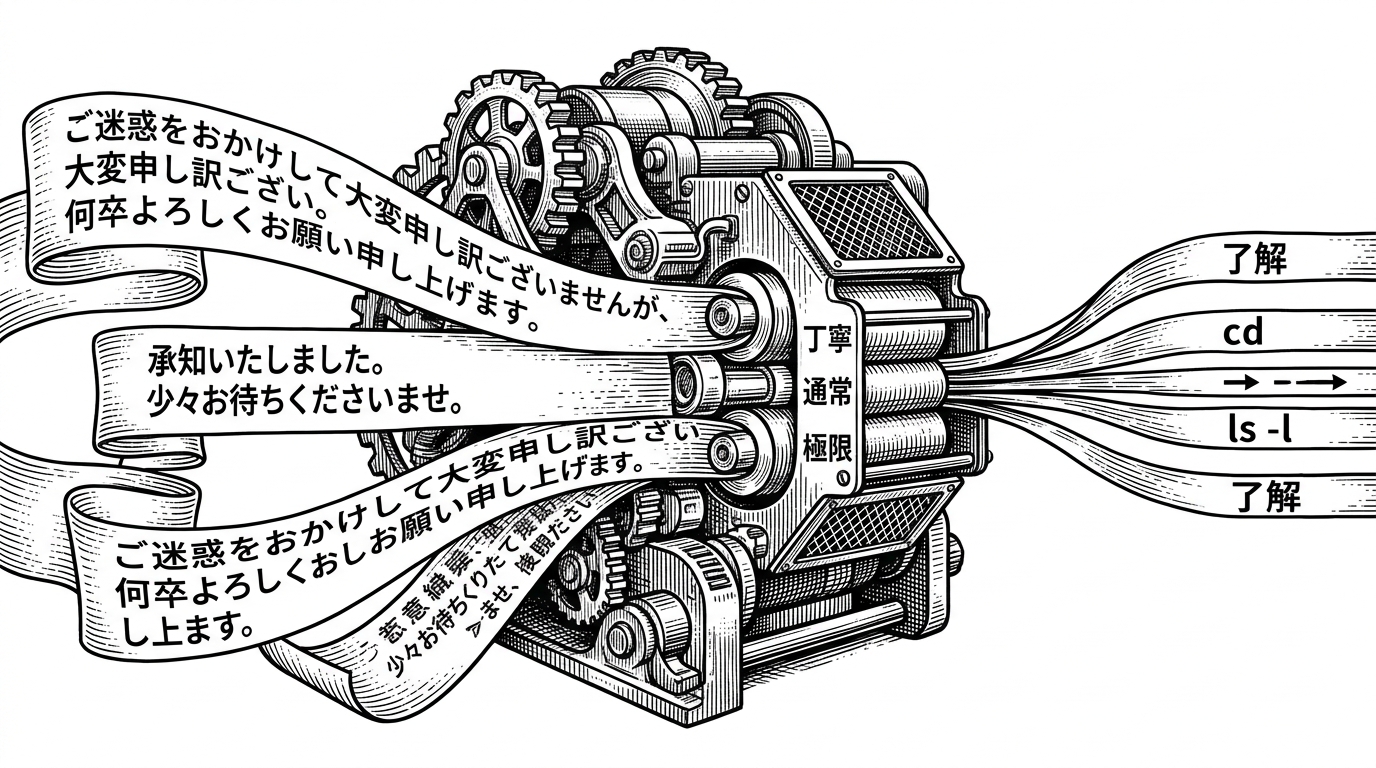
- genshijin treats Japanese politeness as a token cost and attacks it with explicit compression rules instead of vague prompt tuning.
- Its real novelty is staged output control: 丁寧, 通常, and 極限 are different operating modes, not just different vibes.
- The safety valve matters more than the joke persona, because destructive actions force the system back into clearer, more formal Japanese.
- The benchmark loop turns a style choice into an engineering claim by measuring token savings and refreshing the evidence automatically.
Politeness Has a Price
Japanese politeness is elegant, but in an LLM workflow it is also expensive. Extra honorifics, cushion words, and softening phrases consume tokens, which matters when you are paying per call and trying to keep context open for real work.
That is the strange and useful premise behind genshijin. It does not ask Claude to sound cooler. It treats language as infrastructure, then reduces overhead where the task does not need it.
What genshijin Actually Does
The skill gives Claude Code three compression levels. 丁寧 keeps the output polite, but trims filler. 通常 drops keigo, compresses particles, and aims for compact, task-first phrasing. 極限 pushes harder, using abbreviations, arrows, and telegram-style fragments when the situation allows it.
The point is not random terseness. The prompt system instructs the model to remove greetings, cut softeners like えーと and 基本的に, and preserve meaning with less verbal furniture. In the strongest mode, the output starts to look like notation rather than conversation.
The Safety Valve Is the Real Design Win
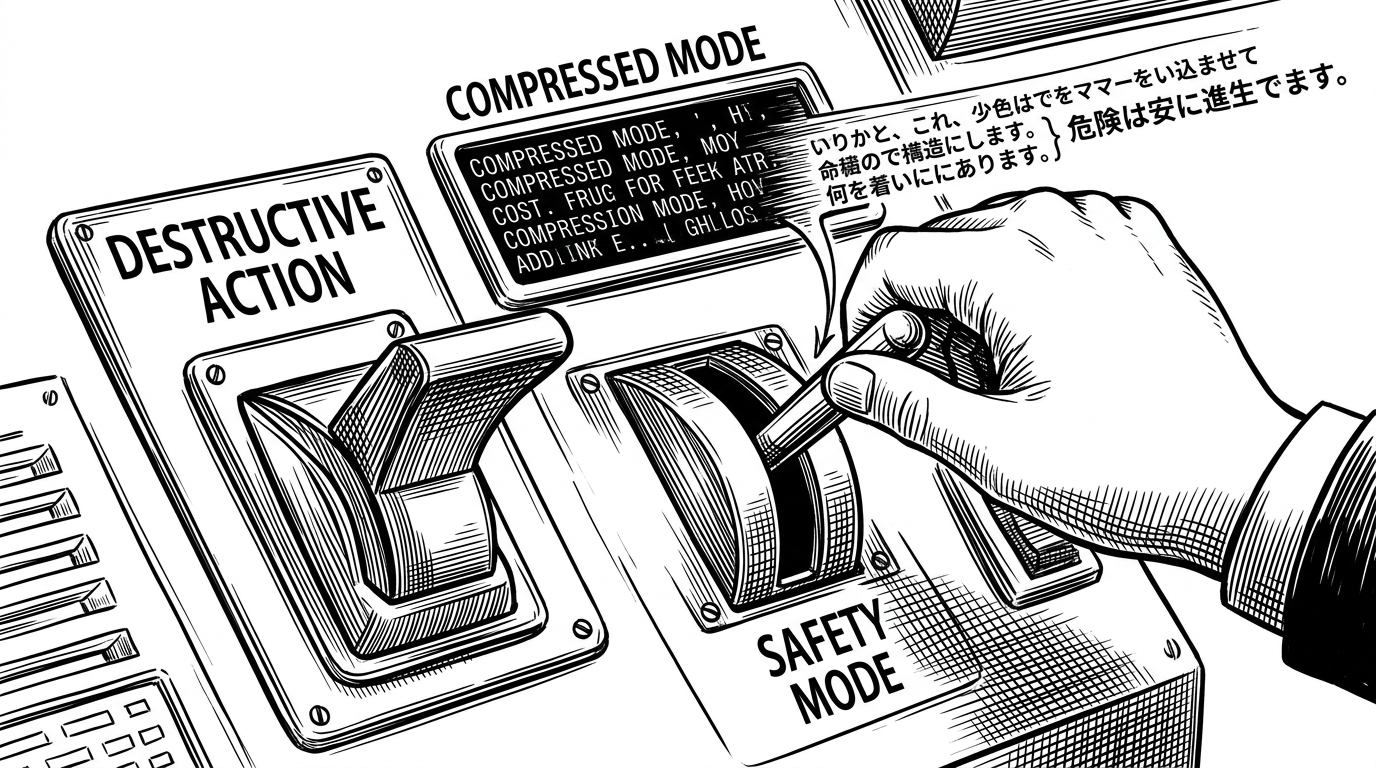
This is the part that makes the repo feel engineered instead of performative. A compression gimmick is easy to copy. A rule that yields to risk is a real operational safeguard.
Why the Benchmarking Matters
The repository does not just claim savings. It runs a benchmark loop across 30 prompts, compares normal output with caveman-style compression, and tracks median token counts. That matters because prompt engineering claims get stale fast unless they are measured.
| Mode | Style | Safety behavior | Best use case | Token profile |
|---|---|---|---|---|
| Normal Japanese | Polite, full phrasing | Baseline | When clarity and tone matter most | Highest |
| Caveman | Compressed English-style shorthand | Depends on the prompt | General brevity experiments | Lower |
| genshijin | Japanese compression with rules | Auto-reverts for risky actions | Claude Code workflows in Japanese | Lowest in safe routine tasks |
The important detail is not only the savings number. The benchmark harness feeds those results back into the repo, so the README can stay aligned with the current model behavior. That closes the loop between claim, test, and documentation.
How It Fits Into the Claude Code Ecosystem
The plugin layer matters because friction decides adoption. A prompt file is easy to copy once. A Claude Code plugin is easier to install, share, and standardize across a team.
| Approach | What you do | What you get | Trade-off |
|---|---|---|---|
| Copy-paste prompt | Paste compression instructions by hand | Fast experiment | Low consistency |
| Installed plugin | Add the skill through Claude Code | Reusable workflow | Requires ecosystem support |
That is why genshijin is more than a clever prompt. It is packaging for a specific Japanese developer workflow, with enough structure to survive repeated use.
What This Says About AI Workflows in Japanese
The larger lesson is simple: language-specific optimization is becoming a product category. Generic concise-mode prompting can help, but it does not understand the cost structure of Japanese politeness, or the safety requirements of coding tasks, the way a dedicated tool can.
genshijin is small, but it is sharp. It turns a cultural habit into a measurable engineering problem, then solves it with rules, benchmarks, and a safety override.