Caveman: The Token-Compression Layer for Agentic Coding
How JuliusBrussee/caveman strips filler from Claude Code, Cursor, Windsurf, and more, while using validation and lifecycle hooks to keep terse output technically safe.
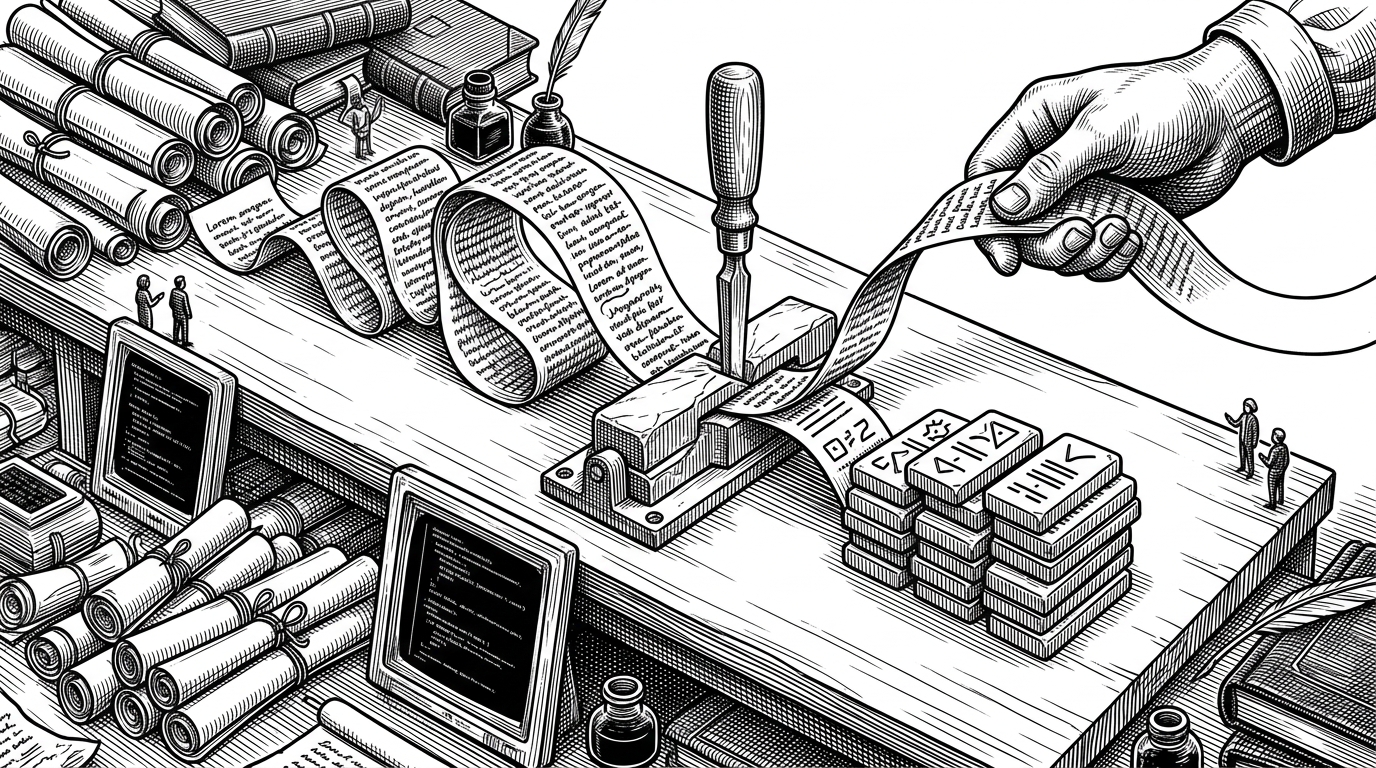
- Caveman is not a joke prompt, it is a cross-agent compression layer that treats verbose output as a workflow cost.
- Its real innovation is the pairing of aggressive text shortening with deterministic validation, so brevity does not silently break structure.
- Wenyan mode is the memorable hook, but the durable idea is the safety valve that drops caveman style when accuracy matters more than terseness.
- The repo competes less with other prompts than with manual trimming, because it packages compression, guardrails, and lifecycle persistence into one system.
AI coding assistants are good at explaining themselves. That is also the problem. They spend tokens on pleasantries, hedges, and redundant context, then ask you to pay for the privilege.
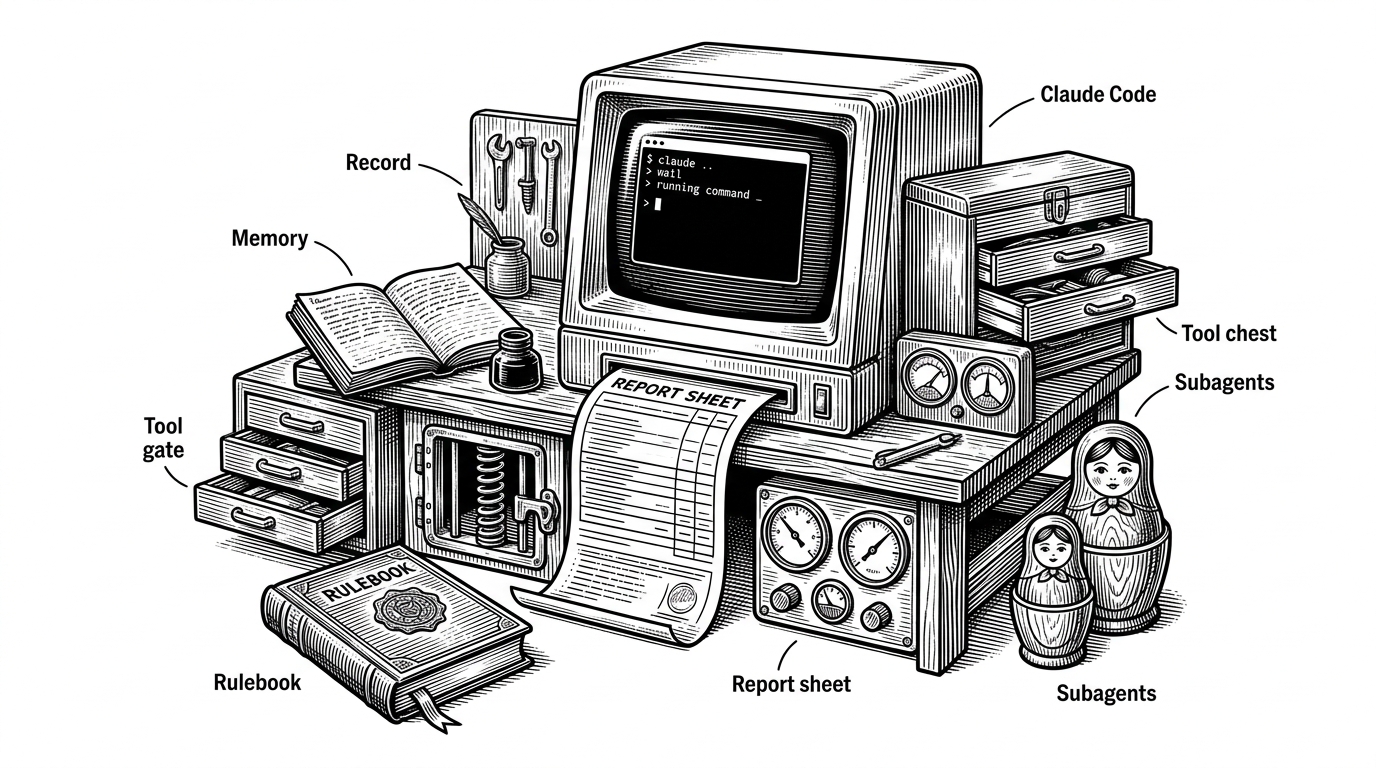
Caveman attacks that tax at the prompt layer, the memory layer, and the lifecycle layer. The result is not just shorter output. It is a reusable control plane for terse agent behavior across tools.
Why “too helpful” became a tax
The easiest way to sell Caveman is as a tone trick. That misses the point. The repo is trying to reduce latency, cost, and cognitive noise by changing how agents speak and how much they are allowed to keep saying.
Based on the viral observation that caveman-speak dramatically reduces LLM token usage without losing technical substance. So we made it a one-line install.
That framing matters because it shifts the project out of meme territory. A meme is a style. Caveman is a system that tries to make brevity repeatable across sessions and tools.
A prompt persona is not the product
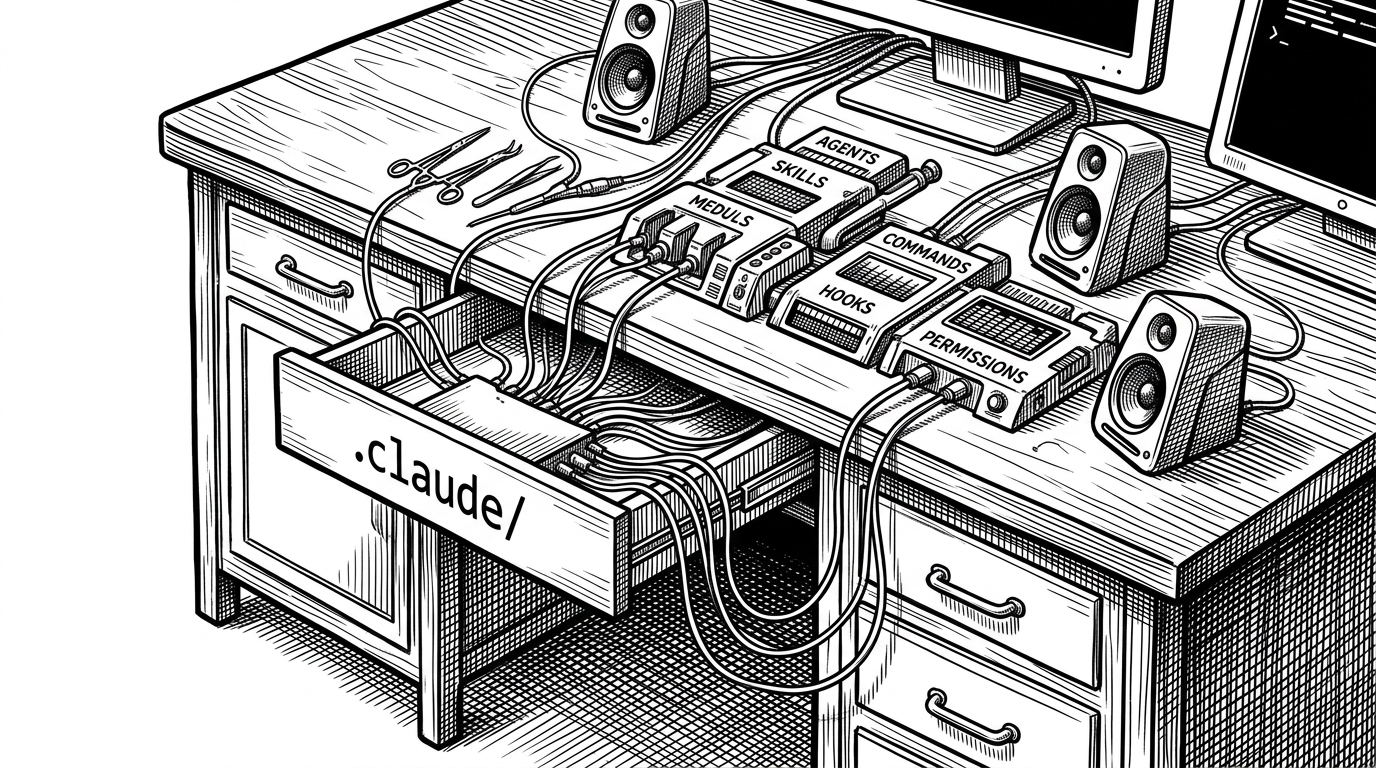
The repository is spread across rules, skills, commands, and hooks. That structure is the tell. It is built to work inside Claude Code, Cursor, Windsurf, Cline, and similar environments, which means the persona is portable rather than trapped in one chat prompt.
| Approach | Output brevity | Input compression | Validation | Cross-tool support | Safety on irreversible actions | Maintenance burden |
|---|---|---|---|---|---|---|
| Manual prompt trimming | Sometimes | No | No | Ad hoc | Depends on the user | High |
| Generic concise mode | Usually | No | Rarely | Limited | Usually weak | Low |
| Naive LLM-only compression | Often | Yes | No | Sometimes | Risky | Medium |
| Caveman full loop | Yes | Yes | Yes | Broad | Explicitly backs off | Higher, but automated |
The core trick: caveman speak with a safety valve
Inside skills/caveman/SKILL.md, the repo defines intensity levels. Lite is restrained. Full is the default caveman style. Ultra tightens the vocabulary further. Wenyan switches into Classical Chinese, which is the strangest and most memorable compression mode in the whole project.
[thing] [action] [reason].
[next step].

Drop caveman mode for security warnings or irreversible actions.
That pattern rule is doing serious work. It forces structure into a style that could otherwise dissolve into gimmickry. The exception matters even more: the system explicitly backs off when the task is risky, which keeps terseness from becoming a liability.
Wenyan mode is the strangest serious idea here
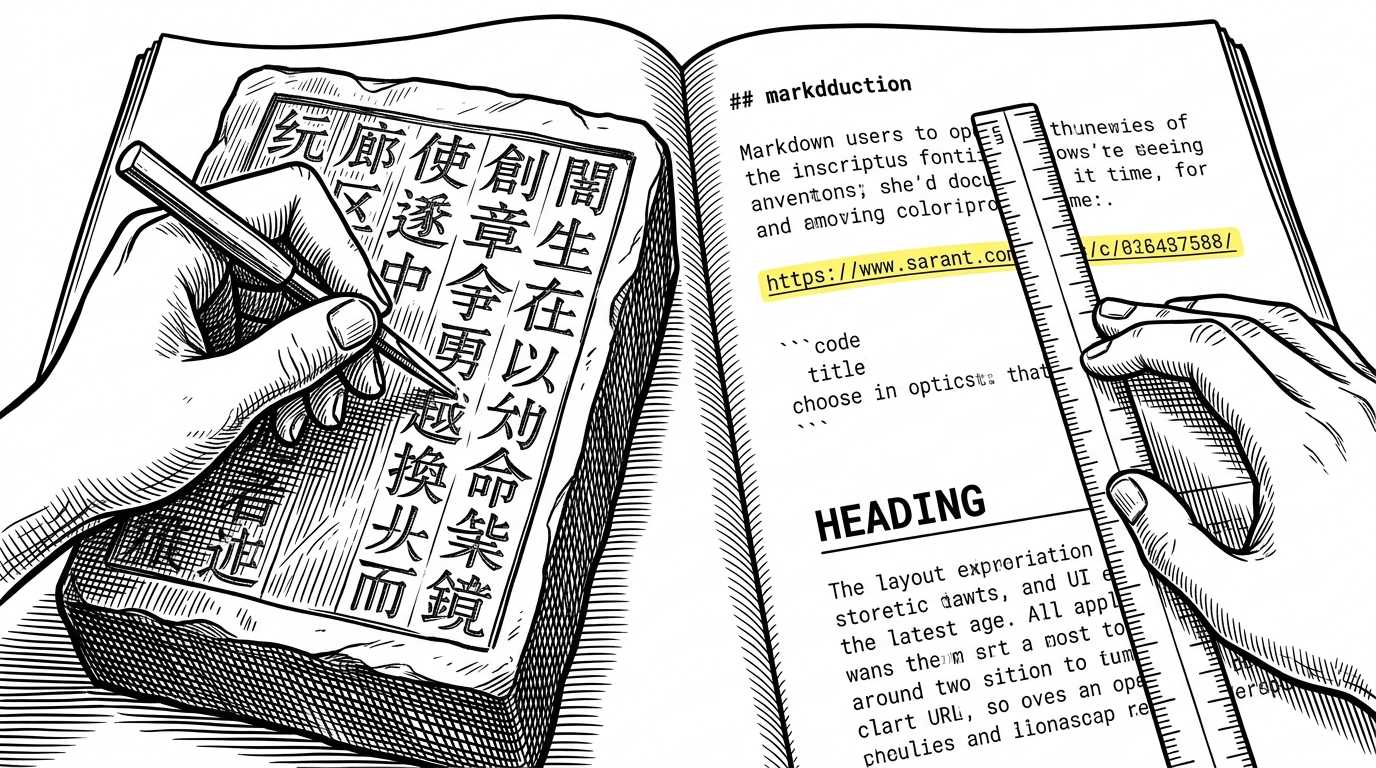
Wenyan is the part that looks like a joke until you think about token budgets. Classical Chinese can be information dense, and the repo uses that density as a compression strategy. The point is not cultural novelty for its own sake. It is to see how far a model can be pushed when the target language itself is compact.
Compression is only useful if you can prove you did not break anything
This is where the repo gets disciplined. The compression utility reads a file, writes a backup, rewrites the content through an LLM, and then validates the result. If the rewrite loses a heading, a URL, or a code fence, the tool does not shrug and move on. It retries with a fixer prompt.
| Check | What it protects | Why it matters |
|---|---|---|
| Headings | Document structure | Keeps the outline intact |
| URLs | Reference fidelity | Prevents broken links from disappearing |
| Code fences | Executable examples | Protects code from accidental mutation |
| Retry loop | Compression quality | Gives the model a chance to repair specific damage |
That pairing of LLM transformation and regex validation is the strongest engineering move in the repository. The model handles the creative rewrite. The deterministic layer guards the invariants.
The lifecycle hook that keeps the persona alive
The hook in hooks/caveman-activate.js solves drift. It re-injects the ruleset at session start, which means the persona is not a one-time flourish. It becomes part of the session lifecycle.
That is the difference between a prompt trick and a workflow primitive. One relies on memory. The other makes the environment remember for you.
What Caveman is really competing with
Caveman is not mainly competing with another open-source repo. It is competing with the default behavior of agentic tools: wordiness, drift, and the assumption that more explanation is always safer.
| Alternative | What it does well | What it misses |
|---|---|---|
| Manual trimming | Easy to try | Not repeatable across sessions |
| Built-in concise settings | Low friction | Usually shallow and non-portable |
| Naive LLM-only compression | Fast to prototype | No structural guarantees |
| Caveman | Portable compression with guardrails | Requires a real maintenance layer |
That is why the project feels more durable than the meme suggests. The joke is just the interface. The real product is a policy for when brevity is allowed, when it should stop, and how to prove the result still works.
Why this idea may outlive the meme
Caveman’s lasting value is not that it talks funny. It is that it encodes a practical rule for agentic coding: compress aggressively, validate deterministically, and back off when accuracy matters more than brevity.
That is a useful pattern well beyond this repo. Any tool that rewrites instructions, documentation, or agent memory can borrow the same shape. The persona can change. The control loop can stay.