Keychron-Keyboards-Hardware-Design: The Keyboard Brand That Published the Factory Truth
A rare look at how Keychron turned production CAD into a modding platform, giving makers the geometry for cases, plates, and accessories while keeping the PCB layer closed.
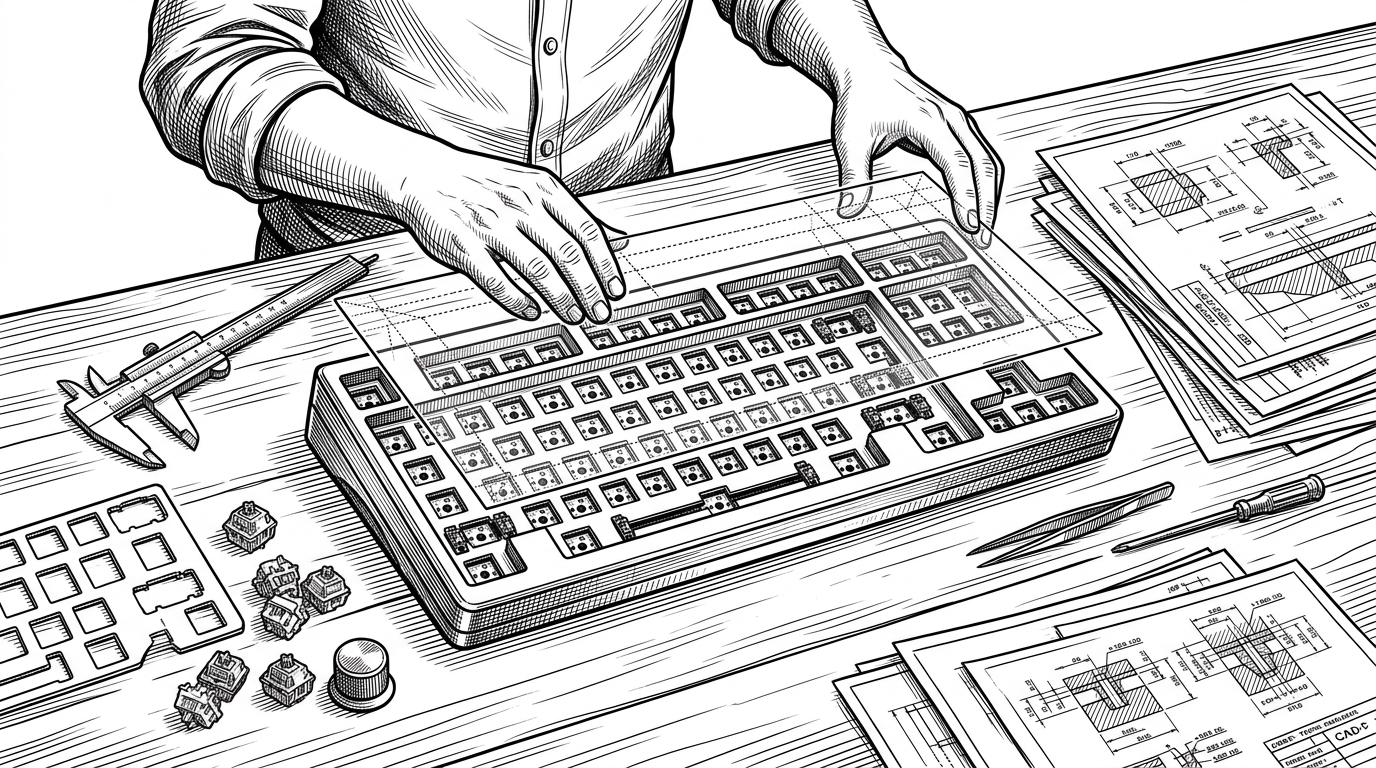
- Keychron did not open-source a keyboard, it opened the geometry that lets an ecosystem grow around one.
- The repo is most valuable where modders need truth, not guesses: plates, cases, fitment, and reference dimensions.
- Its license draws a sharp line between compatible accessories and cloning, which makes the openness strategic rather than ideological.
- Hall Effect models raise the stakes because tighter tolerances make the published files more useful to builders and reviewers.
The New Keyboard Platform Is the Aftermarket
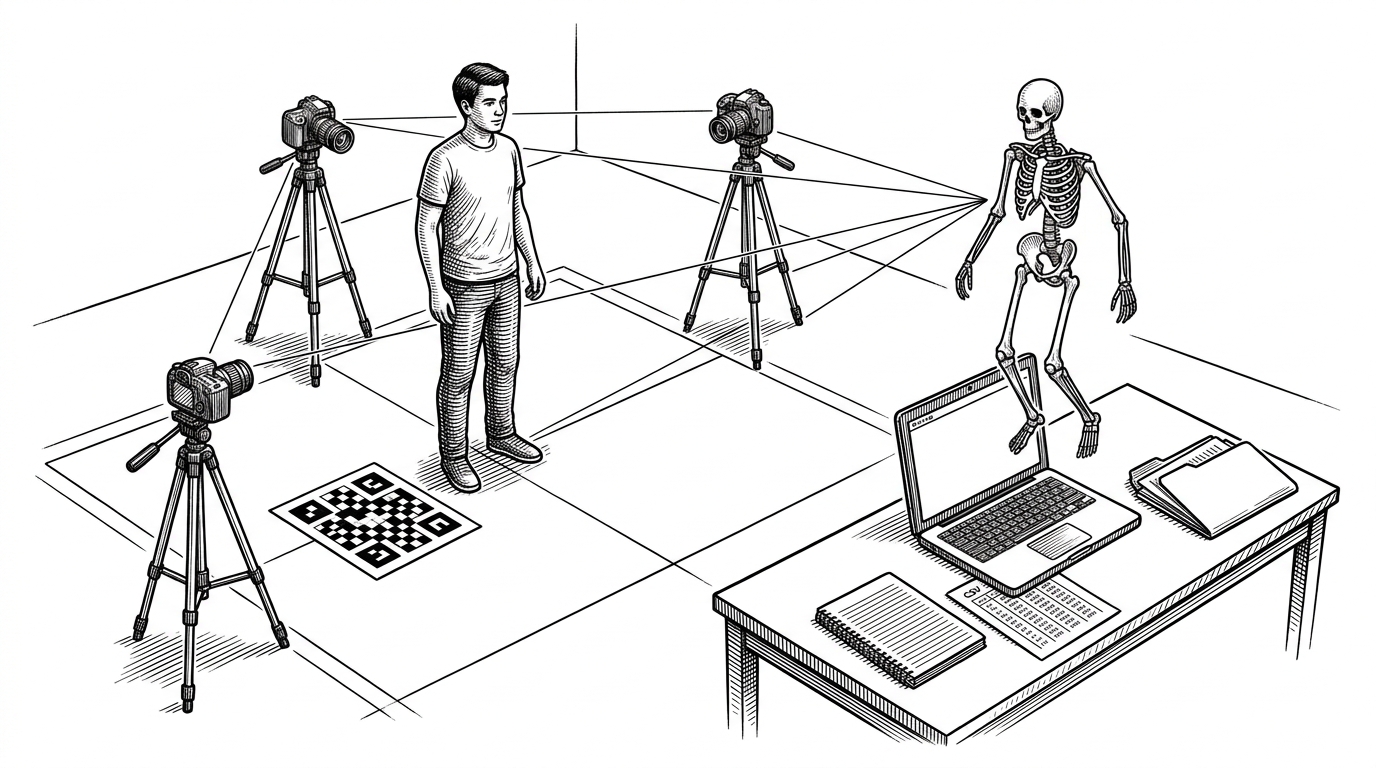
Keychron’s move is bigger than a file dump. It is a brand publishing the mechanical truth of its product line so other people can build around it, instead of around a teardown and a ruler. That is what makes this repo feel less like hobbyist openness and more like a sanctioned hardware platform.
The key distinction is simple: you can study the geometry, remix the geometry, and sell compatible accessories. You cannot turn that into a clone factory or borrow the trademark. In other words, Keychron is opening the layer that feeds the aftermarket while keeping the core product boundary intact.
We’re committed to fostering open collaboration and encourage you to freely explore, learn, customize, or build upon these resources to create your own unique creations.
What the Repo Actually Contains
This repository is not a sketchbook. It is production-grade industrial design data: STEP for 3D geometry, DXF and DWG for manufacturing, and PDFs for reference. It spans keyboard families, mice, keycap profiles, and maintenance scripts that keep the inventory sane as the catalog grows.
Keychron-Keyboards-Hardware-Design/
├── Q-Series/
├── Q-Pro-Series/
├── Q-HE-Series/
├── K-Pro-Series/
├── K-Max-Series/
├── K-HE-Series/
├── P-HE-Series/
├── Mice/
├── Keycap Profiles/
├── scripts/
└── docs/repo_inventory.mdThat breadth matters because it makes the repo useful to more than one audience. Engineers can inspect tolerances. Modders can fit parts. Accessory makers can design around real dimensions instead of reverse engineering a retail unit and hoping for the best.
Why Plates Matter More Than People Think
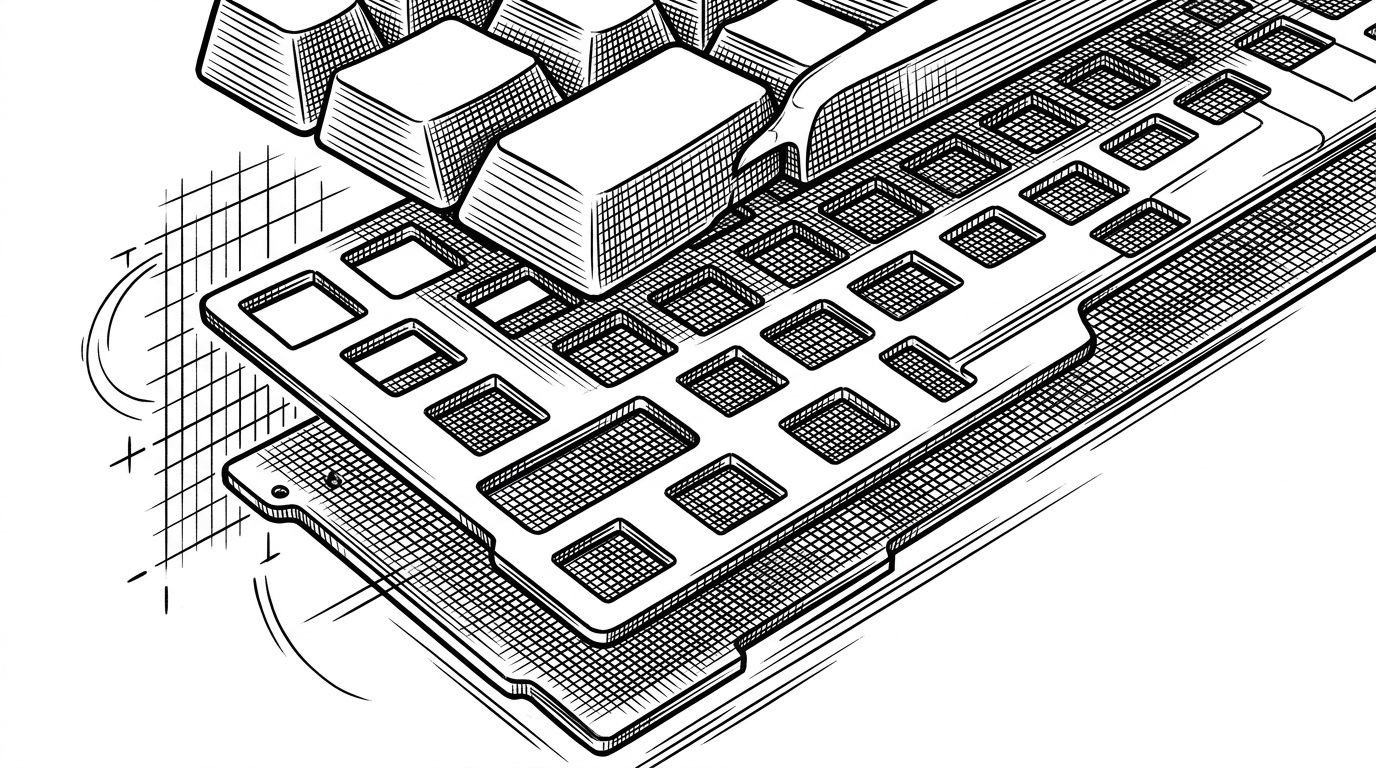
If you only care about code, a plate sounds trivial. In keyboards, it is not. The plate helps determine mounting behavior, sound, feel, and how much freedom a modder has when swapping materials or changing the stack-up.
| Model | What is shared | What is missing | Who benefits | Commercial implications |
|---|---|---|---|---|
| Keychron’s source-available model | Production CAD for cases, plates, fitment, and reference geometry | PCB files, cloning rights, trademark reuse | Modders and accessory makers | Compatible accessories can be commercialized |
| Community open hardware | Often full schematics, PCB files, and permissive build docs | Less scale and fewer mass-market reference designs | DIY builders and niche communities | Full builds can be easier to replicate |
| Reverse engineering | Only what someone measures from a physical unit | Official geometry, maintenance files, and consistency | Clone makers and tinkerers | Riskier, slower, and legally messy |
A Controlled Open Hardware Model
The license boundary is the story, not a footnote. Keychron is generous where that generosity expands the ecosystem and strict where that strictness protects the brand and the product line. That is why the repo reads like strategy, not ideology.
You may not copy and sell Keychron keyboards or mice, and you may not use Keychron trademarks as your own branding.
Antonio G. Di Benedetto of The Verge framed the practical upside well: "They’re not for commercial use, but Keychron’s efforts allow users to make their own mods, custom cases, or take their tinkering to new sicko-level heights." Source
| Boundary | Allowed | Not allowed | Why it matters |
|---|---|---|---|
| Personal and educational use | Study, edit, and learn from the files | Pretend the files are a license to clone the product | Makes the repo useful without giving away the whole business |
| Compatible accessories | Custom plates, cases, knobs, wrist rests, and similar add-ons | A 1:1 Keychron keyboard or mouse sold under your own brand | Creates a sanctioned aftermarket |
| Trademark use | Refer to Keychron as the reference platform | Use Keychron branding to market your own clone | Protects brand equity and customer trust |
How the Repository Stays Maintained at Scale
This is where the project stops looking like a folder of uploads and starts looking like an operational system. Inventory scripts generate the catalog, Git LFS keeps binary assets manageable, and GitHub Actions help keep counts and badges current as files change.
# repo_inventory.py
for model in models:
    collect_cad_assets(model)
    update_inventory_markdown(model)
    refresh_badge_counts()

# The point is not just storage.
# The point is keeping a hardware catalog coherent at scale.
That matters because CAD repositories rot quickly when they are treated like static dumps. Keychron appears to be syncing release engineering with repository hygiene, which is the difference between a gesture and an infrastructure layer.
Why Hall Effect Files Change the Stakes
Hall Effect keyboards raise the value of the geometry because the sensor gap and structural rigidity are part of the product’s behavior. When the underlying files are public, modders and engineers can study why the board feels and responds the way it does, instead of guessing from the outside.
That makes the repo unusually relevant to anyone tracking the evolution of input hardware. It is not just a record of design. It is a view into how modern keyboards are engineered to be both precise and customizable.
What This Beats, and What It Does Not
Keychron’s model is neither fully open hardware nor traditional closed hardware. It sits between the two and takes the best part of each: official geometry for builders, product integrity for the brand. That is why the repo is more useful than a pure tease and less permissive than a full community release.
| Model | Best at | Weak spot | Bottom line |
|---|---|---|---|
| Keychron’s controlled source-available hardware | Aftermarket growth around a real commercial platform | Not a full self-build ecosystem | Probably the most practical middle ground |
| Fully open community keyboards | Maximum transparency and remakeability | Smaller scale and less commercial gravity | Great for builders, narrower for the market |
| Reverse engineering and clone culture | Copying what already sells | Slow, fragile, and legally exposed | Bad engineering process, even when it works |
The business logic is straightforward. Open the truth file, reduce the support burden, legitimize third-party makers, and make the brand harder to displace inside the modding community. If you are going to be the reference platform anyway, publishing the geometry helps you own that role.
The Bigger Business Move
Keychron is using openness as a moat. Not by surrendering the product, but by making the surrounding ecosystem richer and easier to build. That is a very modern hardware strategy: less secrecy where secrecy adds little value, more control where control protects the business.
The result is a repo that changes the economics of keyboard customization. It gives makers the starting point they used to have to extract by hand, and it does so on the brand’s terms.