ai-smart-energy-audit-system: AI-Based Smart Energy Audit System: Why This Repo Watches the Delta, Not the Bill
An ESP32, Flask, Firebase, and Scikit-learn pipeline that turns raw current spikes into forecasting, anomaly detection, and practical energy audit intelligence.
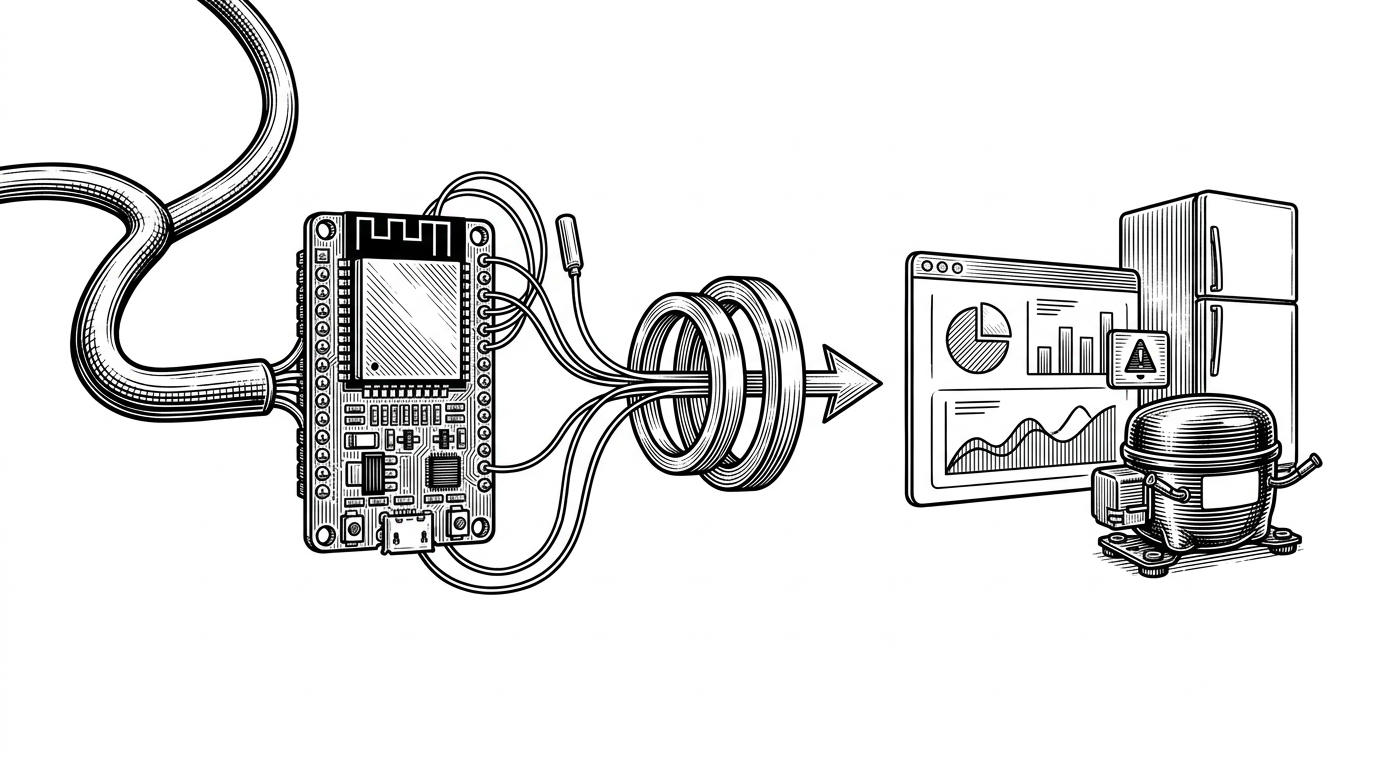
- The repo’s real idea is delta-first energy intelligence, where small changes in voltage, current, and power matter more than absolute thresholds.
- Its architecture keeps the hard thinking in Python while leaving the edge device and dashboard simple enough for a solo builder to maintain.
- Forecasting and anomaly detection are treated as different jobs, which makes the system more useful than a generic energy monitor.
- Firebase is used as a delivery layer, not the brain, so the stack stays pragmatic instead of over-engineered.
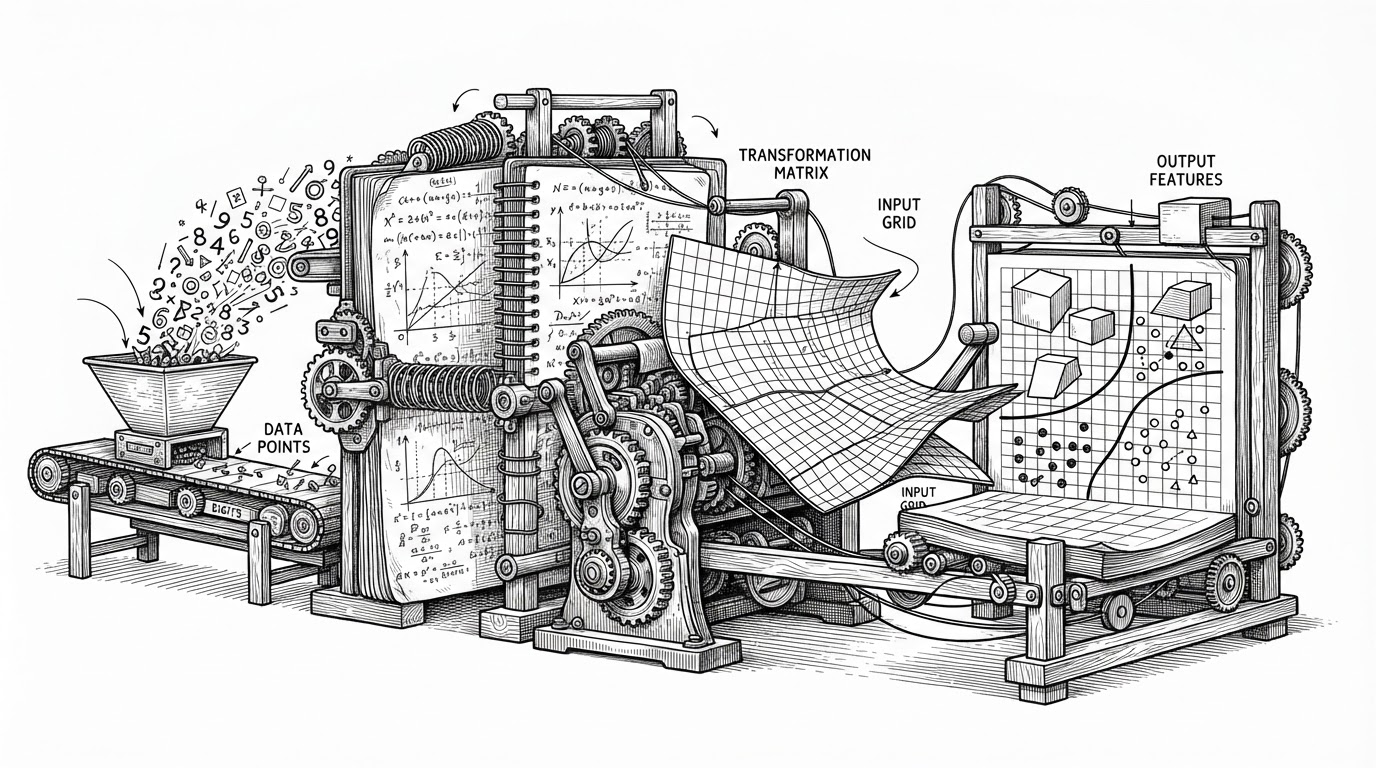
Most energy projects start with a bill. This one starts with a signal. AI-Based Smart Energy Audit System treats household electricity like something worth analyzing in motion, which is why its most interesting feature is not the dashboard. It is the shift from raw readings to change-aware inference.
The goal of this project is to build an intelligent energy monitoring system that helps users understand and optimize their electricity consumption. By combining IoT hardware, backend APIs, a cloud database, and machine learning models, the system provides real-time monitoring, anomaly detection, and energy usage insights.
The Real Product Is Not Monitoring. It Is Detecting Change.
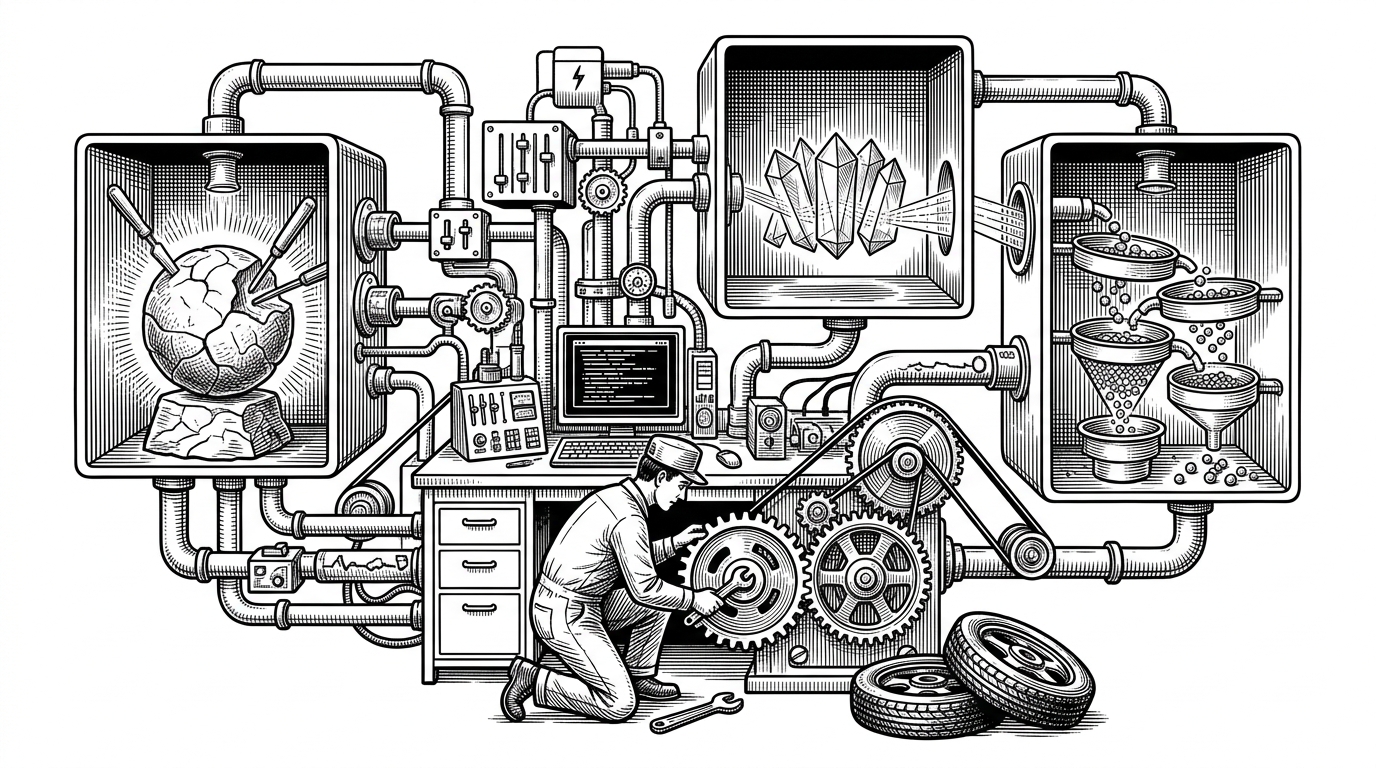
The repo is built around a simple but strong idea: static load numbers are less useful than transitions. A flat reading says a lot about what is happening right now. A delta says what just happened, which is where faults, spikes, and unusual appliance behavior begin to show up.
That matters because energy systems fail in patterns, not in averages. A compressor that starts to wobble, a voltage sag that repeats, or a current spike that appears at the wrong moment can all be easier to spot when the model is trained on movement rather than magnitude.
Why Delta Features Beat Raw Thresholds
The backend computes features such as delta_v, delta_i, and delta_p from a rolling window of recent readings. That gives the models context about direction and rate of change, which is usually more stable than asking whether a number crossed a fixed limit.
window = deque(maxlen=50)
window.append(sample)

if len(window) >= 2:
    prev = window[-2]
    delta_v = sample['voltage'] - prev['voltage']
    delta_i = sample['current'] - prev['current']
    delta_p = sample['power'] - prev['power']

features = {
    'delta_v': delta_v,
    'delta_i': delta_i,
    'delta_p': delta_p,
    'lag1_delta_p': previous_delta_p,
}
This is the right shape for the problem. Threshold systems are blunt. Delta features are more expressive because they preserve the story of a reading, not just its size.
How the Pipeline Moves from Wire to Web
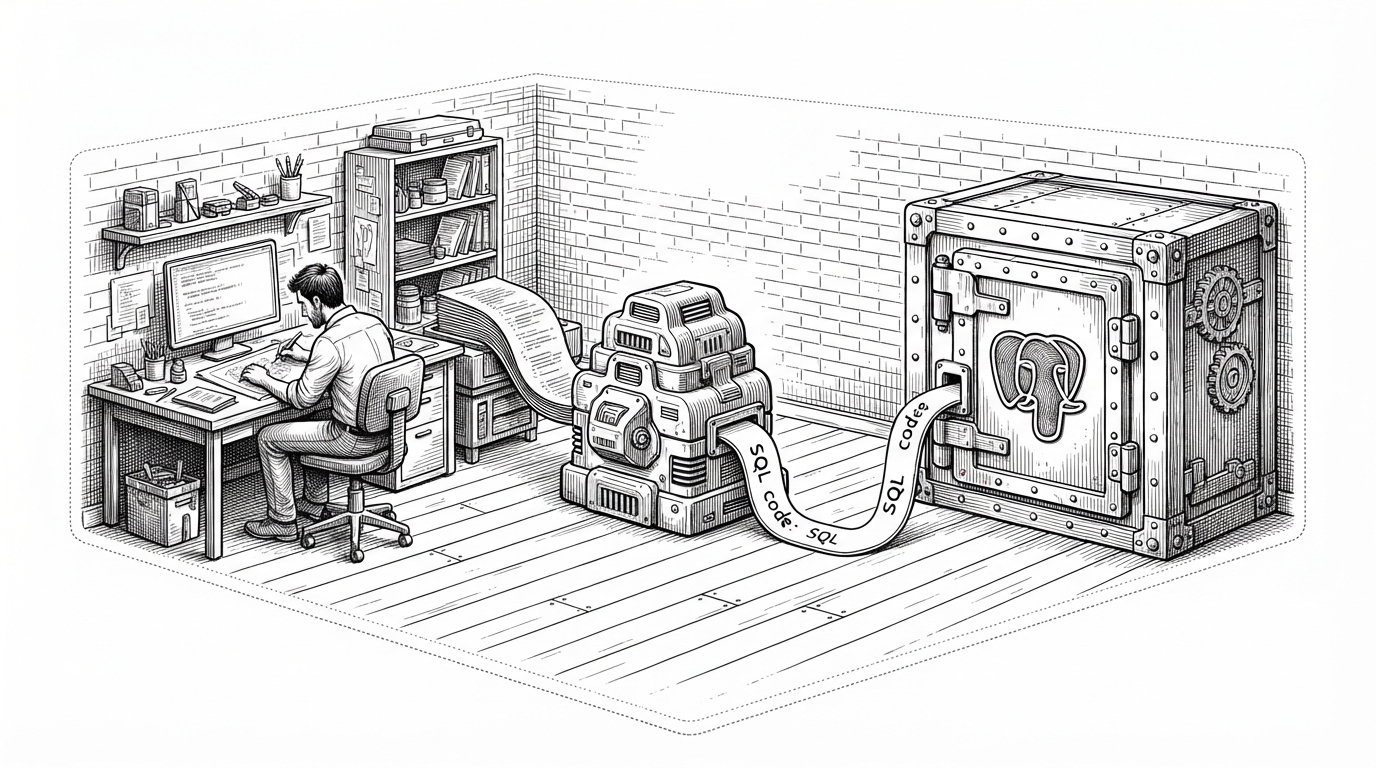
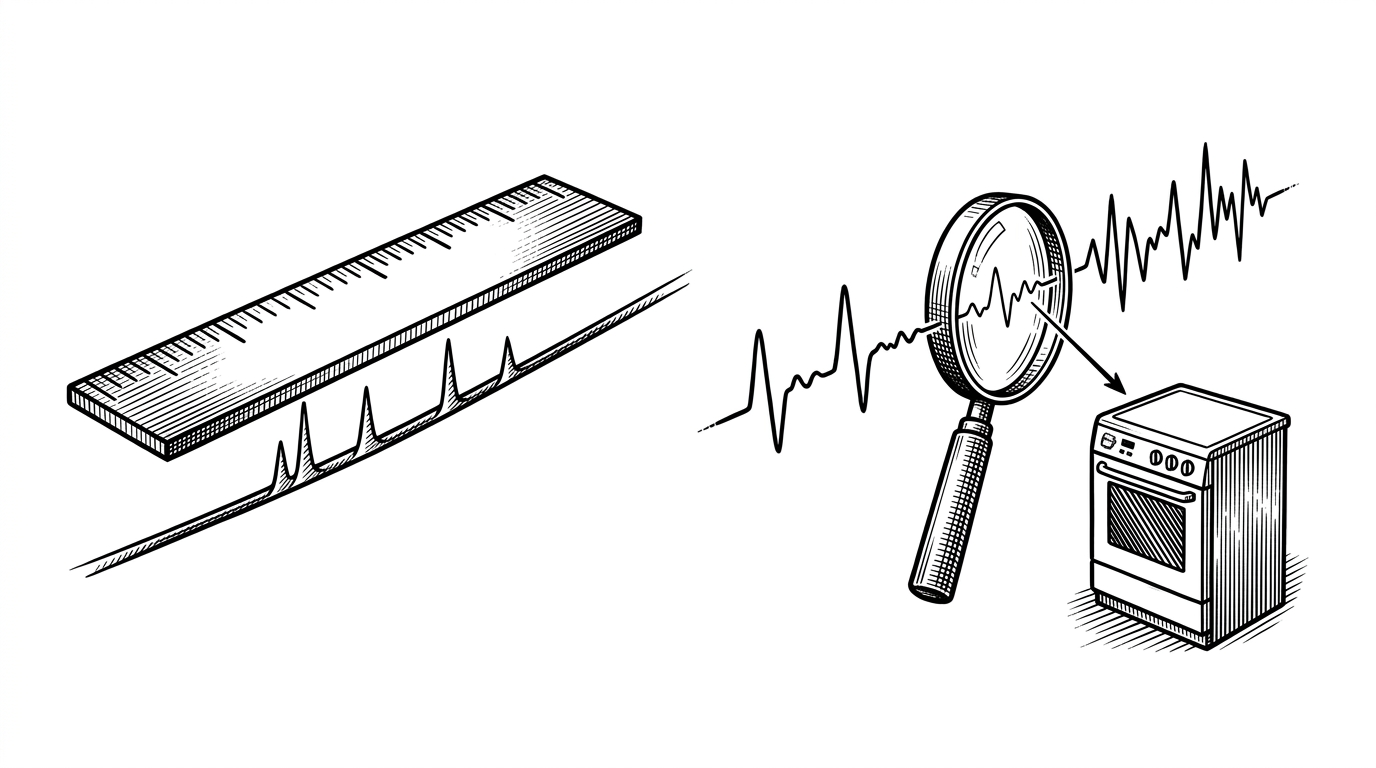
The stack is deliberately modular. ESP32 hardware measures the electrical signal. A Python backend receives readings, engineers features, and runs inference. Firebase carries the enriched data to the frontend, where the dashboard can render it without making the browser do the heavy lifting.
That split is the main architectural win. The device stays focused on sensing. Flask stays focused on logic. Firebase stays focused on delivery. Each layer does one job well instead of pretending to be an all-in-one platform.
| Layer | Role | Why it exists |
|---|---|---|
| ESP32 edge device | Samples voltage and current | Keeps measurement close to the wire |
| Flask backend | Calculates features and runs models | Keeps ML and enrichment in Python |
| Firebase | Syncs enriched records to the app | Makes the dashboard feel live |
| React frontend | Presents alerts and trends | Turns model output into something usable |
The Edge Device Is Small, but It Does the Hard Part Correctly
The firmware uses 100 ms sampling windows to compute RMS values, which is the right kind of boring. Reliable sensing depends on consistent windows, stable calibration, and a failure mode that does not collapse the whole system when WiFi drops.
That last detail matters. The code includes a fallback path so the device can keep sampling even when the network is unavailable. For an IoT stack, resilience beats elegance.
// Conceptual sketch of the edge behavior
sampleWindow(100);
readVoltageCurrent();
computeRMS();
applyCalibration();
if (wifiConnected) {
  sendReading();
} else {
  continueSamplingAndLogSerial();
}
Forecasting and Anomaly Detection Are Separate Jobs
The repo does something many projects blur together: it separates expected future demand from unusual behavior. Forecasting asks what the load is likely to do next. Anomaly detection asks whether the current pattern is strange enough to deserve attention.
| Model | Task | Input style | Why it fits |
|---|---|---|---|
| Random Forest regressor | Forecasting | Lagged delta features | It uses recent history to estimate near-future load |
| Isolation Forest | Anomaly detection | Derivative-like signals | It is built to spot unusual shapes in the data |
| Threshold alarm | Simple alerting | Absolute values | Fast, but too coarse for subtle faults |
This distinction is more than tidy architecture. It keeps the product honest. A forecast is not a diagnosis, and an anomaly is not a prediction. Treating them separately makes the output easier to trust.
Why Firebase Is the Delivery Layer, Not the Brain
Firebase is doing what it is best at here: making state visible quickly. The intelligence lives in the backend, where the models and feature transforms belong. The frontend consumes the result without needing a custom real-time inference service in the browser or a tangled WebSocket layer.
That tradeoff is appealing for a solo builder. It reduces infrastructure complexity while preserving a real-time feel. The result is not just a dashboard. It is a pipeline that a small team can actually ship.
Who This Project Is For
This repo makes the most sense for three groups. First, DIY energy tinkerers who want more than a meter readout. Second, founders and builders looking for a clean IoT-to-ML reference architecture. Third, engineers who want to see a practical boundary between sensing, inference, and presentation.
| Audience | What they get | What they will notice |
|---|---|---|
| DIY builder | A full stack energy audit prototype | The hardware and backend are approachable |
| Startup founder | A lean architecture pattern | It suggests a product path without overbuilding |
| Engineer | A usable sensor-to-model pipeline | The delta feature design is the real insight |
What It Is Up Against
Compared with Home Assistant Energy, OpenEnergyMonitor, and generic threshold-based monitors, this repo is narrower and more opinionated. That is a strength. It does not try to be a whole smart home platform or a long-term logging ecosystem. It aims to be ML-first and audit-oriented.
| Project | Primary goal | ML depth | Best for | Weakness |
|---|---|---|---|---|
| AI-Based Smart Energy Audit System | Change-aware energy intelligence | Built-in forecasting and anomaly detection | Predictive maintenance and auditing | Early-stage and narrower in scope |
| Home Assistant Energy | Broad home automation | Light native ML | Whole-home automation users | Less specialized for energy diagnostics |
| OpenEnergyMonitor | Long-term energy monitoring | Limited native ML | Data logging and energy transparency | Heavier and less focused on inference |
| Threshold monitors | Basic alerts | Minimal | Quick alarms | Miss subtle behavior and context |
The Bigger Idea
The bigger story is democratization. A cheap sensor stack, a classical machine learning pipeline, and a clean web UI can approximate a kind of electrical intelligence that used to feel industrial. That does not make the repo finished. It makes it meaningful.
Sanjay M’s project is strongest when you read it as a method, not a product demo. Measure the signal. Convert it into change. Let the models reason over behavior. That is a smart way to build an energy audit system without pretending the problem is just a chart.